
Heart Rate Monitor vs Smartwatch for Seniors


Puzzle Book for Seniors

Spill-Proof Travel Mug

Bed Exit Alarm Sensor
Heart Rate Monitor vs Smartwatch is a useful comparison for seniors who want to track heart rate during exercise or daily life. The two devices do different jobs.
A dedicated heart rate monitor focuses on heart-rate data. A smartwatch can track heart rate too, but it also adds a screen, apps, alerts, activity tracking, and other smart features.
A simple rule: choose the device that gives you the data you need without adding more work than you want.

Quick Comparison
A dedicated heart rate monitor is a good fit for focused heart-rate tracking. A smartwatch is more useful when you want one device for heart rate, activity, notifications, and everyday use.
For seniors who exercise often, a dedicated monitor can be useful. For someone who wants a simple all-day wearable, a smartwatch may be more practical.
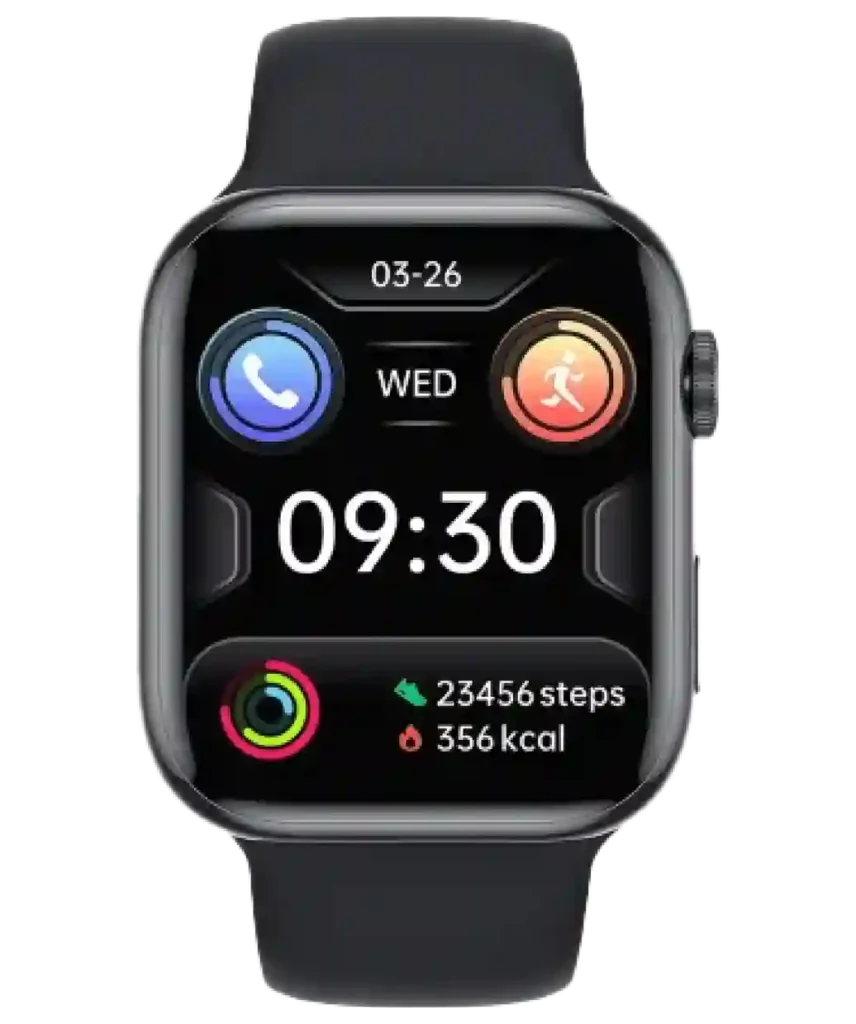
Heart Rate Monitor vs Smartwatch At a Glance
The key difference is focus. One is mainly a heart-rate tool. The other is a small computer on your wrist.
| Feature | Heart Rate Monitor | Smartwatch |
|---|---|---|
| Main purpose | Heart-rate tracking | Daily health and smart features |
| Heart-rate focus | High | Moderate to high |
| Screen | Usually no | Yes |
| Daily features | Few | Many |
| Exercise use | Excellent | Very good |
| Setup | Pairing may be needed | Usually simple after setup |
| Battery needs | Often low | Usually more frequent charging |
| Best for | Focused heart tracking | All-around daily use |
Dedicated Heart Rate Monitor for Seniors
A dedicated monitor is built around one main task: measuring heart rate. Chest-strap models can sit close to the skin and send data to a phone, watch, or other compatible device.
Some dedicated monitors use electrical heart-rate sensing. For example, Polar’s H10 uses electrical measurement and can connect through Bluetooth and ANT+. Polar lists up to 400 hours of training use for that model.
Ease of Use
A heart rate monitor can be simple once it is set up. The main challenge is wearing it correctly.
A chest strap must sit in the right place. It may also need to be paired with another device to view the readings. That means there can be an extra step compared with a smartwatch.
For seniors who already use a phone or exercise watch, this setup may be easy. For someone who wants to see data without another device, it may feel less convenient.
Key Strengths
- Focuses on heart-rate data
- Can work with compatible training devices
- Some chest straps have long battery life
- Can avoid wearing a watch during exercise
- Useful for people who want fewer distractions
Potential Drawbacks
- Chest straps must be worn correctly
- Some models need another screen to view data
- There are fewer general-purpose features
- The strap may not suit everyone for all-day wear
Smartwatch for Seniors and Daily Use
A smartwatch combines heart-rate tracking with many other tools. Depending on the model, these can include activity tracking, sleep data, notifications, GPS, exercise modes, and heart-related features.
Some smartwatch features vary by model and region. For example, Apple Watch models with compatible features can provide irregular-rhythm notifications, while availability can depend on the country or region.
Ease of Use
A smartwatch is convenient because the display is on the wrist. There is no need to reach for a phone just to check a reading.
The trade-off is that a smartwatch can have many menus and settings. A large, clear display can help, but a complicated interface can make setup harder for some users.
For a senior who already uses a smartphone, a smartwatch may feel natural. For someone who wants only heart-rate readings, it may offer more features than necessary.
Key Strengths
- Heart rate and activity data in one device
- Easy access to readings on the wrist
- Useful for daily tracking
- Can offer alerts and reminders
- Many models support several health and fitness features
Potential Drawbacks
- More features can mean more settings
- Battery life is usually shorter than a simple dedicated sensor
- Some health features vary by model and region
- A smartwatch may cost more because it does more
Which Is Easier for Seniors to Use?
Ease of use depends on what the person wants to do.
A smartwatch is easier for checking information at a glance. The screen is always nearby. It can also reduce the need to carry or use another device.
A dedicated monitor can be easier for people who want one clear purpose. There are fewer menus and fewer distractions.
For a senior with limited dexterity, look for simple controls and a comfortable fit. For someone who does not like wearing watches, a dedicated sensor may be more appealing.
| Usability Area | Heart Rate Monitor | Smartwatch |
|---|---|---|
| Checking data | Often needs another device | Easy on wrist |
| Initial setup | Can require pairing | Can require phone setup |
| Controls | Usually simple | More controls |
| Learning curve | Low to moderate | Moderate |
| Exercise focus | Very good | Very good |
| Daily convenience | Moderate | High |
Performance Comparison
For pure heart-rate tracking, the type of sensor and the way it is worn matter more than the number of extra features.
Dedicated chest straps can maintain close skin contact during movement. This can make them useful when tracking heart rate during exercise. Polar describes its H10 as an electrical heart-rate sensor designed for training use.
Smartwatches measure heart rate from the wrist and can offer a wider set of data. They are useful when heart rate is only one part of a larger health and activity picture.
| Performance Area | Heart Rate Monitor | Smartwatch |
|---|---|---|
| Focused heart-rate tracking | Excellent fit | Very good |
| Exercise tracking | Excellent | Very good |
| All-day tracking | Depends on model | Common |
| Activity tracking | Limited to moderate | Strong |
| Extra health features | Limited | Often extensive |
Comfort, Accessibility, and Senior-Friendly Design
Comfort can decide whether a person keeps using a device.
A chest strap places the sensor around the torso. Some people may find it comfortable during exercise, while others may prefer the wrist.
A smartwatch is easy to put on and remove. Its display can also make information easier to see without using a phone. A larger screen and simple menus can be helpful.
Weight is usually not the biggest issue for either category. Fit, skin contact, buttons, screen size, and daily charging may matter more.
Features Comparison
The smartwatch has a clear advantage in the number of functions it can provide. A dedicated monitor has an advantage when simplicity and focused tracking matter most.
| Feature | Heart Rate Monitor | Smartwatch |
|---|---|---|
| Heart-rate tracking | Core feature | Core health feature |
| Screen | Usually no | Yes |
| Notifications | Usually no | Often yes |
| Activity tracking | Limited | Usually strong |
| Apps | Usually limited | Often available |
| GPS | Usually requires another device | Often built in on some models |
Price, Maintenance, and Long-Term Value
Price varies widely by model. A basic heart rate monitor may cost less than a feature-rich smartwatch, but this is not always true.
The biggest value question is how many features you will use. Paying more for a smartwatch may make sense when you want activity tracking, notifications, and other tools. A dedicated monitor may offer better value when heart-rate tracking is the main goal.
Maintenance also differs. Chest straps may need cleaning and occasional battery replacement. Smartwatches need regular charging and may have bands or accessories that need replacement.
| Cost Factor | Heart Rate Monitor | Smartwatch |
|---|---|---|
| Initial cost | Often lower to moderate | Moderate to high |
| Charging | Often less frequent | More frequent |
| Battery replacement | Common on some models | Usually rechargeable |
| Accessories | Strap may need replacement | Bands or chargers may need replacement |
| Value | Strong for focused use | Strong for multi-purpose use |
Who Should Choose a Heart Rate Monitor?
Choose a dedicated heart rate monitor if:
- You mainly want heart-rate data.
- You exercise regularly.
- You already have a phone or watch for viewing data.
- You prefer fewer smart features.
- You want a device built around heart-rate tracking.
- You do not need notifications or apps on your wrist.
Who Should Choose a Smartwatch?
Choose a smartwatch if:
- You want heart rate and activity data together.
- You prefer seeing information on your wrist.
- You want notifications or reminders.
- You want several health and fitness tools in one device.
- You prefer one wearable instead of separate devices.
- You are comfortable using a touchscreen or smart device.
Heart Rate Monitor vs Smartwatch — Final Verdict
There is no single choice for every senior.
A dedicated heart rate monitor makes more sense when heart-rate tracking is the main goal. It can be especially useful during structured exercise.
A smartwatch makes more sense when you want heart rate plus daily activity tracking, alerts, and other smart functions. It is the more complete everyday device.
Best for focused heart-rate tracking: Heart Rate Monitor
Best for all-around daily use: Smartwatch
Best for exercise-focused users: Heart Rate Monitor
Best for multi-purpose use: Smartwatch
Best value: Depends on how many features you will use
Scoring Summary
A fixed 10-point score would be misleading here. Heart rate monitors and smartwatches are broad product categories, and models can differ greatly.
Instead, use the comparison itself. A dedicated monitor has the clearer focus on heart-rate tracking. A smartwatch has the broader feature set and easier access to information on the wrist.
How We Evaluate Products
This comparison focuses on practical factors that can affect senior use.
We consider ease of use, comfort, setup, readability, heart-rate tracking, maintenance, battery needs, useful features, and long-term value.
We do not assume that every senior has the same needs. A simple device may be ideal for one person and limiting for another.
The best device is the one that gives you useful information without making everyday use harder.
Senior-Specific Buying Considerations
Physical Effort
Check how the device is put on and removed. A strap should not require difficult fastening.
Controls
Look for clear buttons or a simple screen. Avoid complex menus when they are not needed.
Display
A smartwatch should have a display that is easy to read. Text, icons, and alerts should be clear.
Charging
Think about how often the device needs charging. A device that is forgotten in a drawer is not useful.
Setup
Check phone compatibility before buying. Some heart rate monitors need another device to display the data.
Safety
Heart rate data can be useful, but a wearable is not a substitute for medical care. A smartwatch or monitor may provide information or alerts, but unusual readings should be discussed with a healthcare professional when appropriate. The American Heart Association notes that wearable heart monitors can provide information that may help with AFib diagnosis, but medical evaluation is still part of the process.
Common Buying Mistakes
- Buying a smartwatch when only heart-rate tracking is needed
- Buying a dedicated monitor without checking device compatibility
- Ignoring strap or band comfort
- Choosing a complex interface with features that will not be used
- Forgetting charging needs
- Treating wearable readings as a medical diagnosis
Frequently Asked Questions
Is a heart rate monitor better than a smartwatch?
It can be better for focused heart-rate tracking. A smartwatch is more useful when you want heart rate plus other daily features.
Can a smartwatch track heart rate?
Yes. Many smartwatches include heart-rate tracking. Features and measurement methods vary by model.
Is a chest strap comfortable for seniors?
It can be comfortable for some users, especially during exercise. Fit and personal preference matter.
Does a smartwatch need a phone?
It depends on the model and the task. Some watches can perform many functions independently, while others rely more heavily on a phone.
Which is easier to read?
A smartwatch usually has the advantage because it has a built-in screen. Look for a large, clear display and simple controls.
Can wearable heart-rate data replace a medical test?
No. Consumer wearables can provide useful information, but they should not be treated as a replacement for professional medical evaluation.
Conclusion
A Heart Rate Monitor vs Smartwatch comparison comes down to purpose. A dedicated monitor keeps its attention on heart-rate tracking. A smartwatch adds heart data to a much wider set of daily tools.
For focused exercise tracking, a dedicated monitor may be the better fit. For everyday convenience and broader tracking, a smartwatch may be more useful. The right choice depends on comfort, simplicity, features, and how the device will actually be used.
