
Blood Pressure Monitor vs Cuff: Senior Guide


Adult Coloring Book

Smart Digital Photo Frame

Shiatsu Neck Massager
Choosing between a blood pressure monitor vs cuff is a big step for your home health routine. Both tools track your numbers. But they work in very different ways. Knowing how they work can save you a lot of daily stress.
Finding the right device makes daily health checks much simpler. We will help you compare these two tools. You can then make the best choice for your needs. Your comfort and peace of mind are the most important things here.
An automatic digital monitor is the best choice for most older adults. It does the hard work for you with a simple push of a button. A manual cuff is very exact. But it requires a stethoscope and strong hands to use. For daily home use, the digital machine is much easier and much faster.
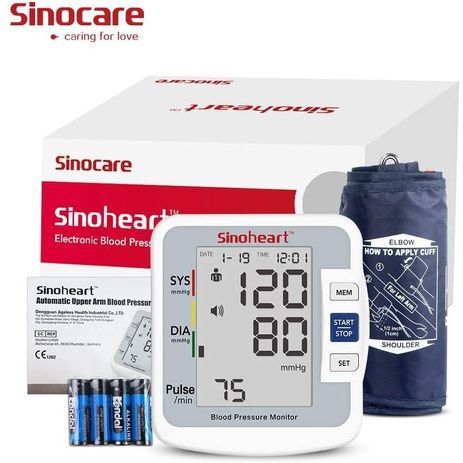
Digital Monitor vs Manual Cuff At A Glance
Here is a quick look at how digital monitors and manual cuffs compare. This table shows the main differences for daily home use.
| Feature | Digital Monitor | Manual Cuff |
| Setup Process | Fast and simple | Needs practice and skill |
| Reading Style | Large digital screen | Small dial gauge needle |
| Physical Effort | Push one single button | Squeeze a rubber hand pump |
Digital Blood Pressure Monitor Review
Digital monitors are very popular for home health tracking. They take the guesswork out of daily readings. These machines sit on a table and do the pumping for you.
Ease of Use
These machines are very easy to operate by yourself. You just wrap the band around your arm. Then you press the start button. The machine pumps the air for you in a few seconds. The numbers show up on a big screen. The screen is bright and easy to see. You do not need to listen for a heartbeat. You do not need to squeeze a pump. This makes the whole process very simple for anyone to do alone.
Key Strengths
- One-button start is perfect for a fast daily routine.
- Large numbers are very easy to read from a distance.
- The machine saves your past numbers in a memory log.
- You never have to wear a painful stethoscope in your ears.
Potential Drawbacks
- The machine needs fresh batteries or a wall plug to work.
- These tools can cost a bit more than manual hand tools.
- Body movement or talking can cause a reading error.
Manual Blood Pressure Cuffs Reviewed
Manual cuffs are the classic tools used in most doctor offices. They are very reliable. But they require more skill to use the right way.
Ease of Use
Manual cuffs are much harder to use by yourself. You must wear a stethoscope to hear your heartbeat. You also have to pump a rubber bulb with your hand. This can be tough if your hands are weak. It is also hard if you have joint pain. Reading the bouncing needle on the small dial takes very sharp eyes. Most people find it too hard to do on their own arm.
Key Strengths
- This tool never needs batteries or a wall plug.
- It is very exact when a trained nurse uses it.
- The parts are cheap and easy to replace if broken.
- It is very lightweight and easy to pack for trips.
Potential Drawbacks
- It is very hard to use without a helper or nurse.
- You must have very good hearing for this to work.
- You need good grip strength to squeeze the pump fast.
Ease of Use for Seniors
A digital machine easily wins for daily home checks. It removes all the hard work from the process. You do not have to squeeze a tight pump. You do not have to listen for faint sounds. The machine simply does the job. Then it shows you the final clear numbers.
“Digital tools give older adults the power to check their own health safely and easily at home.”
A manual cuff takes lots of practice and skill. It is mostly meant for trained nurses or caregivers. If you live alone, a manual cuff is very tough to manage. You would have to use one hand to pump. You would also have to hold the ear pieces at the same time. This is a very stressful way to check your health. This is why digital tools rule the home market.
Performance Comparison
Both tools do a great job at checking your heart. But they must be used the right way. Here is how they match up in daily home use.
| Performance Area | Digital Monitor | Manual Cuff |
| Reading Accuracy | Very good when still | Excellent with training |
| Speed of Test | Takes about a minute | Depends on user speed |
| Consistency | Steady with resting arm | Varies by user skill |
Comfort, Accessibility, and Senior-Friendly Design
Digital tools are built with older users in mind. They often have huge screens. They also use bright lights. Many newer models even speak the results out loud. This is perfect for those with bad eyesight. The arm bands are also made to fit smoothly. Some bands are pre-formed. This means they slide right onto your arm like a sleeve.
Manual tools lack these helpful modern updates. The metal dial has tiny lines. These lines are very hard to see. The ear parts of the stethoscope can pinch and hurt your ears. Squeezing the bulb can cause deep hand pain for people with arthritis. The old style bands can also pinch the skin more often. Comfort is a major factor when you check your health every day.
Features Comparison
Extra features can make tracking your health much smoother. Let us look at what each tool offers for daily use.
| Feature | Digital Monitor | Manual Cuff |
| Memory Log | Saves past numbers | None |
| Audio Alerts | Often reads out loud | None |
| Heart Warning | Warns of bad rhythms | User must notice it |
Price, Maintenance, and Long-Term Value
Digital tools cost a bit more up front. However, they offer great value for the ease they bring. Here is a breakdown of the typical costs.
| Cost Factor | Digital Monitor | Manual Cuff |
| Upfront Cost | Moderate to high | Very low |
| Power Source | Needs batteries or plug | Hand powered |
| Long-Term Value | High value for daily ease | Good for strict budgets |
Who Should Choose a Digital Monitor?
Most people checking health at home will prefer this easy option.
- Choose a digital tool if you live alone.
- Choose it if you have arthritis in your hands or wrists.
- Choose it if you want the machine to save your daily records.
- Choose it if you have trouble seeing tiny lines on a dial.
- Choose it if you want a fast and easy morning routine.
Who Should Choose a Manual Cuff?
This older tool still has a place for some very specific users.
- Choose a manual tool if you are a trained caregiver.
- Choose it if you never want to worry about buying fresh batteries.
- Choose it if you want the absolute cheapest option possible.
- Choose it if you have a visiting nurse who comes to check on you.
Final Verdict
For older adults at home, the digital machine is the clear winner. It is safer. It is faster. It is far less stressful. The automatic pump saves your hands from pain. It also gives you clear numbers without any hard work. This makes building a good health habit so much easier.
A manual tool is great for doctors. It is also good for trained nurses. It is just too hard for most people to use on their own arm. Keep things simple for yourself. Choose the digital tool. Your daily routine should never feel like a heavy chore.
Scoring Summary
Here is how both choices score across the most important areas. The scores reflect ease of use for older adults at home.
| Category | Digital Monitor | Manual Cuff |
| Ease of Use | 9/10 | 3/10 |
| Senior Design | 9/10 | 2/10 |
| Performance | 8/10 | 9/10 |
| Value | 8/10 | 7/10 |
How We Evaluate Products
We look at tools based on real daily needs. We focus on how easy a device is to grip. We look at how easy it is to read. We also see how simple it is to put away. We do not perform lab tests. We review the known facts and features. This helps us see what works best in a normal home setting. Ease and safety always come first in our product reviews. A tool must make daily life better. It should never make life harder.
Senior-Specific Buying Considerations
Keep these thoughts in mind before you buy a new device.
- Arm Size: Make sure the band fits your arm right. A bad fit gives you wrong numbers. Measure your arm first.
- Screen Size: Look for big numbers. Bold black numbers are easy to read from a distance.
- Power Needs: Check if it needs batteries. Check if it plugs into the wall. A wall plug saves money over time.
- Data Saving: See if the tool can save numbers. Some tools save numbers for two different people in the house.
- Cuff Style: Some bands are pre-formed. These are much easier to slide onto your arm with just one hand.
Common Buying Mistakes
Avoid these simple errors to make sure you get a helpful tool.
- Buying a manual tool just to save money. Then finding out it is too hard to use.
- Getting a band that is far too tight for your arm. This hurts and ruins the test.
- Choosing a machine with too many complex phone apps. Keep it simple.
- Forgetting to buy fresh batteries for the new machine.
- Testing your health right after drinking coffee. Coffee can change your numbers.
Safety
Checking your health at home is very safe. Always rest your arm on a stable table while the machine works. Sit in a firm chair. If the band feels too tight, stop. If it causes deep pain, turn the machine off right away. Always talk to your doctor if your numbers seem wrong. Talk to them if the numbers are very high. These tools help track your daily health. But they do not ever replace a real doctor visit. Always keep power cords away from your feet. This will make sure you do not trip and fall.
Conclusion
Picking a digital machine is the best route for most older adults. It makes daily checks simple. It keeps your routine stress-free. You get fast results. You do this without straining your hands. You also avoid hurting your ears. This makes building a good health habit much easier to do every single morning.
A manual tool works fine if a nurse helps you. Caregivers can use them well. But for solo home use, automatic machines give you real peace of mind. Check your arm size first. Find a tool with a big screen. Then you can take control of your health safely at home.