
E-Reader vs Magnifier: Which Is Better for Seniors?


Anti-Glare Reading Glasses

Indoor Security Camera
Spill-Proof Adult Cup
E-Reader vs Magnifier is a useful comparison for seniors who find small print harder to read. But these two tools solve different problems. An e-reader changes the way you read by displaying digital books with adjustable text, while a magnifier enlarges printed material you already own.
The right choice depends on what you read most. If you mainly read ebooks, an e-reader can make text larger and easier to customize. If you read newspapers, medicine labels, mail, books, or other printed material, a magnifier may be more practical.
Quick Comparison
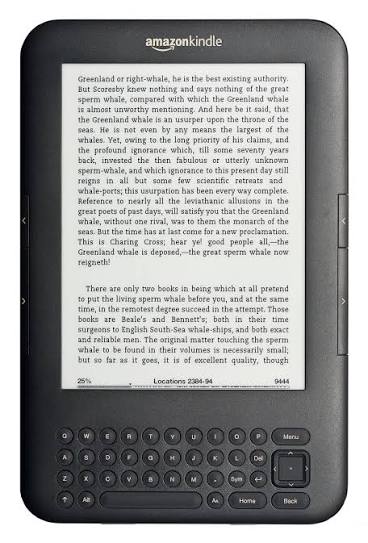
An e-reader is generally more versatile for people who mainly read digital books because text size, spacing, and other display settings can be changed. Kindle supports adjustable font size and layout settings, while Kobo offers adjustable font size, fonts, margins, and line spacing on supported devices.
A magnifier is more useful for printed material. It does not require buying or downloading a digital version of a book or document.
The key question is simple:
Do you need to make digital reading easier, or do you need to enlarge printed text?

E-Reader vs Magnifier At a Glance
Both can help make reading easier, but they work in very different ways.
| Feature | E-Reader | Magnifier |
|---|---|---|
| Main purpose | Read digital books | Enlarge printed material |
| Text adjustment | Usually adjustable | Fixed by magnification level |
| Printed documents | Limited | Excellent |
| Digital books | Excellent | Not applicable |
| Setup | Requires device setup | Usually simple |
| Portability | High | Usually very high |
| Battery | Depends on model | Depends on type |
| Storage | Stores many books | Stores little or nothing |
| Learning curve | Moderate | Usually low |
E-Reader for Seniors Who Want Flexible Reading
An e-reader can be a strong option for seniors who read ebooks regularly. Its biggest advantage is flexibility. Instead of being stuck with the font size printed on a page, users can adjust digital text to suit their comfort.
Ease of Use
Modern e-readers offer settings designed to personalize reading. Kindle devices allow users to increase or decrease font size, adjust spacing, change margins, and modify other display settings. Some current Kindle devices also support device-level font-size changes.
Kobo also lets readers adjust font size while reading. Supported Kobo models provide additional accessibility options such as adjustable fonts, margins, line spacing, Dark Mode, and Large Print Mode.
This can be useful for a senior who wants the same book to remain readable without holding a magnifying glass over every line.
Key Strengths
- Adjustable text size
- Many books can be stored on one device
- Text spacing can often be customized
- Digital books are easy to carry
- Some models offer accessibility features
- Reading settings can be changed as preferences change
Potential Drawbacks
- Requires learning basic device controls
- Requires charging
- Books must be available in digital format
- Initial setup can take more effort than using a simple magnifier
- Features vary by model and book format
Magnifier for Seniors Who Read Printed Material
A magnifier takes a much simpler approach. Instead of changing the document, it enlarges the document itself.
This makes it useful for newspapers, printed letters, labels, menus, instructions, paper books, and other physical material.
Ease of Use
A basic handheld magnifier usually has a very small learning curve. Place it over the text and adjust the distance until the words look clear.
Larger magnifying sheets or illuminated magnifiers can be easier when reading for longer periods, although the best design depends on how the user holds and positions the material.
Key Strengths
- Works with existing printed material
- Simple operation
- No digital setup
- No ebook account is required
- Useful for labels and documents
- Often easy to carry
Potential Drawbacks
- Does not change the original text
- Can require holding or positioning the magnifier
- Higher magnification may reduce the visible reading area
- Handheld models may become tiring during long reading sessions
- Quality and clarity vary between magnifiers
Which Is Easier for Seniors to Use?
Ease of use depends heavily on the type of reading involved.
For digital books, an e-reader may be easier because the reader can enlarge the text instead of repeatedly positioning a magnifier. Kindle, for example, allows text-size adjustments while reading, and Kobo provides similar font controls.
For printed material, a magnifier is usually more direct. There is no need to download an ebook, change settings, or learn a reading interface.
A senior who is comfortable with basic touchscreen controls may find an e-reader straightforward. Someone who prefers simple physical tools may prefer a magnifier.
Performance Comparison
The two products perform different jobs, so performance should be judged by the type of material being read.
| Reading Task | E-Reader | Magnifier |
|---|---|---|
| Digital novels | Excellent | Not suitable |
| Printed books | Not suitable | Excellent |
| Newspapers | Not suitable | Excellent |
| Email or digital documents | Good on compatible devices/apps | Not suitable |
| Product labels | Not suitable | Excellent |
| Long ebook sessions | Good | Not applicable |
| Short print checks | Not applicable | Good |
An e-reader has a major advantage when the content is digital. Magnifiers have the advantage when the content is physical.
Comfort, Accessibility, and Senior-Friendly Design
Comfort is more than just magnification. The reader also needs to consider hand position, screen visibility, controls, and how long the tool will be used.
E-readers can offer several ways to customize digital text. Kindle provides font, size, spacing, margin, alignment, and background options on supported reading experiences.
Kobo similarly provides adjustable fonts, font size, margins, and line spacing, with additional accessibility features available on supported models.
A magnifier has fewer settings, which can be an advantage. There are fewer controls to learn. However, a handheld magnifier may require the user to keep the lens at a suitable distance from the page.
Features Comparison
The most useful features depend on what the senior needs to read.
| Feature | E-Reader | Magnifier |
|---|---|---|
| Adjustable text | Yes, on supported devices/content | No |
| Adjustable spacing | Often available | No |
| Physical print support | No | Yes |
| Digital book storage | Yes | No |
| Screen settings | Often available | Not applicable |
| Simple operation | Moderate | Usually simple |
Some Kindle reading experiences also include accessibility options such as Assistive Reader, text highlighting, and visual adjustments.
Price, Maintenance, and Long-Term Value
Price varies widely by e-reader model and magnifier type, so a single price comparison can become outdated quickly.
An e-reader has a higher initial setup requirement because it is an electronic device. It may also require charging and occasional software or account management.
A basic magnifier is usually simpler to maintain. There is no software, ebook library, or charging requirement for a standard non-electronic model.
However, value depends on use. Someone who reads dozens of ebooks may get more practical value from an e-reader. Someone who mostly checks printed documents may get more value from a simple magnifier.
Who Should Choose an E-Reader?
Choose an e-reader if:
- You mainly read ebooks.
- You want adjustable text size.
- You want to change spacing or font settings.
- You want to carry many books in one device.
- You are comfortable learning basic touchscreen controls.
- You want a customizable digital reading experience.
Who Should Choose a Magnifier?
Choose a magnifier if:
- You mainly read printed material.
- You need help with labels, mail, newspapers, or paper books.
- You want very simple operation.
- You do not want to manage an electronic device.
- You want a tool that works without converting documents to digital form.
E-Reader vs Magnifier — Final Verdict
There is no universal winner because the products solve different reading problems.
For digital books: an e-reader is usually the more practical option because adjustable text can make digital reading more flexible.
For printed material: a magnifier is usually the more practical choice because it works directly with physical text.
For simplicity: a basic magnifier has fewer controls and less setup.
For customization: an e-reader offers far more options when the content is supported.
The most important factor is not age alone. It is the type of material the reader uses every day.
Scoring Summary
Because an e-reader and magnifier are not direct substitutes, the scores below are better viewed as use-case ratings, not laboratory test results.
| Category | E-Reader | Magnifier |
|---|---|---|
| Digital reading | 9/10 | 2/10 |
| Printed reading | 2/10 | 9/10 |
| Text customization | 9/10 | 3/10 |
| Simplicity | 7/10 | 9/10 |
| Portability | 8/10 | 9/10 |
| Versatility | 9/10 | 7/10 |
These scores reflect the practical differences discussed above rather than hands-on testing.
How We Evaluate Products
For this comparison, the focus is on practical reading needs rather than laboratory testing. The main factors are ease of use, accessibility, comfort, flexibility, maintenance, portability, and long-term practicality.
Current manufacturer documentation was also considered for digital reading features. Kindle documents adjustable text and display settings, while Kobo documents adjustable fonts, text size, margins, spacing, and accessibility features on supported products.
No hands-on testing is claimed.
Senior-Specific Buying Considerations
Physical Effort
Consider whether the user will need to hold a magnifier for long periods or hold an e-reader comfortably during reading.
Controls
Large, clear controls can matter. An e-reader may require more interaction than a basic magnifier.
Reading Material
This is perhaps the most important consideration. Check whether the user’s regular reading is digital or printed.
Setup
An e-reader may require account setup, charging, and learning its reading controls. A basic magnifier usually requires very little setup.
Storage
An e-reader can store many digital books. A magnifier is easier to store physically but does not replace a library.
Common Buying Mistakes
Avoid these mistakes when choosing between the two:
- Buying an e-reader when most reading material is printed
- Buying a simple magnifier when most reading is digital
- Choosing based only on magnification or screen size
- Ignoring how comfortable the device is to hold
- Forgetting to check accessibility settings
- Paying for features that the reader will rarely use
Safety
A magnifier is generally a simple reading aid, but users should still handle glass or plastic lenses carefully and store them where they will not be damaged.
For an electronic reader, use the correct charging equipment and follow the manufacturer’s instructions. Keep cables arranged so they do not create a tripping hazard.
If difficulty reading is new, severe, or associated with other vision changes, product selection should not replace professional eye care.
Frequently Asked Questions
Is an e-reader better than a magnifier for seniors?
It depends on the reading material. An e-reader is more useful for digital books, while a magnifier is more useful for printed material.
Can an e-reader replace a magnifier?
Not completely. An e-reader can make digital text larger, but it cannot normally enlarge a physical newspaper, label, or paper document.
Can I make text larger on an e-reader?
Many e-readers allow text-size adjustments. Kindle and Kobo both provide font-size controls on supported devices and reading experiences.
Is a magnifier easier to use than an e-reader?
A basic magnifier usually has a simpler learning curve. An e-reader offers more features but may require some initial setup.
Which is better for reading newspapers?
A magnifier is generally more suitable for physical newspapers. If the newspaper is available digitally, an e-reader or compatible digital device may be more convenient.
Which is better for reading labels?
A magnifier is the more direct choice because labels are usually printed on physical products.
Conclusion
E-Reader vs Magnifier is less about choosing one universal winner and more about matching the tool to the reading task. An e-reader gives digital readers adjustable text and a more customizable experience, while a magnifier provides a simple way to enlarge physical print.
For seniors who mostly read ebooks, an e-reader may offer greater flexibility. For those who regularly read printed books, labels, newspapers, or documents, a magnifier can be the more practical everyday tool.
