
Electronic Magnifier vs Reading Glasses for Seniors


Emergency SOS Phone

Adjustable Bed Frame

Rollator Walker with Seat
Electronic Magnifier vs Reading Glasses is a useful comparison for seniors who need help seeing small print. Both can make reading easier, but they work in very different ways.
Reading glasses are simple and light. An electronic magnifier uses a camera and screen to enlarge text. The better choice depends on how much magnification is needed and how the person prefers to read.
For many seniors, reading glasses are easier for daily use. An electronic magnifier may be more useful when larger text, adjustable magnification, or screen-based viewing is needed.
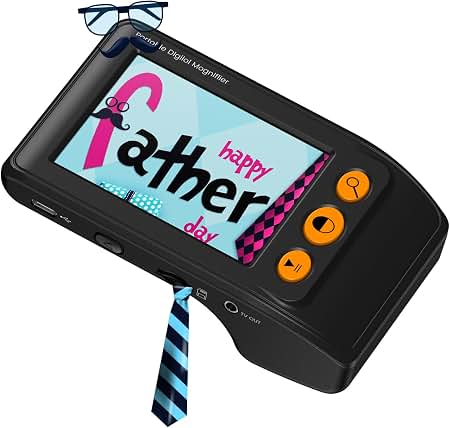
Quick Comparison
Reading glasses are often the simpler choice for everyday reading. They are light, portable, and need no battery.
An electronic magnifier offers more control. It can enlarge text on a screen and may provide useful display settings. This can help when ordinary glasses do not provide enough enlargement.
The key difference is simple: reading glasses change how the eyes focus, while an electronic magnifier enlarges the image.
Electronic Magnifier vs Reading Glasses At a Glance
Both options can help with small print, but they suit different reading needs.
| Feature | Electronic Magnifier | Reading Glasses |
|---|---|---|
| Magnification | Adjustable on many models | Fixed lens strength |
| Power | Usually needs a battery or power | No power needed |
| Portability | Varies by size | Very easy to carry |
| Controls | Buttons or switches | No controls |
| Learning curve | May take some practice | Very low |
| Screen | Built-in display | No screen |
| Reading distance | Depends on design | Works like normal glasses |
| Maintenance | Charging and screen care | Mainly lens cleaning |
| Best use | Strong enlargement | Everyday small print |
Electronic Magnifier Review for Seniors
An electronic magnifier can be helpful when standard reading glasses do not provide enough enlargement. It uses a camera and display to make text or objects appear larger.
The main advantage is control. Depending on the model, users may adjust magnification or change the display for easier viewing.
Ease of Use
Electronic magnifiers can be easy to use once the basic controls are understood.
However, they have more parts than reading glasses. A user may need to turn on the device, adjust the magnification, position the camera, and charge the battery.
Large buttons and a clear screen can make a big difference.
Key Strengths
- Provides strong visual enlargement
- May offer adjustable magnification
- Can help with very small print
- A screen can make text easier to view
- Some models offer useful display settings
- Can be useful for labels, books, and small objects
Potential Drawbacks
- Requires charging on many models
- More expensive than basic reading glasses
- Can take time to learn
- Screen size and controls vary
- Holding or positioning the device may become tiring during long use
Reading Glasses Review for Seniors
Reading glasses are a simple solution for people who need extra help with close-up text. They work without batteries, screens, or complicated controls.
Their biggest strength is simplicity. Put them on, read, and take them off when finished.
Ease of Use
Reading glasses have almost no learning curve. There are no buttons, menus, charging cables, or display settings.
They are also easy to carry. A pair can fit in a pocket, purse, bedside drawer, or reading area.
The main issue is choosing a suitable lens strength and having a comfortable fit.
Key Strengths
- Simple to use
- Lightweight
- No battery required
- Easy to carry
- Usually inexpensive
- Little maintenance
- Good for routine close-up reading
Potential Drawbacks
- Magnification is not adjustable
- May not enlarge text enough for some users
- Must stay in the correct position
- Lens strength needs to match the user’s needs
- May not offer screen-based contrast or display options
Which Is Easier for Seniors to Use?
For simple everyday reading, reading glasses usually require less effort.
There are no controls to learn and no battery to charge. This can be useful for someone who wants a straightforward reading tool.
An electronic magnifier may be easier for seniors who benefit from larger on-screen text and adjustable magnification. The trade-off is that the device may require more setup.
| Usability Area | Electronic Magnifier | Reading Glasses |
|---|---|---|
| Setup | Moderate | Very low |
| Controls | Required | None |
| Charging | Usually required | Not required |
| Carrying | Depends on model | Very easy |
| Learning curve | Moderate | Very low |
| Adjustment | Often available | Limited |
Performance Comparison
The two products solve the same basic problem in different ways.
Reading glasses improve close-up focus through lenses. An electronic magnifier enlarges what its camera sees on a display.
For normal books, newspapers, menus, and labels, reading glasses can be enough when the required lens strength is known.
For very small print, an electronic magnifier may offer more flexibility. Adjustable enlargement can make a noticeable difference when fixed-strength glasses are not enough.
However, performance depends on the individual product. Screen quality, camera quality, magnification range, and lighting can vary between electronic magnifiers.
Comfort, Accessibility, and Senior-Friendly Design
Comfort depends on how the product is used.
Reading glasses are usually easier to carry and can leave both hands free. They are also familiar to many users.
An electronic magnifier may be more useful when larger text is the priority. But the user may need to hold or position the device over the material.
For seniors with limited hand strength or dexterity, the design of the electronic magnifier matters. Large controls and a stable shape may make it easier to operate.
A product with more features is not automatically easier to use.
Features Comparison
The most useful features depend on the user’s reading habits.
| Feature | Electronic Magnifier | Reading Glasses |
|---|---|---|
| Adjustable enlargement | Often available | No |
| Display | Yes | No |
| Battery | Usually | No |
| Controls | Yes | No |
| Lens strength | Not the main feature | Main feature |
| Portability | Model dependent | Excellent |
| Contrast settings | May be available | No |
| Hands-free use | Depends on design | Yes |
Price, Maintenance, and Long-Term Value
Reading glasses usually have the lower upfront cost. They also have very few ongoing requirements.
Electronic magnifiers cost more because they include electronic components, a camera, and a display. Some also require charging or battery replacement.
Maintenance is simple for both options. Keep lenses and screens clean, and store the product safely when not in use.
For long-term value, think about how often the product will be used. A simple pair of reading glasses may offer excellent value for routine reading. An electronic magnifier may justify its higher cost when adjustable enlargement is important.
Who Should Choose an Electronic Magnifier?
Choose an electronic magnifier if:
- You need more enlargement than basic reading glasses provide.
- Adjustable magnification is useful.
- You prefer viewing enlarged text on a screen.
- You often read very small print.
- Display settings could make reading more comfortable.
- You are comfortable learning a few basic controls.
Who Should Choose Reading Glasses?
Choose reading glasses if:
- You want the simplest option.
- You mainly read books, menus, labels, or newspapers.
- You want something light and portable.
- You do not want to charge a device.
- You prefer a familiar reading tool.
- You want a lower-cost solution.
Electronic Magnifier vs Reading Glasses — Final Verdict
There is no single choice for every senior. Reading glasses are generally the simpler option for everyday close-up reading. They are lightweight, easy to carry, and require almost no setup.
An electronic magnifier makes more sense when adjustable enlargement is the main priority. It can provide a larger view and may offer display features that ordinary reading glasses cannot.
Best for Everyday Simplicity
Reading glasses
Best for Adjustable Enlargement
Electronic magnifier
Best for Portability
Reading glasses
Best for Extra Screen-Based Features
Electronic magnifier
The right choice depends on whether simplicity or greater visual control matters more.
Scoring Summary
Scores are useful only when they reflect the practical differences discussed above.
| Category | Electronic Magnifier | Reading Glasses |
|---|---|---|
| Ease of Use | 7/10 | 10/10 |
| Senior-Friendly Design | 8/10 | 9/10 |
| Magnification Flexibility | 10/10 | 6/10 |
| Maintenance | 7/10 | 10/10 |
| Portability | 7/10 | 10/10 |
| Everyday Value | 7/10 | 9/10 |
These scores are category-based comparisons, not medical ratings. Individual needs can change which option feels more practical.
How We Evaluate Products
This comparison focuses on practical factors that matter when seniors choose a reading aid.
We consider:
- Ease of use
- Magnification flexibility
- Comfort
- Accessibility
- Portability
- Maintenance
- Setup
- Everyday practicality
- Cost and long-term value
The comparison does not assume hands-on testing. Product features can also vary by model.
Senior-Specific Buying Considerations
A few simple checks can prevent an inconvenient purchase.
Magnification
Think about how much enlargement is actually needed. More magnification is not always better if it makes normal reading harder.
Controls
For an electronic magnifier, check whether buttons and settings are easy to understand.
Physical Effort
Consider whether the device needs to be held for long periods. A lightweight or stable design may be easier to manage.
Storage
Reading glasses are easy to store. Larger electronic magnifiers may need more space.
Setup
Check how much work is needed before reading. Simple setup can matter for daily use.
Safety
Keep electronic devices away from water and follow the manufacturer’s charging instructions. For significant vision concerns, an eye-care professional can help determine what type of visual aid is appropriate.
Common Buying Mistakes
Avoid these common mistakes when comparing the two options:
- Choosing only by price
- Buying more magnification than needed
- Ignoring device weight
- Forgetting charging requirements
- Overlooking button size and control layout
- Assuming every electronic magnifier works the same way
- Choosing reading glasses without considering the correct lens strength
Safety
Both options are generally simple to handle, but electronic magnifiers have additional battery and charging considerations.
Use the supplied charger and follow the manufacturer’s instructions. Do not use a damaged cable, battery, or device.
Reading glasses also should not be treated as a substitute for professional eye care. If vision changes suddenly or normal reading becomes unusually difficult, appropriate professional advice is important.
Conclusion
Electronic Magnifier vs Reading Glasses comes down to simplicity versus adjustable enlargement. Reading glasses are light, affordable, and easy to use for routine close-up reading.
Electronic magnifiers offer more control and can be useful when larger on-screen text is needed. Before choosing, consider the user’s reading habits, comfort, dexterity, portability needs, and the amount of enlargement required.
