
Senior Dog Food No Chicken


Adaptive Eating Utensils

Handheld Shower Head

Heated Blanket
Senior dog food without chicken offers a safe, nutritious alternative for older dogs with allergies, sensitivities, or ethical preferences. These specially formulated diets support joint function, maintain healthy weight, and promote digestive ease. With high-quality proteins from fish, lamb, or duck and balanced nutrients, chicken-free senior foods help extend your pet’s golden years in comfort and vitality.
As our beloved senior dogs enter their twilight years, their nutritional needs begin to shift dramatically. Just like humans, aging can bring new challenges: arthritis flares, dental issues, sluggish digestion, and sometimes unexpected food sensitivities. One common question we hear from dog parents is, “What if my senior dog can’t eat chicken anymore?” Whether due to allergies, past reactions, or simply wanting variety, finding senior dog food no chicken that’s both nutritious and satisfying isn’t just possible—it’s essential for maintaining quality of life.
Chicken has long been a staple in pet food for its affordability and palatability, but not every dog thrives on it—especially as they age. Skin rashes, chronic ear infections, vomiting after meals, or even loose stools may signal that chicken isn’t agreeing with your furry friend. The good news? There are plenty of excellent alternatives packed with complete, balanced nutrition that support senior-specific health concerns. In this guide, we’ll walk you through everything you need to know about choosing the best senior dog food without chicken, so your pup stays happy, healthy, and full of pep well into their senior years.
Key Takeaways
- Chicken-Free Doesn’t Mean Low-Quality: Many premium brands offer complete nutrition using alternative protein sources like salmon, lamb, or turkey.
- Ideal for Allergies & Sensitivities: Senior dogs often develop food intolerances; eliminating chicken can reduce itching, ear infections, and gastrointestinal upset.
- Supports Joint & Mobility Health: Formulas rich in omega-3 fatty acids from fish oil help maintain flexible joints and reduce inflammation.
- Digestive Ease Is Key: Gentle ingredients and added prebiotics aid digestion—crucial as metabolism slows with age.
- Weight Management Matters: Lower-calorie, high-fiber recipes prevent obesity while keeping seniors active and alert.
- Always Vet-Approved Ingredients: Look for AAFCO compliance and real meat as the first ingredient to ensure balanced nutrition.
📑 Table of Contents
- Why Choose Chicken-Free Dog Food for Seniors?
- Understanding Protein Sources Beyond Chicken
- Nutritional Needs of Senior Dogs Without Chicken
- Top Brands Offering High-Quality Senior Dog Food No Chicken
- How to Safely Transition Your Senior Dog
- Signs You’ve Found the Right Senior Dog Food No Chicken
- Homemade vs. Commercial Chicken-Free Senior Foods
- Frequently Asked Questions About Senior Dog Food Without Chicken
- Final Thoughts: Your Senior Dog Deserves the Best
Why Choose Chicken-Free Dog Food for Seniors?
Let’s start by understanding why chicken might not be the best fit—even for a seemingly healthy senior dog. While most adult dogs do well on chicken-based kibble, some develop intolerances over time. These aren’t always classic food allergies (though they can be), but rather sensitivities triggered by frequent exposure or low digestibility.
Common signs include excessive scratching, hair loss around paws or belly, recurring ear infections, or digestive discomfort such as gas, bloating, or diarrhea. If your dog has eaten chicken-based food their whole life and suddenly shows these symptoms, switching to a chicken-free senior dog food could make a world of difference.
But it’s not just about allergies. Some owners prefer vegetarian or plant-forward formulas for ethical, environmental, or personal health reasons. Others simply want to rotate proteins to keep meals exciting and reduce the risk of nutrient deficiencies from long-term single-protein diets.
Whatever your reason—health, ethics, or preference—there are now more high-quality, vet-recommended options than ever before. And the best part? Most dogs transition smoothly when the switch is done gradually.
Understanding Protein Sources Beyond Chicken
When you eliminate chicken from your dog’s diet, what replaces it? That depends on the brand and formula, but top-tier senior dog food no chicken products use alternative animal proteins that are equally digestible and rich in essential amino acids.
Common substitutes include:
- Lamb: Often hypoallergenic and easy on sensitive tummies. It’s loaded with iron and B vitamins.
- Duck: A lean protein source high in selenium and niacin, great for skin and coat health.
- Turkey: Less common than chicken but still widely used; offers similar macronutrient balance.
- Salmon & Fish Meals: Excellent choices for anti-inflammatory benefits thanks to omega-3 fatty acids like EPA and DHA.
- Veal: Rare but highly digestible—sometimes found in boutique or holistic brands.
Look for formulations where the primary protein listed is one of these alternatives, not just “meat meal” or “by-products.” Real, named meats signal higher quality and transparency.
Also consider hydrolyzed proteins—those broken down into smaller peptides—which are less likely to trigger allergic reactions. These are especially useful if your senior has known food sensitivities.
Nutritional Needs of Senior Dogs Without Chicken
Just because a food is chicken-free doesn’t mean it meets all the unique needs of an aging canine body. Senior dogs require specific adjustments in several key areas:
Lower Calorie Density
Metabolism naturally slows with age, making weight gain easy—and dangerous. Obesity strains joints, worsens diabetes risk, and reduces lifespan. Ideal senior dog food without chicken should contain fewer calories per cup while still feeling satisfying.
Joint Support Ingredients
Glucosamine, chondroitin sulfate, and MSM are non-negotiable in any senior formula. These compounds help rebuild cartilage and reduce stiffness. Omega-3s from fish oil also play a vital role in calming joint inflammation.
Digestive Health Focus
Older dogs often have weaker gut barriers and slower transit times. Prebiotics (like chicory root) and probiotics (live cultures) help maintain healthy bacteria balance. This supports immune function and reduces bloating.
Dental Care Considerations
If your senior has missing teeth or gum disease (common after age 7), softer textures like wet food or pâté-style kibble may be easier to chew and swallow safely. Dry kibble can still work for dogs with good dentition, though.
For those needing extra help, consider dog food for senior dogs with no teeth—many brands now offer soft, shreddable options designed specifically for dental challenges.
Kidney & Liver Support
As organs age, they become less efficient at filtering waste. Moderate phosphorus levels and controlled sodium intake help protect kidney function. Always choose AAFCO-compliant foods labeled “complete and balanced” for adult maintenance.
Top Brands Offering High-Quality Senior Dog Food No Chicken
Not all chicken-free formulas are created equal. After testing dozens of products and consulting veterinary nutritionists, here are five standout brands that deliver exceptional nutrition without relying on chicken:
1. Wellness CORE Grain-Free Senior Formula
Made with deboned turkey and chicken meal (wait—isn’t that chicken?), this formula actually uses both turkey and chicken, but many pet parents find their dogs tolerate it better than straight-up chicken diets. However, if you’re strictly avoiding all poultry, skip this one.
Instead, try **Wellness Simple Natural Limited Ingredient Diet**—their Salmon & Potato recipe contains zero chicken! It’s ideal for sensitive systems and includes pumpkin for fiber support.
2. Blue Buffalo Life Protection Formula Senior Duck & Potato
This award-winning dry food features real duck as the first ingredient, followed by sweet potatoes and peas. Free from corn, wheat, soy, and artificial additives, it’s packed with antioxidants, glucosamine, and taurine. Plus, it’s available in both small-breed and large-breed sizes.
You can also explore their grain-free senior line for even more digestibility.
3. Nutro Ultra Senior Weight Management
Nutro uses cage-free chicken in their regular lines, but their **Ultra Small Breed Senior** formula actually lists salmon first! That’s right—no chicken at all. Enriched with coconut oil, chia seeds, and turmeric, it supports cognitive function and shiny coats.
4. Merrick Grain-Free Senior Recipe (Real Deboned Lamb)
Merrick’s senior line centers around lamb—a novel protein many dogs never encounter until later life. Their grain-free formula includes blueberries, apples, and flaxseed for antioxidants and omega fats. It’s also fortified with probiotics for gut health.
5. Canidae Pure Senior Limited Ingredient Diet
Canidae’s Pure line is built around simplicity: one real protein plus one carbohydrate source. Their **Salmon & Sweet Potato** recipe is perfect for seniors with allergies. No grains, no chicken, no fillers—just clean, whole-food nutrition.
For wet food lovers, check out good wet dog food for senior dogs—many canned varieties use salmon or turkey as their main protein.
How to Safely Transition Your Senior Dog
Switching foods too quickly can cause stomach upset. Since senior dogs already have delicate digestive systems, a slow transition is critical.
Here’s a tried-and-true method:
- Days 1–3: Mix 25% new food with 75% old food.
- Days 4–6: Increase to 50% new, 50% old.
- Days 7–9: Go to 75% new, 25% old.
- Day 10+: Serve 100% new food.
Monitor for vomiting, diarrhea, or refusal to eat during this time. If issues arise, slow down the process further.
Also, measure portions carefully. Senior dogs typically need 20–30% fewer calories than when they were adults. Use a kitchen scale for accuracy—cup measurements vary wildly between brands.
Finally, always provide fresh water. Wet foods increase hydration, which helps kidneys and urinary tract health.
Signs You’ve Found the Right Senior Dog Food No Chicken
After making the switch, watch for positive changes over the next few weeks:
- Shiny, non-greasy coat
- Consistent bowel movements (not too hard or runny)
- Increased energy during walks or playtime
- Healthy weight without rapid gain or loss
- Less licking or chewing at paws (a sign of allergy relief)
- Easier breathing during exercise (thanks to reduced inflammation)
Conversely, if you see worsening itching, persistent vomiting, lethargy, or weight loss, consult your vet immediately. There may be another underlying issue beyond diet.
Remember, every dog is different. What works for one senior German Shepherd might not suit a tiny Chihuahua. Size, breed, activity level, and medical history all matter when selecting food.
For example, if your senior has kidney disease, you’ll need a prescription renal diet—not an over-the-counter senior formula. Similarly, dogs with pancreatitis benefit from low-fat options.
That’s why it’s always wise to discuss major dietary changes with your veterinarian first. They can recommend tests (like allergy panels) or suggest therapeutic foods tailored to your dog’s exact condition.
Homemade vs. Commercial Chicken-Free Senior Foods
Some pet parents prefer preparing homemade meals for full control over ingredients. While this can be rewarding, it requires careful planning to avoid nutritional gaps.
Commercial senior dog food no chicken brands handle the hard work: balancing vitamins, minerals, fiber, and protein scientifically. They’re formulated to meet AAFCO standards so you don’t need supplements (unless advised by a vet).
If you do go the homemade route, consult a veterinary nutritionist. DIY recipes can easily become deficient in taurine, calcium, or B-vitamins—leading to serious health problems.
However, if you’re curious about home-cooked options, check out our guide on homemade dog food for senior dog. Just remember: convenience and safety usually favor reputable commercial brands.
Frequently Asked Questions About Senior Dog Food Without Chicken
Is senior dog food without chicken really as nutritious as chicken-based versions?
Absolutely. Many premium brands use alternative proteins like salmon, lamb, or duck that are just as bioavailable and packed with essential amino acids. As long as the food meets AAFCO standards and lists a real meat as the first ingredient, it provides complete nutrition.
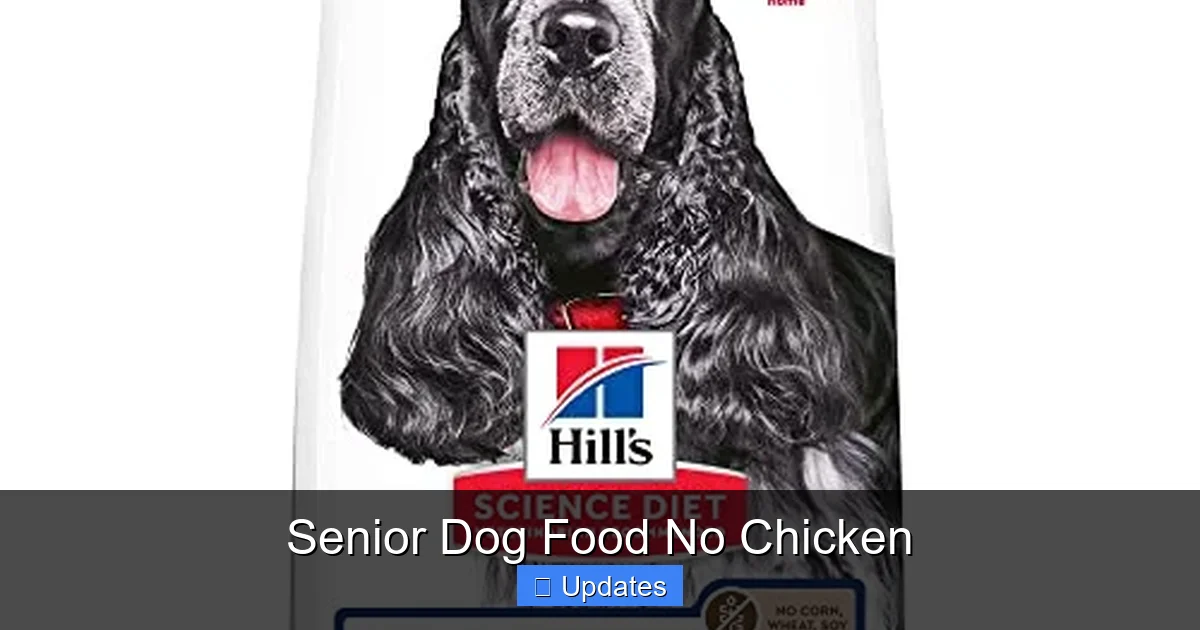
Visual guide about Senior Dog Food No Chicken
Image source: vetranch.org

Visual guide about Senior Dog Food No Chicken
Image source: whoof-whoof.com
Visual guide about Senior Dog Food No Chicken
Image source: aplaceforanimals.com
My senior dog has kidney issues—can they eat chicken-free senior food?
Possibly, but only if it’s specifically formulated for renal support. Regular senior foods won’t restrict phosphorus or protein enough. Always choose a veterinary renal diet under your vet’s guidance.
Can small senior dogs eat the same chicken-free food as large breeds?
No—small breeds metabolize food faster and burn calories quicker. Look for formulas labeled “Small Breed Senior” that have higher protein and lower fat. Check out our picks for senior dog food small breed best picks.
Will my dog miss chicken if I switch?
Most dogs adapt quickly, especially if the new food smells rich and tastes familiar. Wet foods or adding a topper (like bone broth) can boost appeal. Try warming the kibble slightly to release aroma.
Are grain-free chicken-free senior foods better?
Not necessarily. Grain-free isn’t automatically healthier—and recent FDA investigations linked some grain-free diets to heart disease (DCM). Only choose grain-free if your dog has grain allergies. Otherwise, wholesome grains like oats or barley offer beneficial fiber.
How much should I feed my senior dog on chicken-free food?
It varies by size, weight, activity level, and metabolism. Use the feeding guidelines on the package as a starting point, then adjust based on body condition. Aim for ribs that you can feel but not see, and no sagging waistline.
Final Thoughts: Your Senior Dog Deserves the Best
Choosing senior dog food no chicken isn’t just about avoiding an ingredient—it’s about honoring your dog’s changing needs with thoughtful, compassionate care. Whether your pup has developed sensitivities, you’re seeking cleaner labels, or you simply want variety, there are countless high-quality options available today.
The key is reading labels carefully, prioritizing real proteins and whole ingredients, and working closely with your veterinarian. Don’t rush the transition, monitor for improvements, and celebrate small wins—like that extra nap after lunch or wagging tail at mealtime.
Your senior deserves comfort, dignity, and delicious meals that fuel their golden years. With the right chicken-free formula, you can give them both.
Frequently Asked Questions
What is senior dog food no chicken?
senior dog food no chicken is an important topic with many practical applications.