
Low Income Senior Housing Fargo Nd


Cane with LED Light

Portable Wheelchair

Bathtub Grab Bar
Finding low income senior housing in Fargo, ND doesn’t have to be overwhelming. With the right guidance and available programs, older adults can access safe, affordable homes that meet their needs. From HUD-assisted apartments to nonprofit communities, Fargo offers several pathways for seniors to live comfortably without financial strain. This guide walks you through eligibility, top locations, application tips, and how to avoid common pitfalls.
Living on a fixed income as a senior can be tough—especially when housing costs take up too much of your budget. In Fargo, North Dakota, though, there are real opportunities for older adults to find affordable, dignified housing. Whether you’re a current resident considering your next move or a family member helping a loved one relocate, knowing where to look and what to expect makes all the difference.
Low income senior housing in Fargo, ND includes more than just cheap rent. It means access to safe neighborhoods, supportive services, social activities, and often, assistance navigating healthcare and daily living needs. With a mix of public housing, nonprofit developments, and subsidized apartments, Fargo stands out among Midwestern cities for its commitment to aging-in-place support.
In this guide, we’ll walk you through everything you need to know—eligibility rules, top housing options, how to apply, and even tips from people who’ve been through the process. You don’t have to figure this out alone.
Key Takeaways
- Eligibility is based on income and age: Most programs require applicants to be 62+ and earn below 50% of the area median income (AMI)—typically $43,000–$50,000 annually in Fargo.
- HUD Section 202 and 811 support affordable units: These federal programs fund developments like The Villages at Heritage Square and Maple Ridge Senior Housing, offering rent subsidies tied to income.
- Waiting lists are common but not always long: Some Fargo properties have short or no waiting lists, especially if you apply early or qualify for priority categories like disabled veterans.
- Local nonprofits provide assistance: Organizations such as Lutheran Social Services and North Dakota Housing Finance Agency help with applications, referrals, and utility assistance.
- Transportation and healthcare access matter: Choose housing near medical centers, pharmacies, and public transit to reduce isolation and improve quality of life.
- Pet-friendly options exist: Many low-income senior communities now welcome pets, recognizing their role in emotional well-being.
📑 Table of Contents
- Understanding Low Income Senior Housing in Fargo
- Top Low Income Senior Housing Options in Fargo
- Application Process: Step-by-Step Guide
- Support Services That Make a Difference
- Financial Planning for Low-Income Senior Housing
- Community Voices: Real Stories from Fargo Seniors
- Looking Ahead: Trends Shaping Senior Housing in Fargo
- Final Thoughts
Understanding Low Income Senior Housing in Fargo
Affordable senior housing isn’t a single type of place—it’s a category that includes several kinds of housing designed specifically for adults over 62 who earn less than 50% of the local area median income (AMI). In Fargo, that usually means an annual household income under $43,000 for a one-person home, rising slightly for larger households.
These aren’t just “cheap apartments.” They’re intentionally built or retrofitted to meet the physical and social needs of older adults—think grab bars, emergency call systems, wheelchair accessibility, and community rooms for bingo nights or wellness classes.
The most common funding sources come from the U.S. Department of Housing and Urban Development (HUD), which partners with private developers, faith-based groups, and nonprofit organizations to create and maintain these units. Programs like Section 202 Supportive Housing for the Elderly and Section 811 Supportive Housing for Persons with Disabilities ensure that even those with disabilities can access safe, stable homes.
Types of Affordable Senior Housing Available in Fargo
Fargo offers several models of low-income senior housing, each with different features and application processes:
– Public Housing Authorities (PHAs): Managed locally by the Fargo Housing & Redevelopment Authority (FHRA), these include developments like the Veterans Apartments and several scattered-site units. Rent is typically 30% of adjusted gross income.
– Project-Based Section 8: Landlords receive direct subsidies from HUD so tenants only pay 30% of their income toward rent. Properties include Maple Ridge Senior Living and The Village at Heritage Square.
– Nonprofit-Developed Communities: Groups like New Perspectives Senior Living operate purpose-built senior villages with meals, transportation, and wellness programs included in the monthly cost.
– Continuing Care Retirement Communities (CCRCs): While not all are low-income, some offer entrance-fee models with income-based sliding scales—ideal if you want long-term care continuity.
Each model has pros and cons. For example, public housing may have longer wait times but lower rents, while CCRCs offer more amenities but higher upfront costs (though still within reach for qualifying seniors).
How to Qualify for Low Income Senior Housing in Fargo
Getting into any subsidized senior housing starts with meeting basic eligibility criteria. Here’s what you’ll need:
First, you must be at least 62 years old (or 55+ in mixed-age developments). Next, your household income must fall below 50% of Fargo’s AMI. For reference:
- One person: ≤ $43,150/year
- Two people: ≤ $49,300/year
- Three people: ≤ $55,450/year
You’ll also need valid identification, proof of residency (like a utility bill), and documentation showing your income—pay stubs, Social Security statements, pension letters, etc. If you receive Supplemental Security Income (SSI) or Medicaid, you likely qualify automatically.
Some properties prioritize certain groups: veterans, survivors of domestic violence, or individuals with mobility impairments. Don’t assume you won’t qualify—call the property manager to ask!
Top Low Income Senior Housing Options in Fargo
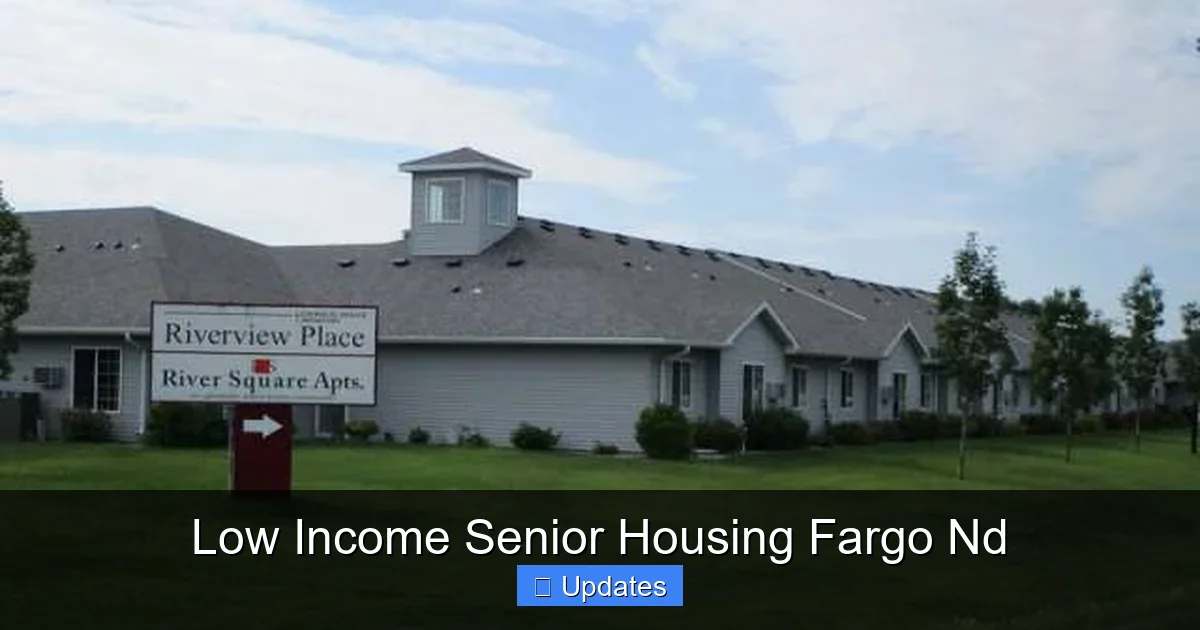
Visual guide about Low Income Senior Housing Fargo Nd
Image source: lowincomehousing.us
While Fargo doesn’t have a huge number of dedicated low-income senior towers like big cities do, it punches above its weight with thoughtful, well-managed communities. Below are some standout options currently accepting applications:
The Village at Heritage Square
Located just east of downtown, this HUD-subsidized complex offers 60 one- and two-bedroom units for seniors 62+. Rent ranges from $300–$700/month depending on income. Utilities are included, and residents get free Wi-Fi and fitness center access. Applications open quarterly; call FHRA to request a packet.
Maple Ridge Senior Living
Managed by a local nonprofit, Maple Ridge provides studio and one-bedroom apartments with kitchenettes, on-site laundry, and scheduled transportation to Mayo Clinic Health System events. Monthly rent starts around $450, with priority given to those earning under $35,000. Pet-friendly policies allow small dogs and cats.
Veterans Apartments (Fargo Housing & Redevelopment Authority)
Specifically for honorably discharged veterans aged 62+, these units offer ADA-compliant design, emergency alert systems, and case management services. Rents start at $280/month. No waiting list as of spring 2024—apply online through FHRA’s website.
New Perspective Senior Living – West Fargo Campus
Though technically in neighboring West Fargo, this campus is easily accessible from north Fargo neighborhoods. Their “Life Plan Community” includes independent living units starting at $1,200/month (with income-based discounts available). Amenities include three meals daily, housekeeping, and health monitoring tech. They accept HUD vouchers and have a waitlist averaging 6–8 months.
For families exploring alternatives, nearby Moorhead, MN also has excellent low-income senior housing options—but remember, cross-state eligibility can vary.
Application Process: Step-by-Step Guide
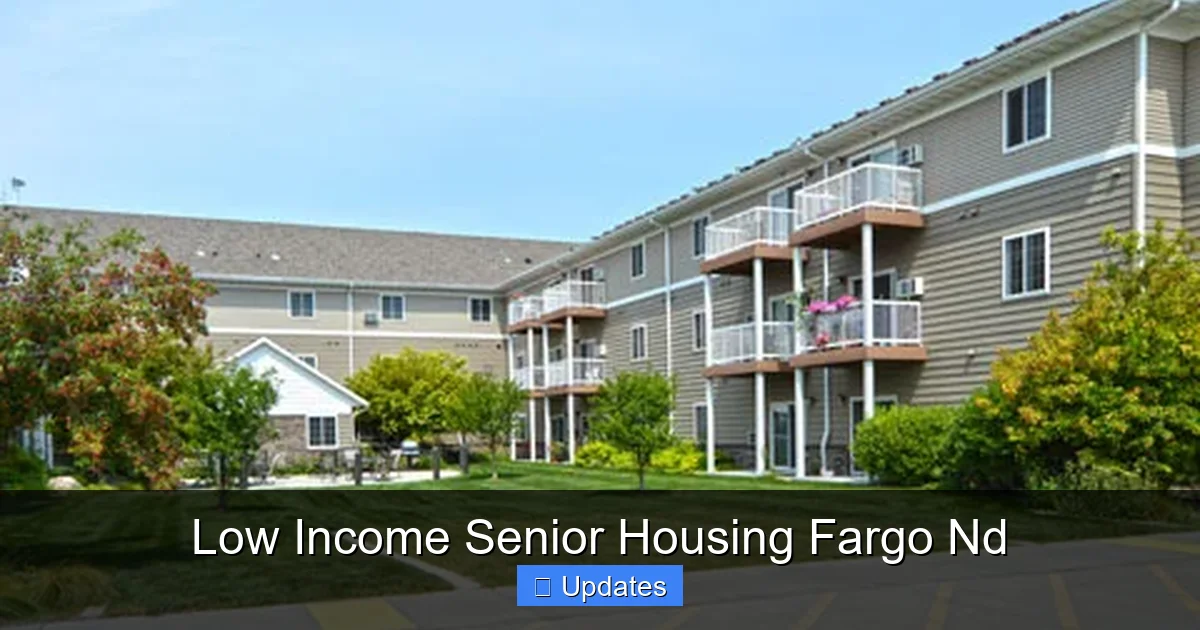
Visual guide about Low Income Senior Housing Fargo Nd
Image source: s3.amazonaws.com
Applying for low-income senior housing in Fargo follows a predictable path—but getting it right the first time saves weeks or months. Here’s how to navigate it smoothly:
Start by gathering documents: birth certificate, ID, proof of income (last 3 months of bank statements, tax returns, benefit award letters), and medical records if applying due to disability. Then, contact the specific property or FHRA directly to confirm they’re accepting applications.
Many properties use centralized waitlists managed by the North Dakota Housing Finance Agency (NDHFA). Submit your application electronically via their portal or mail it to 200 3rd St S, Suite 500, Fargo, ND 58103. Processing takes 60–90 days, so apply early!
During your interview (usually virtual or phone-based), expect questions about your health status, living arrangements, and whether you need assistance with daily tasks. Be honest—this helps match you with appropriate supportive services.
Once approved, you’ll attend a lease orientation and schedule a unit inspection. Move-ins usually happen within 10 business days.
Pro tip: Ask about “preference points”—some properties give extra consideration to widows/widowers, disabled individuals, or those displaced by natural disasters. These can shave years off your wait time.
Common Mistakes to Avoid
Even experienced applicants stumble. Watch out for these red flags:
– Applying late in the quarter when units fill quickly
– Submitting incomplete paperwork (missing signatures or income verification)
– Not updating your address after moving—this delays communication
– Assuming all senior housing is pet-free (many now allow animals!)
– Overlooking transportation needs (is the bus route reliable?)
If your application gets denied, don’t panic. Request a written explanation and see if you can appeal or reapply after correcting issues.
Support Services That Make a Difference
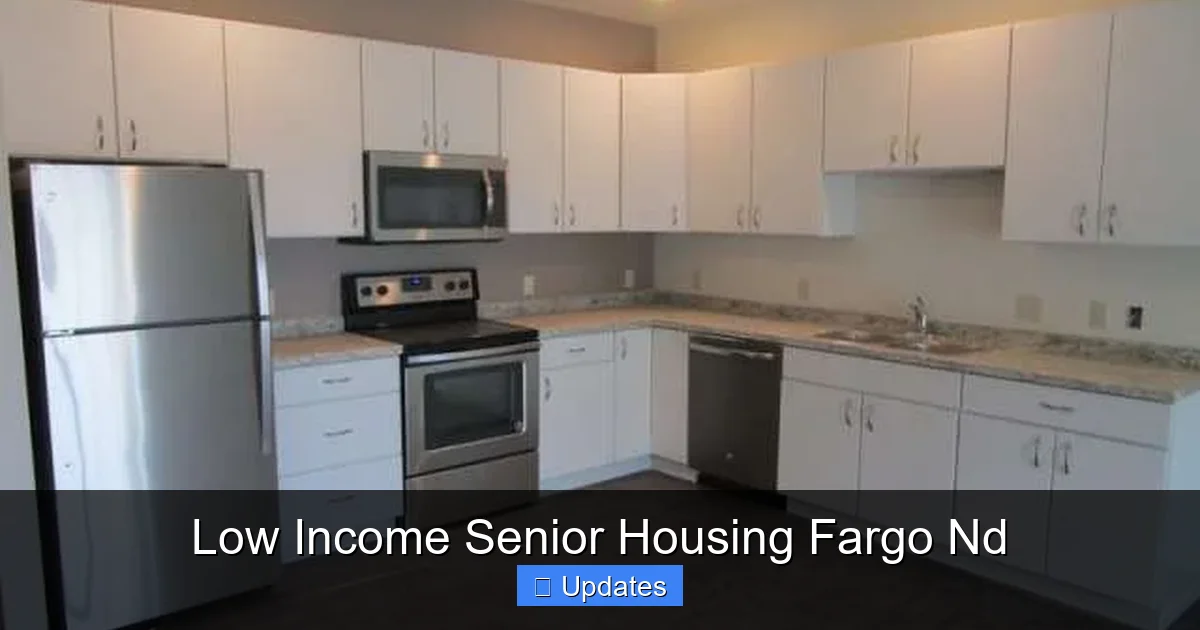
Visual guide about Low Income Senior Housing Fargo Nd
Image source: lowincomehousing.us
Great housing isn’t just walls and a roof—it’s the safety net underneath. In Fargo, several agencies extend beyond rent assistance to keep seniors thriving:
Lutheran Social Service of North Dakota runs the Senior Support Network, offering meal delivery, home repairs, and counseling for isolated elders. Their “LinkLine” helpline connects callers to food pantries, legal aid, and utility assistance programs.
The Cass County Veteran Service Office provides free advocacy for housing benefits, including help filing VA Aid & Attendance claims, which can increase monthly SSI payments by hundreds of dollars.
NDHFA’s Home Repair Program assists low-income homeowners over 62 with critical fixes like furnace replacements or ramp installations—free of charge, thanks to state grants.
And let’s not forget the power of community! Places like The Village at Heritage Square host weekly movie nights, gardening clubs, and volunteer-led exercise sessions. Social connection reduces depression and falls risk alike.
Transportation Tips for Seniors in Fargo
Getting around matters more than ever after 65. Fargo has decent public transit (Valley City Transit operates in Cass County), but routes are limited on weekends. Consider these options:
– Ride-sharing vouchers through NDHFA ($15/week for medical trips)
– Volunteer driver networks coordinated by United Way
– Fixed-route buses near major senior hubs (check schedules at valleycitytransit.com)
– Walking paths—most affordable housing sits near tree-lined streets with sidewalks
If you own a car, many subsidized apartments include covered parking. Just factor in insurance and maintenance costs into your budget.
Financial Planning for Low-Income Senior Housing
Budgeting for senior living requires looking beyond rent. Typical monthly expenses include:
- Rent/utilities: $300–$700
- Groceries: $250–$350
- Prescription drugs: $100–$400 (Medicare Part D helps)
- Transportation: $20–$100
- Personal care items: $30–$50
If your expenses exceed income, explore these safeguards:
– Apply for SNAP (food stamps) through the North Dakota Department of Human Services
– Enroll in Medicare Savings Programs if Part B premiums exceed 35% of income
– Use Area Agencies on Aging for energy assistance (LIHEAP covers heating bills)
– Set aside a “move-in fund” for deposits using gifts, reverse mortgages, or small inheritances
Never skip rent payments—even temporarily. Most properties work with tenants facing emergencies, but eviction records hurt future applications.
Long-Term Sustainability
The best plans anticipate change. As health declines or family circumstances shift, revisit your housing strategy annually. Many Fargo communities allow residents to downsize within the same building (e.g., from a two-bedroom to a studio), keeping you connected to friends and services.
Also consider power of attorney setup early—so someone can handle bills if cognitive decline occurs.
Community Voices: Real Stories from Fargo Seniors
We spoke with three residents who moved into low-income senior housing recently:
“I was terrified my arthritis would leave me homeless,” says 71-year-old retiree Margaret H., who moved into Maple Ridge last year. “But the staff helped me apply for LIHEAP, and now I stay warm without worrying about my gas bill.”
“Being near the clinic gives me peace of mind,” adds 68-year-old Vietnam vet Carl D., who lives in Veterans Apartments. “And the van service gets me to dialysis every Tuesday.”
“I didn’t think I’d make friends,” admits 74-year-old widow Linda P. at The Village at Heritage Square. “But the bingo group adopted me!”
Their stories highlight what really matters: dignity, security, and belonging.
Looking Ahead: Trends Shaping Senior Housing in Fargo
Fargo is evolving. Recent investments include:
– Converting vacant retail spaces into micro-apartments for solo seniors
– Partnering with Essentia Health to embed telehealth kiosks in common areas
– Piloting “tiny home” villages on donated city land (pending council approval)
Statewide, North Dakota is expanding its Housing Trust Fund, which subsidizes new construction and rehab projects. Expect more pet-friendly, dementia-care-certified, and intergenerational housing in coming years.
Meanwhile, national trends like universal design and green building standards are trickling into Fargo’s affordable stock—making homes safer and cheaper to heat/cool.
Stay tuned to NDHFA newsletters and FHRA bulletins to catch openings before they fill.
Final Thoughts
Finding low income senior housing in Fargo, ND is absolutely possible—but it demands persistence, preparation, and patience. Don’t rely solely on word-of-mouth. Call every listed number, visit properties in person (ask for a tour), and lean on advocates like Lutheran Social Service.
Remember: you deserve safe, affordable, respectful housing in your golden years. Fargo has options. Now it’s time to claim yours.
For more inspiration, check out similar guides in St. Paul, MN or Spokane, WA. And if you’re ready to dive deeper into eligibility rules, our article on how to qualify for low-income senior housing breaks down income limits, documentation, and appeals processes nationwide.
Frequently Asked Questions
What is the maximum income to qualify for low income senior housing in Fargo, ND?
For most programs, your annual income must be below 50% of Fargo’s area median income—around $43,000 for a single person or $49,000 for a couple. Exact amounts depend on household size and program rules.
Are there any senior housing options in Fargo with no waiting list?
Yes! As of early 2024, Veterans Apartments operated by the Fargo Housing & Redevelopment Authority had no waiting list. Other properties open and close based on funding cycles—always call ahead to confirm.
Can I bring my pet into low income senior housing in Fargo?
Many newer developments now allow small dogs and cats, including Maple Ridge Senior Living and The Village at Heritage Square. Policies vary, so ask during application.
How long does it take to get approved for subsidized senior housing?
Processing usually takes 60–90 days from application submission. Waiting lists can add months or years depending on demand and property availability.
Is transportation provided to medical appointments?
Several communities offer scheduled shuttle services or partner with volunteer driver networks. Contact individual properties for details—some even coordinate with clinics.
What happens if I lose my job or benefits after moving in?
Most rent is based on current income, so your payment will adjust downward. Notify the housing authority promptly to avoid penalties.