
Senior Dog Food for Weight Loss

Senior dogs often gain weight due to slower metabolism and reduced activity, but the right diet can make a big difference. Senior dog food for weight loss is specially formulated with fewer calories, higher protein, and essential nutrients to support lean muscle and joint health. These balanced meals help your furry friend stay at a healthy weight without feeling deprived or losing vital energy.
Key Takeaways
- Weight gain in older dogs is common due to decreased activity and hormonal changes, increasing risks like diabetes and arthritis.
- Senior dog food for weight loss typically has lower fat and calorie content while maintaining high-quality protein to preserve muscle mass.
- Key ingredients include fiber-rich vegetables, lean meats, omega-3 fatty acids, and joint-supporting supplements like glucosamine.
- Portion control and regular exercise are just as important as choosing the right food for effective weight management.
- Consult your veterinarian before switching diets, especially if your dog has underlying health conditions like kidney disease or heart issues.
- Look for AAFCO statements that confirm the food meets nutritional standards for adult maintenance or weight management.
As our beloved senior dogs age, their bodies go through a lot of changes. Just like humans, they slow down — both in metabolism and in daily activity levels. This natural decline can lead to unwanted weight gain, which isn’t just uncomfortable; it can seriously impact their quality of life. Joint pain, low energy, and even chronic conditions like diabetes become more likely when a dog carries extra pounds. That’s why finding the right senior dog food for weight loss becomes one of the most caring decisions you can make for your aging companion.
But here’s the thing: not all dog foods are created equal — especially when it comes to supporting older bodies. A regular adult formula might be too rich in fats and carbohydrates for a senior who doesn’t burn energy as quickly. The ideal senior dog food for weight loss balances nourishment with calorie control, giving your pup the nutrients they need without the empty calories that contribute to obesity. Think of it like upgrading from a standard sedan to a fuel-efficient hybrid — same destination, less strain on the body.
In this guide, we’ll walk you through everything you need to know about feeding your senior dog to help them shed those extra pounds safely and effectively. From understanding why weight gain happens in older dogs to spotting the best ingredients and brands, you’ll feel confident making choices that keep your dog healthy, happy, and full of life well into their golden years.
Key Takeaways
- Understanding senior dog food for weight loss: Provides essential knowledge
📑 Table of Contents
- Why Senior Dogs Gain Weight (And Why It Matters)
- What Makes Good Senior Dog Food for Weight Loss?
- Top Ingredients to Look For (And Avoid)
- Best Brands and Products for Senior Dogs Wanting to Lose Weight
- Practical Tips for Helping Your Senior Dog Lose Weight Safely
- Common Myths About Senior Dog Diets Debunked
- When to See a Veterinarian Before Switching Foods
- Conclusion: Investing in Your Dog’s Golden Years
Why Senior Dogs Gain Weight (And Why It Matters)
It’s easy to assume that if your dog seems fine — wagging tail, bright eyes, playful spirit — then they’re healthy. But appearances can be misleading, especially when it comes to weight. Many owners don’t realize that their once-slender dog has quietly crept up to an overweight or obese status by middle age or beyond. And yes, this is especially true for senior dogs.
So why does it happen? Several factors play a role. First, metabolism slows down naturally with age. Hormonal shifts, particularly related to thyroid function, can reduce how efficiently your dog burns calories. Second, many older dogs become less active — maybe they stop jumping on furniture, take shorter walks, or nap more frequently. Even small reductions in daily movement add up over time.
Another sneaky contributor is dietary changes. Owners often increase treats or table scraps as rewards for good behavior, not realizing these extras pack calories without much nutritional value. Or they switch to cheaper kibble thinking it’s cost-effective, only to find it’s high in fillers like corn and soy — ingredients that spike blood sugar but leave little behind in terms of actual nutrition.
Carrying excess weight isn’t just about looks. Obesity in senior dogs raises the risk of serious health problems including:
- Arthritis and joint stiffness, which make movement painful and further reduce activity
- Diabetes mellitus, where the body struggles to regulate blood sugar
- Heart disease, as the heart works harder to pump blood through excess tissue
- Liver dysfunction, because the organ has to process more toxins and waste
- Reduced immune response, making infections harder to fight off
The good news? With the right approach — especially switching to senior dog food for weight loss — you can reverse some of these risks and give your dog more comfortable, joyful days ahead.
What Makes Good Senior Dog Food for Weight Loss?
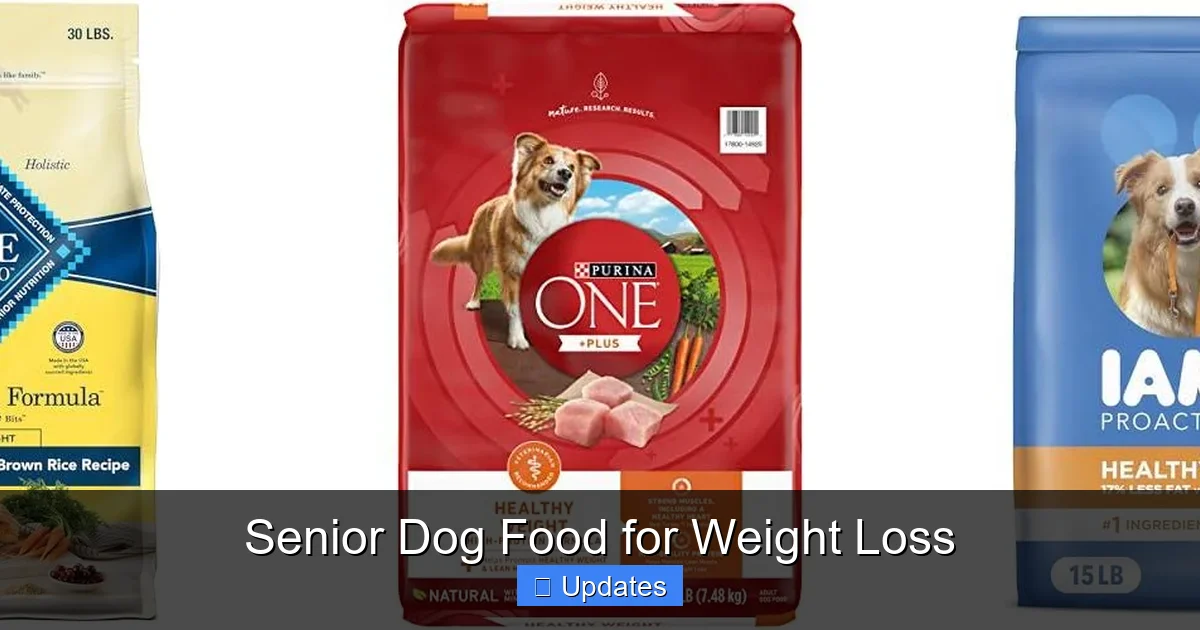
Visual guide about Senior Dog Food for Weight Loss
Image source: thebeloveddog.com
Not every bag labeled “for seniors” automatically qualifies as great for weight management. You’ll want to look closely at the ingredient list and guaranteed analysis. The best senior dog food for weight loss shares several key traits.
First, lower fat and moderate protein. While protein is essential for maintaining muscle mass (which helps metabolism), too much fat means more calories. Look for formulations under 12% fat in dry food or wet food with minimal added oils. High-quality animal protein should still be the first ingredient — think chicken, turkey, or fish — but avoid formulas where fillers like corn, wheat, or soy dominate.
Second, added fiber. Ingredients like pumpkin, beet pulp, or dried chicory root help your dog feel full without eating more calories. Fiber also supports digestion, which is crucial since many seniors develop sensitive stomachs or constipation issues.
Third, joint support ingredients. Chondroitin sulfate and glucosamine aren’t just for puppies — they help maintain cartilage and reduce inflammation in older joints. Omega-3 fatty acids from sources like salmon oil also cut down swelling and improve coat condition.
Finally, no artificial preservatives or colors. As dogs age, their livers and kidneys work harder to filter out chemicals. Clean, whole-food-based recipes are gentler on aging organs and reduce allergy triggers.
When shopping, always check the AAFCO statement on the back of the bag. It should say something like “Formulated for adult maintenance” or “Supports healthy weight management.” Avoid generic claims like “light” or “low calorie” unless they’re backed by specific nutrient profiles.
One helpful tip: compare calorie counts per cup or can. For example, a typical adult dog food might have 350–400 calories per cup, while a weight-loss formula usually clocks in around 250–300 calories — a significant drop that adds up fast. Pairing this with measured portions (and no free treats!) makes all the difference.
Top Ingredients to Look For (And Avoid)
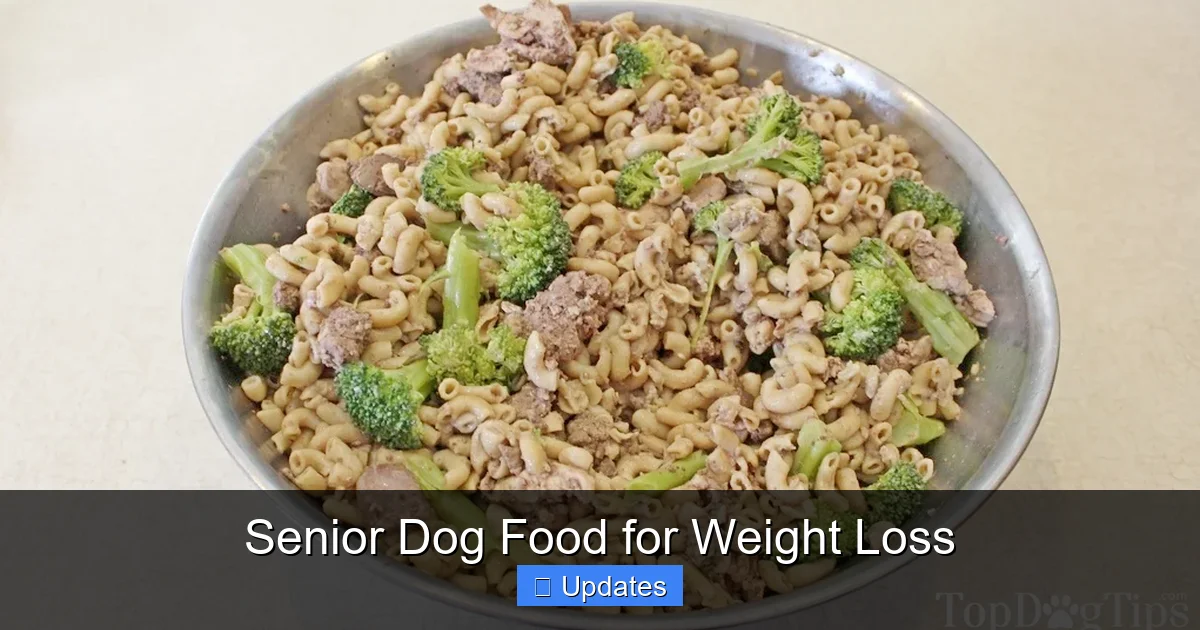
Visual guide about Senior Dog Food for Weight Loss
Image source: topdogtips.com
Understanding what goes into your dog’s bowl empowers you to make smarter choices. Let’s break down the good guys and the not-so-good ones.
The Good: Lean Proteins and Healthy Fats
Protein fuels your dog’s body and keeps muscles strong. In senior formulas designed for weight loss, look for named meat sources listed first — like “chicken meal” or “salmon.” These are concentrated, digestible proteins that provide amino acids without excess fat. Some brands even use duck, rabbit, or lamb for variety and allergy relief.
Healthy fats come from fish oil (rich in EPA and DHA) or flaxseed. They support skin, coat, brain health, and anti-inflammatory responses. Just remember: less is more when it comes to total fat percentage.
The Good: Fiber-Rich Vegetables
Fiber helps regulate digestion and keeps blood sugar stable. Canned pumpkin (not pie filling!), sweet potatoes, peas, and lentils are excellent additions. They bulk up meals so your dog feels satisfied with smaller portions.
The Good: Joint-Support Supplements
Glucosamine hydrochloride and chondroitin sulfate appear in many senior dog food for weight loss formulas. These compounds help rebuild cartilage and ease discomfort from osteoarthritis — a common issue in older dogs. If your dog limps after naps or hesitates to climb stairs, this could be a game-changer.
The Not-So-Good: Fillers and Empty Calories
Corn, wheat, and soy are cheap fillers that offer little nutritional value. They’re often included simply to stretch the product and increase volume. Worse, they can trigger allergies or digestive upset, especially in sensitive seniors.
Added sugars (like molasses or corn syrup) are another red flag. They spike insulin levels and encourage fat storage. Always scan labels for hidden sweeteners.
The Not-So-Good: Excessive Sodium and Preservatives
Too much salt stresses the kidneys, which are already working overtime filtering waste. Artificial preservatives like BHA, BHT, and ethoxyquin may be linked to long-term health concerns. Opt for natural alternatives like mixed tocopherols (vitamin E) or rosemary extract.
By focusing on clean, nutrient-dense ingredients, you set your dog up for success. And when combined with proper feeding practices, these wholesome foods can turn the tide on unwanted pounds.
Best Brands and Products for Senior Dogs Wanting to Lose Weight
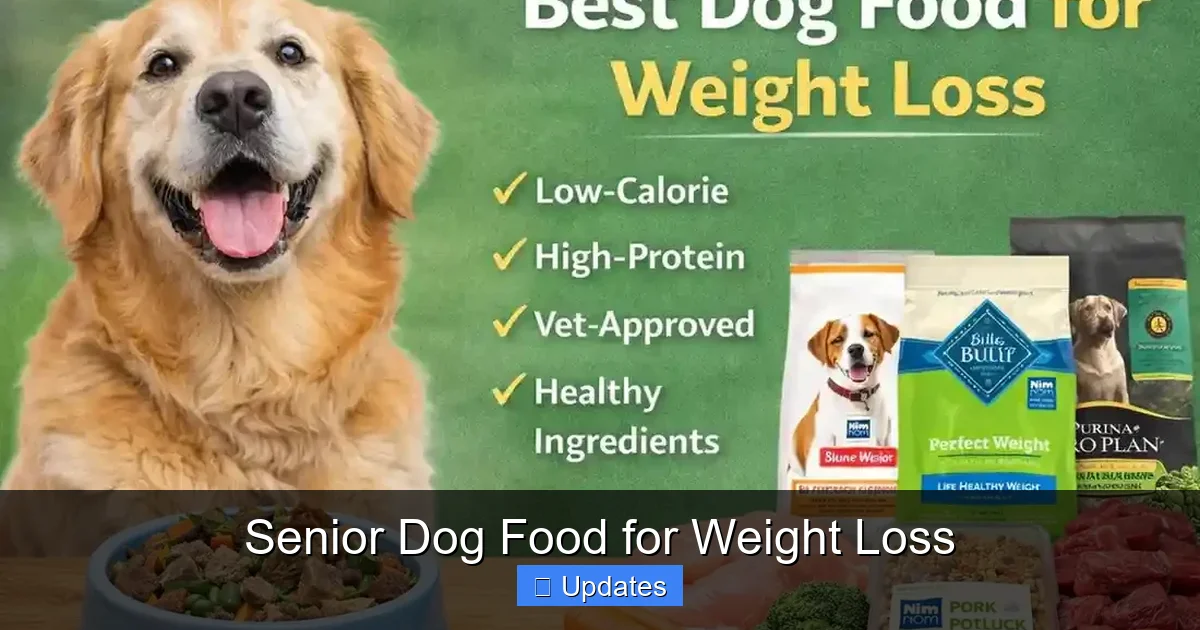
Visual guide about Senior Dog Food for Weight Loss
Image source: dogfoodguides.com
With so many options on the market, narrowing down the best senior dog food for weight loss can feel overwhelming. We’ve reviewed dozens of products based on ingredient quality, palatability, and real-world results from pet parents and vets alike.
Here are five standout brands worth considering:
Royal Canin Veterinary Diet Canine Weight Control: Formulated by veterinarians, this prescription-style food delivers precise calorie control and high fiber for satiety. It’s available only through vets, so you’ll need a consultation first. Great for dogs needing structured medical supervision.
Hill’s Science Diet Adult 7+ Light: A trusted name in veterinary nutrition, Hill’s packs in lean protein and reduced fat while supporting joint health. Their “Light” line includes both dry and wet options with consistent quality across batches.
Purina Pro Plan True Nature Adult 7+ Weight Management: Uses real salmon and turkey as top ingredients, plus probiotics for gut health. Affordable and widely available, making it a solid everyday choice.
Blue Buffalo Life Protection Formula Senior Chicken & Brown Rice Recipe: Though not specifically labeled “weight loss,” this formula is lower in fat than many others and includes glucosamine. Ideal if you prefer a brand known for transparency and natural ingredients.
Wellness CORE Grain-Free Reduced Fat Formula: Perfect for dogs sensitive to grains or with food allergies. High in protein from cage-free turkey and duck, yet still under 10% fat. Also features taurine for heart health.
Remember, even the best senior dog food for weight loss won’t work miracles overnight. Consistency matters most — stick with the transition period (usually 7–10 days mixing old and new food gradually), measure portions, and resist the urge to supplement with extra treats.
For small breed seniors, consider best dry dog food for small senior dogs, as their metabolic rates differ from larger breeds. And if dental issues make chewing hard, best soft dog food for senior dogs might be a better option.
Practical Tips for Helping Your Senior Dog Lose Weight Safely
Switching foods is only half the battle. Here’s how to create an environment where weight loss actually happens — and stays off.
Measure Portions Accurately
Use a kitchen scale instead of eyeballing cups. Overfeeding is the #1 reason weight-loss diets fail. Most vets recommend feeding based on ideal body weight, not current size. Ask your vet how much your dog *should* weigh, then adjust accordingly.
Stick to Scheduled Feeding Times
Free-feeding (leaving food out all day) encourages mindless snacking. Instead, offer two or three measured meals daily. This gives your dog structure and prevents grazing.
Replace Treats with Low-Calorie Options
If you must reward good behavior, choose treats under 5 calories each. Carrot sticks, green beans, or small pieces of apple (without seeds) make excellent substitutes. Alternatively, try puzzle toys filled with kibble — they’re mentally stimulating and physically engaging!
Increase Gentle Exercise Gradually
Short, frequent walks are better than long hikes your dog may struggle with. Aim for 10–15 minutes twice daily, adjusting based on mobility. Swimming is fantastic for arthritic dogs since it’s low-impact.
Monitor Progress Weekly
Weigh your dog every week on the same scale at the same time. A healthy rate is about 1–2% of body weight per week. If progress stalls, consult your vet — sometimes underlying conditions need attention.
Stay Patient and Positive
Weight loss takes time, especially for seniors. Celebrate small victories — a relaxed jaw during chewing, easier stair climbing, or a wag of the tail after walks. Your encouragement means everything.
And never skip the vet visit! Before starting any diet change, rule out illnesses like hypothyroidism or cancer, which can mimic weight gain symptoms.
Common Myths About Senior Dog Diets Debunked
There’s a lot of misinformation out there about feeding older dogs. Let’s clear up a few myths so you can focus on what really works.
Myth #1: Older dogs need more calories.
False. While younger dogs burn energy faster, seniors often require fewer calories. Extra food leads to fat accumulation, not vitality.
Myth #2: Grain-free is always healthier.
Not necessarily. Unless your dog has a diagnosed grain allergy, grains like brown rice provide fiber and B vitamins. Some grain-free diets use potatoes or legumes as fillers, which aren’t inherently bad but aren’t superior either. Focus on overall ingredient quality, not just the absence of grains.
Myth #3: Wet food causes obesity.
Only if portions aren’t controlled. Wet food has more moisture and fewer fillers, so it’s often more satisfying with less volume. Pair it with measured amounts, and it’s a great tool for weight management.
Myth #4: All “senior” foods are the same.
Nope. Some senior blends are packed with calories and fat, meant for active retirees, not dogs needing to slim down. Always read the label and compare calorie counts.
Myth #5: Dogs will starve themselves on low-calorie food.
Most dogs adapt quickly and appreciate the flavorful, nutrient-rich formulas made for seniors. If your dog refuses the food, try warming it slightly or adding a tiny amount of low-sodium broth.
By steering clear of these myths, you’ll make informed choices that truly benefit your dog’s health.
When to See a Veterinarian Before Switching Foods
Even though senior dog food for weight loss is generally safe, there are times when professional advice is essential.
If your dog has been diagnosed with:
- Kidney disease — requires lower phosphorus and protein restrictions
- Heart disease — needs sodium-limited diets
- Diabetes — demands careful carbohydrate monitoring
- Cancer — may need appetite stimulants alongside weight management
Your vet can recommend therapeutic diets tailored to these conditions. Never self-prescribe without guidance.
Also schedule a check-up if your dog:
- Has lost more than 10% of body weight in a month
- Shows signs of lethargy, vomiting, or diarrhea
- Has trouble swallowing or eating less than usual
A physical exam and lab tests (like bloodwork) ensure your dog is healthy enough for a diet change and help identify any hidden issues.
Remember, your vet isn’t just checking boxes — they’re partnering with you to keep your dog thriving. Open communication builds trust and leads to better outcomes.
Conclusion: Investing in Your Dog’s Golden Years
Choosing the right senior dog food for weight loss isn’t just about shedding pounds — it’s about investing in comfort, mobility, and longevity. Every decision you make today shapes how your dog experiences their twilight years. Will they struggle with stiff joints and low energy, or glide through life with zest and joy?
The path forward starts with awareness. Understand why weight gain happens in seniors, recognize the warning signs, and commit to clean nutrition paired with gentle movement. It’s not always easy — measuring food, resisting treats, and waiting for results — but the payoff is priceless.
And don’t forget: you’re not alone. Whether you’re exploring grain-free dog food for senior dogs due to sensitivities or looking into fresh dog food for senior dogs for optimal nutrition, there’s a wealth of resources and supportive communities ready to help.
Your senior dog deserves dignity, happiness, and the freedom to enjoy each day. With patience, love, and the right tools — including the perfect senior dog food for weight loss — you can make that vision a reality. After all, they’ve given you a lifetime of loyalty. Now it’s your turn to return the favor.
Frequently Asked Questions
Is senior dog food for weight loss safe for all breeds?
Yes, most high-quality senior dog food for weight loss is safe across breeds. However, small breeds like Chihuahuas may need smaller kibble sizes, so consider best dog food for senior chihuahua for tailored options.
How long does it take for my senior dog to lose weight on this food?
Most dogs see initial progress within 4–6 weeks. Sustainable weight loss averages 1–2% of body weight weekly. Pair the food with portion control and light exercise for best results.
Can I mix wet and dry senior dog food for weight loss?
Absolutely. Combining wet and dry food enhances hydration and satisfaction. Just adjust portions to match total calorie intake — use tools like wet food for senior dogs guides to balance meals.
Are grain-free senior dog foods better for weight loss?
Grain-free isn’t automatically superior unless your dog has allergies. Focus on low-fat, high-fiber recipes regardless of grain content. Check best grain free senior dog food reviews for balanced choices.
Should I feed my senior dog more or less of the weight-loss food?
Always follow feeding guidelines based on your dog’s ideal weight, not current size. Overfeeding defeats the purpose. Consult your vet to calculate correct portions.
What if my senior dog refuses the new weight-loss food?
Try warming the food, adding a splash of low-sodium broth, or transitioning slowly over 7–10 days. If refusal continues, ask your vet about senior dog throwing up undigested food possibilities or flavor enhancers.
