
Why Is My Senior Dog Losing Weight but Still Eating


Button Hook Dressing Aid
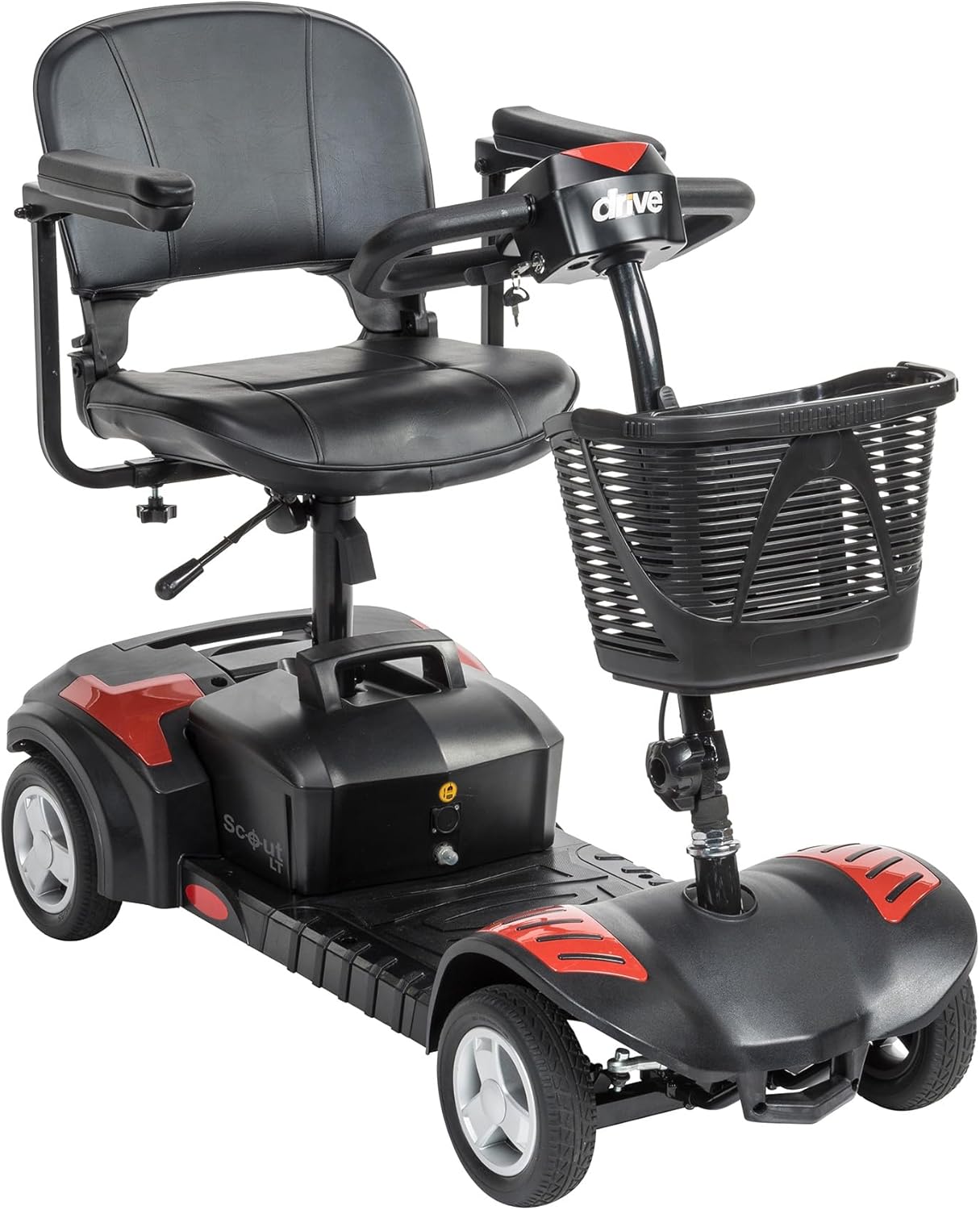
Electric Mobility Scooter

Reacher Grabber Tool
If your senior dog is losing weight despite eating normally, it’s a red flag that shouldn’t be ignored. While aging naturally slows metabolism, unexplained weight loss can signal serious health issues like kidney disease, diabetes, or cancer. Early detection and veterinary care are key to helping your aging pup live a longer, healthier life.
Key Takeaways
- Unexplained weight loss in senior dogs is not normal and requires veterinary attention. Even if your dog is eating well, losing weight can indicate an underlying medical condition.
- Common causes include dental problems, organ disease, diabetes, cancer, and hyperthyroidism. These conditions affect nutrient absorption or increase metabolic demands.
- Dental pain can make eating uncomfortable, leading to reduced food intake over time. Check for bad breath, drooling, or difficulty chewing.
- Chronic diseases like kidney or liver failure often present with weight loss as an early symptom. Blood and urine tests are essential for diagnosis.
- Increased appetite with weight loss may point to diabetes or hyperthyroidism. Monitor water intake and urination frequency.
- Regular vet checkups every 6 months are crucial for senior dogs. Early detection improves treatment outcomes and quality of life.
- Adjusting diet and feeding routine can help manage weight loss. High-calorie, easily digestible foods may support your dog’s nutritional needs.
📑 Table of Contents
Why Is My Senior Dog Losing Weight but Still Eating?
It’s a quiet afternoon. You’re petting your senior dog, Max, and suddenly notice his ribs are more prominent than they used to be. You check his food bowl—it’s empty, just like every day. He’s still eating, maybe even with enthusiasm, but he’s clearly losing weight. Your heart sinks. What’s going on?
This is a common concern among pet parents with aging dogs. Weight loss in senior dogs—especially when they’re still eating—can be confusing and worrying. While it’s true that older dogs may naturally slow down and lose a little muscle mass, significant or rapid weight loss is never normal. It’s often a sign that something deeper is happening inside your dog’s body.
As dogs age, their metabolism changes, their activity levels drop, and their bodies become less efficient at processing nutrients. But when weight loss occurs despite a good appetite, it’s time to pay attention. This isn’t just about getting older—it’s about health. The good news? Many of the causes are treatable, especially when caught early. The key is understanding what might be going on and knowing when to seek help.
In this guide, we’ll explore the most common reasons why senior dogs lose weight while still eating, what symptoms to watch for, and how you can support your aging companion through diagnosis and treatment. Whether it’s a dental issue, a hormonal imbalance, or a chronic disease, knowledge is your best tool. Let’s dive in.
Common Medical Causes of Weight Loss in Senior Dogs

Visual guide about Why Is My Senior Dog Losing Weight but Still Eating
Image source: toegrips.com
When your senior dog is eating but still losing weight, the root cause is often medical. The body is either not absorbing nutrients properly, burning calories faster than usual, or dealing with a condition that increases energy demands. Let’s look at the most common culprits.
Dental and Oral Health Problems
One of the most overlooked causes of weight loss in older dogs is dental disease. By age seven, over 80% of dogs have some form of periodontal disease. Tartar buildup, gum inflammation, loose teeth, or abscesses can make chewing painful. Even if your dog seems to eat, he might be swallowing food whole or avoiding certain textures.
For example, a 12-year-old Labrador named Buddy started losing weight despite eating his kibble. His owner noticed he was chewing only on one side and drooling more than usual. A vet visit revealed severe gum disease and three infected teeth that needed extraction. After the procedure and a soft-food diet, Buddy gained back the weight and started enjoying meals again.
Signs to watch for:
– Bad breath
– Drooling
– Pawing at the mouth
– Reluctance to eat hard food
– Blood in saliva or on toys
Regular dental cleanings and at-home brushing can prevent many of these issues. If your dog is avoiding food or showing discomfort, a dental checkup should be your first step.
Kidney Disease
Chronic kidney disease (CKD) is common in senior dogs and often develops slowly. The kidneys filter waste from the blood, but as they fail, toxins build up, leading to nausea, loss of appetite, and weight loss. Interestingly, some dogs with early CKD still eat well but lose muscle mass because their bodies can’t use nutrients efficiently.
Kidney disease also causes increased thirst and urination. You might notice your dog drinking more water and needing to go out more often. Blood and urine tests can detect elevated waste products like creatinine and BUN, signaling kidney dysfunction.
While CKD can’t be cured, it can be managed with a special low-protein, low-phosphorus diet, hydration support, and medications. Early intervention can slow progression and improve quality of life.
Liver Disease
The liver plays a vital role in digestion, detoxification, and metabolism. When it’s not functioning properly, dogs may lose weight even if they’re eating. Liver disease can be caused by infections, toxins, cancer, or congenital issues.
Symptoms include:
– Jaundice (yellowing of eyes or gums)
– Vomiting or diarrhea
– Abdominal swelling
– Lethargy
– Increased thirst
Diagnosis involves blood tests (like ALT and ALP), ultrasound, and sometimes a biopsy. Treatment depends on the cause but may include medications, dietary changes, and supplements like SAM-e or milk thistle.
Diabetes Mellitus
Diabetes in dogs occurs when the body can’t regulate blood sugar due to insufficient insulin. One classic sign is increased hunger (polyphagia) paired with weight loss. Your dog may eat ravenously but still lose muscle mass because his cells aren’t getting the glucose they need for energy.
Other symptoms include:
– Excessive thirst and urination
– Lethargy
– Cloudy eyes (in advanced cases)
– Recurrent infections
Diabetes is diagnosed through blood and urine tests showing high glucose levels. It’s managed with daily insulin injections, a consistent diet, and regular monitoring. With proper care, diabetic dogs can live full, happy lives.
Hyperthyroidism (Rare but Possible)
While hyperthyroidism is more common in cats, it can occasionally affect dogs—usually due to a thyroid tumor. The thyroid gland produces hormones that regulate metabolism. When overactive, it speeds up bodily functions, leading to weight loss despite a ravenous appetite.
Other signs include:
– Restlessness or hyperactivity
– Rapid heart rate
– Vomiting or diarrhea
– Increased vocalization
Diagnosis is confirmed with a blood test measuring thyroid hormone levels. Treatment may involve surgery, radiation, or medication, depending on the tumor type.
Cancer
Cancer is a leading cause of death in senior dogs, and weight loss is a common early sign. Tumors can increase metabolic demands, release inflammatory chemicals, or interfere with organ function. Some cancers, like lymphoma or pancreatic cancer, directly affect digestion and nutrient absorption.
Other symptoms vary by type but may include:
– Lumps or swelling
– Persistent lameness
– Difficulty breathing
– Changes in appetite or behavior
Early detection is critical. Regular vet visits, blood work, and imaging (like X-rays or ultrasounds) can help catch cancer before it spreads. Treatment options include surgery, chemotherapy, and palliative care.
Digestive and Absorption Issues

Visual guide about Why Is My Senior Dog Losing Weight but Still Eating
Image source: t2.ea.ltmcdn.com
Even if your dog is eating, his body might not be absorbing nutrients properly. This can happen due to problems in the digestive tract.
Exocrine Pancreatic Insufficiency (EPI)
EPI occurs when the pancreas doesn’t produce enough digestive enzymes. Without these enzymes, fats, proteins, and carbs can’t be broken down, leading to malnutrition and weight loss. Dogs with EPI often have large, greasy stools and may eat their own feces (coprophagia) to try to get missing nutrients.
Breeds like German Shepherds are predisposed, but it can affect any dog. Diagnosis involves a blood test (TLI assay). Treatment includes daily enzyme supplements added to food and a highly digestible diet.
Inflammatory Bowel Disease (IBD)
IBD is a chronic inflammation of the intestines that interferes with nutrient absorption. It’s often caused by food sensitivities, infections, or immune system issues. Symptoms include:
– Chronic diarrhea or soft stools
– Vomiting
– Weight loss
– Gas or bloating
Diagnosis usually requires a biopsy via endoscopy or surgery. Treatment involves dietary changes (like novel protein or hydrolyzed diets), anti-inflammatory drugs, and probiotics.
Intestinal Parasites
Though more common in puppies, senior dogs can still get parasites like hookworms, roundworms, or giardia—especially if they’ve been exposed to contaminated environments. These parasites steal nutrients and can cause weight loss, diarrhea, and a dull coat.
A fecal exam can detect parasites. Treatment involves deworming medications and preventive care.
Hormonal and Metabolic Changes

Visual guide about Why Is My Senior Dog Losing Weight but Still Eating
Image source: dogsnpawz.com
As dogs age, their hormone levels shift, which can affect weight regulation.
Cushing’s Disease (Hyperadrenocorticism)
Cushing’s disease occurs when the body produces too much cortisol, a stress hormone. It’s often caused by a tumor in the pituitary gland or adrenal glands. Symptoms include:
– Increased thirst and urination
– Pot-bellied appearance
– Hair loss
– Muscle weakness
– Weight loss (despite increased appetite)
Diagnosis involves blood tests like the ACTH stimulation test or low-dose dexamethasone suppression test. Treatment may include medication to regulate cortisol or surgery if a tumor is present.
Hypothyroidism (Less Likely with Weight Loss)
Hypothyroidism, or underactive thyroid, usually causes weight gain, lethargy, and skin issues. However, in rare cases, it can lead to muscle wasting and weight loss, especially if left untreated for a long time. Blood tests can confirm low thyroid hormone levels. Treatment involves daily thyroid hormone replacement.
Behavioral and Environmental Factors
Not all weight loss is medical. Sometimes, emotional or environmental changes play a role.
Stress and Anxiety
Moving to a new home, the loss of a companion (human or animal), or loud noises (like fireworks) can cause stress in senior dogs. This may lead to reduced food intake or digestive upset, contributing to weight loss.
Creating a calm, predictable routine and using calming aids (like pheromone diffusers or anxiety wraps) can help.
Reduced Activity and Muscle Loss
As dogs age, they naturally lose muscle mass (a condition called sarcopenia). Even if they’re eating, less muscle means lower body weight. Regular, gentle exercise like short walks or swimming can help maintain muscle tone.
Competition for Food
In multi-dog households, a senior dog might be bullied away from the food bowl. Observe meal times to ensure your older dog is eating without interruption.
When to See a Veterinarian
If your senior dog is losing weight—even if he’s still eating—it’s time to see a vet. Don’t wait for other symptoms to appear. Early diagnosis can make a huge difference in treatment success.
Schedule a vet visit if you notice:
– Weight loss of more than 10% of body weight
– Visible ribs, spine, or hip bones
– Changes in appetite, thirst, or bathroom habits
– Lethargy, vomiting, or diarrhea
– Bad breath or dental issues
Your vet will likely perform a full physical exam, blood work (CBC, chemistry panel), urinalysis, and possibly imaging (X-rays or ultrasound). These tests help pinpoint the cause and guide treatment.
How to Support Your Senior Dog’s Health
Once you’ve identified the cause, there are steps you can take to help your dog regain weight and feel better.
Adjust the Diet
Switch to a high-calorie, nutrient-dense senior dog food. Look for options with:
– High-quality protein (like chicken, turkey, or fish)
– Healthy fats (like fish oil or flaxseed)
– Easily digestible carbs (like sweet potato or rice)
– Added vitamins and minerals
If your dog has a medical condition, your vet may recommend a prescription diet (e.g., renal support, diabetic formula).
Feed Smaller, More Frequent Meals
Instead of one or two large meals, try feeding 3–4 smaller portions throughout the day. This can ease digestion and encourage eating.
Add Appetite Stimulants or Toppers
Warm the food slightly to enhance smell. Add low-sodium broth, cooked egg, plain yogurt, or a small amount of canned food to make meals more appealing.
In some cases, your vet may prescribe appetite stimulants like mirtazapine.
Encourage Hydration
Dehydration worsens many conditions. Offer fresh water at all times, or try a pet water fountain. For dogs with kidney disease, subcutaneous fluids may be recommended.
Maintain a Routine
Senior dogs thrive on consistency. Feed, walk, and medicate at the same times each day to reduce stress.
Monitor Weight and Symptoms
Weigh your dog weekly using a pet scale or visit your vet for regular checks. Keep a journal of food intake, energy levels, and any changes.
Conclusion
Seeing your senior dog lose weight can be heartbreaking, but it’s not a sentence. With the right care, many conditions causing weight loss are manageable—or even reversible. The key is acting early.
Remember, your dog can’t tell you when something’s wrong. It’s up to you to notice the signs: a thinner frame, a dull coat, or a change in behavior. Don’t dismiss weight loss as “just aging.” It’s often the first clue that your dog needs help.
Schedule a vet visit, follow through with testing, and work closely with your veterinarian to create a care plan. With love, attention, and the right treatment, your senior dog can enjoy his golden years with strength, comfort, and joy.
You’re not alone in this journey. Millions of pet parents face similar challenges. But by staying informed and proactive, you’re giving your dog the best possible chance at a healthy, happy life.
Frequently Asked Questions
Is it normal for senior dogs to lose weight?
No, significant weight loss in senior dogs is not normal, even if they’re still eating. While some muscle loss is expected with age, losing weight rapidly or visibly is often a sign of an underlying health issue that needs veterinary attention.
Can dental problems cause weight loss in dogs?
Yes, dental pain can make chewing uncomfortable, leading dogs to eat less or swallow food whole. This reduces nutrient intake and can result in weight loss, even if the dog seems interested in food.
What are the signs of kidney disease in senior dogs?
Common signs include increased thirst and urination, weight loss, vomiting, bad breath, and lethargy. Blood and urine tests are needed to confirm kidney disease.
Why is my dog eating more but losing weight?
This could indicate diabetes, hyperthyroidism, or cancer—conditions that increase metabolic demands. Increased hunger with weight loss is a red flag and should be evaluated by a vet.
How often should senior dogs see a veterinarian?
Senior dogs (typically over 7 years old) should have a veterinary checkup every 6 months. Regular visits help catch health issues early, when they’re most treatable.
Can I help my senior dog gain weight at home?
Yes, you can support weight gain with a high-calorie, nutrient-rich diet, smaller frequent meals, and food toppers like broth or cooked eggs. Always consult your vet first to rule out medical causes.