
Where to Take Senior Pictures


Smart Plug with Alexa

Anti-Glare Reading Glasses

Adaptive Eating Utensils
Choosing where to take senior pictures is about capturing your personality and this milestone. The perfect location balances meaningful spots with practical needs like lighting and permissions. Explore diverse options from natural landscapes to personal spaces to create timeless images you’ll cherish. Planning ahead and being flexible are your best tools for a successful and fun shoot.
Key Takeaways
- Personal Meaning is Key: The best locations often reflect your hobbies, history, or future dreams, making photos uniquely yours.
- Lighting Dictates Timing: Golden hour (just after sunrise or before sunset) provides soft, flattering light for most outdoor locations.
- Always Check Permissions: For any private or paid venue, secure written permission and permits well in advance to avoid disruptions.
- Have a Backup Plan: Weather happens. Always have an indoor or covered alternative location ready to go.
- Scout and Plan: Visit your chosen spot beforehand to check for lighting obstacles, crowds, and the best specific shooting angles.
- Comfort Equals Confidence: Choose a location where you feel at ease; your comfort will show in your expressions and poses.
📑 Table of Contents
- Where to Take Senior Pictures: Finding Your Perfect Spot
- Classic & Natural: The Great Outdoors
- Urban & Architectural: City Vibes & Structures
- Personal & Sentimental: Places That Tell Your Story
- Unique & Creative: Thinking Outside the Box
- Seasonal & Weather Considerations for 2026
- Practical Logistics: Permits, Permissions & Prep
- Conclusion: Your Story, Your Spot
Where to Take Senior Pictures: Finding Your Perfect Spot
Congratulations! You’ve reached your senior year. This is a huge milestone, worthy of celebration and remembrance. Senior pictures are more than just a school requirement; they are a visual time capsule of who you are right now, at this pivotal moment. And the big question on everyone’s mind is: where to take senior pictures? The location you choose sets the entire mood, story, and feel of your portraits. It’s the backdrop to your personality.
In 2026, the trend is all about authenticity and personal narrative. It’s less about stiff, generic backdrops and more about creating a collection of images that feel genuine to you. Whether you’re an outdoor enthusiast, a city dweller, a bookworm, or a dreamer, there’s a perfect location out there. This guide will walk you through every type of spot, from classic to creative, with practical tips to make your photo session smooth, fun, and unforgettable.
Classic & Natural: The Great Outdoors
Nature provides a stunning, timeless, and often free canvas for senior portraits. The key is to think about the textures, colors, and light each season offers. Let’s explore the best natural settings.

Visual guide about Where to Take Senior Pictures
Image source: i.pinimg.com
Parks & Botanical Gardens
Public parks are a fantastic starting point. Look for ones with diverse scenery—open fields for dramatic shots, tree-lined paths for depth, and flower gardens for pops of color. Botanical gardens are especially beautiful in spring and summer. Pro tip: Arrive early on a weekday to avoid crowds. Check the park’s photography policy; most public parks allow casual photography, but some may require a permit for professional shoots.
Think about the details: a weeping willow’s long branches, a field of wildflowers, or a rustic wooden bridge. These elements add a layer of artistry without being distracting. For a truly unique shot, find a park with a body of water—a pond, lake, or slow-moving stream. The reflection can create magical, symmetrical compositions.
Woodlands & Hiking Trails
If you love hiking or just love the serene look of the woods, forested areas offer a moody, intimate, and earthy vibe. Sunlight filtering through the canopy creates a beautiful, dappled light effect that is incredibly flattering. Look for a trail with a slight elevation change for a dynamic perspective, or a clearing that opens up to a breathtaking view.
Wear practical but stylish footwear! You might be walking on uneven paths. This setting pairs perfectly with casual, comfortable clothing—think jeans, boots, and a cozy sweater. It’s ideal for the student who is grounded, thoughtful, and loves adventure.
Beaches, Lakeshores & Riverbanks
Waterfront locations evoke a sense of freedom, peace, and vast possibility. A beach at sunrise or sunset is arguably one of the most classic and beautiful senior photo backdrops. The golden light on the water is pure magic. Lakes and rivers offer similar beauty, often with a more secluded feel.
Important considerations: Check the tide schedules if at an ocean beach. For lakes and rivers, be mindful of water levels and safety. Wind can be a factor near large bodies of water—bring hair ties and clips! Also, consider the sand or muddy ground; protect your shoes and plan for cleanup. A flowing dress or skirt looks incredible in a breeze.
Urban & Architectural: City Vibes & Structures
Urban environments offer a completely different aesthetic—modern, edgy, sophisticated, or gritty. Cities are full of hidden gems if you know where to look.
Visual guide about Where to Take Senior Pictures
Image source: i2.wp.com
Street Art & Murals
Vibrant murals and graffiti walls are a favorite for a reason. They add instant color, energy, and a contemporary feel. Many cities have designated “arts districts” or neighborhoods known for their street art. Do a quick Google search for “[Your City] street art” or “murals” to find hotspots.
When shooting here, the art becomes a prop. Pose in front of it, interact with it, or use it as a colorful background that complements your outfit. Ensure the wall is legally accessible and not on private property without permission. This is a great way to showcase a creative, bold, or urban personality.
Industrial Zones & Warehouses
Don’t overlook old factories, train yards, or warehouse districts. These locations offer raw textures—brick walls, metal beams, rust, and concrete—that create a dramatic, cinematic backdrop. They’re perfect for a more serious, artistic, or fashion-forward look.
Caution is paramount: These can be dangerous locations. Only shoot in areas that are clearly public, abandoned but safe, or have secured permission. Never trespass. Look for well-lit, stable areas. The contrast of a flowing gown or a sharp suit against gritty industrial textures is incredibly powerful.
Rooftops & City Overlooks
For a breathtaking, expansive view, a rooftop or a hilltop overlooking the city skyline is unbeatable. It symbolizes looking toward your future. Many hotels, restaurants, or parking garages have accessible rooftops, but you must get explicit permission from the owner or manager. Some cities have public parks or hills that offer iconic skyline views.
The best time here is during the “blue hour”—just after sunset when the sky is a deep blue and the city lights begin to twinkle. This requires a bit of planning and a photographer who understands low-light shooting, but the results are stunning and sophisticated.
Personal & Sentimental: Places That Tell Your Story
The most meaningful senior photos are often tied to your personal journey. These locations make your portfolio deeply authentic.
Your School Campus
Your high school is the epicenter of your teenage life. Shooting on campus—in your favorite hallway, by your locker, on the stairs of the main building, or on the football field—grounds these photos in your specific experience. It’s a direct nod to this chapter.
You must get permission from the school administration first. Contact the main office well in advance, explain your plans, and ask about any fees or required paperwork. Be respectful of the school day; schedule your shoot during off-hours, weekends, or summer break to avoid disrupting classes.
Your Home, Backyard, or Neighborhood
There’s no place more comfortable than your own home. Your bedroom, porch, kitchen, or backyard are perfect for candid, relaxed portraits. These shots capture the real, everyday you. The familiarity helps nervous seniors feel at ease, leading to more natural smiles and expressions.
Your neighborhood can also be a great location. The street you grew up on, a local park you visit, or even the family mailbox can become iconic symbols of your childhood. This ties directly into the idea of “home” as you prepare to leave it. For a unique twist, consider a shoot that tells a story through different rooms in your house.
Places of Hobby or Work
Integrate your passions! If you play an instrument, shoot in the band room or on a stage. If you’re an athlete, the gym, court, or field is perfect. If you love books, a local library (ask permission!) or a cozy bookstore. If you have a part-time job, your workplace (with boss approval) can be a fantastic, authentic setting.
These locations do double duty: they showcase your interests and talents, and they provide a context that admissions officers or future employers might find interesting. They answer the question, “What do you love to do?” visually.
Unique & Creative: Thinking Outside the Box
For the senior who wants to stand out, consider these less conventional but incredibly impactful locations.

Visual guide about Where to Take Senior Pictures
Image source: i.pinimg.com
Local Businesses (With Permission)
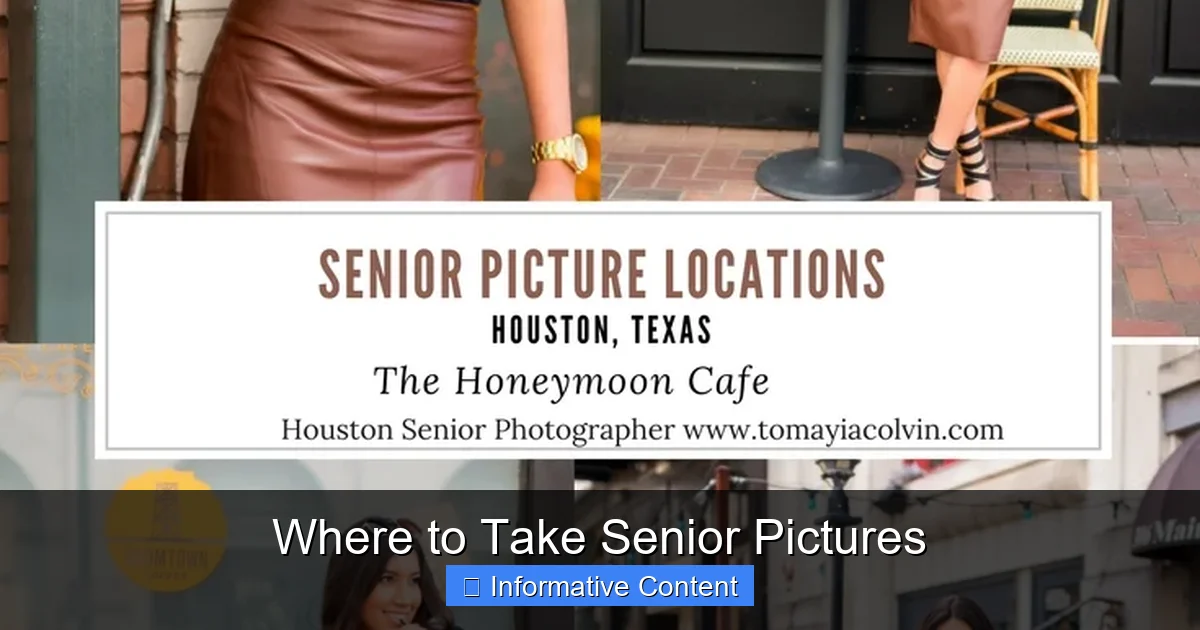
A favorite coffee shop, a retro diner, a beloved bookstore, or a local art studio can make for fantastic, personality-filled photos. The key is building a relationship. Go in, explain your project, and ask the owner/manager nicely. Offer to give them a copy of the photos in exchange for the space during a slow time. This approach shows maturity and can lead to a unique, stylized shoot that reflects your local community.
Historic Sites & Landmarks
Every town has historic buildings, monuments, or landmarks. These add a sense of timelessness, gravitas, and connection to place. They can be especially meaningful if you’ve grown up visiting that spot. Research your town’s historical society or tourism board for ideas.
Again, permission is critical. Many historic sites are privately managed or part of a park system with specific rules. Don’t assume it’s free game. A quick call can save you from being asked to leave mid-shoot.
Vintage Stores or Thrift Shops
The colorful, cluttered, nostalgic interior of a well-stocked vintage or thrift store is a photographer’s dream. It’s full of textures, patterns, and props. It suits a retro, eclectic, or artistic style perfectly. You’ll need the store’s permission, and it’s best to schedule a time when the store is closed or during a very quiet hour to avoid bothering shoppers.
Seasonal & Weather Considerations for 2026
The time of year you shoot dramatically changes the landscape and your options. Plan your location based on the season.
- Spring: Cherry blossoms, tulip fields, green parks, and rainy day shots under bridges or in covered walkways. Think renewal and fresh colors.
- Summer: Beaches, lush forests, farmers’ markets, and outdoor festivals. Long days mean flexible timing, but watch for harsh midday sun. Seek shade.
- Fall: This is arguably the most popular season for a reason. Vibrant foliage in parks, orchards, and tree-lined streets creates a warm, rich, golden palette. Apple orchards are a classic.
- Winter: Don’t discount winter! Bare trees against a gray sky are moody and dramatic. Snow-covered landscapes are pristine and magical. Holiday lights in city centers or neighborhoods provide instant color and sparkle. Indoor locations become essential.
Always have a rain plan! This could be a covered porch, a museum with permission, a beautiful indoor atrium, or even a stylish umbrella as a prop. A little rain can create reflective surfaces and moody skies if you’re prepared.
Practical Logistics: Permits, Permissions & Prep
Finding the spot is just step one. The real work is in the preparation to ensure your day goes smoothly.
The Permission Puzzle
This cannot be stressed enough. Never assume a location is free to shoot in. “Public” does not always mean “free for commercial/professional photography.” National and state parks often require photography permits, especially if you have a professional photographer with equipment. City parks may have similar rules. Private businesses, university campuses (even if you’re a student), and historic sites always require explicit, written permission.
Start this process at least 4-6 weeks before your shoot. Call the main office or facilities manager. Be polite, explain you are a graduating senior doing a portrait session, and ask about their policy. Some are free, some charge a nominal fee, some say no. Knowing this ahead of time prevents a huge disappointment.
Scouting Your Location
Once you have the green light, go visit! This is non-negotiable. Go at the same time of day you plan to shoot. Observe the light. Where are the harsh shadows? Where does the sun filter through nicely? Are there power lines, parked cars, or unsightly trash cans in the background? Find 3-5 specific “vignettes” or spots within the larger location. This gives your photographer options and saves time on shoot day.
Coordinating Outfits with Location
Your clothing should complement, not compete with, your setting. For a lush green park, avoid bright greens that might make you blend in. For a colorful mural, choose solid colors that won’t clash. For a beach, whites, creams, and light blues are stunning. For an urban industrial shoot, bold colors or classic black and white can be powerful. This is where a comprehensive style guide becomes your best friend, helping you coordinate multiple outfits for different locations.
Tech & Techies: Using Your Phone
While a professional photographer is ideal, many seniors also want to get some shots themselves. Modern smartphones are incredible tools. If you plan to take any self-portraits or have a friend snap some candies, ensure you’re using a phone with a good camera. For tips on selecting a device that captures detail and color beautifully, you might research phones with excellent cameras and simple interfaces. Use the rear camera, not the front selfie camera, for the highest quality. Clean your lens and use natural light.
Conclusion: Your Story, Your Spot
So, where will you take your senior pictures? The answer is wherever your story feels most alive. It could be a grand cityscape, a quiet forest path, the cozy corner of your room, or the field where you scored the winning goal. The perfect location is a blend of personal significance, visual beauty, and practical feasibility.
Start by brainstorming places that matter to you. Then, apply the practical filter: Can I get permission? Is the light good at my planned time? Do I have a backup for rain? By merging heart and logistics, you’ll curate a set of locations that don’t just look good, but mean something. These photos will be looked at for decades by you, your family, and your future self. They should shout, “This was me, in 2026.” Now go find your backdrop and make some memories.
Frequently Asked Questions
How far in advance should I book a location?
For popular public spots like botanical gardens or iconic city murals, book permits and photographer dates 2-3 months ahead, especially for peak seasons like spring or fall. For private locations or less contested areas, 4-6 weeks is usually sufficient.
What if the weather is terrible on shoot day?
This is why you have a backup plan! Your photographer should have indoor alternatives ready. Covered bridges, atriums, stylish indoor cafes (with permission), or even shooting creatively under umbrellas in the rain can yield dramatic, unique images. Rescheduling is also an option if the forecast is truly dire.
Can I bring my pet to the shoot?
Absolutely, if the location allows it and your pet is comfortable. Pets add incredible personality and emotion to photos. However, you must get permission from the location first, as some parks or businesses have no-pet policies. Also, have a handler (a friend or family member) to manage the pet between shots to keep you focused.
Are there any locations I should absolutely avoid?
Avoid locations that are dangerous (unsafe structures, high-traffic roads without barriers), illegal to access (trespassing), or visually cluttered with distracting elements like power lines, garbage, or modern buildings that don’t fit your aesthetic. Also, avoid places with strict no-photography rules you can’t bypass with a permit.
How many locations should I plan for in one session?
Quality over quantity. Plan for 2-3 distinct locations or “vignettes” within one larger area for a 1-2 hour session. This allows for variety in your final gallery without feeling rushed. Changing locations takes time, and you want to avoid fatigue. A good photographer will help you pace the session to capture the best light and energy at each spot.
What’s the best time of day for outdoor photos, regardless of location?
The “golden hour”—the first hour after sunrise and the last hour before sunset—is universally the best time. The light is soft, warm, and directional, creating beautiful highlights and shadows without the harshness of midday sun. For city shoots, the “blue hour” just after sunset when the sky is dark blue and city lights come on is also magical.
