
Where Do I Go for Senior Pool Aerobics


Long Handle Shoe Horn
Robot Vacuum Cleaner

Page Magnifier Sheet
Finding the right place for senior pool aerobics can boost your health, mobility, and social life. From local recreation centers to specialized wellness programs, there are many accessible and welcoming options designed specifically for older adults.
Key Takeaways
- Community centers and YMCAs: Most offer affordable, low-impact pool aerobics classes tailored for seniors with certified instructors.
- Local parks and recreation departments: Often host free or low-cost aquatic programs, especially during warmer months or in indoor facilities.
- Senior living communities: Many retirement homes and assisted living facilities include on-site pool aerobics as part of their wellness offerings.
- Hospital-based wellness programs: Some medical centers provide therapeutic aquatic exercise for seniors managing arthritis, joint pain, or recovery from surgery.
- Online directories and apps: Use tools like the National Council on Aging (NCOA) or Meetup to locate nearby classes and read reviews from other participants.
- Ask your doctor or physical therapist: They may recommend trusted programs that align with your health needs and fitness level.
- Look for certified instructors: Ensure classes are led by professionals trained in senior fitness and water safety for maximum benefit and injury prevention.
📑 Table of Contents
Where Do I Go for Senior Pool Aerobics?
If you’re a senior looking to stay active, improve your balance, or simply enjoy a fun way to exercise, you might be wondering: *Where do I go for senior pool aerobics?* The good news is, you’re not alone—and you have more options than you might think. Pool aerobics, also known as water aerobics or aqua fitness, is one of the safest and most effective forms of exercise for older adults. The buoyancy of water reduces stress on joints, making it ideal for people with arthritis, osteoporosis, or mobility challenges.
But finding the right class or facility doesn’t have to be overwhelming. Whether you’re a beginner or returning to fitness after a break, there are welcoming, supportive environments designed with seniors in mind. From local community centers to specialized wellness programs, the opportunities to join a pool aerobics class are growing across the country. In this guide, we’ll walk you through the best places to find senior-friendly aquatic exercise, what to look for in a quality program, and how to get started—even if you’ve never stepped into a pool for fitness before.
Why Pool Aerobics Is Perfect for Seniors
Visual guide about Where Do I Go for Senior Pool Aerobics
Image source: cms.krocquincy.org
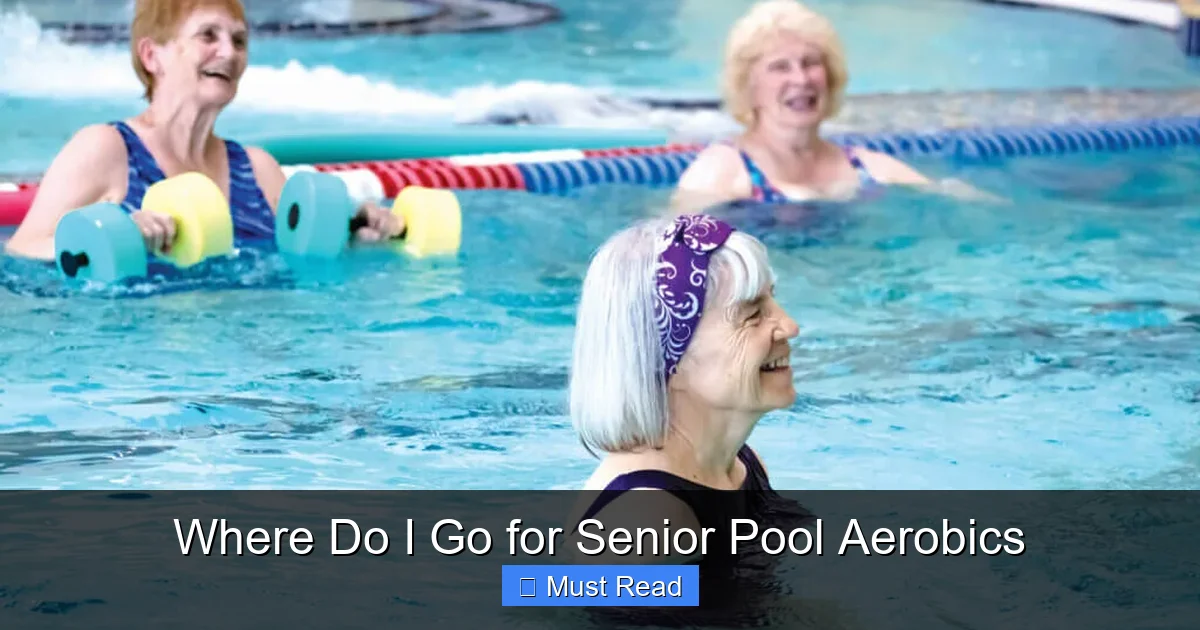
Before diving into where to go, let’s talk about why pool aerobics is such a smart choice for older adults. Water provides natural resistance, which helps build strength without the need for heavy weights. At the same time, it supports your body, reducing the risk of falls and injuries. This makes it especially beneficial for seniors who may struggle with balance or have chronic pain.
Imagine doing lunges, arm curls, or leg lifts—but with the water gently pushing back. That’s the magic of aquatic exercise. It challenges your muscles while being kind to your joints. Plus, the water’s warmth can help relax tight muscles and improve circulation, which is great for people with conditions like fibromyalgia or diabetes.
Another major benefit? Social connection. Many seniors report feeling isolated, but group fitness classes offer a chance to meet new people, laugh, and stay motivated. Pool aerobics classes often have a friendly, upbeat atmosphere where everyone is encouraged to go at their own pace. You’ll find people of all fitness levels—some using pool noodles for support, others doing high-energy moves—all working toward better health together.
Physical Benefits of Water-Based Exercise
The physical advantages of pool aerobics are well-documented. According to the Arthritis Foundation, aquatic exercise can reduce joint pain and stiffness while improving flexibility and range of motion. The water’s buoyancy takes up to 90% of your body weight off your joints, allowing you to move more freely than on land.
For example, walking in chest-deep water provides resistance that strengthens your legs, but without the impact of walking on pavement. This is especially helpful for seniors with knee or hip problems. Many participants notice improvements in balance and coordination after just a few weeks, which can significantly reduce the risk of falls—a leading cause of injury in older adults.
Cardiovascular health also gets a boost. Water aerobics gets your heart rate up in a safe, controlled way. Studies show that regular aquatic exercise can lower blood pressure, improve circulation, and support heart health—all crucial for aging bodies.
Mental and Emotional Wellness
Exercise isn’t just good for the body—it’s essential for the mind. Pool aerobics can help reduce symptoms of anxiety and depression, which are common among seniors. The rhythmic movements, combined with deep breathing and social interaction, create a calming, almost meditative experience.
Many participants describe the water as “soothing” or “liberating.” There’s something about being in the pool that feels different from other workouts. You’re not worried about how you look or whether you’re keeping up. You’re just moving, breathing, and enjoying the moment. This sense of freedom can be incredibly uplifting, especially for those who’ve felt limited by physical challenges.
Top Places to Find Senior Pool Aerobics Classes
Visual guide about Where Do I Go for Senior Pool Aerobics
Image source: as2.ftcdn.net
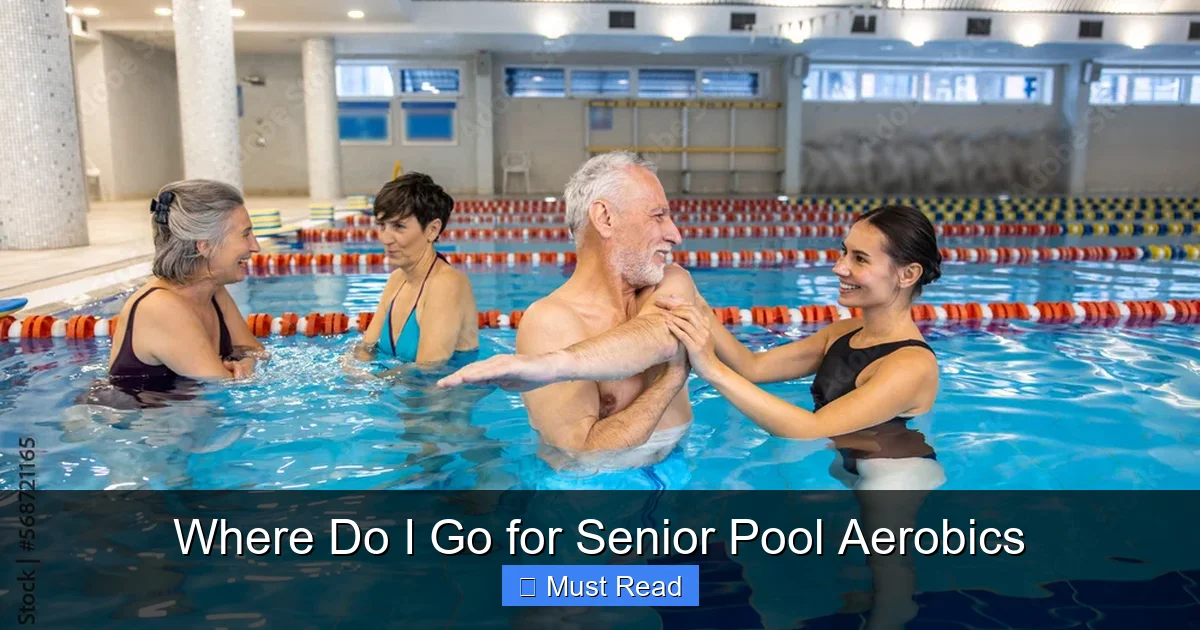
Now that you know why pool aerobics is such a great fit, let’s explore where you can actually go to join a class. The options are more diverse than you might expect, and many are designed specifically with seniors in mind.
1. Local YMCAs and Community Centers
One of the most accessible and affordable places to find senior pool aerobics is your local YMCA or community recreation center. These organizations are deeply committed to promoting health and wellness across all age groups, and they often offer classes tailored to older adults.
Most YMCAs have indoor pools with warm water—perfect for year-round exercise. Classes are typically held during daytime hours, making them convenient for retirees. Instructors are usually certified in senior fitness or aquatic therapy, ensuring that movements are safe and appropriate for older bodies.
For example, the YMCA of the USA reports that over 70% of their locations offer water aerobics programs, with many including “SilverSneakers” classes—a popular fitness program for Medicare beneficiaries. These classes are often free or low-cost for eligible seniors and include not just pool workouts but also strength training and social events.
To find a YMCA near you, visit the official YMCA website and use their location finder. You can filter by services like “senior fitness” or “aquatic programs.” Don’t hesitate to call and ask about class schedules, instructor qualifications, and whether they offer trial sessions.
2. Parks and Recreation Departments
Your city or county’s parks and recreation department is another excellent resource. Many municipalities operate public pools—both indoor and outdoor—that host senior-friendly aquatic programs. These are often subsidized by local governments, making them very affordable.
During the summer, outdoor pools may offer “Aqua Fit for Seniors” or “Gentle Water Exercise” classes. In colder months, indoor facilities keep the momentum going with heated pools and structured routines. Some departments even partner with local health organizations to provide free wellness workshops alongside the classes.
For instance, the City of Phoenix Parks and Recreation offers a “Senior Splash” program at multiple locations, featuring low-impact aerobics, stretching, and social time. Classes are led by trained instructors and are open to adults 55 and older. Similar programs exist in cities like Austin, Denver, and Seattle.
To find out what’s available in your area, visit your local government’s website and search for “senior programs” or “aquatic fitness.” You can also stop by a recreation center in person—many have bulletin boards with class flyers and staff who are happy to help.
3. Senior Living Communities and Retirement Homes
If you or a loved one lives in a senior living community, chances are there’s already a pool aerobics program on-site. Many independent living, assisted living, and continuing care retirement communities (CCRCs) include aquatic fitness as part of their wellness offerings.
These programs are designed to promote independence, mobility, and social engagement. Classes are often held in on-site therapy pools, which are shallow and warm—ideal for seniors with limited mobility. Instructors may include physical therapists or certified fitness professionals who understand the unique needs of older adults.
For example, Brookdale Senior Living, one of the largest senior housing providers in the U.S., offers “Aqua Fitness” classes at many of its communities. Residents can participate in group workouts, water walking, or even gentle yoga in the pool. These activities are included in the monthly fee, making them a convenient and cost-effective option.
Even if you don’t live in a senior community, some facilities allow outside participants or offer trial classes. It’s worth calling nearby retirement homes to ask about community access or guest passes.
4. Hospital and Medical Wellness Programs
For seniors managing chronic conditions or recovering from surgery, hospital-based wellness programs can be a game-changer. Many medical centers now offer therapeutic aquatic exercise as part of their rehabilitation or preventive care services.
These programs are often led by physical therapists or aquatic therapists who specialize in senior health. They focus on improving strength, balance, and flexibility while minimizing pain. Classes may be smaller and more individualized, allowing for close attention to each participant’s needs.
For instance, the Cleveland Clinic offers a “Water Therapy for Arthritis” program that combines gentle movements with education on joint protection. Similarly, the Mayo Clinic recommends aquatic exercise for patients with osteoarthritis, fibromyalgia, or post-stroke recovery.
To access these programs, talk to your doctor or physical therapist. They can refer you to a certified aquatic therapy center or hospital wellness department. Some insurance plans may cover part of the cost, especially if the program is prescribed for medical reasons.
5. Private Fitness Studios and Aquatic Centers
While community centers and hospitals are great, some seniors prefer the personalized attention of private studios. There are now fitness centers that specialize in senior wellness, including pool-based programs.
These studios often have smaller class sizes, state-of-the-art pools, and instructors with advanced certifications in senior fitness or aquatic therapy. They may offer specialized classes like “Aqua Yoga,” “Water Tai Chi,” or “Chair-Based Pool Exercises” for those with limited mobility.
For example, “AquaFit Senior Studio” in Scottsdale, Arizona, offers small-group classes in a heated, saltwater pool. Instructors are trained in adaptive fitness and work closely with participants to modify movements as needed. While these programs can be more expensive than community options, many offer discounts for seniors or package deals.
To find a private studio near you, search online for “senior aquatic fitness” or “aqua therapy near me.” Read reviews, check instructor credentials, and ask about trial classes before committing.
How to Choose the Right Program for You
Visual guide about Where Do I Go for Senior Pool Aerobics
Image source: mcknightsseniorliving.com
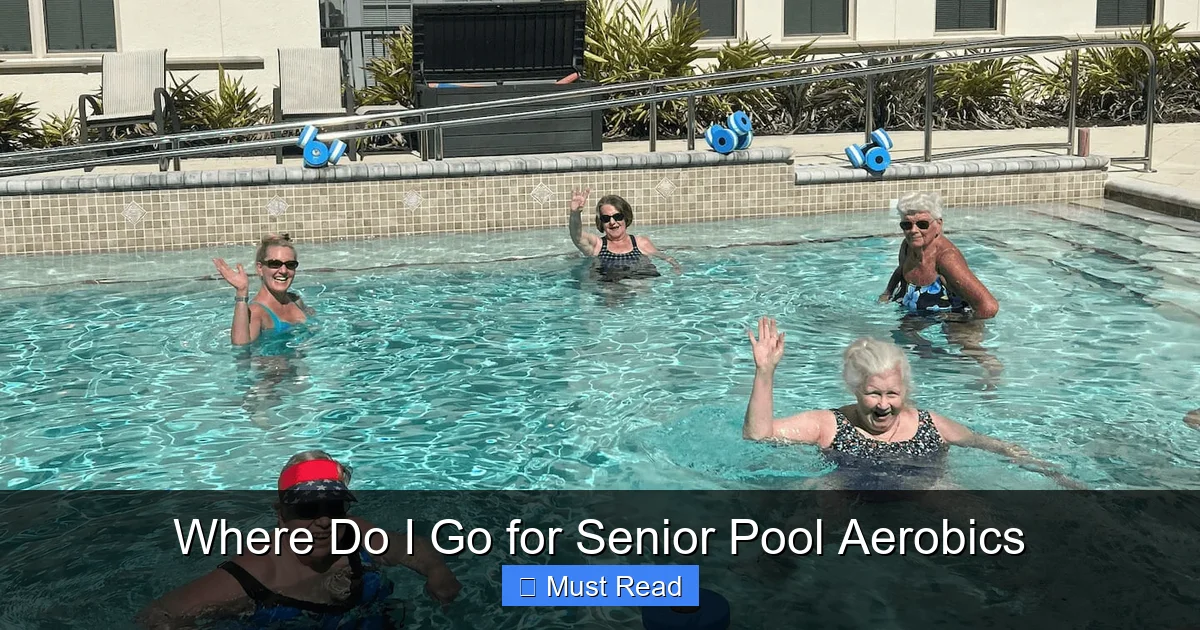
With so many options available, how do you pick the best senior pool aerobics program? It’s not just about proximity—it’s about finding a class that fits your fitness level, health needs, and personal preferences.
Assess Your Fitness Level and Health Status
Before signing up, take a moment to evaluate your current health. Do you have any chronic conditions like arthritis, heart disease, or diabetes? Have you had recent surgery or injuries? If so, it’s important to choose a program that’s safe and appropriate for your situation.
Talk to your doctor before starting any new exercise routine. They can help you determine what types of movement are safe and whether you need any modifications. For example, someone with severe osteoporosis may need to avoid high-impact moves, even in the water.
Many programs offer beginner-friendly classes labeled “Gentle,” “Low-Impact,” or “Chair-Based.” These are perfect for those new to exercise or returning after a long break. Don’t be afraid to start slow—consistency matters more than intensity.
Look for Certified Instructors
Not all fitness instructors are trained to work with seniors. Look for programs led by professionals with certifications in senior fitness, aquatic therapy, or adaptive exercise. Organizations like the Aquatic Exercise Association (AEA), the American Council on Exercise (ACE), or the National Academy of Sports Medicine (NASM) offer specialized credentials.
A certified instructor will know how to modify exercises, monitor for signs of fatigue, and create a safe, inclusive environment. They should also be able to answer your questions about technique, pacing, and equipment.
When you visit a class, observe the instructor’s teaching style. Do they offer clear instructions? Are they attentive to participants? Do they encourage questions? A good instructor makes all the difference.
Consider Class Size and Atmosphere
Some seniors prefer large, energetic classes with music and group energy. Others feel more comfortable in smaller, quieter settings where they can move at their own pace.
Ask about class size when you call to inquire. Smaller groups (6–10 people) often allow for more personalized attention, while larger classes (15–20) can be more social and motivating.
Also, pay attention to the overall atmosphere. Is the environment welcoming and non-judgmental? Are participants supportive of one another? A positive, encouraging vibe can make exercise more enjoyable and sustainable.
Check Schedule and Location
Convenience is key to sticking with any fitness routine. Look for classes that fit your schedule—whether that’s early morning, midday, or afternoon. Many seniors prefer daytime classes when pools are less crowded and temperatures are more comfortable.
Location matters too. Choose a facility that’s easy to get to, whether by car, public transit, or walking. If you use a walker or wheelchair, make sure the pool has accessible entry points like ramps, lifts, or zero-depth entry.
Some centers also offer transportation services or partner with local senior centers to help with rides. Don’t hesitate to ask—many programs are happy to accommodate.
Getting Started: Tips for Your First Class
Ready to take the plunge? Here are some practical tips to help you feel confident and prepared for your first senior pool aerobics class.
What to Bring
You’ll need a few basic items:
– A swimsuit or comfortable workout clothes that can get wet
– Water shoes (optional but recommended for better grip)
– A towel
– A water bottle
– Goggles (if you’re sensitive to chlorine)
Some facilities provide pool noodles, foam dumbbells, or kickboards, but it’s good to ask ahead of time. If you have your own equipment, bring it—familiarity can boost confidence.
Arrive Early
Plan to arrive 10–15 minutes early. This gives you time to check in, change, and introduce yourself to the instructor. Let them know it’s your first class and mention any health concerns or limitations.
Most instructors will offer modifications or suggest alternative movements. Don’t be shy—your safety and comfort come first.
Listen to Your Body
It’s normal to feel a little nervous at first, but remember: everyone starts somewhere. Go at your own pace. If a move feels too hard, skip it or do a simpler version. The goal is to move, not to keep up with others.
Stay hydrated, even in the water. Take breaks when needed, and don’t push through pain. Mild muscle soreness is okay, but sharp or joint pain is a signal to stop.
Have Fun!
Above all, enjoy the experience. Laugh, chat with others, and celebrate small victories. Every movement you make is a step toward better health, strength, and happiness.
Conclusion
So, where do you go for senior pool aerobics? The answer is: almost anywhere. From your local YMCA to a hospital wellness center, there are countless welcoming, supportive places designed to help older adults stay active and healthy. Pool aerobics offers a unique blend of physical challenge, joint protection, and social connection—making it one of the best fitness choices for seniors.
The key is to explore your options, ask questions, and find a program that feels right for you. Whether you’re managing a chronic condition, recovering from surgery, or simply looking to stay fit and engaged, there’s a class out there waiting for you. Don’t let uncertainty hold you back. Take that first step—literally—into the water. Your body, mind, and spirit will thank you.
Frequently Asked Questions
Is pool aerobics safe for seniors with arthritis?
Yes, pool aerobics is highly recommended for seniors with arthritis. The warm water reduces joint stiffness and pain, while the buoyancy minimizes stress on affected joints. Many programs are specifically designed for people with arthritis and include gentle, low-impact movements.
Do I need to know how to swim to join a senior pool aerobics class?
No, you don’t need to be a strong swimmer. Most classes are held in shallow water (waist- to chest-deep), and participants can stand comfortably. Instructors often use flotation devices and teach moves that don’t require submersion.
How often should seniors do pool aerobics?
Most experts recommend 2–3 sessions per week for optimal benefits. Even one class a week can improve mood, mobility, and strength. Consistency is more important than frequency—find a schedule that works for you and stick with it.
Are there free or low-cost senior pool aerobics programs?
Yes, many community centers, YMCAs, and parks offer free or low-cost classes, especially for seniors. Programs like SilverSneakers often cover the cost for eligible Medicare beneficiaries. Check with local recreation departments for subsidized options.
Can I do pool aerobics if I use a walker or wheelchair?
Absolutely. Many facilities offer accessible pools with ramps, lifts, or zero-depth entry. Some classes even include chair-based exercises in the water. Instructors can modify movements to accommodate mobility aids.
What should I do if I feel dizzy or tired during class?
Stop immediately and sit or stand still. Signal the instructor and take slow, deep breaths. It’s important to listen to your body and not push through discomfort. Most facilities have lifeguards or staff trained to assist if needed.