
When to Move to Senior Living


Slow Cooker Crock Pot

Puzzle Book for Seniors

Medical Alert System
Moving to senior living doesn’t have to be overwhelming—it can be a positive step toward better health, safety, and community. Recognizing the right time to make this change is crucial for your well-being. This guide helps you identify key indicators and offers practical advice for a smooth transition.
Key Takeaways
- Declining physical abilities: Difficulty with daily tasks like bathing, dressing, or cooking may signal it’s time to consider senior living options.
- Mental or cognitive changes: Memory loss, confusion, or increased risk of wandering can indicate a need for more specialized care in a senior living facility.
- Social isolation: Feeling lonely or disconnected often motivates seniors to join communities that offer companionship and activities.
- Safety concerns at home: Fall risks, medication errors, or difficulty managing utilities are red flags that support moving to a safer environment.
- Family caregiver burnout: When loved ones struggle to provide adequate care, it may be time to explore professional support through senior living.
- Desire for convenience and maintenance-free living: Many seniors choose senior living to enjoy amenities without the burden of home upkeep.
- Access to healthcare and wellness programs: Proximity to medical services and on-site health monitoring enhances quality of life.
📑 Table of Contents
- Introduction: Why Timing Matters When Moving to Senior Living
- Recognizing the Signs: When Is It Time?
- The Emotional Side: Loneliness and Mental Well-Being
- Caregiver Stress and Family Dynamics
- Financial Considerations: Is It Affordable?
- Making the Move: Planning and Transition Tips
- Choosing the Right Type of Senior Living
- Conclusion: A New Chapter Begins
Introduction: Why Timing Matters When Moving to Senior Living
Deciding when to move to senior living isn’t always easy. It’s one of the most significant life transitions many people face, and timing plays a huge role in how smoothly it goes. You might think you’re “fine on your own,” but subtle changes in health, safety, or emotional well-being can signal it’s time to consider a new chapter. The truth is, there’s no universal clock—everyone’s journey is different. What matters most is recognizing the right moment for *you*.
Moving to senior living doesn’t mean giving up independence. In fact, for many, it’s the opposite. It means choosing a lifestyle where support, safety, and social connection come naturally. Whether you’re exploring independent living, assisted living, or memory care, understanding when to make the move can lead to greater peace of mind and improved quality of life.
This article walks you through common signs, practical considerations, and emotional factors to help you decide when it’s time. We’ll also share tips on making the transition stress-free and highlight communities that prioritize comfort and dignity.
Recognizing the Signs: When Is It Time?

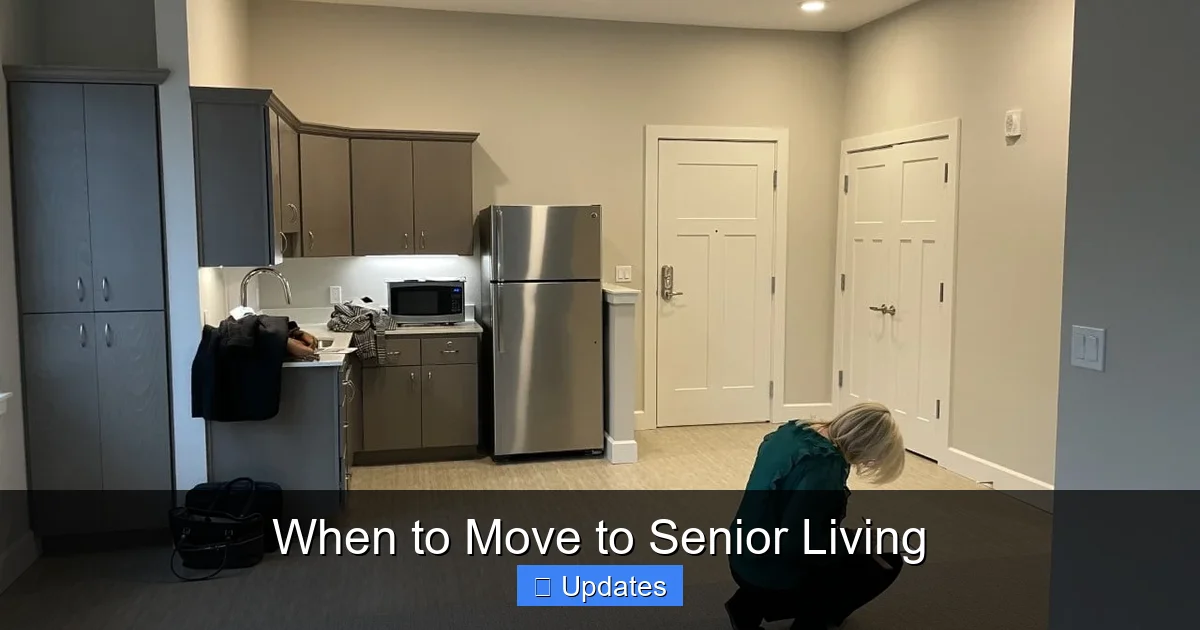
Visual guide about When to Move to Senior Living
Image source: callleadgenie.com
You don’t have to wait until a crisis hits to consider moving to senior living. Often, the best time is before problems become emergencies. Pay attention to these warning signs:
Physical Health Challenges
As we age, our bodies change. Maybe you’ve started needing help with showering, taking medications, or preparing meals. These aren’t just inconveniences—they can point to declining physical ability. If you’re using a walker more often or avoiding stairs, it might be time to evaluate your living situation.
For example, imagine Mrs. Jenkins, 78, who used to walk her dog every morning. Now, she tires easily and has fallen twice in the past month. Her daughter noticed she’d stopped cooking because it took too long. After consulting her doctor, they agreed it was time to look into senior living options with on-site nursing support.
Cognitive Changes and Safety Risks
Memory lapses can be normal, but if you’re forgetting appointments, misplacing keys repeatedly, or showing confusion about familiar places, it could be more than forgetfulness. These signs may indicate a need for a secure environment where staff can monitor safety.
If you live alone and have started leaving the stove on or getting lost driving to the grocery store, it’s worth discussing care options with a trusted family member or healthcare provider. Facilities like Ocean Meadow Senior Living Memory Care specialize in supporting individuals with dementia and Alzheimer’s, offering structured routines and trained professionals.
Increased Falls or Home Hazards
Home modifications like grab bars and ramps help, but they’re not always enough. If you’ve had multiple falls, broken bones, or near-misses, your home may no longer be safe. Cluttered hallways, poor lighting, or slippery floors increase risk significantly.
Consider this: Mr. Thompson, 82, lived alone in a two-story house. After slipping on a wet floor last winter, he decided to move to an apartment with no steps and emergency call buttons nearby. His new community provided housekeeping, meal delivery, and transportation—things he hadn’t realized he needed until then.
The Emotional Side: Loneliness and Mental Well-Being
Visual guide about When to Move to Senior Living
Image source: journeyseniormovemanagers.com
Moving to senior living isn’t just about physical needs—it’s deeply tied to emotional health. Many seniors feel isolated after losing friends, retiring, or relocating. Loneliness has been linked to depression, heart disease, and reduced lifespan.
Social Isolation as a Red Flag
Are you skipping family gatherings because you feel too tired? Do you spend hours watching TV alone? These behaviors can signal loneliness. Senior living communities thrive on connection—daily activities, group outings, and shared spaces foster friendships.
Take Linda, 74, who moved from rural Ohio to a senior living community in Florida. She said, “I never thought I’d make friends so easily. We play bingo, go to the beach, and even take art classes together.” For Linda, the move wasn’t about declining health—it was about choosing joy.
Mental Health and Emotional Readiness
It’s okay to grieve the loss of your old routine. But if sadness lasts weeks or interferes with daily life, it might be time to reframe your thinking. Senior living doesn’t mean surrender—it means investing in a happier, healthier future.
Talk openly with family. Share your fears and hopes. Sometimes, hearing others’ perspectives helps ease anxiety. Remember, choosing senior living is a sign of strength, not weakness.
Caregiver Stress and Family Dynamics

Visual guide about When to Move to Senior Living
Image source: journeyseniormovemanagers.com
When family members become primary caregivers, burnout is common. Constant worry, sleepless nights, and financial strain take their toll. If you’re caring for a parent and feeling overwhelmed, it may be time to suggest professional support.
Burnout Among Spouses and Adult Children
Caring for a spouse with mobility issues or dementia is emotionally draining. Adult children juggling jobs, kids, and caregiving responsibilities often hit a breaking point. In these cases, moving a loved one to senior living can relieve stress and ensure better care.
For instance, James helped his mom bathe and dress every day. After she fell and broke her hip, he knew he couldn’t manage alone. They toured several facilities and chose one with 24/7 nursing and rehabilitation services. “It gave me my life back,” James said. “She’s safe, happy, and getting the help she needs.”
Having Honest Conversations
Bringing up the topic of senior living can be awkward. Avoid framing it as abandonment—present it as an upgrade in care. Use phrases like, “I want you to live comfortably and safely,” or “Let’s find a place where you can get help when you need it.”
Schedule a calm, private talk. Bring photos of communities, cost estimates, and testimonials. Involve other family members early to build consensus.
Financial Considerations: Is It Affordable?
Cost is a major concern, but many options exist beyond traditional nursing homes. Understanding pricing models helps you make informed decisions.
Types of Senior Living Costs
Independent living typically costs less than assisted living, which includes meals and housekeeping. Assisted living adds personal care services. Memory care units are usually the most expensive due to specialized staffing.
Some communities offer all-inclusive pricing, while others charge à la carte. Look for move-in fees, entrance fees, and monthly rates. Don’t forget to ask about what’s covered—medication management, transportation, and activities vary widely.
Exploring Financial Assistance
Medicaid, veterans benefits, and long-term care insurance can offset costs. Some communities participate in government programs or offer sliding-scale fees based on income.
Start by consulting a financial advisor or elder law attorney. They can help you navigate options without sacrificing comfort. Remember, investing in quality care now can prevent costly hospitalizations later.
Making the Move: Planning and Transition Tips
Once you’ve decided it’s time, planning ahead reduces stress. Here’s how to make the transition smooth:
Start Early and Tour Multiple Communities
Don’t wait until a health emergency. Begin researching 6–12 months before you plan to move. Visit at least three communities to compare amenities, staff ratios, and atmosphere.
Ask residents what they love (and don’t love) about their home. Check online reviews and talk to case managers. Trust your gut—you should feel at ease there.
Pack Smart and Personalize Your Space
Label boxes clearly and pack essentials separately. Bring photos, favorite blankets, and meaningful objects to create familiarity. Most communities allow residents to decorate their rooms like homes.
Consider hiring a National Association for Senior Move Managers professional to organize downsizing and logistics. They handle everything from selling furniture to mailing address updates.
Involve Loved Ones in the Process
Keep family informed throughout. Host virtual tours or share videos. Assign someone to coordinate paperwork and timelines. Their support makes a big difference.
Choosing the Right Type of Senior Living
Not all senior living communities are the same. Match your needs to the right level of care:
Independent Living
Perfect for active seniors who need minimal assistance. Amenities include fitness centers, dining, and social events. Ideal if you want maintenance-free living without medical support.
Assisted Living
Offers help with daily activities like bathing, medication reminders, and meal prep. Suitable for those who need occasional support but remain mobile and mentally sharp.
Memory Care Units
Specialized care for dementia and Alzheimer’s patients. Features include secured entrances, sensory gardens, and cognitive therapies. Staff are trained in behavioral management.
Continuing Care Retirement Communities (CCRCs)
Provide a full spectrum of care—from independent living to skilled nursing. Residents pay upfront fees but avoid relocating as needs change. Great for long-term security.
Conclusion: A New Chapter Begins
Deciding when to move to senior living is personal, but you don’t have to figure it out alone. By paying attention to physical, emotional, and practical signs, you can make a confident choice. The goal isn’t to slow down—it’s to live better, safer, and more connected.
Whether you choose independent living or memory care, the right community will honor your dignity and support your goals. Start small: schedule a tour, talk to a counselor, or simply visit a neighbor’s new home. Every step brings you closer to a happier, healthier life.
Remember, it’s never too early to plan—and never too late to start. Your future self will thank you.
Frequently Asked Questions
How do I know if it’s time to move my parent to senior living?
Look for signs like frequent falls, difficulty managing medications, or increased confusion. If family caregivers are stressed or unable to provide safe care, it may be time to explore senior living options. Always involve your parent in discussions to respect their wishes.
What are the first steps in deciding when to move to senior living?
Begin by assessing current health and safety needs. Talk to doctors, family members, and trusted advisors. Then research communities, compare costs, and schedule tours. Early planning reduces stress and ensures a smoother transition.
Is it too late to move to senior living if I’m in my late 70s or 80s?
No, it’s never too late to move to senior living. Many seniors in their 80s thrive in supportive environments. Focus on finding a community that matches your lifestyle and offers the right level of care.
What should I look for when touring senior living communities?
Observe cleanliness, staff friendliness, resident engagement, and safety features. Ask about meal quality, transportation, and emergency procedures. Visit at different times of day to get a true sense of the atmosphere.
Can I keep my pets when I move to senior living?
Many communities welcome pets, but policies vary. Small dogs and cats are usually allowed, but larger animals may not be permitted. Check with each community before finalizing your decision.
How much does senior living typically cost?
Costs range widely—independent living averages $2,500–$4,000/month, assisted living $4,000–$6,000/month, and memory care often exceeds $6,000/month. Factors include location, amenities, and level of care. Financial aid may be available.