
What Is the Penalty for Assaulting a Senior Citizen


Spill-Proof Travel Mug

Anti-Slip Shower Stickers

Folding Walking Stick with Seat
Assaulting a senior citizen is a serious crime with enhanced penalties in most states. These harsher punishments reflect the vulnerability of older adults and aim to deter abuse. Penalties can include felony charges, prison time, fines, and mandatory counseling.
Key Takeaways
- Enhanced Penalties Apply: Most states impose stricter sentences for assaulting individuals over 65, treating it as an aggravated offense.
- Felony Charges Common: Even minor assaults on seniors can result in felony convictions, leading to long-term consequences.
- Federal and State Laws Protect Seniors: Laws like the Elder Justice Act and state-specific statutes provide legal frameworks for prosecution.
- Mandatory Reporting Required: Healthcare workers and caregivers must report suspected abuse, increasing the likelihood of legal action.
- Restitution and Civil Liability: Offenders may be ordered to pay medical bills, therapy costs, and other damages beyond criminal penalties.
- Long-Term Impact on Record: A conviction can affect employment, housing, and voting rights, especially if it’s a felony.
- Prevention and Awareness Matter: Community education and support systems help protect seniors and reduce abuse incidents.
📑 Table of Contents
- Understanding the Gravity of Assaulting a Senior Citizen
- Why Are Penalties Harsher for Assaulting Seniors?
- State-by-State Variations in Penalties
- Federal Laws and the Elder Justice Act
- Real-Life Examples and Case Studies
- Civil Consequences Beyond Criminal Penalties
- How to Report Suspected Assault or Abuse
- Prevention and Community Support
- Conclusion: A Society That Protects Its Elders
Understanding the Gravity of Assaulting a Senior Citizen
When we think of assault, we often picture physical violence—punches, slaps, or shoves. But assault can also include threats, intimidation, or even reckless behavior that causes fear of harm. Now, imagine that victim is a senior citizen—someone over the age of 65, possibly living with health challenges, mobility issues, or cognitive decline. The impact of such an act isn’t just physical; it’s deeply emotional and psychological. That’s why the law treats assaulting a senior citizen with extra seriousness.
Across the United States, lawmakers recognize that older adults are more vulnerable to abuse due to physical frailty, social isolation, or dependence on caregivers. As a result, many states have enacted enhanced penalties for crimes committed against seniors. These aren’t just symbolic gestures—they’re designed to deter abuse and ensure justice for a population that may struggle to defend itself or report wrongdoing. Whether the assault happens in a home, a nursing facility, or a public space, the legal system is increasingly equipped to respond with firm consequences.
Why Are Penalties Harsher for Assaulting Seniors?

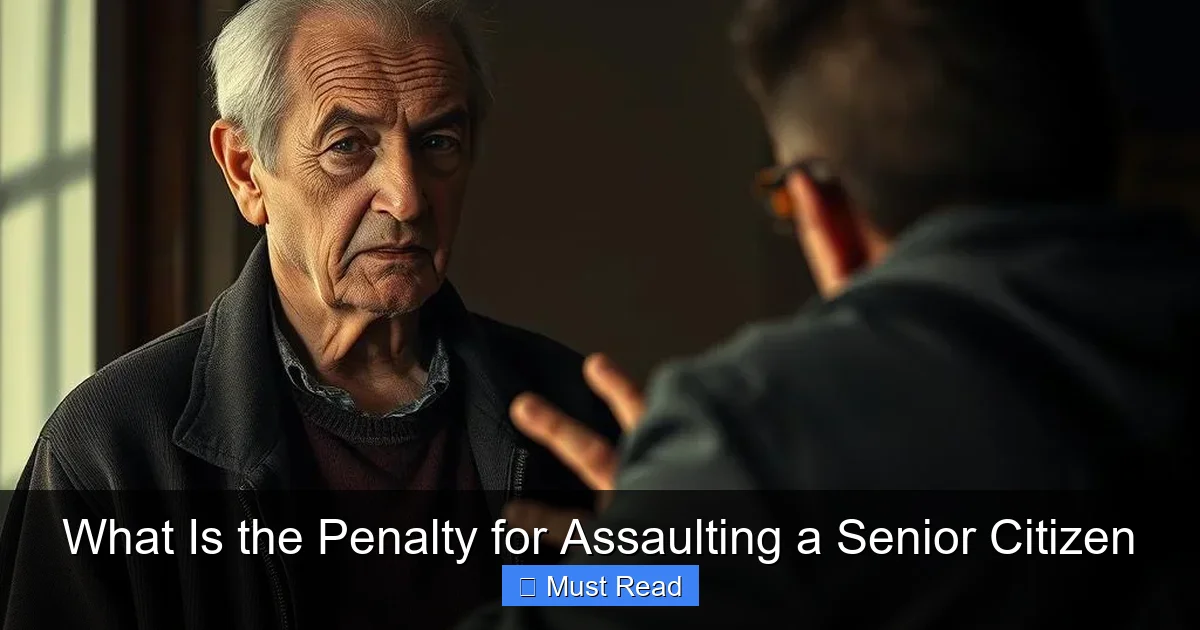
Visual guide about What Is the Penalty for Assaulting a Senior Citizen
Image source: i.ytimg.com
You might wonder: Why the extra legal muscle when it comes to protecting seniors? The answer lies in a combination of ethical, social, and practical concerns. First, older adults are more likely to suffer severe injuries from even minor physical attacks. A fall caused by a push, for example, could lead to a broken hip, long-term disability, or even death in an elderly person. Their bodies simply don’t recover the way younger people’s do.
Second, seniors are often isolated. They may live alone, have limited contact with family, or depend on others for daily care. This makes them easy targets for abuse—whether from strangers, family members, or paid caregivers. When abuse does occur, it’s often underreported. Fear of retaliation, shame, or not being believed can keep victims silent. That’s why laws with stiffer penalties act as both a deterrent and a signal that society won’t tolerate such behavior.
Moreover, there’s a moral imperative. Older adults have contributed to society for decades. They’ve raised families, worked jobs, paid taxes, and built communities. As they age, they deserve dignity, safety, and respect—not fear or violence. Enhanced penalties reflect this societal value. They send a clear message: harming a senior is not just a crime against an individual, but against the community as a whole.
Legal Definitions: What Counts as Assault?
Before diving into penalties, it’s important to understand what legally constitutes assault. While definitions vary slightly by state, assault generally involves intentionally causing someone to fear imminent physical harm, or actually causing bodily injury. This can include:
– Punching, slapping, or kicking
– Pushing or shoving
– Threatening with a weapon
– Restraining someone against their will
– Reckless behavior that endangers another person
In the context of seniors, even non-physical acts like verbal threats or intimidation can be considered assault if they cause reasonable fear of harm. For example, if a caregiver yells at an elderly patient and raises a hand in a threatening manner, that could qualify as assault—even if no contact occurs.
Some states also include “elder abuse” as a separate category, which can encompass physical, emotional, financial, or neglectful harm. But when it comes to assault specifically, the focus is on intentional acts of violence or threat.
The Role of Vulnerability in Sentencing
Courts often consider the victim’s vulnerability when determining sentencing. A young, healthy adult might walk away from a minor scuffle with little more than a bruise. But an 80-year-old with osteoporosis could suffer a fractured rib or internal bleeding from the same incident. Because of this, judges and prosecutors are more likely to pursue maximum penalties when the victim is elderly.
This principle is embedded in many state laws. For instance, in California, assault on a person over 65 is automatically classified as a “wobbler”—meaning it can be charged as either a misdemeanor or a felony, depending on the circumstances. Prosecutors often lean toward felony charges when the victim is a senior, especially if injuries are severe or the attacker showed disregard for the victim’s age.
State-by-State Variations in Penalties
Visual guide about What Is the Penalty for Assaulting a Senior Citizen
Image source: seniorslifehub.com
One of the most important things to understand is that penalties for assaulting a senior citizen vary widely depending on where the crime occurs. While federal laws provide a baseline, each state has its own statutes and sentencing guidelines. Let’s look at a few examples to illustrate the range of consequences.
California: Enhanced Felony Charges
In California, Penal Code 368 makes it a crime to inflict physical or emotional abuse on an elder (defined as someone 65 or older). Assault under this law can be charged as a felony, even if the injuries are minor. Penalties include:
– 2 to 4 years in state prison
– Fines up to $6,000
– Probation with mandatory counseling
– Restitution to the victim for medical and therapy costs
If the assault results in great bodily injury, the sentence can increase to 3 to 7 years. Repeat offenders face even harsher penalties.
New York: Aggravated Assault on a Senior
New York doesn’t have a specific “elder assault” statute, but the state’s assault laws allow for enhanced sentencing when the victim is elderly. Under New York Penal Law, assault in the second degree (a Class D felony) can carry up to 7 years in prison. If the victim is over 65 and the attacker knew or should have known of their age, the court may impose the maximum sentence.
Additionally, New York’s Elder Abuse Prevention Act encourages reporting and supports victims through protective services.
Texas: Capital of Elder Protection
Texas takes a particularly strong stance. Under Texas Penal Code § 22.04, injury to a child, elderly individual, or disabled person is a felony of the first degree if serious bodily injury occurs. This can mean 5 to 99 years in prison. Even lesser injuries can result in second- or third-degree felony charges, with prison terms ranging from 2 to 20 years.
Texas also mandates that certain professionals—like nurses, social workers, and law enforcement—report suspected elder abuse. Failure to report can result in fines or license revocation.
Florida: Mandatory Minimums
Florida’s laws are equally strict. Assault on a person 65 or older is a first-degree misdemeanor, punishable by up to 1 year in jail and a $1,000 fine. But if it’s classified as aggravated assault (involving a weapon or intent to commit a felony), it becomes a third-degree felony—carrying up to 5 years in prison.
Florida also has a “Senior Protection Act” that allows for civil lawsuits in addition to criminal charges, enabling victims to seek financial compensation.
Illinois: Focus on Caregiver Abuse
Illinois pays special attention to abuse by caregivers. Under the Illinois Elder Abuse and Neglect Act, any person who commits physical abuse against a senior can face felony charges. If the abuser is a family member or caregiver, penalties are enhanced. The state also operates a 24/7 elder abuse hotline and provides legal advocacy for victims.
Federal Laws and the Elder Justice Act

Visual guide about What Is the Penalty for Assaulting a Senior Citizen
Image source: seniorslifehub.com
While most assault cases are handled at the state level, federal laws also play a role in protecting seniors. The most significant is the Elder Justice Act, passed as part of the Affordable Care Act in 2010. This landmark legislation was the first federal law dedicated exclusively to preventing elder abuse, neglect, and exploitation.
Key Provisions of the Elder Justice Act
The Act establishes funding for elder abuse prevention programs, supports training for law enforcement and healthcare providers, and creates a national resource center for elder justice. It also mandates that long-term care facilities report certain crimes to law enforcement and the Department of Health and Human Services.
One of the Act’s most important features is its emphasis on data collection. For the first time, the federal government began systematically tracking elder abuse cases, helping policymakers understand the scope of the problem and allocate resources effectively.
Federal Prosecution: When It Happens
Most assault cases involving seniors are prosecuted at the state level. However, federal charges may apply in certain situations, such as:
– The assault occurs in a federally funded facility (like a VA hospital)
– The crime involves interstate elements (e.g., a caregiver traveling across state lines to abuse a senior)
– The assault is part of a larger pattern of fraud or exploitation
In these cases, federal agencies like the FBI or U.S. Department of Justice may get involved. Penalties can include lengthy prison sentences, especially if the crime is tied to broader criminal activity.
Real-Life Examples and Case Studies
To understand the real impact of these laws, let’s look at a few actual cases.
Case 1: The Nursing Home Attendant
In 2019, a certified nursing assistant in Ohio was caught on camera slapping an 82-year-old dementia patient. The video, recorded by a hidden camera installed by the family, showed the aide yelling at the woman and striking her face. The aide was immediately fired and charged with felony assault on a senior citizen.
She pleaded guilty and was sentenced to 18 months in prison, $5,000 in fines, and 5 years of probation. She was also banned from working in any healthcare facility. The victim’s family filed a civil lawsuit and received compensation for emotional distress and medical monitoring.
Case 2: The Family Caregiver
In Texas, a daughter repeatedly shoved her 78-year-old mother during arguments about money. The mother, afraid to speak up, finally confided in a visiting nurse, who reported the abuse. The daughter was arrested and charged with injury to an elderly person—a felony.
She was sentenced to 3 years in prison and ordered to pay $12,000 in restitution for her mother’s therapy and medical bills. The court also mandated family counseling and placed the mother in a safer living arrangement.
Case 3: The Stranger Attack
In Florida, a man approached an 85-year-old woman in a grocery store parking lot, demanded her purse, and pushed her to the ground when she resisted. The woman suffered a broken wrist and required surgery. The attacker was caught on surveillance footage and arrested.
He was charged with robbery and aggravated assault on a senior citizen. Because the victim was over 65, the charges were enhanced. He received a 10-year prison sentence and was required to register as a violent offender.
These cases show that the law doesn’t distinguish between strangers, family members, or caregivers—anyone who assaults a senior faces serious consequences.
Civil Consequences Beyond Criminal Penalties
While criminal charges grab headlines, the civil repercussions of assaulting a senior can be just as life-altering. In addition to prison time and fines, offenders may face civil lawsuits.
Restitution and Compensation
Courts often order offenders to pay restitution—money to cover the victim’s out-of-pocket expenses. This can include:
– Medical bills
– Physical therapy
– Counseling or mental health services
– Home modifications (like ramps or grab bars)
– Lost wages (if the victim was employed)
In some cases, victims or their families can file a separate civil lawsuit for pain and suffering, emotional distress, or punitive damages. These awards can be substantial, especially if the abuse was particularly egregious.
Impact on Employment and Licensing
A felony conviction for assaulting a senior can end careers—especially in fields like healthcare, education, or childcare. Professional licenses may be revoked, and background checks will reveal the conviction for years to come.
Even misdemeanor convictions can affect job prospects. Many employers conduct criminal background checks, and a history of violence—especially against vulnerable populations—can be a red flag.
Loss of Rights
Felony convictions can also result in the loss of certain civil rights, such as:
– The right to vote (in some states)
– The right to own or possess firearms
– The right to serve on a jury
These restrictions can last for years—or even permanently—depending on the state and the nature of the offense.
How to Report Suspected Assault or Abuse
If you suspect that a senior is being assaulted or abused, it’s crucial to act quickly. Early intervention can prevent further harm and ensure the victim gets help.
Who Can Report?
Anyone can report suspected abuse, but certain professionals are legally required to do so. These “mandatory reporters” include:
– Doctors, nurses, and other healthcare workers
– Social workers and mental health professionals
– Law enforcement officers
– Teachers and school staff
– Clergy members (in some states)
Failure to report can result in fines, license suspension, or even criminal charges.
How to Report
Most states have a dedicated elder abuse hotline. For example:
– National Center on Elder Abuse: 1-800-677-1116
– Adult Protective Services (APS): Available in every state; contact your local APS office
– 911: For emergencies where the senior is in immediate danger
When reporting, provide as much detail as possible: the victim’s name and location, the nature of the abuse, the alleged perpetrator, and any evidence (like photos or witness statements).
What Happens After a Report?
Once a report is made, APS or law enforcement will investigate. This may involve interviewing the victim, visiting the home, or reviewing medical records. If abuse is confirmed, the case may be referred to prosecutors for criminal charges. The victim may also be offered protective services, counseling, or relocation assistance.
Prevention and Community Support
While the legal system plays a critical role in punishing offenders, prevention is just as important. Communities can take proactive steps to protect seniors and reduce the risk of assault.
Education and Awareness
Public awareness campaigns can help people recognize the signs of elder abuse. These include unexplained injuries, sudden changes in behavior, withdrawal from social activities, or fear of certain individuals.
Schools, churches, and community centers can host workshops on elder rights and abuse prevention. Teaching seniors about their rights and how to report abuse empowers them to speak up.
Support for Caregivers
Many cases of elder abuse stem from caregiver stress. Family members or paid aides may become overwhelmed, leading to frustration or violence. Providing respite care, counseling, and support groups can help prevent burnout.
Programs like the National Family Caregiver Support Program offer resources, training, and financial assistance to caregivers.
Safe Housing and Technology
Ensuring seniors live in safe, accessible environments reduces their vulnerability. This includes:
– Installing security cameras (with consent)
– Using medical alert systems
– Providing transportation to reduce isolation
– Regular check-ins from family or community volunteers
Technology can also play a role. Apps that allow seniors to call for help, share their location, or connect with loved ones can provide peace of mind.
Conclusion: A Society That Protects Its Elders
Assaulting a senior citizen is not just a crime—it’s a betrayal of trust and a violation of human dignity. The penalties reflect that seriousness, with enhanced sentences designed to deter abuse and deliver justice. From state laws to federal initiatives, the legal framework is increasingly robust in protecting older adults.
But laws alone aren’t enough. Real change happens when communities come together to support seniors, educate the public, and hold abusers accountable. Whether you’re a family member, caregiver, or concerned citizen, you have a role to play in keeping seniors safe.
If you suspect abuse, don’t stay silent. Report it. Speak up. Because every senior deserves to live their later years with safety, respect, and peace.
Frequently Asked Questions
Is assaulting a senior citizen always a felony?
Not always, but it often is. Many states classify assault on a person over 65 as a felony, especially if injuries occur or the attacker showed disregard for the victim’s age. Misdemeanor charges may apply in minor cases, but prosecutors frequently pursue felony charges.
Can a family member be charged for assaulting an elderly relative?
Yes. Family members—including adult children, spouses, or siblings—can and have been prosecuted for assaulting seniors. In fact, many elder abuse cases involve caregivers or relatives, and laws often impose stricter penalties in these situations.
What if the senior doesn’t want to press charges?
Even if the victim doesn’t want to press charges, prosecutors may still pursue the case—especially if there’s evidence of injury or if the victim is deemed unable to make decisions due to dementia or other conditions. The state has an interest in protecting vulnerable citizens.
Are verbal threats considered assault?
Yes, if they cause reasonable fear of imminent harm. Threatening to hit, harm, or kill a senior can be charged as assault, particularly if the victim believes the threat is real. This is especially true if the attacker has a history of violence.
Can a senior be charged with assaulting someone else?
Yes. While seniors are often victims, they can also be perpetrators. If an elderly person assaults another individual—regardless of age—they can face the same criminal charges as anyone else. However, courts may consider age, health, and mental state during sentencing.
How long do assault convictions stay on a record?
Felony convictions typically remain on a criminal record permanently unless expunged or sealed, which is difficult in most states. Misdemeanors may be eligible for expungement after a few years, depending on state law. A conviction can affect employment, housing, and civil rights.