
What Is Senior Signing Day


Arthritis Gloves

Sudoku Puzzle Book

Leg Massager for Circulation
Senior Signing Day is a celebratory event where high school seniors publicly commit to their chosen college or university. It’s a meaningful milestone that honors students’ hard work and marks the start of their next academic journey.
Key Takeaways
- Senior Signing Day celebrates college commitments: It’s a public event where graduating seniors announce and sign their intent to attend a specific college or university.
- It mirrors National Letter of Intent Day: Often aligned with NCAA signing days, it gives all students—not just athletes—a chance to be recognized.
- Schools and communities host ceremonies: Events include speeches, signing boards, and photo opportunities to honor students’ achievements.
- It boosts student motivation and pride: Public recognition encourages academic effort and gives families a moment to celebrate.
- Not just for athletes: While inspired by sports signings, it now includes all college-bound students, including those pursuing trades, community college, or military service.
- Timing varies by school: Most occur in the spring of senior year, but some schools hold multiple events throughout the year.
- Parents and mentors play a key role: Their support helps students prepare and feel confident about their future plans.
📑 Table of Contents
What Is Senior Signing Day?
Senior Signing Day is a special event that celebrates high school seniors as they officially commit to their post-graduation plans—most commonly, enrolling in a college or university. Think of it as a graduation-adjacent ceremony, but instead of receiving a diploma, students sign a symbolic letter or board declaring their intent to attend a specific institution. It’s a moment of pride, recognition, and excitement, not just for the students, but for their families, teachers, and entire school communities.
While the concept originated in the world of high school athletics—modeled after the NCAA’s National Letter of Intent Day—Senior Signing Day has evolved into a broader celebration of academic achievement. Today, it’s no longer limited to student-athletes. Students heading to four-year universities, community colleges, trade schools, or even enlisting in the military are all invited to participate. The day serves as a public acknowledgment of the hard work, dedication, and dreams that have brought them to this pivotal moment.
The Origins and Evolution of Senior Signing Day
The roots of Senior Signing Day trace back to the early 1980s, when the National Collegiate Athletic Association (NCAA) introduced the National Letter of Intent (NLI) program. This formal agreement allowed high school athletes to commit to a college athletic program, ensuring they wouldn’t be recruited by other schools once they signed. The first official NLI signing day was held in 1981, and it quickly became a major event for athletes and their families.
Over time, schools began to notice the powerful impact these signing ceremonies had—not just on athletes, but on the entire student body. Seeing peers celebrated for their achievements inspired other students to aim higher. So, educators started adapting the concept to include all college-bound seniors. By the 2010s, the idea of a “Senior Signing Day” for all students began to spread across the U.S., especially in high schools with strong college-going cultures.
What began as a niche athletic tradition has now become a widespread educational ritual. Schools across the country—from urban districts to rural towns—now host their own versions of Senior Signing Day. Some hold large assemblies with guest speakers, live music, and signing boards. Others organize intimate classroom celebrations or virtual events for remote students. The core idea remains the same: to honor every student’s future plans with the same enthusiasm once reserved only for star athletes.
Why Senior Signing Day Matters
At first glance, Senior Signing Day might seem like just another school event—but its impact runs much deeper. For many students, especially those who are the first in their family to attend college, this day validates their efforts and affirms that their dreams are achievable. It sends a powerful message: your future matters, and your community believes in you.
One of the most significant benefits of Senior Signing Day is its ability to boost student motivation. When students know their college plans will be celebrated publicly, they’re more likely to stay focused on their goals throughout their senior year. It creates a sense of accountability and pride, encouraging them to finish strong academically and personally.
For schools, the event strengthens the college-going culture. It shifts the narrative from “if” students will go to college to “where” they will go. Teachers and counselors often use the day to reinforce the importance of planning, applications, and financial aid. It also gives underclassmen something to aspire to—seeing seniors celebrated can inspire younger students to start thinking about their own futures earlier.
Families, too, find great value in the day. For parents and guardians, it’s a chance to celebrate their child’s accomplishments and feel involved in their educational journey. Many travel from work or out of town to attend, and the event often becomes a cherished family memory. In communities where college attendance is less common, Senior Signing Day can help normalize higher education as a realistic and desirable path.
How Senior Signing Day Is Celebrated

Visual guide about What Is Senior Signing Day
Image source: ccesnews.org
No two Senior Signing Day events are exactly alike—each school puts its own spin on the celebration. However, most include a few common elements: a formal ceremony, a signing moment, and plenty of photo opportunities. Let’s walk through what a typical event might look like.
The Ceremony Setup
Most schools host their Senior Signing Day in a central location—like the gymnasium, auditorium, or cafeteria. The space is often decorated with banners, college flags, and motivational posters. A stage or podium is set up for speakers, and rows of chairs are arranged for students, families, and guests. Some schools even roll out a red carpet or use lighting effects to make the event feel extra special.
Music plays a big role in setting the tone. Upbeat, inspirational songs—like “Hall of Fame” by The Script or “Good Life” by OneRepublic—are often used as students enter or during transitions. A slideshow of senior photos or a video montage of student achievements might be shown on screens around the room.
The Signing Moment
The heart of the event is the signing itself. Students are called up one by one—or in small groups—to sign a large board, banner, or digital display with their name and the college they’re attending. Some schools use a “Signing Wall” where students can write their name and school with markers. Others provide pre-printed name tags or digital kiosks where students type their information.
In some cases, students bring their actual enrollment letter or acceptance packet to sign in front of the crowd. This adds a layer of authenticity and makes the moment feel even more official. After signing, students often receive a small gift—like a college-branded T-shirt, keychain, or certificate of commitment.
Speeches and Recognition
A key part of the ceremony is hearing from school leaders, teachers, and sometimes students themselves. The principal or school counselor usually opens the event with a welcome speech, highlighting the importance of the day and congratulating the seniors. Teachers or department heads might share a few words about the students’ growth and potential.
Some schools invite a guest speaker—like a local college representative, community leader, or even an alumnus who attended the same school. Their message often focuses on perseverance, opportunity, and the value of education. A few students may also be invited to speak, sharing their journey and what the day means to them.
Photo Opportunities and Keepsakes
Let’s be honest—everyone loves a good photo op. Schools often set up a photo backdrop with props like foam fingers, college signs, or graduation caps. Students can take pictures with their families, friends, or teachers. Some schools hire a photographer or use student volunteers to capture the moment.
Many schools also create commemorative items for students to take home. These might include a printed certificate, a photo from the event, or a custom Senior Signing Day T-shirt. Some even produce a yearbook-style booklet with all the students’ names and college choices.
Who Participates in Senior Signing Day?

Visual guide about What Is Senior Signing Day
Image source: fanarch.com
One of the most beautiful aspects of Senior Signing Day is its inclusivity. Unlike its athletic predecessor, this event is designed to honor all post-graduation plans—not just four-year college enrollments.
Four-Year University Students
The majority of participants are students heading to traditional four-year colleges or universities. These students have often spent months—or even years—preparing applications, writing essays, and applying for scholarships. Senior Signing Day gives them a chance to celebrate their acceptance and share their excitement with others.
For example, Maria, a senior from Chicago, was accepted into Northwestern University. Her school held a large signing ceremony where she signed a board with her name and “Northwestern ’28” written in bold letters. Her parents flew in from Florida to attend, and her younger sister said it made her want to work harder in school.
Community College and Trade School Students
Not every student plans to attend a four-year university—and that’s perfectly okay. Many choose community colleges for their affordability, flexibility, or strong programs in fields like nursing, welding, or IT. Others enroll in trade or technical schools to gain hands-on skills in areas like cosmetology, automotive repair, or culinary arts.
Senior Signing Day ensures these students are celebrated just as enthusiastically. At Lincoln High in Portland, Oregon, students who signed up for Portland Community College or the Oregon Institute of Technology were given the same recognition as those going to Ivy League schools. One student, Jake, signed his board with “PCC – Nursing Program” and received a standing ovation from his classmates.
Military-Bound Students
Students who plan to enlist in the military are also honored during Senior Signing Day. These students have made a significant commitment to serve their country, and the event gives them a moment to be recognized for their courage and dedication.
At a high school in Texas, a student named Carlos signed his board with “U.S. Army – Fort Benning” and wore his recruiter’s cap during the ceremony. His JROTC instructor gave a short speech about his leadership and discipline, and the crowd gave him a long round of applause.
Gap Year and Work-Bound Students
While less common, some schools also include students who are taking a gap year or entering the workforce directly. These students might sign with a note like “Gap Year – Travel & Volunteer” or “Full-Time Job – Local Construction Firm.” The goal is to validate all paths as valuable and worthy of celebration.
Tips for Making Senior Signing Day Special
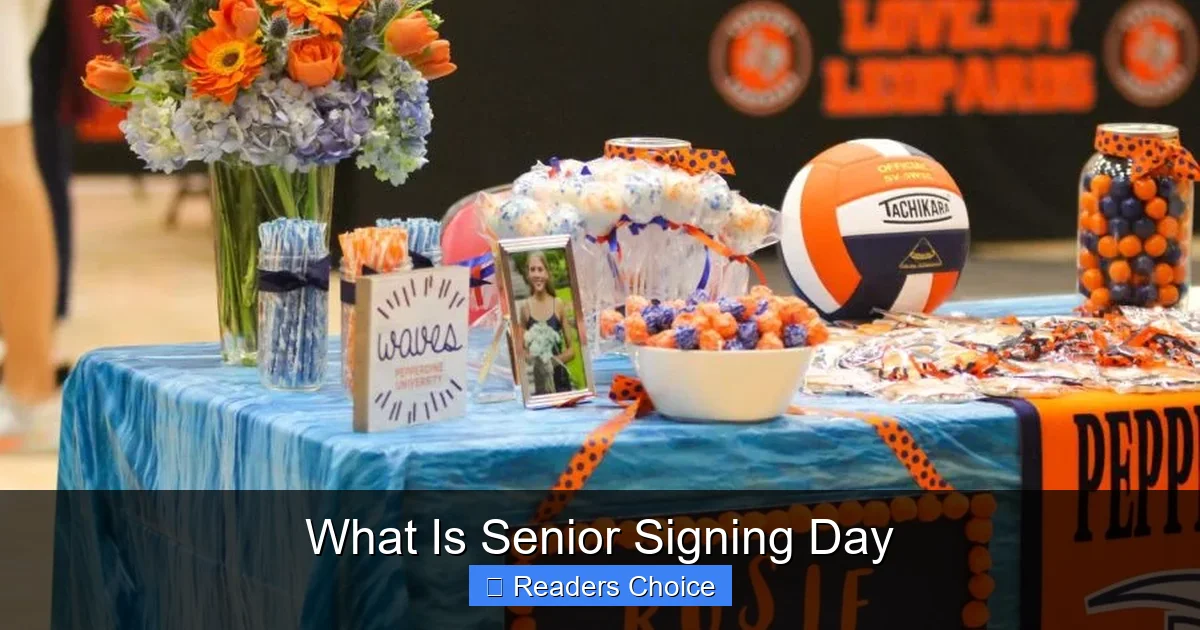
Visual guide about What Is Senior Signing Day
Image source: theredledger.net
If you’re a student, parent, or educator looking to make the most of Senior Signing Day, here are some practical tips to ensure the event is meaningful and memorable.
For Students: Prepare with Pride
Start planning early. Once you’ve decided on your post-graduation path, let your school counselor know so they can include you in the event. Practice what you’ll say if you’re giving a speech or being interviewed. Choose an outfit that makes you feel confident—many students wear college gear or formal attire.
Bring your family and friends. This day is about you, but it’s also about sharing your joy with the people who’ve supported you. Encourage your parents, siblings, or mentors to attend. If they can’t be there in person, ask if the event will be livestreamed.
For Parents: Be Present and Supportive
Your presence means the world. Even if you’re busy, try to clear your schedule for the event. Take photos, cheer loudly, and celebrate your child’s achievement. Avoid comparing their path to others—every journey is unique.
Help your child prepare. Talk to them about their plans, review their acceptance letters, and discuss next steps like housing or financial aid. Your involvement shows you’re invested in their future.
For Schools: Create an Inclusive Experience
Make sure every student feels included. Send personalized invitations to all seniors, regardless of their plans. Use inclusive language in speeches and materials—avoid phrases like “college-bound” that might exclude non-traditional paths.
Involve the community. Invite local college reps, business leaders, or alumni to speak or attend. Partner with businesses to donate gifts or refreshments. The more people involved, the more impactful the event will be.
For Counselors: Promote Early and Often
Start promoting Senior Signing Day in the fall. Use announcements, posters, and social media to build excitement. Host informational sessions for students and parents about how to participate.
Collect student information early. Create a simple form where students can submit their college choice, major, and any special notes. This helps with planning and ensures no one is left out.
Challenges and Criticisms
While Senior Signing Day is widely praised, it’s not without its challenges and critics. Some argue that the event can create pressure or highlight inequalities among students.
Pressure to Participate
Not all students have a clear plan by spring of their senior year—and that’s okay. Some may still be waiting on financial aid decisions, while others may be undecided. Forcing students to participate can create anxiety or make them feel left out.
Solution: Make participation optional and emphasize that all paths are valid. Offer alternative recognition for students who aren’t ready to commit.
Highlighting Inequities
In schools with low college-going rates, a large signing ceremony might unintentionally highlight the gap between students who are college-bound and those who aren’t. This can lead to feelings of inadequacy or resentment.
Solution: Frame the event as a celebration of all futures, not just college. Include students pursuing work, military, or gap years with equal enthusiasm.
Logistical Challenges
Hosting a large event takes time, money, and coordination. Smaller schools or underfunded districts may struggle to pull it off.
Solution: Start small. Even a classroom signing with a handmade board and a few speeches can be meaningful. Use digital tools to livestream or record the event for those who can’t attend.
The Future of Senior Signing Day
As education continues to evolve, so will Senior Signing Day. We’re already seeing trends like virtual signings, social media shoutouts, and multi-day celebrations. Some schools are even expanding the concept to include middle school “Future Signing Days” to inspire younger students.
The core purpose, however, will remain the same: to honor students’ dreams and remind them that their future is bright. In a world where young people face so much uncertainty, Senior Signing Day offers a moment of hope, pride, and community.
Conclusion
Senior Signing Day is more than just a ceremony—it’s a celebration of potential, perseverance, and possibility. It gives students a chance to stand in the spotlight, not for a trophy or a medal, but for their future. Whether they’re heading to Harvard, a local community college, or the military, every student deserves to be celebrated.
For schools, it’s a powerful tool to build culture and inspire the next generation. For families, it’s a milestone to cherish. And for students, it’s a reminder that their hard work has led them to this moment—and that even greater things lie ahead.
So the next time you hear about Senior Signing Day, remember: it’s not just about signing a name on a board. It’s about signing on to a future full of promise.
Frequently Asked Questions
What is Senior Signing Day?
Senior Signing Day is a celebratory event where high school seniors publicly announce and commit to their post-graduation plans, such as attending college, joining the military, or entering a trade program. It’s modeled after athletic signing days but now includes all students.
When is Senior Signing Day held?
Most schools hold Senior Signing Day in the spring of the senior year, often between April and May. Some schools may host multiple events or align the date with National Letter of Intent Day in February.
Do only college-bound students participate?
No. While many participants are heading to college, students pursuing community college, trade school, military service, or work are also celebrated. The event is designed to honor all post-graduation paths.
Can parents attend Senior Signing Day?
Yes, parents and families are encouraged to attend. Many schools invite families to watch the ceremony, take photos, and celebrate their student’s achievement.
Is Senior Signing Day the same as National Letter of Intent Day?
Not exactly. National Letter of Intent Day is specific to NCAA athletes signing with colleges. Senior Signing Day is broader and includes all students, not just athletes.
How can schools make Senior Signing Day inclusive?
Schools can ensure inclusivity by recognizing all post-graduation plans equally, using welcoming language, and making participation optional. Celebrating diverse paths helps every student feel valued.