
What Is a Senior Backpack


Bathtub Grab Bar

Smart Digital Photo Frame

Leg Massager for Circulation
A senior backpack is a specially designed bag that prioritizes comfort, accessibility, and safety for older adults. It features ergonomic support, easy-to-use zippers, and lightweight materials to reduce strain and enhance mobility during daily activities.
Key Takeaways
- Ergonomic Design: Senior backpacks are built with padded straps, lumbar support, and weight distribution to reduce back and shoulder strain.
- Lightweight and Durable: Made from high-quality, lightweight materials like nylon or polyester, they’re easy to carry without sacrificing durability.
- Easy Access Features: Look for wide openings, multiple compartments, and zipper pulls designed for arthritic hands or reduced dexterity.
- Reflective Elements and Safety: Many include reflective strips or bright colors to improve visibility during low-light walks or errands.
- Ideal for Daily Use: Perfect for grocery shopping, doctor visits, travel, or light hiking—keeping essentials organized and within reach.
- Health and Independence Support: Helps seniors maintain independence by making it easier to carry medications, water, and personal items safely.
- Customizable Fit: Adjustable straps and torso-length options ensure a snug, comfortable fit for various body types and mobility needs.
📑 Table of Contents
What Is a Senior Backpack?
Imagine a backpack that feels like it was made just for you—lightweight, easy to open, and kind to your back. That’s exactly what a senior backpack is: a thoughtfully designed bag created with the unique needs of older adults in mind. Unlike standard backpacks that prioritize style or extreme durability, senior backpacks focus on comfort, accessibility, and safety. They’re not just for hiking or school—they’re everyday companions for people who want to stay active, independent, and comfortable while on the go.
As we age, our bodies change. Joints may ache, balance can become less steady, and lifting heavy objects becomes more challenging. A regular backpack might strain your shoulders or slip off your back, but a senior backpack is engineered to support your body and simplify your life. Whether you’re heading to the grocery store, visiting the doctor, or enjoying a walk in the park, this type of bag helps you carry what you need—without the discomfort or hassle.
Why Do Seniors Need Special Backpacks?
You might wonder, “Can’t I just use any old backpack?” The short answer is yes—but you probably shouldn’t. Standard backpacks often have narrow straps, heavy frames, or complicated closures that can be tough on aging bodies. A senior backpack, on the other hand, is built with real-life challenges in mind. It’s not about being “old”—it’s about being smart, safe, and comfortable.
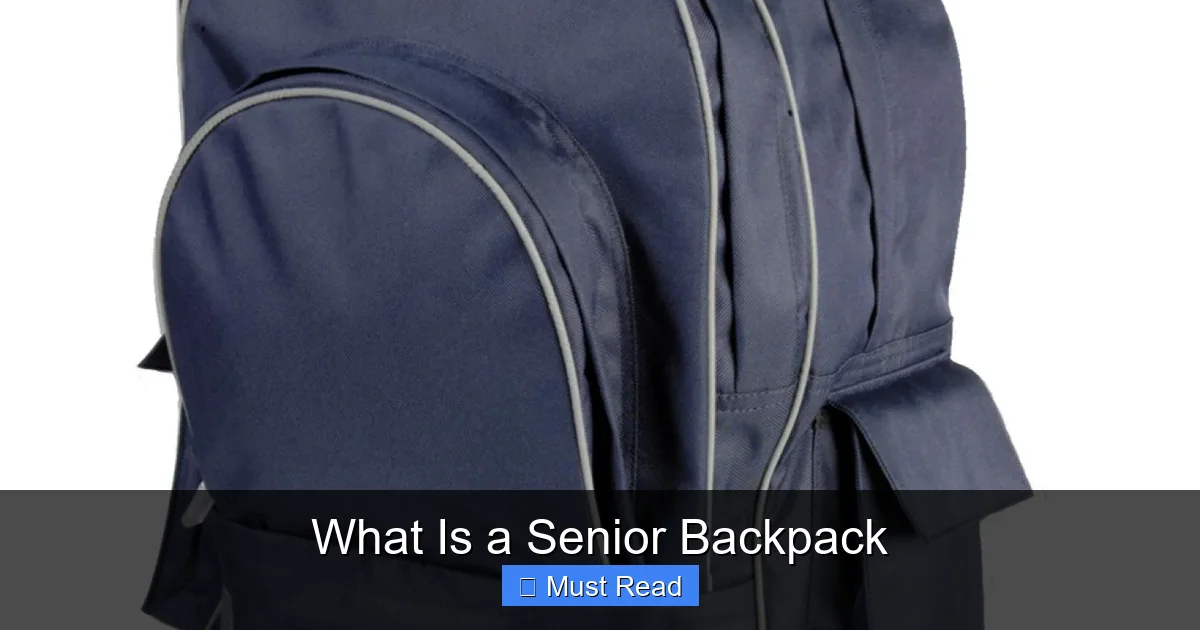
Visual guide about What Is a Senior Backpack
Image source: myschoolstyle.com
Reduced Physical Strain
One of the biggest reasons seniors benefit from specialized backpacks is reduced physical strain. Many older adults experience back pain, arthritis, or reduced muscle strength. A poorly designed backpack can worsen these issues by pulling on one shoulder or digging into the spine. Senior backpacks use wide, padded shoulder straps and chest or waist belts to distribute weight evenly across the body. This helps prevent muscle fatigue and keeps your posture aligned.
Improved Accessibility
Have you ever struggled to open a tiny zipper with stiff fingers? Or dropped your keys because the main compartment was too deep? These small frustrations add up. Senior backpacks often feature large, easy-grip zippers, front-loading designs, and multiple pockets at different levels. This means you can reach your phone, wallet, or medication without having to dig through the entire bag. Some even have magnetic closures or Velcro flaps for those with limited hand strength.
Enhanced Safety and Visibility
Safety is a top priority, especially for seniors who walk in low-light conditions. Many senior backpacks include reflective strips on the straps, sides, or back panel. These catch the light from car headlights or streetlamps, making you more visible to drivers. Some models also come in bright colors like orange, yellow, or teal—colors that stand out in a crowd or on a dimly lit path. This small feature can make a big difference in preventing accidents.
Key Features of a Senior Backpack
Not all backpacks labeled “senior-friendly” are created equal. To get the most benefit, look for specific features that address common challenges faced by older adults. Here’s what to keep an eye out for when shopping.

Visual guide about What Is a Senior Backpack
Image source: birdsofdereham.com
Ergonomic Straps and Support
The shoulder straps should be at least 2 inches wide and padded with soft, breathable material. Narrow straps dig into the shoulders and can cause nerve pain over time. Look for straps that are also adjustable—both in length and angle—so you can customize the fit. Some high-end models include a sternum strap (across the chest) or a waist belt to stabilize the load and reduce sway. This is especially helpful if you’re walking on uneven terrain or carrying heavier items.
Lightweight and Durable Materials
A senior backpack should be light—ideally under 2 pounds when empty. Heavy bags add unnecessary weight before you’ve even packed anything. Materials like ripstop nylon or polyester are ideal because they’re strong, water-resistant, and easy to clean. Avoid leather or canvas unless it’s specifically designed to be lightweight, as these can become cumbersome.
Wide Opening and Easy Access
Top-loading backpacks can be frustrating if you can’t see what’s inside. Look for models with a wide, U-shaped opening or a front-loading design. This allows you to lay the bag flat and see all your items at once. Some backpacks even have clamshell openings that split the bag in half—like a suitcase—making it easy to organize and retrieve items.
Multiple Compartments and Pockets
Organization is key. A good senior backpack should have at least three to five compartments: a main section for larger items, a front pocket for quick access, and side pockets for water bottles or umbrellas. Interior pockets with elastic bands are great for holding phones, keys, or medication bottles securely. Some models include a dedicated sleeve for a tablet or e-reader, which is perfect for staying entertained during travel.
Non-Slip and Padded Back Panel
The back of the backpack should have a padded, ventilated panel that sits comfortably against your spine. This not only reduces pressure but also prevents the bag from slipping off your back. Look for mesh padding that allows airflow—this keeps you cool and prevents sweat buildup, especially on warm days.
Reflective Details and Safety Features
As mentioned earlier, reflective elements are crucial for visibility. Check that the backpack has reflective strips on the front, sides, and straps. Some models even include LED lights or attachment points for bike lights. If you walk at dawn, dusk, or night, these features can be lifesavers.
Best Uses for a Senior Backpack
A senior backpack isn’t just for one activity—it’s a versatile tool for everyday life. Here are some of the most common and practical uses.

Visual guide about What Is a Senior Backpack
Image source: vetosports.com
Daily Errands and Grocery Shopping
Instead of juggling multiple bags or using a heavy tote, a senior backpack lets you carry groceries hands-free. Pack your reusable bags, wallet, shopping list, and even a small cooler for perishables. The even weight distribution means you won’t feel lopsided or strained, even after a long trip through the store.
Medical Appointments and Hospital Visits
Doctor visits often require bringing paperwork, insurance cards, a water bottle, and maybe a book or tablet to pass the time. A senior backpack keeps everything organized and within reach. Some models even have insulated pockets for medications that need to stay cool. Plus, having your hands free makes it easier to use a walker or cane if needed.
Travel and Day Trips
Whether you’re visiting family, exploring a new city, or taking a scenic drive, a senior backpack is a great travel companion. Pack snacks, a light jacket, your phone charger, and a travel guide. The compact size fits easily in overhead bins or under airplane seats, and the ergonomic design means you can walk through airports or train stations without discomfort.
Outdoor Activities and Light Hiking
Just because you’re older doesn’t mean you can’t enjoy nature. Many seniors love walking trails, visiting botanical gardens, or birdwatching. A lightweight backpack with good support makes these activities more enjoyable. Bring water, sunscreen, a hat, and a camera—all without feeling weighed down.
Exercise and Fitness Routines
If you attend water aerobics, yoga classes, or walking groups, a senior backpack can carry your gear. Pack a towel, water bottle, change of clothes, and even a small mat. The hands-free design lets you focus on your workout without worrying about dropping your belongings.
How to Choose the Right Senior Backpack
With so many options on the market, picking the right backpack can feel overwhelming. Here’s a simple guide to help you make the best choice for your needs.
Assess Your Needs
Start by thinking about how you’ll use the backpack most often. Do you need it for short walks around the neighborhood, or longer trips? Will you carry heavy items like books or groceries? Do you have arthritis or limited mobility? Answering these questions will help you narrow down your options.
Try It On (If Possible)
If you’re shopping in person, try the backpack on with weight inside. Fill it with a few books or water bottles to simulate real use. Walk around the store and see how it feels. Does it sit comfortably on your back? Are the straps easy to adjust? Can you reach the zippers without straining?
Check the Weight
Pick up the empty backpack. If it feels heavy, put it down. Remember, every ounce counts when you’re carrying it all day. Aim for a bag that weighs no more than 1.5 to 2 pounds.
Read Reviews from Other Seniors
Look for customer reviews from people in your age group. They’ll often mention things like comfort, durability, and ease of use that aren’t always clear from the product description. Websites like Amazon, REI, or specialty senior gear sites are great places to start.
Consider the Warranty and Return Policy
A good backpack should last for years. Check if the manufacturer offers a warranty—many reputable brands provide at least a one-year guarantee. Also, make sure you can return or exchange the bag if it doesn’t fit well or meet your expectations.
Top Brands and Models to Consider
While there’s no single “best” senior backpack, several brands are known for their senior-friendly designs. Here are a few top picks based on comfort, functionality, and user feedback.
Osprey Daylite Plus
This lightweight daypack is a favorite among older adults for its simple design and excellent support. It has a padded back panel, adjustable straps, and multiple pockets. The 20-liter capacity is perfect for day trips, and the front-loading design makes it easy to access items. Plus, it comes in bright colors with reflective details.
Deuter Speed Lite 20
Deuter is a German brand known for ergonomic backpacks. The Speed Lite 20 features a ventilated back system, chest strap, and lightweight frame. It’s ideal for walking or light hiking and includes a hydration sleeve for water bottles. The zippers are smooth and easy to grip.
Targus CityLite Pro Modern Backpack
Designed with urban seniors in mind, this backpack is sleek, water-resistant, and lightweight. It has a padded laptop sleeve, front organizer pocket, and reflective accents. The wide shoulder straps and padded back make it comfortable for daily commuting or shopping.
Eddie Bauer Traverse Pack
This affordable option offers great value with its durable construction and practical features. It includes a large main compartment, side mesh pockets, and a front zip pocket. The adjustable straps and padded back provide solid support, and the reflective trim adds safety.
Caring for Your Senior Backpack
To keep your backpack in top condition, follow these simple care tips.
Clean It Regularly
Wipe down the exterior with a damp cloth and mild soap. For deeper cleaning, check the care label—many backpacks are machine washable on a gentle cycle. Always air dry to prevent damage to zippers or fabric.
Store It Properly
When not in use, store your backpack in a cool, dry place. Avoid leaving it in direct sunlight or damp areas, as this can weaken the material or cause mold.
Inspect for Wear and Tear
Check the straps, zippers, and seams every few months. If you notice fraying, loose stitching, or broken zippers, repair or replace the bag to avoid accidents.
Conclusion
A senior backpack is more than just a bag—it’s a tool for independence, comfort, and safety. Designed with the real needs of older adults in mind, these backpacks make everyday tasks easier and more enjoyable. From grocery shopping to travel, they support an active lifestyle without compromising on health or convenience.
When choosing a senior backpack, focus on ergonomic design, lightweight materials, and easy-access features. Try it on, read reviews, and pick a model that fits your lifestyle. With the right backpack, you can carry your essentials with confidence, comfort, and peace of mind. After all, staying mobile and independent shouldn’t mean sacrificing comfort. A great senior backpack helps you do both—effortlessly.
Frequently Asked Questions
What makes a backpack “senior-friendly”?
A senior-friendly backpack includes features like padded straps, lightweight materials, easy-grip zippers, and reflective elements. These design choices reduce strain, improve accessibility, and enhance safety for older adults.
Can a senior backpack help with back pain?
Yes. Many senior backpacks are designed with ergonomic support, weight distribution, and lumbar padding to reduce pressure on the spine and shoulders, which can help alleviate or prevent back pain.
Are senior backpacks only for people with mobility issues?
No. While they’re especially helpful for those with arthritis, balance issues, or reduced strength, anyone over 50 can benefit from the comfort and convenience of a well-designed senior backpack.
Can I use a senior backpack for travel?
Absolutely. Many senior backpacks are compact, lightweight, and organized—perfect for carry-on travel, day trips, or exploring new places without the burden of heavy luggage.
How much should I spend on a senior backpack?
Prices range from $30 to $150. While budget options exist, investing in a higher-quality model often means better durability, comfort, and features that last for years.
Do senior backpacks come in different sizes?
Yes. They typically range from 15 to 30 liters. Choose a smaller size for daily errands and a larger one for travel or longer outings. Make sure the size fits your torso and doesn’t overwhelm your frame.