
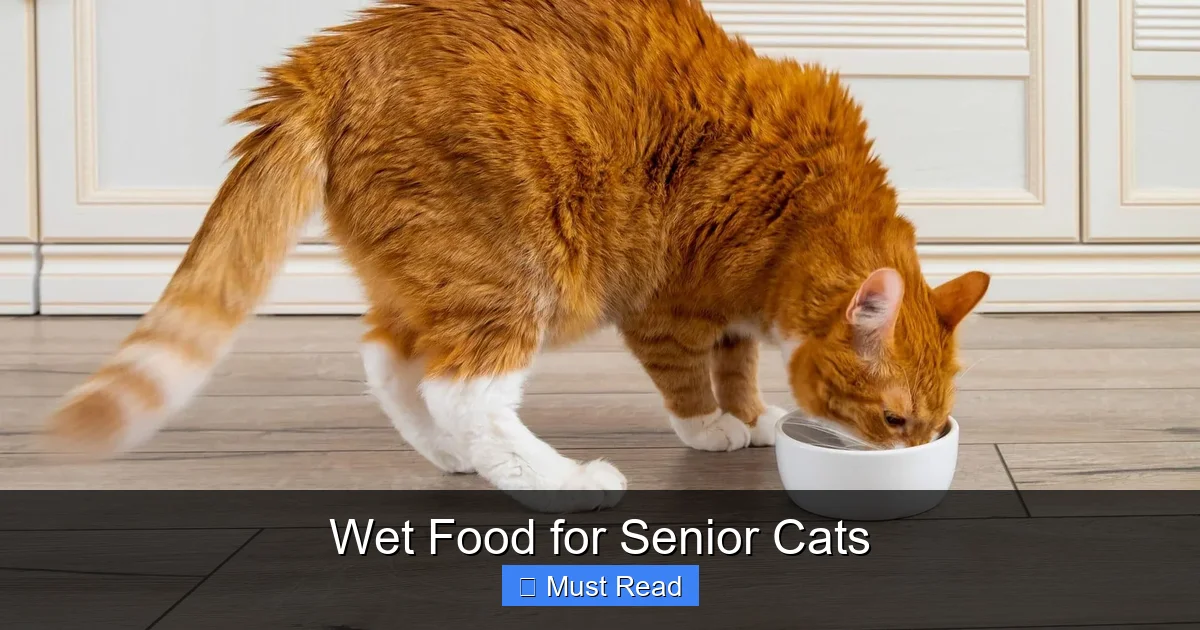
Wet Food for Senior Cats


Anti-Slip Shower Stickers

Pulse Oximeter Finger Monitor

Orthopedic Pillow
Choosing the right wet food for senior cats is essential for their health and happiness in their golden years. As cats age, their nutritional needs change—lower calories, easier digestion, and added support for kidneys and joints become vital. High-quality wet food helps maintain hydration, supports organ function, and keeps your senior cat feeling their best.
Key Takeaways
- Hydration is crucial: Wet food provides essential moisture, helping prevent urinary tract and kidney issues common in older cats.
- Easier to digest: Senior cats often have sensitive stomachs; wet food is gentler and more palatable than dry kibble.
- Supports kidney health: Look for low phosphorus and high-quality protein to ease the workload on aging kidneys.
- Joint and mobility support: Ingredients like glucosamine and omega-3s help maintain flexibility and reduce inflammation.
- Weight management: Many senior cats become less active; lower-calorie wet food helps prevent obesity without sacrificing nutrition.
- Enhanced flavor and aroma: Older cats may lose their sense of smell; wet food’s strong scent encourages eating.
- Tailored nutrition: Choose formulas specifically designed for seniors (7+ years) to meet their unique dietary needs.
📑 Table of Contents
- Why Wet Food Is Ideal for Senior Cats
- What to Look for in Wet Food for Senior Cats
- Top Ingredients to Avoid in Senior Cat Wet Food
- Best Wet Food Brands for Senior Cats
- How to Transition Your Senior Cat to Wet Food
- Common Health Issues in Senior Cats and How Wet Food Helps
- Tips for Feeding Wet Food to Senior Cats
- Conclusion
Why Wet Food Is Ideal for Senior Cats
As your cat enters their senior years—typically around age 7—their body begins to change in subtle but important ways. Their metabolism slows, their senses dull, and their internal organs work a little harder to keep up. One of the smartest choices you can make for your aging feline friend is switching to wet food. But why is wet food so beneficial for senior cats?
First and foremost, wet food is packed with moisture. Cats are naturally low-thirst drinkers, a trait inherited from their desert-dwelling ancestors. As they age, this instinct becomes even more problematic. Dehydration can lead to urinary tract infections, bladder stones, and chronic kidney disease—conditions that are far too common in older cats. Wet food typically contains 70–80% water, which helps keep your cat hydrated without them having to drink large amounts of water. This is especially helpful if your senior cat isn’t drinking enough on their own.
Another major benefit is digestibility. Senior cats often experience slower digestion and reduced stomach acid production, making it harder for them to break down food. Wet food is softer and easier to chew—important if your cat has dental issues or missing teeth. It’s also more palatable, which is key for older cats who may lose interest in food due to a diminished sense of smell or taste. The rich aroma and texture of wet food can entice even the pickiest senior eaters.
Let’s not forget about kidney health. Chronic kidney disease (CKD) affects up to one in three cats over the age of 10. Wet food supports kidney function by reducing the concentration of waste products in the blood and lowering the workload on the kidneys. Diets with controlled phosphorus levels and high-quality protein are especially beneficial, and many senior wet foods are formulated with this in mind.
What to Look for in Wet Food for Senior Cats
Not all wet food is created equal—especially when it comes to senior cats. With so many options on the market, it’s important to know what ingredients and features matter most. Here’s a breakdown of what to prioritize when choosing the best wet food for your aging cat.
Visual guide about Wet Food for Senior Cats
Image source: senior-cats.com
High-Quality, Digestible Protein
Protein is essential for maintaining muscle mass, which tends to decline with age. However, not all protein is equal. Look for wet food that lists a named animal protein as the first ingredient—such as chicken, turkey, salmon, or duck. Avoid vague terms like “meat by-products” or “animal digest.” High-quality protein supports lean muscle and provides the amino acids your cat needs for energy and immune function.
That said, senior cats with kidney issues may benefit from slightly reduced protein levels—but never low-protein diets unless prescribed by a vet. The key is high biological value protein, meaning it’s easily absorbed and produces fewer waste products. This reduces strain on the kidneys while still supporting muscle health.
Controlled Phosphorus Levels
Phosphorus is a mineral that, in excess, can accelerate kidney damage. Senior cats, especially those with early-stage kidney disease, should eat food with lower phosphorus content. While there’s no one-size-fits-all number, aim for wet foods with phosphorus levels under 1% on a dry matter basis. Many veterinary and senior-specific formulas are designed with this in mind.
Added Joint Support
Arthritis and joint stiffness are common in older cats. Look for wet foods that include joint-supporting ingredients like glucosamine, chondroitin, and omega-3 fatty acids (especially EPA and DHA from fish oil). These nutrients help reduce inflammation, improve mobility, and keep your cat more comfortable during daily activities like jumping or climbing stairs.
Fiber for Digestive Health
Senior cats are prone to constipation and slowed digestion. A moderate amount of fiber—from sources like pumpkin, beet pulp, or psyllium—can help regulate bowel movements. However, too much fiber can interfere with nutrient absorption, so balance is key. Look for wet foods that include gentle, natural fiber sources without overdoing it.
Taurine and Other Essential Nutrients
Taurine is a critical amino acid for cats, essential for heart health, vision, and immune function. Senior cats still need adequate taurine, and wet food is an excellent source. Also check for added vitamins like B12 (important for energy and nerve function) and antioxidants like vitamin E and selenium, which help combat oxidative stress and support aging cells.
Low to Moderate Calories
Many senior cats become less active, which means they burn fewer calories. Obesity can lead to diabetes, joint problems, and heart strain. Choose wet food with moderate calorie density—around 80–100 calories per 5.5-ounce can—to help maintain a healthy weight. Avoid high-fat formulas unless your vet recommends them for underweight cats.
Top Ingredients to Avoid in Senior Cat Wet Food
Just as important as what to look for is what to avoid. Some ingredients commonly found in commercial cat food can be harmful or unnecessary for senior cats. Being a savvy label reader can make a big difference in your cat’s long-term health.

Visual guide about Wet Food for Senior Cats
Image source: simplycatcare.com
Fillers and By-Products
Ingredients like corn, wheat, soy, and meat by-products offer little nutritional value and can be hard to digest. These fillers are often used to bulk up food cheaply. Senior cats don’t need extra carbs or low-quality proteins—they need nutrient-dense meals that support their aging bodies.
Artificial Additives
Avoid wet foods with artificial colors, flavors, or preservatives like BHA, BHT, and ethoxyquin. These chemicals have been linked to health issues in pets, including allergies and organ stress. Natural preservatives like mixed tocopherols (vitamin E) are much safer and equally effective.
Excessive Sodium
While some sodium is necessary, too much can increase blood pressure and strain the kidneys. Senior cats, especially those with heart or kidney disease, should avoid high-sodium diets. Check the label and opt for formulas with moderate sodium levels.
Grains and Starches
Cats are obligate carnivores, meaning their bodies are designed to thrive on meat, not carbohydrates. While small amounts of grain or starch (like rice or oats) aren’t inherently harmful, they shouldn’t dominate the ingredient list. Excess carbs can lead to weight gain and blood sugar spikes—especially problematic for senior cats prone to diabetes.
Best Wet Food Brands for Senior Cats
With so many options available, it can be overwhelming to choose the right wet food. To help narrow it down, here are some of the top-rated brands and formulas specifically designed for senior cats. These picks balance nutrition, palatability, and health support.

Visual guide about Wet Food for Senior Cats
Image source: simplycatcare.com
Hill’s Science Diet Senior 11+
This vet-recommended formula is designed for cats aged 11 and older. It features high-quality chicken as the first ingredient, controlled phosphorus levels, and added antioxidants for immune support. The texture is soft and easy to eat, making it ideal for cats with dental issues. Many pet owners report improved energy and coat condition after switching.
Royal Canin Aging 12+
Formulated for cats over 12, this wet food supports kidney function with reduced phosphorus and high levels of EPA/DHA for joint health. It also includes L-carnitine to help maintain a healthy weight. The loaf-in-sauce texture is highly palatable, even for finicky eaters.
Purina Pro Plan Prime Plus
This formula combines real chicken with a proprietary blend of antioxidants, beta-glucan, and prebiotic fiber. It’s specifically designed to support the immune system and digestion in senior cats. Many users notice improved stool quality and increased appetite after switching.
Blue Buffalo Healthy Aging
Made with deboned chicken, this grain-free option includes glucosamine, chondroitin, and omega-3s for joint support. It’s free from artificial preservatives and by-products, appealing to owners who prefer natural ingredients. The pâté texture is smooth and easy to chew.
Wellness Complete Health Senior
This holistic formula features turkey and chicken liver as primary proteins, along with cranberries for urinary health and taurine for heart support. It’s free from grains, fillers, and artificial additives. The high moisture content and rich flavor make it a favorite among senior cats.
Veterinary Diets (e.g., Hill’s k/d, Royal Canin Renal Support)
For cats with diagnosed kidney disease, prescription wet foods like Hill’s k/d or Royal Canin Renal Support are often necessary. These diets are formulated with very low phosphorus, high-quality protein, and added omega-3s to slow disease progression. Always consult your vet before switching to a therapeutic diet.
How to Transition Your Senior Cat to Wet Food
Switching your senior cat to wet food doesn’t have to be stressful. In fact, with a little patience and planning, most cats adapt quickly. Here’s a step-by-step guide to make the transition smooth and successful.
Start Slowly
Gradual transitions are key, especially for older cats with sensitive stomachs. Begin by mixing a small amount of wet food into their current dry food—about 10–20% wet to 80–90% dry. Over 7–10 days, gradually increase the proportion of wet food while decreasing the dry.
Warm It Up
Cats are more likely to eat food that’s slightly warmed, as it enhances the aroma. Try warming the wet food to room temperature or slightly above (never hot) by placing the opened can in a bowl of warm water for a few minutes. This mimics the temperature of fresh prey and can entice reluctant eaters.
Offer Variety
Senior cats can be picky, so don’t be afraid to try different flavors and textures. Some prefer pâté, while others like chunks in gravy or shredded meat. Rotating between a few trusted brands can also prevent food boredom and ensure balanced nutrition.
Monitor Portions and Frequency
Wet food spoils quickly, so feed smaller meals more frequently—twice or even three times a day. This helps maintain steady energy levels and prevents overeating. Use a food scale or measuring cup to ensure you’re feeding the right amount based on your cat’s weight and activity level.
Watch for Digestive Changes
It’s normal for your cat’s stool to change slightly when switching to wet food—softer stools are common due to increased moisture. However, if you notice vomiting, diarrhea, or loss of appetite, slow down the transition or consult your vet. Some cats may need a more gradual switch or a different formula.
Common Health Issues in Senior Cats and How Wet Food Helps
As cats age, they become more susceptible to a range of health problems. The good news? The right diet—especially wet food—can play a powerful role in prevention and management. Here’s how wet food supports some of the most common senior cat conditions.
Kidney Disease
Chronic kidney disease is one of the leading causes of death in older cats. Wet food helps by reducing the concentration of toxins in the blood and lowering phosphorus intake. Diets with high moisture content decrease the risk of dehydration, a major contributor to kidney stress. Early intervention with a kidney-supportive wet food can slow disease progression and improve quality of life.
Urinary Tract Health
Dilute urine is less likely to form crystals or stones. Wet food increases urine volume and reduces its concentration, helping prevent feline lower urinary tract disease (FLUTD). This is especially important for male cats, who are more prone to blockages.
Obesity and Weight Management
Senior cats often gain weight due to reduced activity and slower metabolism. Wet food is typically lower in carbohydrates and calories than dry food, making it easier to manage weight. The high protein content also helps preserve muscle mass, which supports a healthy metabolism.
Dental and Oral Health
While wet food doesn’t clean teeth like dry kibble, it’s much easier for cats with dental pain or missing teeth to eat. This ensures they continue to get proper nutrition without discomfort. For dental care, combine wet food with regular vet checkups and dental treats or water additives.
Arthritis and Joint Pain
Joint supplements in wet food—like glucosamine and omega-3s—can reduce inflammation and improve mobility. Easier chewing also means less strain on sore jaws, encouraging your cat to eat consistently and maintain strength.
Tips for Feeding Wet Food to Senior Cats
Feeding wet food to a senior cat isn’t just about what you serve—it’s also about how you serve it. Small changes in routine and presentation can make a big difference in your cat’s appetite and overall well-being.
Serve Fresh Meals
Unlike dry food, wet food doesn’t stay fresh for long. Once opened, it should be refrigerated and used within 3–4 days. Never leave wet food out for more than 4–6 hours at room temperature, as bacteria can grow quickly. Use airtight containers to keep it fresh.
Use Shallow Bowls
Senior cats may have whisker fatigue or arthritis in their necks. Deep bowls can cause discomfort. Opt for shallow, wide dishes that allow easy access without straining. Ceramic or stainless steel bowls are best—avoid plastic, which can harbor bacteria and cause allergies.
Encourage Hydration
Even with wet food, some senior cats don’t drink enough water. Place multiple water bowls around the house, use a cat water fountain, or add a little low-sodium broth to their water to encourage drinking.
Monitor Body Condition
Regularly check your cat’s weight and body condition. You should be able to feel their ribs easily but not see them prominently. If your cat is losing weight or becoming too thin, consult your vet—they may need a higher-calorie diet or medical evaluation.
Stick to a Routine
Senior cats thrive on consistency. Feed at the same times each day, and keep their feeding area quiet and stress-free. Avoid sudden changes in diet or environment, which can lead to digestive upset or refusal to eat.
Conclusion
Choosing the right wet food for senior cats is one of the most impactful decisions you can make for their health and happiness. As your feline companion ages, their nutritional needs evolve—requiring more hydration, easier digestion, and targeted support for organs and joints. Wet food meets these needs beautifully, offering moisture-rich, palatable meals that keep your cat energized and comfortable.
From supporting kidney function to managing weight and easing joint pain, the benefits of wet food for senior cats are backed by science and trusted by veterinarians. By selecting high-quality formulas with real meat, controlled phosphorus, and joint-supporting ingredients, you’re giving your cat the best chance at a long, vibrant life.
Remember, every cat is unique. What works for one senior may not suit another. Pay attention to your cat’s preferences, monitor their health, and don’t hesitate to consult your vet for personalized advice. With the right diet and a little love, your senior cat can enjoy their golden years to the fullest.
Frequently Asked Questions
At what age should I switch my cat to senior wet food?
Most cats enter their senior years around age 7, but some may benefit from senior diets as early as 6. Consult your vet to determine the best time based on your cat’s health, breed, and activity level.
Can I mix wet and dry food for my senior cat?
Yes, many owners combine wet and dry food. Wet food provides hydration and palatability, while dry food can help with dental health. Just ensure the total daily calories and nutrients are balanced.
Is grain-free wet food better for senior cats?
Not necessarily. While grain-free diets avoid fillers, senior cats don’t require grains. Focus on high-quality protein and digestibility rather than grain content alone.
How much wet food should I feed my senior cat?
Feeding amounts vary by weight, activity, and formula. Generally, a 10-pound senior cat needs about 5–6 ounces of wet food daily, split into two meals. Always follow the guidelines on the package and adjust as needed.
What if my senior cat refuses to eat wet food?
Try warming the food, offering different textures or flavors, or mixing it with a small amount of tuna juice or low-sodium broth. If refusal persists, consult your vet to rule out dental or medical issues.
Can wet food cause diarrhea in senior cats?
Sudden diet changes can upset digestion. Transition slowly over 7–10 days. If diarrhea continues, it may indicate a food intolerance or underlying health issue—seek veterinary advice.