
Westgate Village a Provincial Senior Living Community


Slow Cooker Crock Pot

Shower Chair for Elderly

Pulse Oximeter Finger Monitor
Westgate Village a Provincial Senior Living Community redefines retirement by blending small-town charm with comprehensive care. This guide explores its unique philosophy, care levels, amenities, and resident lifestyle, helping you understand why it’s a top choice for seniors seeking a fulfilling, secure, and socially engaging home. We cover practical costs, tips for choosing, and answer key FAQs.
Imagine a place where the front porch is a spot for morning chats with neighbors, the community garden is a source of fresh tomatoes and friendship, and the weekly BBQ is a chance to reconnect with old friends and make new ones. This isn’t a nostalgic daydream; it’s the daily reality at Westgate Village a Provincial Senior Living Community. In a world where senior living can sometimes feel like a clinical institution or an overwhelming metropolis, Westgate Village stands out by returning to a simpler, more connected way of life. It’s a place designed not just for the later years, but for the better years—where support is available but never imposed, and community is the foundation of everything they do.
Choosing a senior living community is one of the most significant decisions a family makes. It’s about balancing care needs with quality of life, financial planning with peace of mind, and individual independence with the security of knowing help is always near. Westgate Village a Provincial Senior Living Community has built its reputation on mastering this balance. This comprehensive guide will walk you through every facet of what makes this community special, from its guiding philosophy to the nitty-gritty of contracts and daily life. Whether you’re beginning your search for a parent or planning for your own future, understanding what sets a community like Westgate apart is the first step toward finding the perfect fit.
Key Takeaways
- Provincial Charm, Modern Care: Westgate Village offers a tight-knit, small-community atmosphere often missing in large urban senior living, while providing full-spectrum care from independent living to memory support.
- Personalized Care is Core: The community uses a person-centered approach, creating Individual Service Plans that adapt to each resident’s needs, preferences, and health goals, ensuring dignity and autonomy.
- Lifestyle & Amenities Drive Engagement: From resort-style pools and fitness centers to lifelong learning and volunteer programs, the community is designed to eliminate isolation and promote physical, social, and cognitive wellness.
- Financial Flexibility: Westgate Village typically offers multiple contract options (Life Care, Modified, Fee-for-Service) and works with long-term care insurance and veterans’ benefits to make senior living accessible.
- Strong Community & Family Integration: Regular family events, transparent communication, and a culture that encourages family involvement make it a holistic choice for both residents and their loved ones.
📑 Table of Contents
- The Provincial Philosophy: Why Small-Scale Matters in Senior Living
- Spectrum of Care: From Independent Living to Specialized Support
- Amenities & Lifestyle: Crafting a Day Worth Waking Up For
- The Financial Picture: Understanding Costs & Contracts
- Making the Decision: A Step-by-Step Guide for Families
- Conclusion: Finding More Than a Place to Live
The Provincial Philosophy: Why Small-Scale Matters in Senior Living
The term “provincial” might conjure images of remoteness, but in the context of Westgate Village a Provincial Senior Living Community, it’s a deliberate and cherished design choice. It speaks to scale, familiarity, and a human-centric approach. Unlike massive high-rise complexes that can feel impersonal, Westgate Village is intentionally sized to foster genuine relationships. Staff know residents by name, not by room number. Neighbors become friends who share meals, walks, and life stories. This scale creates a palpable sense of safety and belonging—a “neighborhood” within a secure, supportive environment.
The Psychology of Place: Belonging Over Just Belonging Somewhere
Research consistently shows that social connection is the single biggest predictor of health and happiness in older adults. Isolation is a major risk factor for cognitive decline, depression, and even mortality. Westgate Village a Provincial Senior Living Community architecturally and programmatically combats this. Walkways are designed for casual encounters; common areas like the fireplace lounge or library are cozy, inviting spaces that encourage lingering and conversation. The community is large enough to offer diverse programming but small enough that you’re likely to see a familiar face every day. This design reduces the “lost in the crowd” feeling that can occur in larger communities.
For families, this scale means transparency. You’re not just a number. Administrators and care directors are accessible, and communication is frequent and personal. When you visit, you’ll feel the difference in the air—a warmth, a buzz of activity, and a genuine sense of home. It’s the antithesis of the sterile, hospital-like atmosphere some fear. This philosophy extends to hiring; staff are often selected for their interpersonal skills and genuine desire to work with seniors, not just their credentials. The result is a culture of respect and familial care that permeates every interaction.
Rooted in the Local Community
A provincial community doesn’t exist in a vacuum. Westgate Village a Provincial Senior Living Community actively cultivates ties with the surrounding town. Residents might volunteer at the local library, attend town festivals, or have local schoolchildren perform for them. Intergenerational programs are common, bringing energy and fresh perspective. This integration prevents the “retirement island” syndrome and allows residents to maintain a connection to the broader world, preserving their identity as community members, not just as “residents.” It also provides a rich tapestry of local experiences, from farmer’s market trips to local theater outings, that are woven into the activity calendar.
Spectrum of Care: From Independent Living to Specialized Support
One of the greatest advantages of a full-service community like Westgate Village a Provincial Senior Living Community is the ability to “age in place.” Life stages and health needs change. A community that offers a continuum of care allows you to move seamlessly between levels without the trauma of relocating. This continuity is invaluable for both residents and their families.
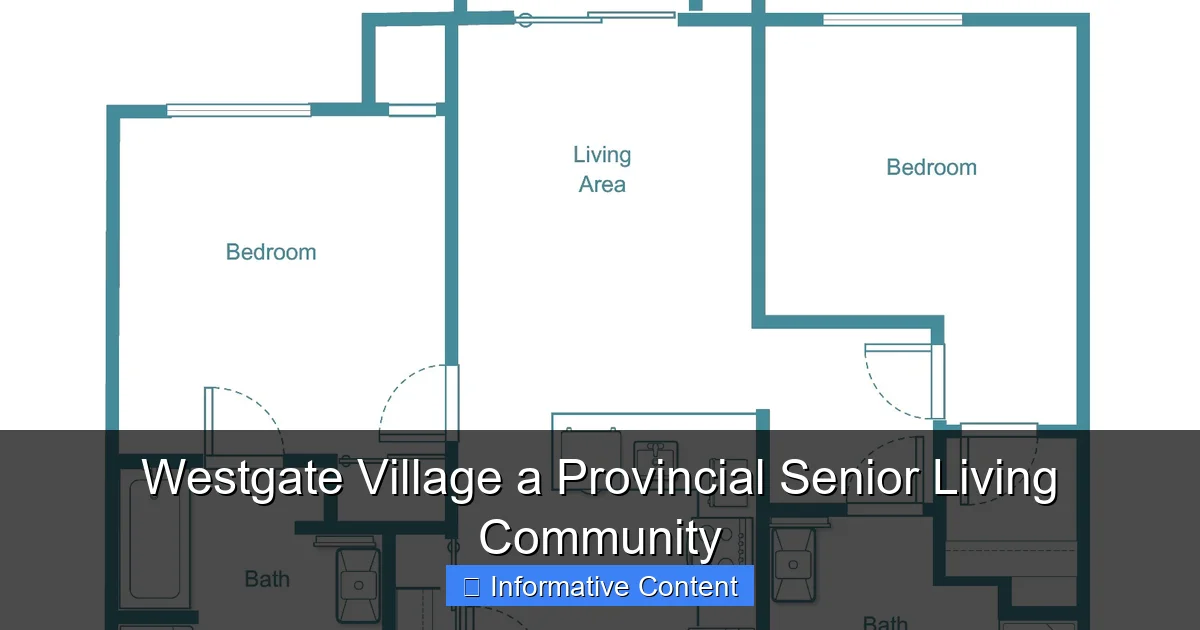
Visual guide about Westgate Village a Provincial Senior Living Community
Image source: whisperingoakssl.seniorlivingnearme.com
Independent Living: The Freedom of Maintenance-Free Living
This is the entry point for many. Independent living at Westgate Village is for active seniors who do not need daily medical or personal care but desire a lock-and-leave lifestyle. Residents live in spacious, private apartments or cottages, often with full kitchens. The community handles all exterior maintenance, landscaping, housekeeping, and even some interior services like linen changes. This freedom from chores is often the first major quality-of-life improvement. Residents can travel, pursue hobbies, or simply relax without worrying about repairs or yard work. Meals are optional in a vibrant dining room serving chef-prepared, nutritious meals, but many residents enjoy cooking in their own homes. It’s about maximizing autonomy while having a rich menu of social and recreational opportunities just outside the door.
Practical Tip: When touring independent living apartments, assess the layout for future accessibility. Are doorways wide enough for a wheelchair? Is there a shower instead of a tub? Even if you don’t need it now, these features ensure the apartment can adapt with you. Westgate Village a Provincial Senior Living Community typically designs its homes with this “universal design” principle in mind.
Assisted Living: Support with Dignity
When activities of daily living (ADLs) like bathing, dressing, medication management, or mobility become challenging, assisted living provides the perfect bridge. It offers 24/7 staffing and personalized support plans while still promoting as much independence as possible. At Westgate, the focus is on “assisting,” not “doing for.” Trained caregivers are available to help with specific tasks, ensuring safety and hygiene while allowing residents to make choices about their daily routines. The environment remains residential and homelike, not institutional. Medication management is a critical service here, handled by licensed professionals to prevent errors—a common concern for families.
It’s a common misconception that moving to assisted living means losing all independence. At Westgate Village a Provincial Senior Living Community, it often means regaining it. Freed from the struggle of managing complex medications or the fear of falling in the bathroom, residents often find they have more energy and confidence to enjoy social activities and personal pursuits. The community also handles all meals, housekeeping, and laundry, further reducing stress.
Memory Care: Specialized Support for Alzheimer’s & Dementia
For those living with Alzheimer’s disease or other dementias, specialized memory care is essential. This is not simply assisted living with a locked door. Memory care at Westgate Village a Provincial Senior Living Community is a distinct program with specially trained staff, secure yet non-restrictive environments, and therapeutic activities designed to reduce anxiety, spark memory, and maintain cognitive function for as long as possible. The design minimizes confusion—clear signage, consistent routines, safe outdoor spaces for wandering. Programs like music therapy, reminiscence groups, and sensory stimulation are staples. The goal is to provide safety and profound understanding for the resident, while offering immense support and education for families navigating the emotional journey of dementia.
Important Consideration: Ask specific questions about the memory care program’s philosophy. Is it based on a recognized model like the Montessori method for dementia or the Best Friends Approach? What is the staff-to-resident ratio, and what specialized training do they receive? The quality of memory care varies dramatically, and Westgate Village a Provincial Senior Living Community should be able to detail its evidence-based approaches with confidence.
Amenities & Lifestyle: Crafting a Day Worth Waking Up For
Care is the foundation, but lifestyle is the soul of a senior living community. At Westgate Village a Provincial Senior Living Community, the amenities and programming are designed to engage the whole person—body, mind, and spirit. The goal is to provide a calendar so full of interesting options that residents have to choose what to do, not wonder what to do.
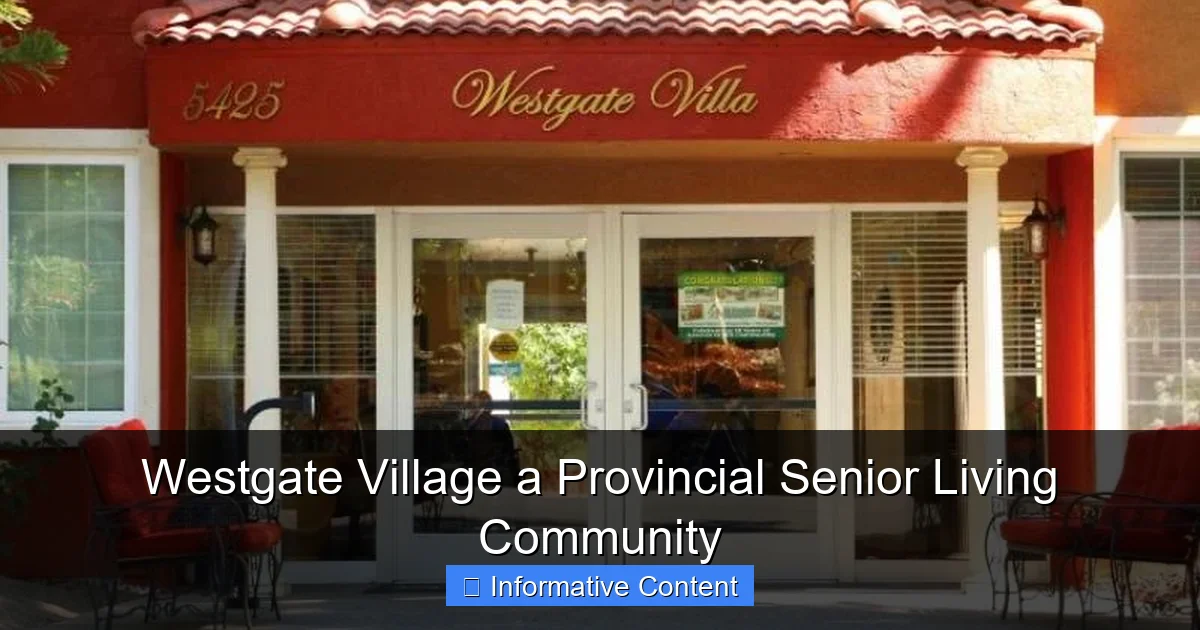
Visual guide about Westgate Village a Provincial Senior Living Community
Image source: seniorliving.com
Health & Wellness: From Fitness to Therapy
A state-of-the-art fitness center with senior-oriented equipment is standard. But the real differentiator is the programming. Look for offerings like:
- Balance & Fall Prevention Classes: Crucial for maintaining independence.
- Water Aerobics: Low-impact, full-body exercise in a therapeutic pool.
- Physical, Occupational, & Speech Therapy: Often available on-site through partnerships, making rehabilitation convenient.
- Wellness Checks: Regular monitoring of vital signs and overall well-being by nursing staff.
The community should also have a beauty/barber salon, ensuring residents can maintain their grooming routines without leaving campus, which is a huge boost to self-esteem.
Social, Educational & Creative Engagement
Boredom is the enemy of well-being. Westgate Village a Provincial Senior Living Community combats it with a robust activities department. Expect a mix of:
- Lifelong Learning: Lectures, book clubs, film series, and partnerships with local colleges for audit programs.
- Creative Arts: Studios for painting, ceramics, woodworking, and music rooms.
- Social & Cultural Events: Themed dinners, holiday celebrations, local musician performances, and outings to museums, theaters, and restaurants.
- Spiritual Wellness: On-site chapel or meditation space, and transportation to local services of various faiths.
- Volunteer & Purpose Programs: Opportunities to give back, whether knitting for charity, mentoring local students, or helping in the community garden. Having a sense of purpose is a powerful antidote to depression in later life.
The activity calendar should reflect the diverse interests of a multigenerational senior population—from bridge and bocce ball to tech tutorials and current events discussions.
Dining: More Than Just a Meal
Food is a central social and sensory experience. Dining at Westgate Village a Provincial Senior Living Community should feel like a restaurant experience, not a cafeteria. Menus are typically created by a chef and a dietitian, offering multiple choices per meal, including special dietary accommodations (low-sodium, diabetic-friendly, texture-modified). Restaurant-style service in a beautifully appointed dining room encourages residents to dress up and socialize. Many communities also offer more casual bistro or grill options for lighter meals and snacks. The ability to enjoy a well-prepared meal with friends daily is a significant, often underestimated, perk that improves nutrition and happiness.
The Financial Picture: Understanding Costs & Contracts
Senior living is a significant financial commitment, and transparency is key. Westgate Village a Provincial Senior Living Community, like most reputable providers, offers clear explanations of its fee structure. The two primary components are the Entrance Fee (a one-time, often partially refundable payment) and the Monthly Service Fee (covering rent, meals, utilities, and basic services). The contract type you choose determines how future care costs are handled.
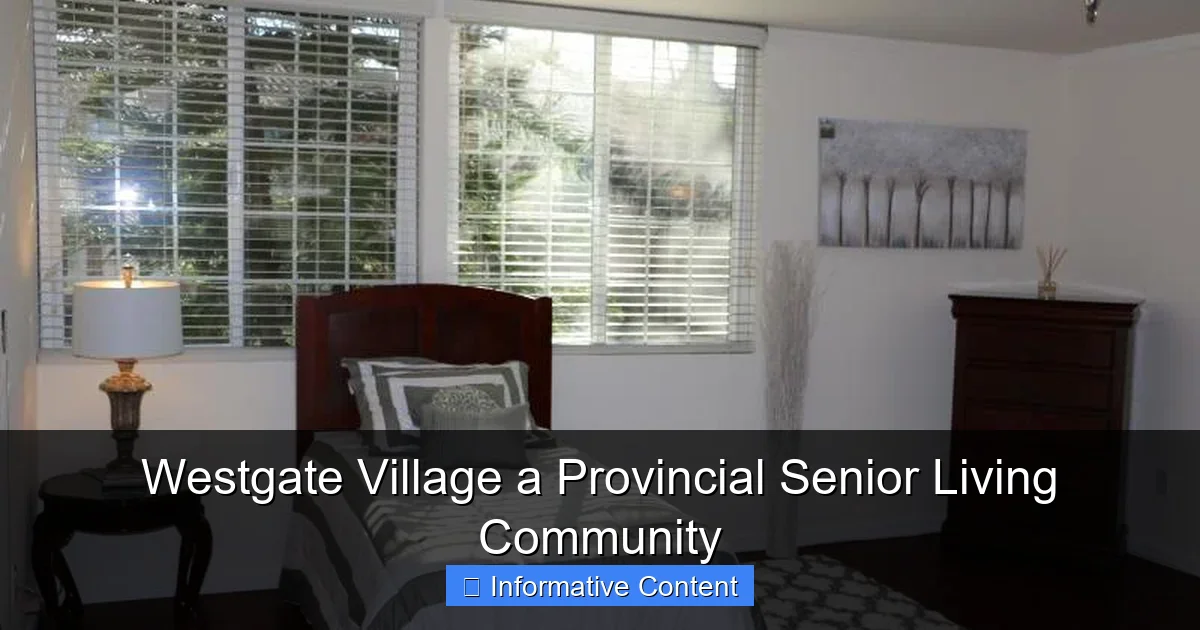
Visual guide about Westgate Village a Provincial Senior Living Community
Image source: seniorliving.com
Contract Models: Which One is Right for You?
- Life Care (Type A): You pay a higher entrance fee. In return, your monthly fee remains the same even if your care needs increase to the highest level (e.g., skilled nursing). This provides maximum financial predictability and protection against rising care costs.
- Modified (Type B): A lower entrance fee. Your monthly fee is stable for a set period (e.g., 2-3 years) in the current care level. If you need a higher level of care later, your monthly fee increases, but at a predetermined, discounted rate compared to market rates. It’s a middle-ground option.
- Fee-for-Service (Type C): The lowest or no entrance fee. You pay a standard monthly fee for your current living arrangement (e.g., independent or assisted). If your needs increase, you pay the market rate for the higher level of care. This has the lowest upfront cost but the most financial uncertainty long-term.
Westgate Village a Provincial Senior Living Community will present these options and help you model the long-term financial implications based on your health and life expectancy. It’s crucial to consult with a financial advisor or elder law attorney before signing. Also, inquire about what the monthly fee doesn’t cover—typically things like personal laundry beyond a set amount, certain salon services, or extra guest meals.
Funding Sources & Helpful Tips
Most residents pay privately (through savings, pensions, Social Security, and the sale of a family home). However, other resources can help:
- Long-Term Care Insurance: If you have a policy, it can cover a significant portion of monthly fees. The community will have a benefits specialist to help file claims.
- Veterans Benefits: The VA’s Aid and Attendance pension can provide a monthly stipend to help cover senior living costs for eligible wartime veterans and their surviving spouses. The application process is complex; the community’s social worker can often provide guidance or refer you to a specialist.
- Life Insurance Policies: Some policies can be converted into a lump-sum payment for senior living.
Pro Tip: Always ask about the community’s history of raising monthly fees. Request to see the fee increase schedule for the past 5-10 years. A moderate, predictable increase (e.g., 3-5% annually) is standard. Sharp, unpredictable hikes are a red flag.
Making the Decision: A Step-by-Step Guide for Families
The search for the right senior living community can be emotional and overwhelming. Here’s a structured approach to navigate it with confidence, using Westgate Village a Provincial Senior Living Community as a benchmark.
Step 1: The Conversation & Assessment (Start 18-24 Months Before Needed)
Talk early and often. Discuss wishes, fears, and finances with your loved one. Use a professional assessment from a geriatric care manager or your family doctor to objectively determine current and projected care needs. Is independent living sufficient now? Is memory care a looming concern? This assessment will dictate your search parameters. Many communities, including Westgate Village, offer free, no-obligation assessments on-site.
Step 2: The Deep-Dive Tour (Visit 3-5 Communities)
Never decide based on a brochure or website alone. Schedule multiple visits at different times of day—morning (to see activity), during a meal (to observe dining quality and resident interaction), and evening. Go beyond the model apartment. Ask to see:
- A resident’s room in the care level you need.
- The laundry and housekeeping areas.
- The “back of house” to gauge cleanliness and organization.
- Outdoor spaces and how they are secured and used.
Talk to residents and families. Ask them, candidly, what they love and what they wish was better. Their unfiltered answers are gold. Observe staff interactions—are they smiling and engaging, or rushed and detached?
Step 3: The Financial Deep Dive
Get the full contract (Resident Agreement) from each community. Read it meticulously, or have an attorney review it. Pay special attention to:
- All fees and what causes them to increase.
- The refund policy on the entrance fee (often a percentage per year of occupancy).
- The process for moving to a higher level of care and the associated costs.
- The community’s financial health. Ask for their audited financial statements or annual report. A strong occupancy rate (typically 90%+) and stable finances are positive signs.
Westgate Village a Provincial Senior Living Community should be prepared to answer all these questions transparently. Evasiveness is a major red flag.
Step 4: The Family Council & Gut Check
Involve all key family members. Share your notes and impressions. Sometimes one person will notice something others missed. Finally, listen to your gut. Does the place feel like a home? Do you imagine your loved one smiling, engaged, and at peace there? The “feel” of a community is intangible but critically important. Westgate Village a Provincial Senior Living Community aims to create that immediate sense of “this could be home.”
When comparing, it can be helpful to look at other top-tier communities to understand the landscape. For instance, exploring a guide to a different community like Avery Point Senior Living Community can provide a baseline for amenities and contract styles, helping you better articulate what you value most in your search.
Conclusion: Finding More Than a Place to Live
Westgate Village a Provincial Senior Living Community represents a powerful alternative to the impersonal or institutional stereotypes of senior living. It is a model built on the profound understanding that aging is not a decline to be managed, but a new chapter to be lived with purpose, joy, and connection. By combining the comforting familiarity of a small town with the sophisticated safety nets of modern senior care, it provides a environment where residents don’t just live safely—they thrive. The decision to move is rarely easy, but it can be a profoundly positive one, alleviating the burdens of homeownership and caregiving from families while opening a world of social possibility for seniors.
Ultimately, the right community is the one that aligns with your loved one’s personality, needs, and dreams. Is gardening a passion? Does he love live music? Is a tight-knit group of friends more important than five-star cuisine? Use the framework in this guide to ask the right questions. Visit Westgate Village a Provincial Senior Living Community with an open mind and keen eye. You might just find that the provincial charm, the caring staff, and the vibrant lifestyle offer exactly the peaceful, engaged, and secure future you’ve been hoping for. Remember, the goal is not just to add years to life, but to add life to years—and that is precisely the mission of a community like Westgate Village.
Frequently Asked Questions
What age is typically considered for moving to a senior living community like Westgate Village?
There’s no universal age, as it depends on health and lifestyle needs. Most residents move between ages 70-85, but active 65-year-olds in independent living are common. The key factor is the desire for a maintenance-free, social lifestyle, not a specific birthday. For a detailed look at age considerations, see this resource on what age is considered a senior citizen.
How does Westgate Village ensure residents don’t feel like they’re in an institution?
Through its provincial scale and design. The smaller campus size fosters familiarity, with staff knowing residents personally. Apartments and cottages are homelike, not dormitory-style. The daily schedule is resident-driven, not regimented, and the community integrates with the local town, preventing isolation. The focus is on choice and autonomy within a supportive framework.
Can couples with different care needs live together at Westgate Village?
Yes, this is a major benefit of a continuum-of-care community. A couple can live together in an independent living apartment even if one partner needs a higher level of care, like assisted living or memory support. The care partner receives services in their shared apartment or in a nearby care suite, allowing the couple to remain together, which is emotionally vital.
What is the typical staff-to-resident ratio?
Ratios vary by care level and time of day. In independent living, staffing is primarily for hospitality and emergency response. In assisted living, expect 1 caregiver for every 6-8 residents during the day, with higher ratios at night. Memory care requires more intensive supervision, often 1:4 or 1:5. Always ask for the specific ratios during your tour, as this directly impacts care quality and responsiveness.
How are meals handled, and can dietary needs be accommodated?
Meals are served restaurant-style in a main dining room with daily menus offering multiple choices. A dietitian plans menus to be nutritionally balanced. Special diets (diabetic, low-sodium, gluten-free, pureed) are standard and easily accommodated. Many communities also have a bistro or grill for casual dining. Residents in independent living can also cook in their own kitchens.
What happens if my health needs change significantly after I move in?
This is the core value of a Life Plan or Continuing Care community. Your contract guarantees you a priority spot in the higher levels of care (assisted, memory, skilled nursing) at a pre-determined rate (in a Life Care contract) or a discounted rate (in a Modified contract). You do not have to re-apply or move to a waitlist. You simply transition to the new care level within the same campus, maintaining your community, friends, and familiar surroundings. This seamless transition is a huge peace of mind for families.
