
Weight Gain for Horses Senior


Smart Digital Photo Frame

Electric Jar Opener

Big Button Mobile Phone
Senior horses often struggle with weight loss due to metabolic changes and dental issues. This guide covers practical ways to help your horse gain weight safely, including dietary adjustments, targeted supplements, and lifestyle considerations. With the right approach, you can restore your horse’s strength and improve overall quality of life.
Key Takeaways
- Senior horses lose muscle mass and energy efficiency: As horses age, their metabolism slows, making it harder to maintain or gain weight despite normal appetite.
- Dental health is critical: Worn teeth or oral pain can prevent proper chewing, leading to inadequate nutrient intake even if food volume seems sufficient.
- High-calorie feeds are often necessary: Senior-safe concentrates and fats like rice bran help boost calories without overwhelming digestion.
- Protein quality matters: Choose feeds rich in digestible protein to support muscle repair and tissue maintenance in older equines.
- Regular vet and dentist checks are essential: Preventive care helps identify underlying issues that may be contributing to weight loss early.
- Monitor progress consistently: Weigh your horse monthly and adjust rations based on body condition scoring rather than assumptions.
- Patience and consistency yield results: Weight gain in seniors takes time—focus on gradual improvements and long-term wellness.
📑 Table of Contents
- Understanding Weight Loss in Senior Horses
- Why Do Senior Horses Struggle to Gain Weight?
- How to Safely Help Your Senior Horse Gain Weight
- Nutrition Strategies That Actually Work
- Monitoring Progress and Adjusting Plans
- Lifestyle Factors Supporting Healthy Weight Gain
- When to Seek Professional Help
- Conclusion: Investing in Your Horse’s Golden Years
Understanding Weight Loss in Senior Horses
As horses enter their senior years—typically defined as 15 to 20 years old depending on breed and management—they begin to face a range of physiological challenges that can make maintaining a healthy weight increasingly difficult. One of the most common concerns among horse owners is sudden or gradual weight loss, which can signal more serious health issues or simply reflect the natural decline in digestive efficiency that comes with age.
Unlike younger horses who thrive on consistent forage and moderate grain rations, senior horses often require specialized nutrition plans tailored to their changing needs. Their livers and kidneys may process nutrients less efficiently, their gut motility can slow, and many develop dental problems that make eating uncomfortable or incomplete. All these factors contribute to what we call “senior syndrome”—a cluster of age-related changes that include reduced appetite, muscle wastage (sarcopenia), and difficulty gaining or holding weight.
The good news? With proper attention, most senior horses can regain lost weight and live comfortable, active lives. The key lies in understanding why weight loss happens and taking proactive steps to counteract it.
Why Do Senior Horses Struggle to Gain Weight?
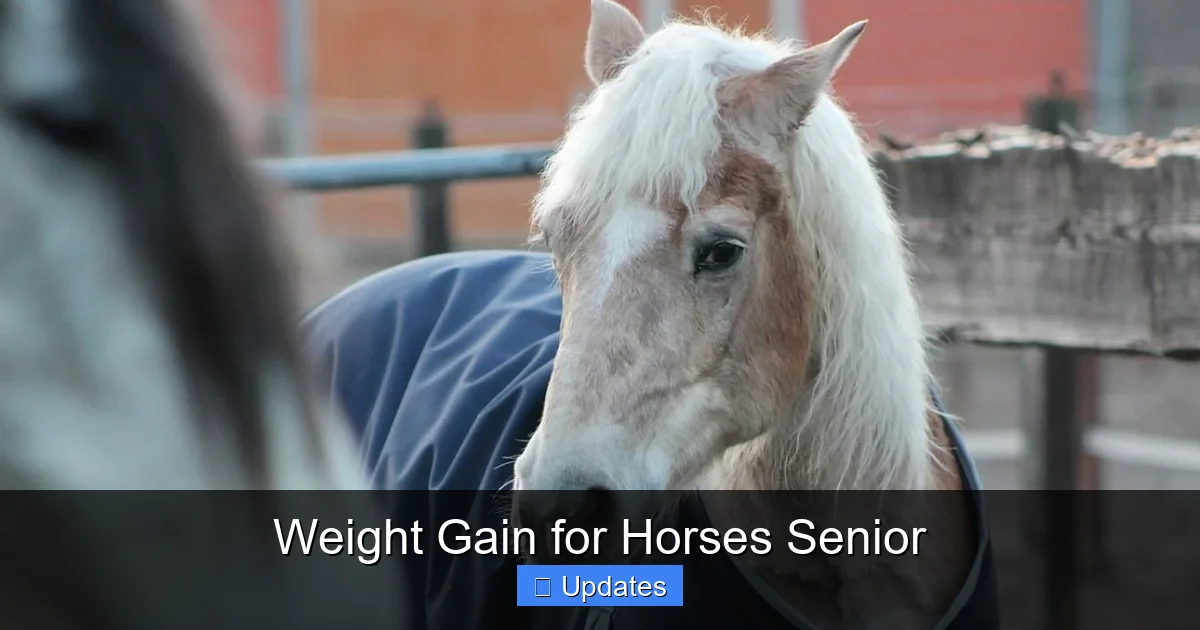
Visual guide about Weight Gain for Horses Senior
Image source: thepetwell.com
Metabolic Changes with Age
Just like humans, horses experience a natural slowdown in metabolism as they age. This isn’t just about burning fewer calories during rest—it also affects how efficiently nutrients are absorbed and utilized. Older horses often have lower levels of certain enzymes needed to break down complex carbohydrates and proteins, meaning even high-quality feed may not provide enough usable energy.
Dental Deterioration
One of the biggest hidden causes of weight loss in senior horses is poor dentition. Over time, teeth wear down, develop sharp edges, or become loose. Even minor discomfort while chewing can cause a horse to reduce its feed intake voluntarily. Without regular floating (filing down sharp points), senior horses may avoid hard feeds entirely, opting only for soft hay or soaked pellets—which are lower in calories and fiber.
Reduced Gut Health
The microbiome in a senior horse’s hindgut shifts over time, favoring less efficient fermentation patterns. This can lead to reduced production of volatile fatty acids—the primary energy source for horses—and increased risk of colic or gas buildup. Additionally, chronic low-grade inflammation common in aging animals further taxes the digestive system.
Chronic Health Conditions
Conditions such as Cushing’s disease (PPID), insulin resistance, or liver dysfunction frequently appear in senior horses and directly impact weight regulation. These disorders alter hormone balance and impair glucose metabolism, making traditional feeding strategies ineffective or even harmful.
How to Safely Help Your Senior Horse Gain Weight
Visual guide about Weight Gain for Horses Senior
Image source: i.pinimg.com
Conduct a Full Health Assessment
Before adjusting your horse’s diet, schedule a comprehensive veterinary exam. Rule out underlying illnesses such as parasites, gastric ulcers, thyroid problems, or joint pain that could be suppressing appetite. Your vet may recommend bloodwork, fecal testing, or endoscopy to get a full picture of your horse’s internal health.
Optimize Dental Care
Have your veterinarian or equine dentist perform an annual float at minimum—more frequently if weight loss persists. Properly floated teeth allow smooth chewing motion, ensuring maximum surface area for digestion. If your horse has missing molars or severe malocclusion, consider switching to pelleted or textured senior feeds that require less mastication.
Increase Caloric Density Gradually
Instead of adding large amounts of grain all at once—which can trigger laminitis or founder—use high-fat supplements like rice bran, flaxseed, or vegetable oil. Mix one cup of oil per day into meals, or use a commercially prepared fat supplement designed for seniors. Always introduce new ingredients slowly over two weeks to avoid digestive upset.
Offer Multiple Small Meals
Senior horses often benefit from six small meals daily instead of two large ones. This mimics natural grazing behavior and keeps stomach pH stable, reducing risk of ulcers. Use slow-feed hay nets to extend forage time and increase total daily fiber intake.
Choose the Right Feed Formula
Look for senior-specific feeds that contain:
– Highly digestible fiber sources (e.g., beet pulp, soy hulls)
– Added vitamins E and C for antioxidant support
– Omega-3 fatty acids to reduce inflammation
– Prebiotics and probiotics for gut health
For example, Purina Senior Feed For Horses is formulated specifically for mature equines and provides balanced nutrition without excessive starch, making it ideal for sensitive seniors.
Consider Weight-Gain Supplements
If your horse still struggles to pack on pounds despite dietary tweaks, targeted supplements can fill nutritional gaps. Look for products containing L-carnitine (supports fat metabolism), creatine (helps build muscle), and hydrolyzed proteins. Always consult your vet before starting any new supplement regimen.
Nutrition Strategies That Actually Work
Visual guide about Weight Gain for Horses Senior
Image source: i.pinimg.com
Soaking Hay Makes It More Nutritious
Contrary to popular belief, soaking hay in water for 30–60 minutes increases its caloric density by softening lignin and releasing soluble sugars. This makes it easier to chew and digest while boosting energy content. Just ensure soaked hay doesn’t ferment—drain excess water and offer within 4 hours.
Topdressing with Molasses or Applesauce
Adding a small amount of unsulfured molasses or pure applesauce to feed encourages picky eaters and adds quick calories. Limit molasses to ¼ cup per day to avoid sugar spikes; applesauce is a gentler alternative.
Include Healthy Fats Daily
Beyond oils, incorporate flaxseed meal (soaked overnight) or chia seeds into meals. These provide essential omega-3s that support skin, coat, and brain function while adding healthy calories. Avoid cracked corn or oats—they’re high in starch and low in digestibility for seniors.
Ensure Adequate Protein Quality
Aim for feeds with crude protein levels between 12% and 16%, sourced from legumes like alfalfa or soy. However, remember that quantity isn’t everything—protein must be broken down into amino acids efficiently. Feeds with added lysine, methionine, and threonine optimize muscle synthesis in aging horses.
Hydration Is Non-Negotiable
Dehydration worsens constipation and reduces appetite. Always provide clean, fresh water free-choice. In cold weather, use a heated water bucket. Consider electrolytes during hot spells, but only under veterinary guidance—excess sodium can stress kidneys.
Monitoring Progress and Adjusting Plans
Use Body Condition Scoring (BCS)
Rather than relying solely on a scale (which can fluctuate due to gut fill), perform weekly BCS assessments using Henneke’s chart. Target a score of 5–6 out of 9 for most adult horses. Note changes in ribs, withers, tailhead, and neck crease.
Weigh Monthly When Possible
If your facility has access to a livestock scale, weigh your horse every 4–6 weeks. A safe rate of weight gain is ½ to 1 pound per week. If gains stall, revisit feed composition, dental status, or health screenings.
Track Appetite and Waste Output
Keep a simple log noting how much feed is consumed versus left behind, stool consistency, and signs of discomfort. Sudden refusal of favorite foods or diarrhea warrants immediate vet attention.
Avoid Common Mistakes
– Over-reliance on sweet feeds high in molasses
– Skipping pasture turnout, which burns extra calories
– Ignoring seasonal changes in forage quality
– Waiting too long to address dental issues
Remember: every horse ages differently. What works for one 18-year-old Quarter Horse may not suit another. Patience, observation, and professional input are your best tools.
Lifestyle Factors Supporting Healthy Weight Gain
Gentle Exercise Maintains Metabolism
Light walking or turnout doesn’t hinder weight gain—it actually supports appetite and circulation. Avoid intense work until your horse reaches target weight, but keep muscles engaged to prevent atrophy.
Stress Reduction Improves Digestion
Changes in routine, loud noises, or social disruption can suppress appetite. Provide a calm, predictable environment with familiar companions when possible. Consider calming aids like pheromone sprays or herbal blends (chamomile, passionflower) after discussing with your vet.
Social Interaction Matters
Horses are herd animals. Loneliness or isolation can lead to behavioral issues and skipped meals. Ensure your senior has company—even if it’s another quiet mare or gelding nearby.
Seasonal Adjustments Are Key
In winter, increase calories slightly to offset heat loss. In summer, reduce non-forage calories if grass growth is abundant. Rotate pastures to maintain forage quality and prevent parasite buildup.
Supplement Wisely—Not Excessively
While supplements can help, they’re not magic bullets. Too many additives can overload the liver or disrupt mineral balance. Stick to one or two well-researched options and monitor closely.
When to Seek Professional Help
If your senior horse hasn’t gained weight after 6–8 weeks of consistent effort, or if you notice additional symptoms like lethargy, hair loss, or lameness, contact your veterinarian immediately. Persistent weight loss can indicate serious conditions requiring medication or hospitalization.
Also consult an equine nutritionist—many universities and private practices offer remote consultations. They can analyze your current diet, suggest custom formulations, and interpret blood test results to fine-tune your plan.
Don’t hesitate to reach out to local senior horse rescue groups or online forums. Experienced owners often share invaluable tricks, like using baby food (plain, no xylitol!) as a calorie booster for finicky eaters.
Conclusion: Investing in Your Horse’s Golden Years
Helping a senior horse gain weight isn’t just about appearance—it’s about restoring comfort, mobility, and dignity. Every pound regained means better joint support, stronger immunity, and improved mental outlook. By combining smart nutrition, attentive care, and realistic expectations, you give your horse the gift of vitality in their later years.
Remember, progress may be slower than with younger animals, but small victories add up. Celebrate each improvement, no matter how modest. And always prioritize your horse’s happiness over perfection.
With love, patience, and the right resources—like those found in guides such as Best Weight Gain Supplement For Senior Horses—you’ll set your senior equine up for a fulfilling, healthy future.
—
Frequently Asked Questions
At what age should I start worrying about my horse’s weight?
Generally, horses aged 15 and older are considered senior and may begin showing signs of metabolic or dental changes. Regular monitoring is recommended starting at this stage to catch issues early.
Can I use human weight-loss methods on my senior horse?
No—what works for people won’t work for horses. Horses have unique digestive systems and nutritional needs. Always rely on equine-specific advice from veterinarians or equine nutritionists.
Is it safe to add vegetable oil to my horse’s feed?
Yes, in moderation. One cup of vegetable oil per day adds approximately 2,000 calories without spiking insulin. Introduce gradually and mix thoroughly to prevent separation.
Should I switch to a completely different feed brand?
Only if recommended by a professional. Sudden changes can disrupt gut flora. If switching, do so over 7–10 days while mixing old and new feed.
How often should I have my senior horse floated?
At least once yearly, or every 6 months if weight loss or quidding (dropping partially chewed food) occurs. Some horses need more frequent care depending on tooth wear.
Will increasing pasture time help my horse gain weight?
It depends. High-quality pasture can support weight gain naturally, especially in spring/summer. But in winter or low-growth seasons, supplemental feeding will likely be necessary.
