
Best Weight Gain Supplement for Senior Horses


Cane with LED Light

Hearing Aid Cleaning Kit

Indoor Security Camera
Helping a senior horse gain weight safely requires more than just adding calories. It starts with identifying the underlying cause of weight loss, often dental issues or metabolic changes. The best weight gain supplement for senior horses is one that complements a forage-first diet, supports digestion, and is chosen with your veterinarian’s guidance. Focus on balanced nutrition and monitor progress closely for a healthier, happier equine companion.
Watching your beloved senior horse lose weight can be a heart-wrenching experience. That once robust friend begins to look gaunt, their ribs more prominent, and their energy dwindles. You want to help, but where do you start? The pet food aisle is overwhelming, and you know simply scooping more grain isn’t the answer. Finding the best weight gain supplement for senior horses is a critical step, but it must be part of a smarter, safer strategy rooted in understanding the aging equine body.
This isn’t about quick fixes. It’s about compassionate, informed care. Senior horses, typically aged 15+, face unique physiological challenges. Their digestive efficiency drops, their teeth may wear down, and underlying health conditions can silently drain condition. The goal is to provide targeted nutritional support that works *with* their changing biology, not against it. We’ll walk through the why, the what, and the how of safely restoring your horse’s condition, putting their welfare and long-term health at the center of every decision.
Key Takeaways
- Rule Out Health Issues First: Weight loss in senior horses is frequently a symptom of problems like dental disease, Cushing’s, or kidney issues. A vet diagnosis is essential before starting any supplement.
- Forage is the Foundation: No supplement can replace high-quality, digestible forage (hay or pasture). Ensure this is the base of the diet before adding calories.
- Supplements Target Specific Needs: Options range from high-fat feeds to digestive aids. The “best” choice depends on whether your horse needs more calories, protein, or better nutrient absorption.
- Veterinary Partnership is Non-Negotiable: Always involve your vet to create a safe, effective plan. They can recommend appropriate products and monitor for complications like laminitis.
- Changes Must Be Gradual: Introduce new feeds and supplements slowly over 1-2 weeks to avoid digestive upset, which is common in older horses with sensitive systems.
- Consistent Monitoring is Key: Use a weight tape monthly and track body condition scores. Adjust the plan based on results, not guesswork.
- Palatability Matters: A supplement is useless if your horse won’t eat it. Consider flavors and textures, especially for horses with dental challenges.
📑 Table of Contents
- Understanding the “Why”: Why Is My Senior Horse Losing Weight?
- Nutritional Foundations: Building the Right Diet First
- Types of Weight Gain Supplements for Senior Horses
- How to Choose the Right Supplement for Your Horse
- Implementing a Weight Gain Strategy: Practical Tips
- The Critical Role of Your Veterinarian: Your Most Important Partner
Understanding the “Why”: Why Is My Senior Horse Losing Weight?
Before you spend a single dollar on a supplement, you must play detective. Weight loss is a symptom, not a disease itself. Throwing calories at a problem you don’t understand can be ineffective or even dangerous. The most common reasons senior horses struggle to maintain weight fall into a few key categories.
Common Health Issues Leading to Weight Loss
Several age-related conditions directly impact weight. Equine Cushing’s Disease (PPID) is a top culprit. It causes a disturbed metabolism, muscle wasting (especially along the topline), and a long, curly coat. Horses with PPID often have a healthy appetite but still lose condition. Dental problems are another massive factor. Overgrown teeth, sharp points, or missing molars make chewing painful and inefficient. Your horse may “quid” (ball up and drop partially chewed food) or avoid their hay altogether, leading to calorie and fiber deficiency. Chronic organ dysfunction, like kidney or liver issues, increases metabolic rate and protein loss. Chronic pain from arthritis or laminitis also raises energy needs and can suppress appetite.
The Silent Thief: Poor Digestive Efficiency
Even with a perfect diet, an aging digestive system may not absorb nutrients well. The intestinal lining becomes less effective at extracting calories and protein from food. This is called “malabsorption.” You might be feeding what *should* be an adequate diet, but your horse’s body isn’t getting the benefit. This is where digestive-support supplements become vital.
Social and Environmental Stressors
Don’t overlook the basics. Is your senior horse being bullied at the feeder by younger, more dominant horses, preventing them from getting their share? Is their hay of consistently poor quality? Have there been recent changes in herd dynamics or routine that cause anxiety and suppress appetite? Sometimes, the solution is management, not a supplement.
Nutritional Foundations: Building the Right Diet First
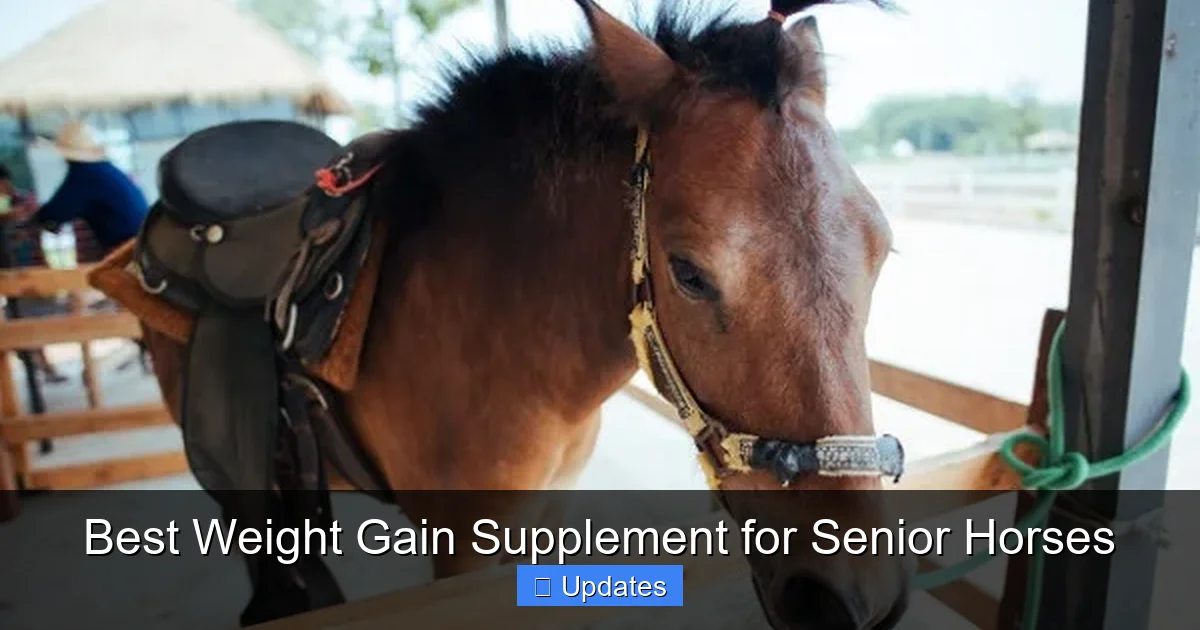
Supplements are exactly what the name implies: a *supplement* to a base diet. That base must be solid. The cornerstone of any equine diet is **forage**—good quality hay or pasture.
Visual guide about Best Weight Gain Supplement for Senior Horses
Image source: toypetreviews.com
Forage is Non-Negotiable
Forage provides essential fiber for hindgut health, which is critical for all horses but especially seniors. A healthy hindgut produces volatile fatty acids, a key energy source. It also prevents ulcers and impactions. For a senior horse, forage must be digestible. This often means feeding softer, leafier hay like second-cut timothy or orchard grass, or even soaked hay pellets. Avoid mature, stemmy hay that is hard to chew and digest. The goal is to offer 1.5-2% of their body weight in forage daily, divided into multiple meals to mimic natural grazing.
Evaluating Your Current Concentrate Feed
If you’re already feeding a grain or pelleted feed, assess it. Is it formulated for seniors? Senior feeds are typically higher in fat (for calorie density), higher in quality protein (with essential amino acids like lysine), and lower in starch and sugar. They are also often easier to chew and digest. If you’re using a standard performance feed, it may be too high in starch for an aging metabolism. This is a prime opportunity to switch to a complete senior feed, which can sometimes reduce or eliminate the need for separate supplements.
Practical Tip: When looking at feed tags, prioritize feeds with a fat content of 6-10% and a protein level of 12-16% from high-quality sources. For horses withPPID, ensure the sugar and starch levels (NSC) are below 10-12%.
Types of Weight Gain Supplements for Senior Horses
With a forage-first, senior-appropriate base diet in place, we can now explore targeted supplements. Think of them as specialized tools for specific jobs.
Visual guide about Best Weight Gain Supplement for Senior Horses
Image source: toypetreviews.com
High-Fat Supplements: Calorie-Dense Energy
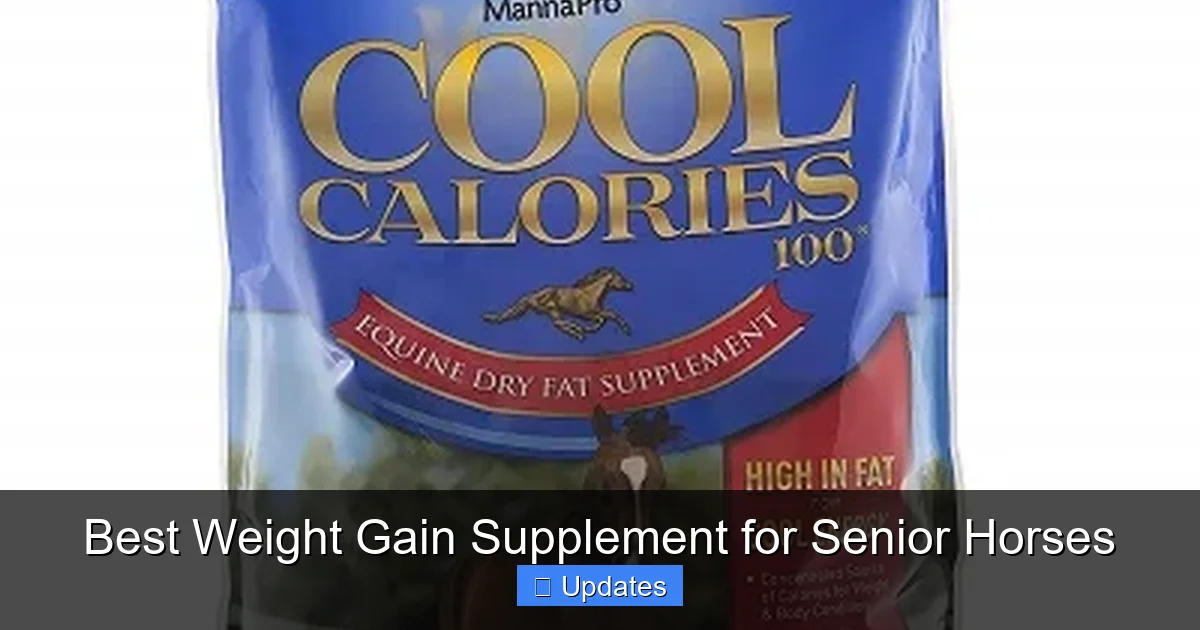
Fat is the most efficient way to add calories without increasing starch or sugar, which is crucial for horses prone to laminitis or with PPID. Vegetable oils (canola, soybean, flaxseed) are common but can be messy and may slightly increase inflammatory omega-6 fatty acids. Stabilized Rice Bran is excellent—high in fat, fiber, and palatable. Powdered fat supplements like “Cool Fat” or “Equi-Jewel” are designed to be mixed with feed, are highly digestible, and often contain added vitamin E. Whole flaxseeds (cracked or ground) provide fat and beneficial omega-3s.
Protein and Amino Acid Supplements: Building Muscle Mass
If your horse is losing topline muscle (the saddle area and hindquarters), they need more than just calories; they need quality protein and specific amino acids. Soybean meal is a traditional, cost-effective high-protein feedstuff. More targeted are lysine or methionine supplements. Lysine is often the first limiting amino acid in equine diets. Supplementing it helps the body utilize other dietary protein to rebuild muscle. Look for supplements combining these with threonine for best results.
Digestive Aids and Probiotics: Improving Absorption
For the horse with malabsorption issues, these are game-changers. Probiotics (live yeast cultures like *Saccharomyces cerevisiae*) stabilize hindgut pH and promote fiber-digesting bacteria. Prebiotics (like yeast cell walls orMOS) feed the good bacteria. Digestive enzymes (amylase, protease, cellulase) can help break down starches, proteins, and fiber in the small intestine, making nutrients available earlier in the digestive tract. Products combining these are ideal for the senior with a “hay belly” (pot belly from poor digestion) but low body condition.
Complete Feed Balancers and Senior-Specific Supplements
Many products combine several of these elements. Senior feed balancers are concentrated sources of protein, fat, vitamins, minerals, and digestive aids in a small pellet. They are perfect for horses that can’t eat large volumes of feed. Some are even designed to be soaked into a mash for easy chewing. Always read the label to understand what primary need the product addresses—is it for calories, protein, or digestion?
How to Choose the Right Supplement for Your Horse
With all these options, how do you pick? It’s a process of matching the supplement to the diagnosed or suspected need.
Visual guide about Best Weight Gain Supplement for Senior Horses
Image source: insiderhorse.com
Step 1: Get a Clear Diagnosis
This cannot be overstated. A blood panel for PPID (ACTH test), a dental exam, and a basic metabolic profile are the starting points. If your vet confirms PPID, dietary management (low NSC) is the primary treatment, and a weight gain supplement must fit within that strict parameter. If the issue is severe dental wear, you may need to switch to a complete soaked feed or hay pellets, making a separate supplement less necessary.
Step 2: Match the Supplement to the Problem
Create a simple list:
- Primary Symptom: Thin, but good topline? Likely Need: More calories (fat supplement).
- Primary Symptom: Pot belly, poor coat, but ribs showing? Likely Need: Digestive aid/probiotic to improve forage utilization.
- Primary Symptom: Lost muscle along back and hips? Likely Need: High-quality protein/amino acid supplement.
- Primary Symptom: Can’t chew hay well? Likely Need: Switch to a complete senior feed or soaked hay pellets; supplement may be built-in.
Step 3: Read Labels and Consider Palatability
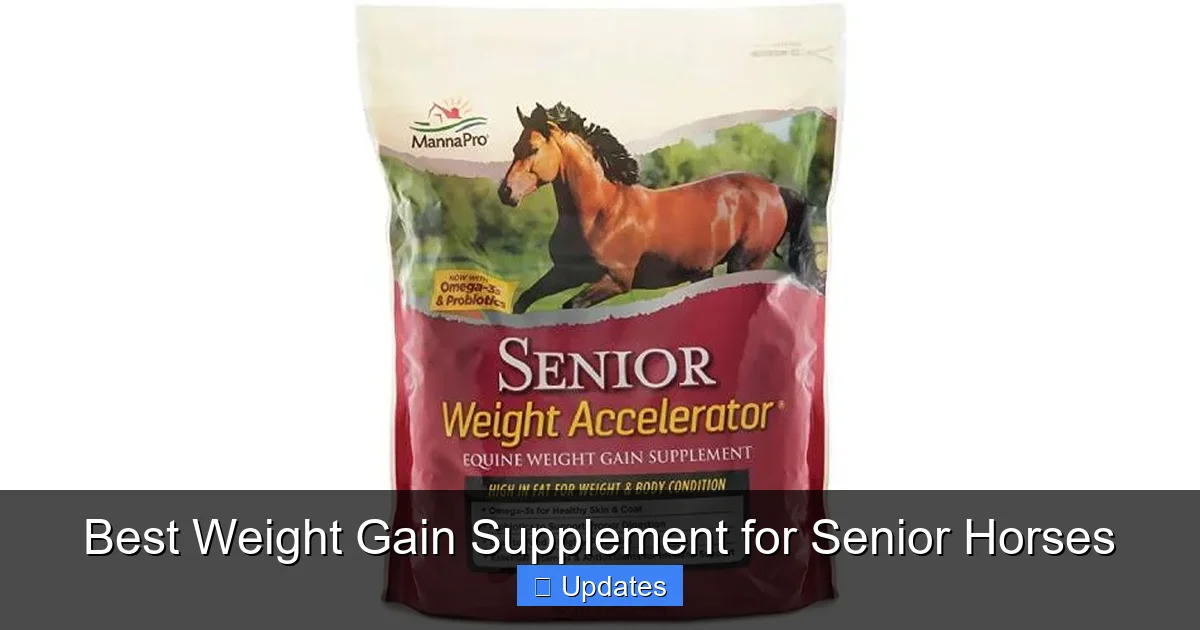
Check the guaranteed analysis for fat and protein percentages. Look for added benefits like probiotics, yeast cultures, or joint support (glucosamine/chondroitin), which are a bonus for stiff seniors. Most importantly, buy the smallest bag possible first to ensure your horse will eat it. Some horses are picky about flavors (molasses vs. apple) or textures (powder vs. pellet). For horses with dental issues, a mash that can be soaked to a soup-like consistency is often the only viable option.
Implementing a Weight Gain Strategy: Practical Tips
You’ve got the right forage, the right base feed, and the chosen supplement. Now, how to put it all together effectively and safely.
The Golden Rule: Introduce Slowly
The senior equine gut is a delicate instrument. Suddenly adding a rich fat supplement or a high-protein balancer can cause colic or severe diarrhea. Always start at ¼ to ½ the recommended dose for the first 3-5 days, then gradually increase to the full amount over 7-10 days. This allows the microbial population in the hindgut to adjust.
Feeding Schedule: Little and Often
Divide the total daily ration (forage + supplements) into at least 3-4 meals. This mimics natural grazing, prevents long periods of an empty stomach (which can cause ulcers), and provides a steady stream of nutrients. For a horse on soaked feeds, you may need to prepare multiple small batches throughout the day to maintain freshness.
Monitor, Don’t Guess
Use a weight tape every 2-4 weeks, measuring at the same point (just behind the withers, around the girth). Take photographs from the side and rear monthly. Learn to body condition score (BCS); aim for a 5-6 on the 9-point scale. Keep a simple log: date, weight tape measurement, BCS, and any changes in diet or health. This data is invaluable for you and your vet to see what’s working and what isn’t.
Practical Example: You start a fat supplement at 1/4 cup daily. After a week, your horse is eating it well with no digestive issues. You increase to 1/2 cup. After two more weeks, the weight tape measurement has increased by 1 inch. Good! You maintain that dose. If after a month there’s no change, you might discuss with your vet increasing the dose slightly or adding a digestive aid to improve absorption.
The Critical Role of Your Veterinarian: Your Most Important Partner
This article provides information, but it is not a substitute for veterinary care. Your vet is the coordinator of your senior horse’s weight gain plan.
Diagnostics are the First Step
As mentioned, a thorough exam including teeth floating, blood work (CBC, chemistry, ACTH for PPID), and possibly a fecal egg count is step zero. Treating a PPID horse with a high-sugar supplement is disastrous. Treating a horse with severe dental disease with hard pellets is cruel. The vet’s diagnosis dictates the entire nutritional strategy.
Collaborative Care Planning
Present your vet with your findings: “I’ve noticed a 2-inch loss on the weight tape over 3 months. His coat is dull, and he seems to quid his hay. Here’s what I’m currently feeding.” A good vet will help you interpret this and build a plan. They can also prescribe medications that may be necessary first, like pergolide for PPID or a pain management plan for arthritis, before nutritional support can be fully effective.
Regular Re-evaluation
Senior horses’ needs change. A plan that works for 6 months may need adjusting. Schedule re-check exams every 6 months. Bring your weight log. This allows for proactive changes before a minor setback becomes a major problem.
Remember: Caring for a senior horse is a marathon, not a sprint. Patience, observation, and a strong vet relationship are your greatest tools. The best supplement in the world is ineffective if it’s the wrong tool for the job or if it’s used without addressing the root cause. By focusing on a forage-based diet, choosing supplements with a clear purpose, and working closely with your veterinarian, you can help your old friend enjoy their golden years with comfort, vitality, and a healthy, shiny coat.
Frequently Asked Questions
Should I start a weight gain supplement right away if my senior horse is thin?
No. The first step is always a veterinary examination to rule out underlying health issues like dental disease, Cushing’s, or kidney problems. Starting a supplement without a diagnosis can mask symptoms or worsen certain conditions.
How long will it take to see results from a weight gain supplement?
It depends on the cause and severity of weight loss. With a proper plan, you may see subtle improvements in coat quality and energy within 2-4 weeks. Visible weight gain, measured by a weight tape, typically takes 1-3 months of consistent, correct feeding.
Can I give my senior horse human weight gain shakes or protein powders?
Absolutely not. Human supplements are not formulated for equine metabolism and can contain ingredients toxic to horses, like excessive iron or certain sweeteners. Always use products specifically designed and labeled for horses.
What’s the difference between a senior feed and a weight gain supplement?
A senior feed is a complete or partial diet meant to replace part of your hay. It’s formulated with balanced calories, protein, vitamins, and minerals. A weight gain supplement is an *add-on* to your existing diet, designed to boost specific components like fat or protein without replacing forage.
Is exercise important for a senior horse trying to gain weight?
Yes, light, regular movement is crucial. Gentle exercise stimulates appetite, maintains muscle mass, supports digestive motility, and improves circulation. Always tailor activity to your horse’s comfort level and consult your vet, especially if arthritis or laminitis is a concern. For ideas on safe movement, you might explore resources on best exercises for seniors over 70 for inspiration on low-impact activity principles, though adapted for equine physiology.
How should I store equine supplements to keep them fresh?
Store all supplements in a cool, dry, dark place according to the label. Sealed containers in a barn tack room are often fine, but avoid extreme heat or humidity. Products with fats or oils can rancid; use them within the “use by” date. Soaked feeds must be prepared fresh and not left out for more than 1-2 hours in warm weather to prevent spoilage and bacterial growth.
