
Walking Pad vs Treadmill: Which is Best for Seniors?


Emergency SOS Phone

Bathtub Grab Bar

Electric Food Chopper
Deciding between a walking pad vs treadmill is a common choice for older adults looking to stay active. Both machines offer a great way to walk safely indoors.
However, they cater to very different needs regarding home space, daily balance, and workout effort. Finding the right fit depends heavily on your mobility and daily habits.
Quick Comparison
For most seniors, a traditional treadmill is the safer and better choice overall. It provides sturdy handrails for essential balance support.
A walking pad works well for older adults who have great balance and need a small device. The biggest deciding factor is always your need for upper body support.
At-a-Glance Comparison
Here is a quick look at how these two walking machines compare on basic features.
| Feature | Walking Pad | Traditional Treadmill |
| Handrails | None | Sturdy and supportive |
| Step-Up Height | Very low | Higher |
| Storage | Fits under beds | Takes up a whole room |
A Closer Look at Walking Pads
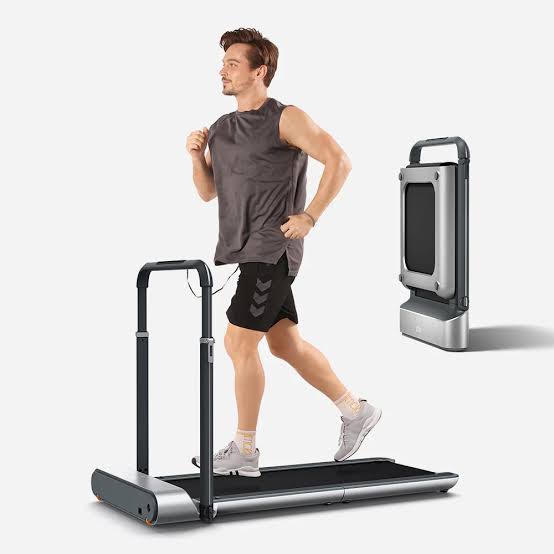
Walking pads are flat, compact walking belts without a large console. They are built mostly for slow, steady pacing.
Ease of Use
These devices are very easy to set up in a living room. You just plug them in and start walking right away. Most use a small remote control to change speeds. They sit very close to the floor. This low height makes them simple to step onto.
Key Strengths
- Very light and easy to move around the house.
- Stores simply under a bed or a couch.
- Low step-up height is great for stiff hips and knees.
Potential Drawbacks
- No handrails for daily balance support.
- Walking belts are often quite narrow.
- Not built for fast walking or running.
A Closer Look at Traditional Treadmills
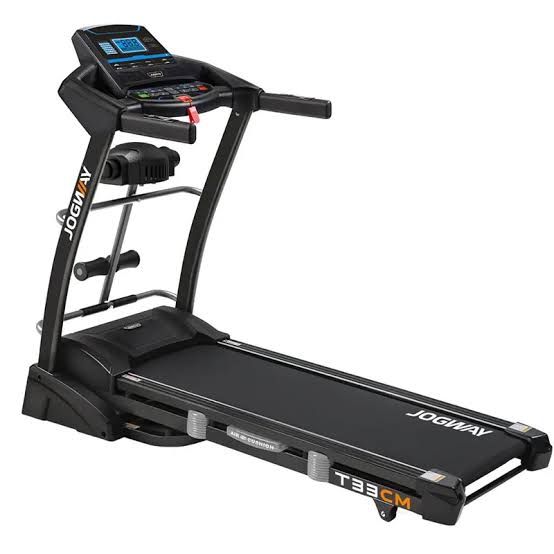
Traditional treadmills are the classic machines you see in local gyms. They are built with a strong frame and a large control screen.
Ease of Use
Treadmills have large buttons that are easy to press. The screens show bold text that is easy to read. However, they have a higher step-up height. They also take up much more room in a house.
Key Strengths
- Strong handrails keep you safe and stable.
- Wider belts give your feet plenty of room to move.
- Thick decks absorb shock to protect sore knees.
Potential Drawbacks
- Very heavy and hard to move alone.
- Requires a large, permanent space in your home.
- Often costs much more than a simple walking pad.
Which Is Easier for Seniors to Use?
Comparing daily ease of use depends on your physical strength. Here is how they match up.
Treadmills offer better ease of use while you are actually walking. You can rest your hands on the rails and easily see the screen. You do not have to look down or hold a remote control.
Walking pads are easier to deal with before and after your walk. They are light enough to slide out of the way. However, having to hold a small remote can be hard for seniors with stiff hands.
Comparing Walking Performance
Performance needs depend on how fast or far you plan to walk. Here is what to expect.
Treadmills have strong motors that handle long walks with ease. They can go fast and even tilt up for a hill workout. This is great for building more leg strength.
Walking pads have much smaller motors. They are meant for a slow, gentle pace. Most will max out at three or four miles per hour. They do not tilt up for hill training.
Comfort, Accessibility, and Senior-Friendly Design
Comfort is vital to keep joints happy and pain-free. Both machines approach comfort in different ways.
Treadmills win big on shock absorption. They have thick decks with springs that cushion each step. This keeps your knees and hips from hurting. The sturdy rails also make them highly accessible for anyone with poor balance.
Walking pads sit flat on hard floors. They offer very little cushion for your joints. But, their very low step-up height is a big plus. Seniors who cannot lift their legs high will find them very easy to mount.
Key Feature Differences
Here is a breakdown of the specific features that set these two options apart.
| Feature | Walking Pad | Traditional Treadmill |
| Controls | Small remote control | Large buttons on a screen |
| Shock Absorption | Very low | Very high |
| Top Speed | Around 3 to 4 mph | Over 10 mph |
Price, Maintenance, and Long-Term Value
Staying on a budget is important. Maintenance also plays a big role in true value.
Walking pads are much cheaper up front. They are budget-friendly but may not last as long if used heavily. You still need to add oil to the belt sometimes to keep it running well.
Treadmills cost more at first. But, they offer far better long-term value. Their strong parts last for many years. They do require space and occasional belt care to stay smooth.
Who Should Choose a Walking Pad?
A walking pad fits specific lifestyles very well.
- Choose a walking pad if you have great balance and never feel dizzy.
- Choose a walking pad if you live in a very small apartment or home.
- Choose a walking pad if you only want to walk at a slow, gentle stroll.
- Choose a walking pad if you want a machine you can hide away easily.
Who Should Choose a Treadmill?
A standard treadmill is the safest bet for most older adults.
- Choose a treadmill if you need handrails to feel secure while walking.
- Choose a treadmill if you want a soft deck to protect your sore joints.
- Choose a treadmill if you like a large screen with big, bright buttons.
- Choose a treadmill if you have a dedicated room for daily exercise.
Final Verdict: Which is Better?
Here is our clear summary to help you make a final choice.
Best for most seniors: Traditional Treadmill.
Best for small homes: Walking Pad.
Best for ease of use: Traditional Treadmill.
Best value: Traditional Treadmill.
Overall, the traditional treadmill is the winner for senior fitness. The handrails and padded deck simply make it a safer, more comfortable option for aging bodies.
Summary of Comparison Scores
Here is how we rate both options on the traits that matter most to older adults.
| Category | Walking Pad | Traditional Treadmill |
| Ease of Use | 7/10 | 9/10 |
| Senior-Friendly Design | 6/10 | 9/10 |
| Performance | 5/10 | 9/10 |
| Value | 7/10 | 8/10 |
How We Evaluate Exercise Gear
We look at fitness gear strictly through a senior lens. We care most about safety.
We focus on balance support, joint comfort, and clear controls. We look for simple setups and safe designs. We do not care about fancy tech if it is hard to use. Practical daily safety is always our main goal.
Top Buying Considerations for Seniors
Always check these key details before you buy any walking machine.
- Physical Effort: Can you lift your foot high enough to get on the belt?
- Controls: Can you read the screen clearly without your reading glasses?
- Safety: Does the machine have an emergency stop clip to prevent falls?
- Storage: Will you need help folding or moving the heavy machine?
Common Mistakes to Avoid
Avoid these frequent errors when shopping for indoor walking gear.
- Buying a walking pad when you secretly need balance help.
- Ignoring the true, heavy weight of a traditional treadmill.
- Forgetting to check the maximum weight limit of the belt.
- Overlooking how the machine must be oiled or cleaned.
- Choosing a belt that is too narrow for your normal stride.
Important Safety Tips
Safety must come first when exercising at home. Falls can be very dangerous.
“Always use the safety clip when walking. It stops the belt right away if you slip.”
Clear the floor behind your machine. If you do fall, you want empty space behind you, not hard furniture. Never step off a moving belt. Wait for it to stop fully before you get off. If you feel dizzy, stop at once and sit down.
Wrapping Up Your Choice
Making the choice between a walking pad vs treadmill comes down to balance and space. Both let you walk safely inside your home.
If you want total safety, thick cushions, and strong rails to hold, buy a traditional treadmill. If you have great balance and live in a tiny space, a walking pad is a nice, neat choice. Always pick the one that makes you feel the most secure.
