
TENS Unit vs Heating Pad for Seniors: Which?


Sock Aid for Seniors
Robot Vacuum Cleaner

Button Hook Dressing Aid
TENS Unit vs Heating Pad is really a choice between two very different ways to manage discomfort. A TENS unit uses mild electrical pulses through skin electrodes, while a heating pad uses warmth applied to an area.
For seniors, the better choice depends on the type of relief needed, comfort with the controls, skin sensitivity, portability, and any health or safety concerns. Neither option is automatically better for everyone.
Quick Comparison
A heating pad is usually simpler for everyday home use. It has fewer steps, requires no electrode placement, and can provide soothing warmth for a short session.
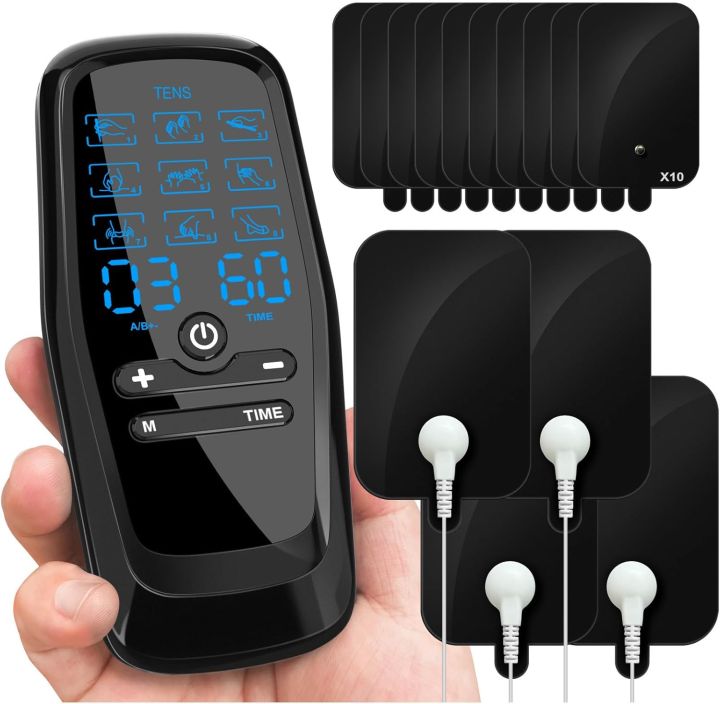
A TENS unit may be more useful for someone who wants portable, adjustable electrical stimulation and is comfortable applying electrode pads. TENS can provide temporary pain relief, but it is not suitable for everyone.
The simplest option is not always the best option. The right choice depends on how the person plans to use it.
TENS Unit vs Heating Pad At a Glance
The biggest difference is how each product works. TENS uses electrical stimulation, while a heating pad uses warmth.
| Feature | TENS Unit | Heating Pad |
|---|---|---|
| Main approach | Electrical stimulation | Heat |
| Setup | Attach electrode pads | Place pad over area |
| Portability | Usually very portable | Less portable |
| Controls | Intensity and program settings may vary | Usually simple heat settings |
| Maintenance | Pads may need replacement | Mainly cleaning and cord care |
| Ease of use | Moderate | Usually easy |
| Best suited to | Users comfortable with TENS | Users wanting simple warmth |
TENS Unit Review for Senior Users
A TENS unit is a small electrical device connected to adhesive electrode pads. The pads sit on the skin near the area being treated, and the device sends small electrical impulses that are normally felt as tingling.
TENS may provide temporary pain relief for some people, although results vary. It does not work equally well for everyone.
Ease of Use
Using a TENS unit takes a few more steps than using a heating pad.
The user needs to:
- Make sure the skin is clean and suitable.
- Attach the electrode pads correctly.
- Connect the pads to the device.
- Turn the unit on.
- Adjust the stimulation to a comfortable level.
The controls may be manageable once learned, but electrode placement adds another step. Someone with limited dexterity may find adhesive pads harder to handle than a simple heating pad.
Key Strengths
- Small and portable.
- Adjustable stimulation on many models.
- Does not produce heat.
- Can be used while moving around, depending on the device and instructions.
- May provide temporary pain relief for some users.
Potential Drawbacks
- Requires electrode placement.
- Adhesive pads can irritate sensitive skin.
- Pads may need replacement.
- There is a learning curve.
- TENS is not suitable for everyone.
- It should not be used while driving or operating machinery.
Heating Pad Review for Senior Comfort
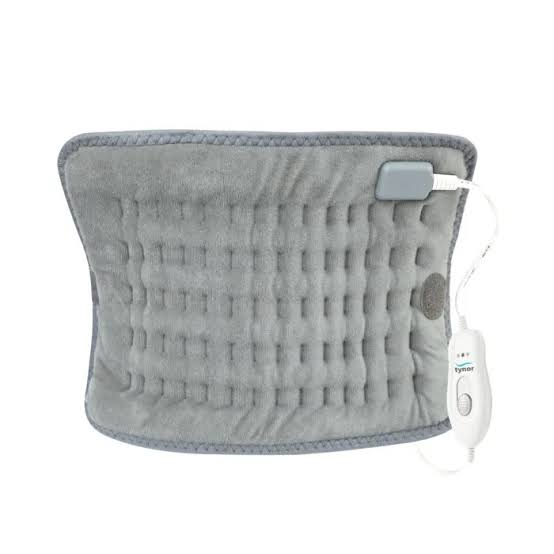
A heating pad takes a much simpler approach. It applies warmth to the selected area and is often easy to understand without learning a new control system.
For seniors who mainly want a straightforward heat-based comfort option at home, this simplicity can be a major advantage.
Ease of Use
A heating pad generally involves fewer steps.
Place it over the intended area, select an appropriate heat setting, and follow the manufacturer’s instructions. There are no electrode pads to position.
This may make a heating pad easier for someone who dislikes small accessories or complicated controls.
Key Strengths
- Simple operation.
- No electrode placement.
- Familiar form for many users.
- Useful for people who prefer warmth.
- Easy to keep at home for occasional use.
Potential Drawbacks
- Requires access to an electrical outlet for many models.
- Heat can cause burns if used incorrectly.
- It may be less convenient to carry around.
- Users with reduced heat sensation need extra caution.
- Sleeping with a heating pad is not recommended.
Which Is Easier for Seniors to Use?
For basic operation, the heating pad usually has the advantage.
There are fewer parts to manage, and there is no need to position adhesive electrodes. This can matter for someone who prefers a simple routine.
A TENS unit may still be easy to use after the person learns the controls and pad placement. Its smaller size can also make it more convenient for someone who wants a portable option.
So the choice depends on what “easy” means.
| Senior Need | Better Fit |
|---|---|
| Simple operation | Heating Pad |
| No electrode placement | Heating Pad |
| Portable use | TENS Unit |
| Adjustable stimulation | TENS Unit |
| Familiar heat therapy | Heating Pad |
| Minimal setup | Heating Pad |
Neither product should be judged by age alone. Hand strength, dexterity, skin sensitivity, comfort with technology, and personal preference all matter.
Performance Comparison
These products provide different types of relief, so comparing performance is not simply about choosing the stronger device.
TENS uses electrical stimulation and may help reduce pain for some users while the treatment is being used. The amount and duration of relief can vary considerably.
A heating pad provides warmth. Heat can temporarily ease joint pain and muscle tightness for some people, but it should be used carefully to avoid burns.
| Performance Area | TENS Unit | Heating Pad |
|---|---|---|
| Type of sensation | Tingling stimulation | Warmth |
| Adjustability | Often several settings | Usually heat levels |
| Portability | Strong advantage | Usually lower |
| Simplicity | Moderate | Strong advantage |
| Heat exposure | None | Yes |
| Individual response | Varies | Varies |
The better performer is therefore the one that matches the user’s preferred type of relief.
Comfort, Accessibility, and Senior-Friendly Design
Comfort can be very personal.
A heating pad may feel relaxing to someone who enjoys warmth. However, heat needs careful monitoring, especially for anyone with reduced sensation.
A TENS unit does not rely on heat, but the tingling sensation and electrode pads may not suit everyone.
For someone with limited dexterity, the adhesive pads and wires can add handling work. For another person, the small size of a TENS unit may make it much easier to carry than a heating pad.
The practical question is simple:
Which product can the user operate comfortably and safely without unnecessary effort?
Features Comparison
Features matter only when they make the product easier or more useful.
| Feature | TENS Unit | Heating Pad |
|---|---|---|
| Adjustable intensity | Common | Usually heat levels |
| Electrode pads | Yes | No |
| Heat | No | Yes |
| Portability | Usually high | Usually moderate |
| Timer | Model dependent | Model dependent |
| Controls | More involved | Usually simpler |
| Consumables | Electrode pads | Usually none |
Exact features vary by model, so check the specific product before buying.
Price, Maintenance, and Long-Term Value
There is no reliable single price winner because both categories contain many models.
A TENS unit may have ongoing electrode-pad costs. The pads can lose their adhesive quality over time and may need replacement.
A heating pad generally has fewer consumable parts. Its long-term costs may therefore be easier to predict, although the exact durability depends on the model.
For value, consider:
- Purchase price.
- Replacement electrode pads.
- Warranty.
- Control simplicity.
- Expected frequency of use.
- Storage needs.
- Ease of cleaning.
- Replacement costs.
The cheapest option is not automatically the best value.
Who Should Choose a TENS Unit?
Choose a TENS unit if:
- Portability is important.
- You prefer electrical stimulation over heat.
- You want adjustable stimulation.
- You are comfortable using electrode pads.
- You want an option that can be carried easily.
- A healthcare professional has advised that TENS is appropriate for you.
TENS may be worth considering for someone who wants a different approach from heat, but it has important safety limitations.
Who Should Choose a Heating Pad?
Choose a heating pad if:
- You prefer warmth.
- Simple operation matters most.
- You do not want electrode pads.
- You mainly plan to use the product at home.
- You prefer straightforward controls.
- You want a familiar heat-based option.
For many people, the heating pad’s biggest advantage is simply that it is easy to understand.
TENS Unit vs Heating Pad — Final Verdict
Best for simple everyday use: Heating Pad
Best for portability: TENS Unit
Best for adjustable electrical stimulation: TENS Unit
Best for simple controls: Heating Pad
Best overall for most seniors: Heating Pad, if the main goal is straightforward heat-based comfort and there are no reasons to avoid heat.
There is no universal winner. A TENS unit can make more sense for someone who prefers electrical stimulation and wants portability. A heating pad is often the easier choice for someone who wants warmth with minimal setup.
Scoring Summary
These scores are practical comparison scores, not laboratory measurements. They reflect ease of use, portability, setup, and general senior-friendly design.
| Category | TENS Unit | Heating Pad |
|---|---|---|
| Ease of Use | 7/10 | 9/10 |
| Senior-Friendly Design | 7/10 | 8/10 |
| Portability | 9/10 | 6/10 |
| Setup | 7/10 | 9/10 |
| Maintenance | 7/10 | 9/10 |
| Value | 8/10 | 8/10 |
The scores can change depending on the specific model and the user’s needs.
How We Evaluate Products
This comparison focuses on practical factors that can affect senior use.
We consider:
- Ease of operation.
- Setup requirements.
- Portability.
- Comfort.
- Accessibility.
- Maintenance.
- Safety.
- Long-term practicality.
- Overall value.
No claim of hands-on testing is made here. Product features can vary by model, so specific specifications should always be checked before purchase.
Senior-Specific Buying Considerations
Before choosing either product, consider how it will fit into everyday life.
Physical Effort
Think about whether the user can comfortably position a heating pad or attach TENS electrodes.
Controls
Large, clear controls may be easier to manage than small buttons or complicated settings.
Skin Sensitivity
TENS electrodes can cause irritation in some people. Heat can also be risky if the user has reduced sensation.
Setup
A heating pad usually requires less preparation. TENS requires correct electrode placement and device setup.
Storage
A small TENS unit may be easier to store and carry. A heating pad needs enough space to lie flat or fold according to the manufacturer’s instructions.
Safety
Safety should come before convenience. Read the instructions for the specific model and stop using it if it causes unexpected pain, skin irritation, or other problems.
Common Buying Mistakes
Avoid these mistakes when comparing a TENS unit and heating pad:
- Choosing based only on price.
- Buying a TENS unit without understanding electrode placement.
- Ignoring skin sensitivity.
- Choosing a heating pad without considering heat safety.
- Assuming every TENS unit has the same controls.
- Assuming every heating pad has the same timer and temperature features.
A simple product that fits the user’s routine can be more useful than a feature-heavy model that is difficult to operate.
Safety
TENS needs extra attention because it uses electrical stimulation.
The NHS advises against using TENS with a pacemaker and says pregnant users should seek appropriate medical advice. It also advises against using TENS on broken, infected, irritated, or numb skin, and against using it while driving or in the bath or shower.
TENS should also not be treated as a universal pain solution. If the cause of pain is unclear, professional advice is appropriate before relying on a TENS unit.
Heating pads have a different concern: heat exposure. Burns can occur from hot surfaces, and people with reduced sensation may not notice excessive heat quickly. Never sleep with a heating pad, and follow the product’s temperature and usage instructions.
If pain is new, severe, unexplained, or associated with other concerning symptoms, it is better to seek medical advice rather than choosing a pain-relief device based only on a product comparison.
Conclusion
TENS Unit vs Heating Pad comes down to two different approaches. TENS offers portable electrical stimulation with adjustable settings, while a heating pad offers simple warmth with less setup.
For seniors who value simplicity, a heating pad is often the easier choice. For those who prefer TENS, want portability, and can safely use electrode pads, a TENS unit may be the better fit. The most important step is choosing the option that matches the person’s comfort, abilities, routine, and safety needs.
