
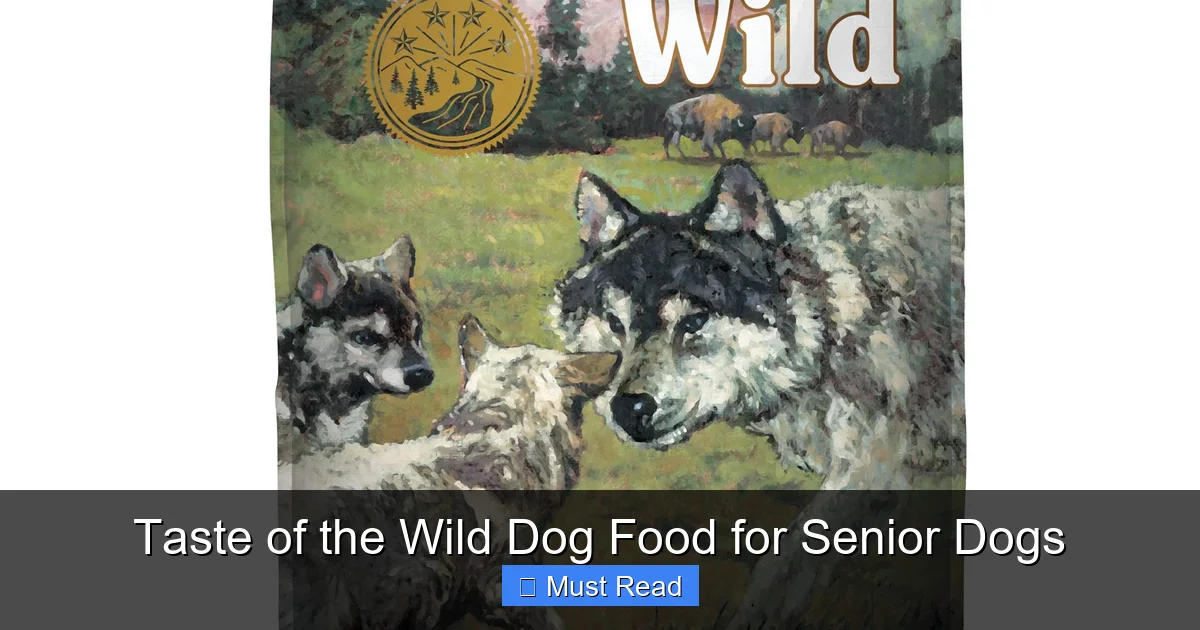
Taste of the Wild Dog Food for Senior Dogs


Electric Kettle with Auto Shutoff

Hands-Free Neck Magnifier

Reacher Grabber Tool
Taste of the Wild dog food for senior dogs is specially crafted to meet the unique nutritional needs of older canines. With real roasted meats, digestible grains, and added glucosamine, it supports joint health, digestion, and sustained energy in aging dogs.
As our beloved dogs age, their nutritional needs shift. Just like humans, senior dogs require a diet that supports joint health, maintains energy levels, and aids digestion. That’s where Taste of the Wild dog food for senior dogs steps in—a premium, biologically appropriate formula designed to keep older pups feeling their best. Whether your dog is slowing down or still enjoys daily walks and playtime, this food is crafted to meet the changing demands of their golden years.
What sets Taste of the Wild apart is its commitment to mimicking a dog’s natural ancestral diet. Instead of relying on fillers and by-products, the brand focuses on real, roasted meats, wholesome grains, and nutrient-dense superfoods. For senior dogs, this means better digestion, improved coat health, and sustained vitality. With a variety of flavors and formulations, there’s a Taste of the Wild option to suit nearly every senior dog’s palate and dietary needs.
Key Takeaways
- Real meat as the first ingredient: Every formula features high-quality roasted meats like venison, lamb, or salmon to support lean muscle maintenance in senior dogs.
- Enhanced joint support: Includes glucosamine and chondroitin to help maintain healthy hips and joints, crucial for mobility in older dogs.
- Probiotics for digestion: Contains K9 Strain Proprietary Probiotics to promote gut health and improve nutrient absorption.
- Antioxidant-rich superfoods: Packed with fruits and vegetables like blueberries, tomatoes, and raspberries to boost immunity and fight oxidative stress.
- No artificial additives: Free from corn, wheat, fillers, and artificial colors, flavors, or preservatives—ideal for sensitive senior stomachs.
- Tailored kibble size: Designed with smaller, easier-to-chew kibble to accommodate aging teeth and gums.
- Multiple flavor options: Offers grain-free and grain-inclusive varieties to suit different dietary preferences and sensitivities.
📑 Table of Contents
- Why Senior Dogs Need Specialized Nutrition
- Key Ingredients That Make a Difference
- Grain-Free vs. Grain-Inclusive Options
- Kibble Design for Senior Dogs
- Real-World Benefits: What Pet Owners Are Saying
- How to Transition Your Senior Dog to Taste of the Wild
- Is Taste of the Wild Right for Your Senior Dog?
- Final Thoughts: A Nutritious Choice for Golden Years
Why Senior Dogs Need Specialized Nutrition
As dogs enter their senior years—typically around age 7, though this varies by breed—their metabolism slows, muscle mass begins to decline, and joint stiffness may become more common. These changes mean that a one-size-fits-all diet simply won’t cut it. Senior dogs benefit most from food that’s lower in calories to prevent weight gain, higher in fiber for digestion, and enriched with joint-supporting nutrients.
Many commercial dog foods fail to address these nuances, continuing to use high-calorie formulas meant for active adults. This can lead to obesity, which in turn increases the risk of diabetes, heart disease, and joint problems. That’s why choosing a diet like Taste of the Wild dog food for senior dogs is so important. It’s formulated with reduced fat and calories while still delivering high protein to preserve muscle mass.
Additionally, senior dogs often experience dental issues or reduced appetite. Taste of the Wild addresses this with smaller, softer kibble that’s easier to chew and digest. The inclusion of natural flavor enhancers like real roasted meat ensures that even picky eaters stay interested in their meals.
Key Ingredients That Make a Difference

Visual guide about Taste of the Wild Dog Food for Senior Dogs
Image source: petsical.com
One of the standout features of Taste of the Wild’s senior formulas is the quality and sourcing of its ingredients. Let’s break down what makes this food so beneficial for aging canines.
Real Roasted Meats
Every bag of Taste of the Wild starts with real meat as the first ingredient. Whether it’s venison, lamb, bison, or salmon, these high-protein sources provide the amino acids senior dogs need to maintain muscle strength. Unlike plant-based proteins, animal proteins are complete proteins, meaning they contain all the essential amino acids dogs can’t produce on their own.
For example, the Taste of the Wild High Prairie Canine Recipe with Roasted Bison & Roasted Venison uses bison and venison as primary protein sources. These lean meats are not only rich in protein but also lower in fat than beef, making them ideal for weight-conscious seniors.
Digestive Support with Probiotics
Digestive health often declines with age. Senior dogs may experience gas, bloating, or irregular bowel movements. Taste of the Wild combats this with its proprietary K9 Strain Probiotics, which are added after the cooking process to ensure viability.
These beneficial bacteria help balance the gut microbiome, improve nutrient absorption, and reduce digestive upset. In practical terms, this means fewer stomach issues, firmer stools, and better overall comfort for your dog. Many pet owners report noticeable improvements in their senior dog’s digestion within just a few weeks of switching to Taste of the Wild.
Joint Health Boosters
Arthritis and joint stiffness are common in older dogs. To support mobility, Taste of the Wild includes glucosamine and chondroitin—natural compounds that help maintain cartilage and reduce inflammation.
While not all senior formulas include these supplements, Taste of the Wild makes them a standard part of their recipes. This proactive approach can delay the onset of joint problems and improve your dog’s quality of life. For dogs already showing signs of stiffness, this added support can make a meaningful difference in their daily comfort and activity levels.
Antioxidant-Rich Superfoods
Aging increases oxidative stress in the body, which can accelerate cell damage and contribute to chronic diseases. Taste of the Wild combats this with a blend of antioxidant-rich ingredients like blueberries, raspberries, tomatoes, and spinach.
These superfoods help strengthen the immune system, support eye health, and reduce inflammation. For senior dogs, this means better resistance to illness and a brighter, more energetic demeanor. Plus, these natural ingredients add flavor and variety, making meals more appealing.
Healthy Fats for Energy and Coat Health
While senior dogs need fewer calories, they still require healthy fats for energy and skin health. Taste of the Wild uses sources like chicken fat and salmon oil, which are rich in omega-3 and omega-6 fatty acids.
These fats help maintain a shiny coat, reduce dry skin, and support brain function. For aging dogs, cognitive decline can be a concern, and omega-3s—especially DHA—have been shown to support mental sharpness. This is especially important for breeds prone to conditions like canine cognitive dysfunction (similar to Alzheimer’s in humans).
Grain-Free vs. Grain-Inclusive Options

Visual guide about Taste of the Wild Dog Food for Senior Dogs
Image source: cdn.shoplightspeed.com
Taste of the Wild offers both grain-free and grain-inclusive formulas, giving pet owners flexibility based on their dog’s needs.
Grain-Free Formulas
For dogs with grain sensitivities or those on a paleo-style diet, the grain-free options are excellent. These recipes use alternative carbohydrates like sweet potatoes, peas, and lentils to provide energy without triggering allergies.
The Taste of the Wild Pacific Stream Canine Recipe with Roasted Salmon is a popular grain-free choice for senior dogs. It’s rich in omega-3s and lower in fat, making it ideal for less active seniors or those with weight concerns.
Grain-Inclusive Formulas
Contrary to popular belief, grains aren’t inherently bad for dogs. In fact, whole grains like brown rice, oatmeal, and barley provide fiber, B vitamins, and sustained energy. For senior dogs with sensitive stomachs, easily digestible grains can actually improve digestion.
The Taste of the Wild Sierra Mountain Canine Recipe with Roasted Lamb includes oatmeal and barley, offering a balanced source of carbohydrates that won’t spike blood sugar. This is especially helpful for diabetic or pre-diabetic seniors.
Choosing between grain-free and grain-inclusive depends on your dog’s individual health. If your senior dog has no known grain allergies, a grain-inclusive formula may offer more balanced nutrition. Always consult your vet when making dietary changes.
Kibble Design for Senior Dogs
Visual guide about Taste of the Wild Dog Food for Senior Dogs
Image source: cdn.shoplightspeed.com
One often-overlooked aspect of senior dog food is the physical design of the kibble. Taste of the Wild pays close attention to this detail, ensuring their kibble is suitable for aging teeth and jaws.
Smaller, Softer Pieces
Senior dogs may have dental issues like gum disease, tooth loss, or sensitivity. Hard, large kibble can be painful to chew and may discourage eating. Taste of the Wild’s senior formulas feature smaller, more porous kibble that’s easier to break down.
This design encourages chewing, which promotes saliva production and helps clean teeth naturally. It also reduces the risk of choking or digestive blockages from swallowing large pieces whole.
Enhanced Palatability
Appetite can wane in older dogs due to reduced sense of smell or taste. To combat this, Taste of the Wild uses real roasted meats and natural flavors to make their food highly palatable.
Many pet owners report that their senior dogs eat with more enthusiasm after switching to Taste of the Wild. This is crucial because consistent eating ensures your dog gets the nutrients they need to stay healthy.
Slow Feeding Benefits
The texture and size of the kibble also encourage slower eating, which can prevent bloating and improve digestion. Fast eaters are more prone to gastric torsion (bloat), a life-threatening condition. By promoting mindful eating, Taste of the Wild helps reduce this risk.
Real-World Benefits: What Pet Owners Are Saying
While ingredient lists and nutritional profiles are important, real-world results matter most. Thousands of pet owners have shared positive experiences with Taste of the Wild dog food for senior dogs.
One common theme is improved energy levels. Many seniors who were previously lethargic began showing renewed interest in walks, play, and interaction after switching to this food. This is likely due to the balanced protein and healthy fats that provide sustained energy without spikes and crashes.
Another frequently mentioned benefit is better digestion. Owners report fewer instances of gas, diarrhea, or constipation. The probiotics and fiber-rich ingredients seem to make a noticeable difference, especially for dogs with sensitive stomachs.
Joint health is another area where Taste of the Wild shines. Dogs with mild arthritis often show improved mobility—less stiffness in the morning, easier rising from rest, and more willingness to climb stairs or jump onto furniture.
Coat and skin health also improve. The omega fatty acids contribute to a shinier, softer coat and reduced itching or flakiness. For dogs with allergies, this can mean fewer vet visits and less reliance on medications.
Finally, many owners appreciate the transparency and quality control. Taste of the Wild manufactures its food in the USA and conducts rigorous testing to ensure safety and consistency. This gives pet parents peace of mind knowing they’re feeding their senior dog a trustworthy product.
How to Transition Your Senior Dog to Taste of the Wild
Switching your dog’s food should always be done gradually to avoid digestive upset. Here’s a simple 7-day transition plan:
- Days 1–2: Mix 25% Taste of the Wild with 75% current food.
- Days 3–4: Increase to 50% new food and 50% old food.
- Days 5–6: Use 75% Taste of the Wild and 25% old food.
- Day 7: Feed 100% Taste of the Wild.
Monitor your dog closely during this period. Look for signs of digestive discomfort like vomiting, diarrhea, or loss of appetite. If issues arise, slow down the transition or consult your vet.
It’s also important to maintain consistent feeding times and portion sizes. Senior dogs benefit from routine, and overfeeding can lead to weight gain. Use the feeding guidelines on the bag as a starting point, but adjust based on your dog’s activity level, weight, and overall health.
Is Taste of the Wild Right for Your Senior Dog?
While Taste of the Wild is an excellent choice for many senior dogs, it’s not a one-size-fits-all solution. Consider your dog’s specific health conditions, activity level, and dietary needs.
For example, dogs with kidney disease may need a lower-phosphorus diet, which Taste of the Wild doesn’t specifically offer. Similarly, dogs with severe food allergies might require a limited-ingredient formula not available in this line.
However, for the majority of healthy senior dogs—or those with mild joint issues, digestive sensitivities, or weight concerns—Taste of the Wild provides a balanced, high-quality option. Its focus on real ingredients, joint support, and digestive health makes it a standout in the senior dog food market.
Always consult your veterinarian before making significant dietary changes, especially if your dog has chronic health issues. Your vet can help determine if Taste of the Wild is the right fit and recommend portion sizes or supplements if needed.
Final Thoughts: A Nutritious Choice for Golden Years
As our dogs age, they deserve the very best care—and that includes what they eat. Taste of the Wild dog food for senior dogs offers a thoughtful, science-backed approach to senior nutrition. With real meat, joint-supporting supplements, probiotics, and antioxidant-rich ingredients, it’s designed to help older dogs thrive, not just survive.
From improved digestion and shinier coats to better mobility and sustained energy, the benefits are clear. And with multiple flavor options and formulations, there’s a Taste of the Wild recipe to suit nearly every senior pup.
While no single food is perfect for every dog, Taste of the Wild comes close. It’s a trusted, high-quality choice that supports the health and happiness of aging canines. If you’re looking to give your senior dog a nutritional upgrade, this is a brand worth considering.
Investing in your dog’s diet is one of the most impactful things you can do for their long-term well-being. With Taste of the Wild, you’re not just feeding your dog—you’re nourishing their golden years.
Frequently Asked Questions
Is Taste of the Wild suitable for all senior dogs?
Yes, for most healthy senior dogs, Taste of the Wild is an excellent choice. However, dogs with specific medical conditions like kidney disease or severe allergies should consult a vet before switching, as the formula may not meet their specialized needs.
Does Taste of the Wild contain grains?
It depends on the formula. Taste of the Wild offers both grain-free and grain-inclusive options. Grain-free recipes use sweet potatoes and peas, while grain-inclusive ones include oatmeal and barley for fiber and energy.
How does Taste of the Wild support joint health in senior dogs?
The food includes natural sources of glucosamine and chondroitin, which help maintain cartilage and reduce joint inflammation. These ingredients support mobility and comfort in aging dogs.
Can I feed Taste of the Wild to my senior dog with a sensitive stomach?
Yes, many senior dogs with sensitive digestion benefit from Taste of the Wild. The inclusion of probiotics and easily digestible ingredients helps promote gut health and reduce stomach upset.
Is Taste of the Wild made in the USA?
Yes, Taste of the Wild manufactures its dog food in the United States and follows strict quality and safety standards. All ingredients are sourced and tested for purity and nutritional value.
How long does it take to see improvements after switching?
Many pet owners notice improvements in digestion, coat shine, and energy levels within 2–4 weeks. Joint mobility and appetite may also improve gradually with consistent feeding.