
Sock Aid vs Compression Stocking Donner Guide


Pulse Oximeter Finger Monitor

Shiatsu Neck Massager

Smart Health Watch for Seniors
Choosing between a sock aid vs compression stocking donner can be hard. Both tools help you put on socks. You do not have to bend down to your feet. But they serve very different needs for older adults.
Your daily routine depends on having the right tool. The wrong choice can cause real stress or bad hand pain. Let us look at which option is best for your specific socks and your mobility limits.
A standard sock aid works perfectly for regular socks. It requires very little hand grip strength. A compression stocking donner is built just for tight medical hose. You need a donner if you wear tight medical gear. A standard aid is much better for soft cotton socks.
At A Glance Comparison
Here is a quick look at how these two tools compare. These basic facts matter most for daily senior use.
| Feature | Standard Sock Aid | Compression Donner |
| Best Sock Type | Loose cotton socks | Tight medical hose |
| Hand Strength Need | Very low | High |
| Frame Type | Soft plastic shell | Hard steel frame |
Standard Sock Aid Review
A standard sock aid features a curved plastic shell. It usually has two long ropes with soft foam handles. This simple tool helps seniors slide on everyday socks with pure ease.
Ease of Use
You simply slip the sock over the plastic shell. Then, you drop the tool down to the rug. The long ropes let you pull the sock onto your foot. You do all of this without bending your waist.
Key Strengths
- Very light weight and easy to lift.
- Requires almost no hand strength to load.
- Great for folks with bad hips or sore backs.
- Soft handles give a nice, firm hand grip.
- Very cheap to buy and simple to replace.
Potential Drawbacks
- Does not work well with tight socks.
- Can easily snap if you step hard on it.
- Ropes may tangle fast in a messy drawer.
- Cloth covers get dirty over a long time.
Compression Stocking Donner Review
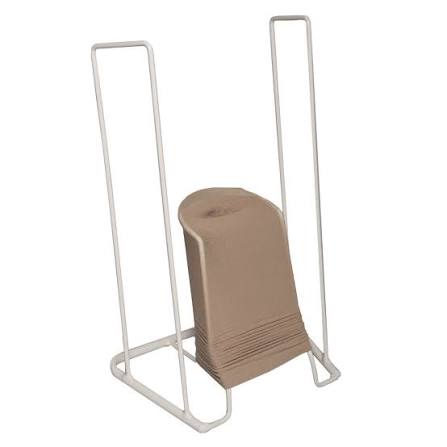
A compression stocking donner uses a stiff metal frame. It holds tight medical hose wide open so you can step inside. This rigid tool takes the huge struggle out of daily leg wear.
Ease of Use
You stretch the tight stocking over the round metal ring. This step takes a good bit of hand strength. Then, you step your foot down into the open hole. You use the tall handles to pull the frame up your bare leg.
Key Strengths
- Holds tight hose wide open for your heel.
- Tall handles mean far less bending for your back.
- Strong metal frame will not break or bend easily.
- Base is wide and very stable on the floor.
- Works great for large or thick calf sizes.
Potential Drawbacks
- Takes real hand strength to stretch the hose.
- Tool is big and quite hard to store away.
- Metal handles can feel cold or hard to hold.
- Not needed for loose, normal thin socks.
Which Is Easier for Seniors to Use?
Hand strength and joint flex matter a lot when using these tools. The right choice depends purely on your physical limits.
A basic sock aid is much easier for the hands. Loading a loose cotton sock takes no real work. Seniors with a weak grip love this simple aid. It moves smoothly over the foot and bare heel. You stay seated and just pull the two ropes.
The metal donner takes much more work up front. Stretching medical hose over a steel frame is hard. Seniors with bad joint pain may struggle to load the donner. But once it is loaded, the tall handles make it very easy to pull up. It is a strict trade off between hand strength and back pain.
Performance Comparison
Both items do their specific jobs very well. We must look at how they perform with different fabrics.
| Performance Area | Basic Sock Aid | Metal Donner |
| Sliding on Skin | Very smooth | Smooth but firm |
| Holding Fabric Open | Weak on tight socks | Very strong hold |
| Foot Entry Ease | Quick and fast | Needs clear aim |
A basic shell works like a dream with soft cotton. It slides smoothly and leaves the sock right in place. It fails badly if you try to use it for medical hose. The soft plastic will simply crush under the tight fabric.
The metal frame stands strong against heavy cloth pressure. It holds the tightest medical hose wide open. It performs quite poorly with loose ankle socks. A loose sock will just fall right off the thick metal ring.
Comfort, Accessibility, and Senior-Friendly Design
A good dressing tool must feel good in your bare hands. It should not cause any new pain or deep strain.
The basic aid uses soft foam handles on long ropes. You can change the rope length to fit your height. This keeps your back totally straight while you dress. The soft plastic bends slightly to fit your heel shape. It feels very smooth and warm against bare skin.
The metal frame uses tall, rigid arms. You grip the top bars to pull the hose up your leg. Some frames have nice foam grips on top. Others just have bare metal, which can slip. The wide base keeps it from tipping over fast. This helps seniors who have bad balance while seated.
“A dressing tool should fit your life, not force your body to hurt more.”
Features Comparison
These two products offer very different design traits. Knowing these parts helps you make a smart choice.
| Feature Type | Basic Sock Aid | Metal Donner |
| Grip Type | Foam loops | Metal or foam bars |
| Base Build | Curved plastic | Flat steel stand |
| Size Scale | Small and light | Large and bulky |
The basic model often comes with a soft cloth cover. This cloth grips the sock so it stays on the shell. The smooth plastic inside lets your foot slide fast. It is a very clever two part design that works well.
The metal model features baked paint to block deep rust. It has smooth, round edges to protect very thin skin. The base sits flat on thick rugs or hard wood floors. Some big models have handles that turn for a better hand grip.
Price, Maintenance, and Long-Term Value
Both tools cost very little for the huge help they give. You still want to buy a product that lasts a long time.
A standard plastic aid costs close to nothing. You can buy one for the price of a cheap lunch. The foam grips may wear out over a few years. The cloth gets dirty and is hard to wash clean. You will likely buy a new one every few years.
The metal frame costs a good bit more up front. It is still a very cheap tool in the grand scheme. The strong steel build means it will last for decades. You just wipe the bare metal clean with a damp cloth. It offers massive long term value for daily users.
Who Should Choose a Standard Sock Aid?
This simple tool serves a huge group of older adults. It is the best choice for everyday basic needs.
- Choose this if you wear loose soft cotton socks.
- Choose this if you lack grip strength in your two hands.
- Choose this if you have bad joint pain in your fingers.
- Choose this if you travel and need a small, light tool.
- Choose this if you just need help reaching your far toes.
Who Should Choose a Compression Stocking Donner?
This tool serves a very specific medical gear need. It helps folks who must wear tight leg gear all day.
- Choose this if your doctor ordered tight medical hose.
- Choose this if you have the hand strength to stretch thick fabric.
- Choose this if you have space to store a large metal frame.
- Choose this if normal plastic aids crush under your thick socks.
- Choose this if you need firm, rigid handles to pull up hard.
Sock Aid vs Compression Stocking Donner — Final Verdict
Your final choice depends strictly on your sock type. One tool is not flatly better than the other tool in all cases.
Best for most seniors: Standard Sock Aid. It handles daily dressing with zero fuss and low cost.
Best for tight medical hose: Compression Stocking Donner. It is the only safe way to open tight leg wear.
Best for weak hands: Standard Sock Aid. It requires no heavy stretching or strong grip power.
Best for long term value: Compression Stocking Donner. The steel frame simply does not break down.
Scoring Summary
Here is a fast look at how these tools rate. These scores reflect real daily use by older adults.
| Category | Basic Sock Aid | Metal Donner |
| Ease of Use | 9/10 | 6/10 |
| Hand Comfort | 8/10 | 7/10 |
| Build Strength | 5/10 | 10/10 |
| Storage Ease | 9/10 | 4/10 |
| Value for Price | 9/10 | 8/10 |
How We Evaluate Products
We look closely at tools that help seniors live well. We focus on real facts that change daily life at home.
Our review looks at ease of reach and daily comfort. We check if the tool is safe for thin leg skin. We judge the weight and the grip size. We rate the long term value and simple care needs. We only care about what helps older folks stay safe at home.
Senior-Specific Buying Considerations
You must check a few facts before you buy a tool. Think about your own body and your daily limits.
- Physical Effort: Can you stretch tight fabric with your bare hands?
- Tool Weight: Can you lift a metal frame without arm pain?
- Storage Space: Do you have a large drawer for a metal frame?
- Skin Safety: Do you have very thin skin that scrapes fast?
- Reach Range: Can you hold long ropes without bending your waist?
Common Buying Mistakes
Many folks buy the wrong tool and get very mad. Avoid these simple traps when you shop for dressing aids.
- Buying a basic plastic aid for tight medical hose.
- Buying a heavy metal frame just for thin dress socks.
- Ignoring your own hand strength before you buy.
- Forgetting to check if the tool fits big calf sizes.
- Thinking a high price means it is a better tool for you.
- Not checking if the tall handles have soft foam grips.
Safety Considerations
Dressing tools must be safe for frail skin and weak joints. You want to avoid falls or bad deep cuts.
Always sit deep in a firm chair when you use these tools. Never stand on one leg while you pull a sock on. Make sure the metal frame has no sharp edges or rust spots. Check the plastic shell for sharp cracks that might cut your leg. If your doctor gave you tight hose, ask them which tool they like best.
Conclusion
Picking a sock aid vs compression stocking donner is mostly about your socks. Cotton socks need a soft plastic shell. Tight medical hose need a rigid steel frame.
Choose the basic aid if you want cheap, easy daily help. Pick the metal frame if you must wear tight leg gear for your health. Always think about your hand strength before you spend a dime. The right tool will make your morning routine safe, fast, and totally pain free.
