
Smart Pill Dispenser for Seniors Easy Safe Medication Management

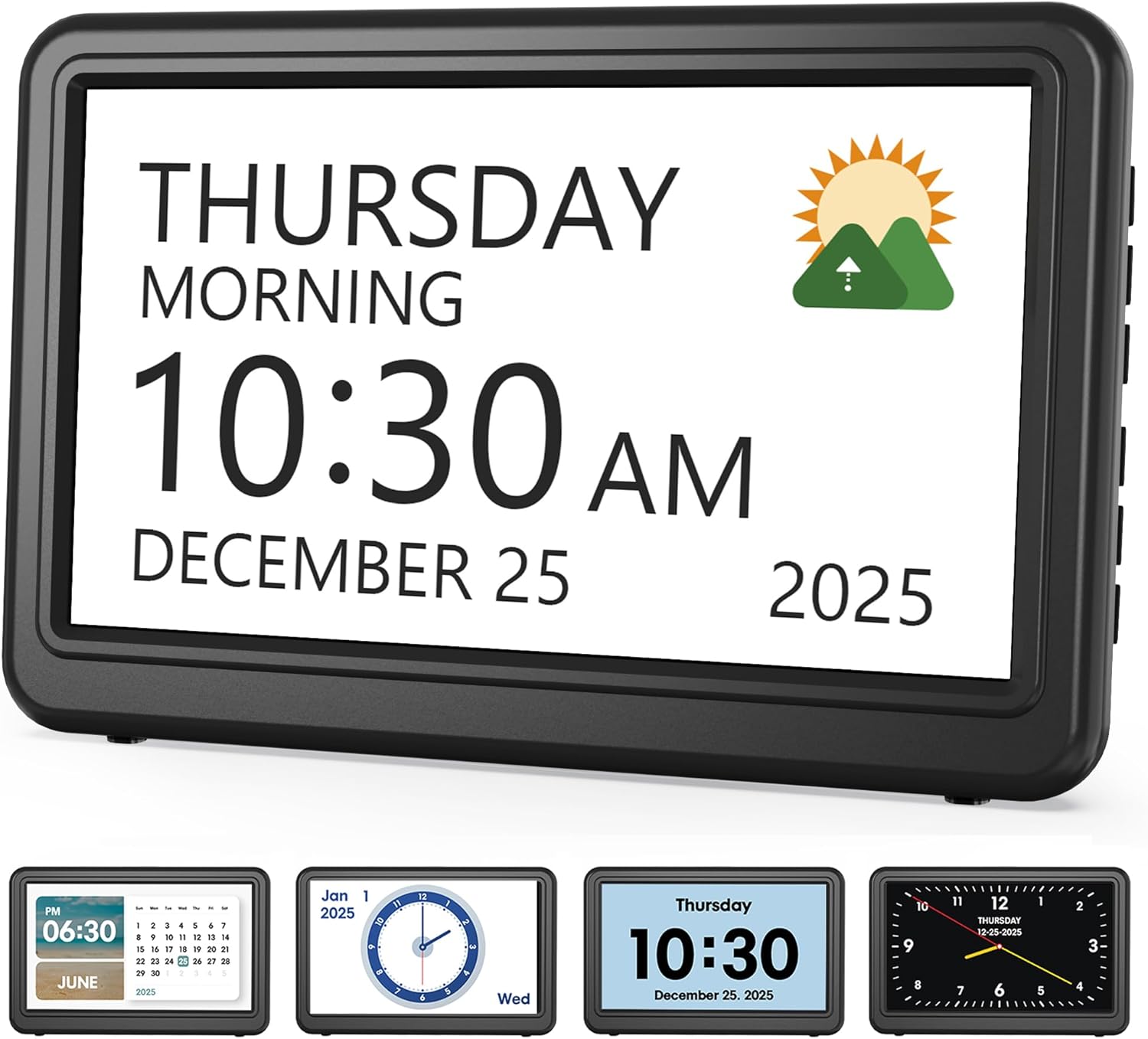
Medication Reminder Alarm

Toilet Seat Bidet Attachment

Arthritis Gloves
A smart pill dispenser for seniors can make medication routines safer by organizing doses, sending reminders, and reducing mix-ups. It works best when chosen with a pharmacist or doctor’s guidance and checked regularly by a caregiver.
A smart pill dispenser for seniors can make daily medication routines simpler, safer, and easier to follow. In 2026, these devices are especially helpful for older adults who take several prescriptions, live alone, or need a little extra support from family caregivers.
- Best use: Helpful for complex or safety-sensitive medication schedules.
- Safety first: Confirm medication compatibility with a pharmacist.
- Care support: It helps caregivers monitor, but does not replace oversight.
- Key features: Look for locking, reminders, tracking, and backup power.
- Cost note: Insurance coverage varies, so check before buying.
What a Smart Pill Dispenser for Seniors Is and Why It Matters in 2026
A smart pill dispenser is a medication device that helps store, organize, and release pills at the right time. Many models also send reminders, lock away extra doses, and let a caregiver check whether medication was taken.
For families, that can mean fewer missed doses and less worry about accidental double dosing. For older adults, it can also support independence without forcing them to rely on memory alone.
How smart dispensers differ from basic pill organizers
A basic pill organizer usually has open compartments for each day or time of day. It works well for simple routines, but it depends on the person remembering to open the right section at the right time.
A smart dispenser adds more control. It may sound an alarm, flash a light, unlock only the correct dose, and record whether the medication was taken. Some models can also notify a family member if a dose is missed.
Why medication safety is a growing caregiving priority
Many seniors take more than one medication, sometimes at different times of day. That increases the chance of confusion, especially if eyesight, hearing, or memory is changing.
Caregivers are often balancing appointments, work, and household tasks. A smart pill dispenser for seniors can help reduce the burden, but it is not a substitute for medical advice. If the medication routine seems confusing, talk to your doctor or consult your pharmacist.
Medication errors are more likely when routines change, such as after a hospital stay, a new prescription, or a move to a different care setting.
Who Benefits Most from a Smart Pill Dispenser for Seniors
These devices are not for every household, but they can be a strong fit for people who need structure and extra medication support. The best choice depends on the senior’s health, routine, and level of independence.
Seniors managing multiple daily prescriptions
When medications are taken in the morning, midday, and evening, keeping track can become tiring. A smart dispenser helps simplify the process by releasing only the scheduled dose.
This can be useful for older adults who want to stay on track without sorting pills several times a day. It may also help reduce mistakes when several medications look alike.
Caregivers supporting aging parents at home
Family caregivers often want a way to support medication adherence without hovering all day. A smart dispenser can offer peace of mind by showing whether a dose was taken.
That said, the device should support caregiving, not replace it. It is still important to check in regularly, refill the dispenser correctly, and watch for changes in health or behavior.
Adults with memory challenges, vision limits, or mobility issues
Older adults with mild memory problems may benefit from an automatic reminder system. People with poor vision may also find a locked, guided dispenser easier than reading small labels on a pill box.
For those with arthritis or limited hand strength, a dispenser that reduces twisting, opening, and sorting can make daily care easier. If physical or cognitive changes are getting worse, consult a healthcare provider for a full review.
Key Features to Look for in a Smart Pill Dispenser for Seniors
Not every product offers the same level of support. Before buying, compare the features to the senior’s actual medication routine, not just the marketing claims.
Locked compartments and controlled access
Locked storage helps prevent taking the wrong dose too early or opening the device out of habit. This is especially helpful when medications must be taken only at specific times.
Controlled access can also protect against confusion in homes where more than one person uses medication. If a senior has a history of mixing up doses, this feature may be especially valuable.
Audible, visual, and app-based reminders
Some users respond best to sound, while others need a flashing light or a phone alert. The stronger the reminder options, the more likely the senior is to notice the dose window.
For caregivers, app-based reminders can be useful when they want to monitor adherence from a distance. Still, reminder alerts should be loud and clear enough for the senior to hear or see without help.
Automatic dispensing and dose tracking
Automatic dispensing means the device releases the right pills at the right time. Dose tracking can show whether a dose was removed, which helps caregivers follow the routine more closely.
This feature is helpful, but it does not tell the whole health story. A missed dose may signal confusion, illness, or a side effect, so follow up with the senior if patterns change.
Connectivity options: Wi-Fi, Bluetooth, and cellular models
Some dispensers connect to Wi-Fi, while others use Bluetooth or a cellular signal. The right option depends on the home setup and how far away the caregiver lives.
Wi-Fi models may work well in stable home networks. Cellular models can be helpful when internet service is unreliable, but they may involve different service requirements. Always check the details before purchase.
Battery backup and power failure protection
Power outages happen, and medication schedules do not stop because the lights go out. A battery backup can help the dispenser keep working during short interruptions.
This is one of the most important features to check, especially for seniors who rely on the device for several daily doses. Ask how long the backup lasts and what happens if the power is off for an extended time.
- Helps reduce missed or double doses
- Supports safer independent living
- Gives caregivers better visibility
- Can simplify complex medication routines
How to Use a Smart Pill Dispenser Safely in Daily Care
The device works best when it is set up carefully and used as part of a broader care routine. Good setup matters just as much as the machine itself.
Setting up medication schedules with a pharmacist or caregiver
Before loading the dispenser, confirm the schedule with a pharmacist or healthcare provider. Some pills should not be split, crushed, or mixed with other medications without professional guidance.
A caregiver can help double-check the labels, timing, and refill plan. That extra review lowers the chance of putting the wrong medication in the wrong compartment.
Practical example: morning, noon, and bedtime dosing
Imagine a senior who takes one set of pills with breakfast, another at lunch, and a final dose at bedtime. A smart dispenser can be programmed to release each dose at those times.
That setup can be easier than managing three separate pill boxes. It also gives the caregiver a clearer routine for refilling and checking the schedule each week.
Building a routine that reduces missed or double doses
Try linking medication time to a daily habit, such as breakfast, a favorite TV show, or brushing teeth. Familiar routines make reminders easier to follow.
It also helps to keep the dispenser in the same visible place every day. If the senior forgets a dose often, review the situation with a doctor or pharmacist rather than simply increasing reminders.
Use a clean surface, good lighting, and the current medication list when filling the device.
Check the sound, light, and app notifications before relying on the dispenser every day.
Look for missed doses, refill needs, and any changes in prescription instructions.
Common Mistakes Families Make When Choosing or Using One
Smart dispensers can be very helpful, but only when they fit the person’s needs. Families sometimes choose a device that looks convenient but does not match the real medication routine.
Buying a dispenser that does not match the medication routine
Some devices are built for once-daily use, while others are better for several doses a day. If the routine changes often, the wrong dispenser can create more work instead of less.
Before buying, count how many times a day medications are taken and whether the schedule is likely to change. If the routine is complicated, ask a pharmacist which type of dispenser is safest.
Ignoring pill size, refill frequency, and alarm volume
Large pills may not fit well in every compartment, and some dispensers need refilling more often than families expect. Alarm volume matters too, especially for people with hearing loss.
These details may seem small, but they affect daily success. A device that is hard to hear or hard to refill often ends up sitting unused.
Assuming the device replaces caregiver oversight
A smart pill dispenser can support independence, but it cannot notice every problem. It will not explain side effects, check hydration, or notice if a senior seems unusually tired or confused.
Caregiver oversight is still important. If the senior is becoming less reliable with medications, talk to your doctor or healthcare provider about whether more supervision is needed.
Skipping cleanup, testing, and schedule updates
Devices need regular cleaning and occasional testing. Schedules also need updates after hospital stays, prescription changes, or new instructions from the doctor.
Skipping maintenance can lead to clogs, wrong timing, or missed alerts. A simple weekly check can prevent many of these problems.
Never assume a dispenser is safe for every medication. Some medicines require special handling, and using the wrong device could cause harm.
Smart Pill Dispenser for Seniors vs. Other Medication Management Options
There is no single best choice for every older adult. The right option depends on how complex the medication routine is and how much support the person needs.
Comparison with weekly pill boxes and manual organizers
Weekly pill boxes are simple, low-cost, and easy to understand. They work well for people with stable routines and good memory.
Manual organizers, however, depend on the user to remember each dose. A smart pill dispenser for seniors offers more structure and can be better when safety is a bigger concern.
When a reminder app may be enough
If a senior is still independent and only needs a gentle nudge, a reminder app may be enough. This can be a good fit for people who are comfortable using a smartphone.
But app reminders do not physically control access to pills. If the person tends to forget, repeat doses, or get confused, a more secure device may be a better choice.
When a locked automatic dispenser is the better choice
A locked automatic dispenser is often the better option when the medication schedule is strict or the risk of mistakes is higher. It may also help when a caregiver wants more oversight from a distance.
If there is any concern about safety, ask a pharmacist or healthcare provider whether a locked model is appropriate. The answer can depend on the medications involved and the person’s health condition.
Cost considerations: budget models vs. premium monitored systems
Costs vary widely by features, monitoring, and connectivity. Some systems are simple and affordable, while others include remote alerts, service plans, or cellular connections.
Medicare coverage for these devices is not guaranteed and may vary by plan or situation. If cost is a concern, ask the supplier, your pharmacist, and your insurance provider what may be covered before you buy.
| Option | Best For | Note |
|---|---|---|
| Weekly pill box | Simple routines | Low cost, but relies on memory |
| Reminder app | Tech-comfortable seniors | Helpful for prompts, not physical control |
| Smart pill dispenser | Complex or safety-sensitive routines | Better for tracking and controlled access |
Expert Advice and Safety Warnings Before You Buy
Before choosing any medication device, it is wise to get professional input. A pharmacist can often spot problems that are easy to miss when looking at product features alone.
When to consult a doctor, pharmacist, or home care professional
Talk to your doctor if medications have changed recently, if side effects are getting worse, or if the senior has had falls, confusion, or repeated missed doses. Consult your pharmacist if you are unsure whether a medication can be stored in a dispenser.
Home care professionals can also help if the senior needs ongoing support with daily routines. Their guidance can be especially useful when family caregivers live far away.
Medication types that may need special handling or extra caution
Some medications are more sensitive than others and may not be suitable for every dispenser. Heat, moisture, timing, and packaging can all matter.
Because medication rules vary, always confirm with a pharmacist before transferring pills into a device. Never guess when a medicine has special instructions.
Signs that a senior needs more supervision than a dispenser alone can provide
If the senior is repeatedly missing doses, taking the wrong pills, or becoming confused about the schedule, the dispenser may not be enough. The same is true if the person cannot hear alarms or cannot refill the device safely.
Other warning signs include sudden memory changes, frequent falls, or trouble understanding instructions. In those cases, talk to your doctor promptly and ask about a fuller care plan.
If medication mistakes are happening often, or if memory and balance are changing, ask for a professional review before relying on any dispenser alone.
Final Recap: Choosing the Right Smart Pill Dispenser for Seniors
The best smart pill dispenser for seniors is the one that fits the person’s real routine, not just the product description. A good match should be easy to use, easy to hear or see, and safe for the medications involved.
Best-fit factors to review before purchase
Check the number of daily doses, compartment size, alarm strength, locking system, backup power, and connectivity options. Also think about who will refill it and who will monitor it.
If possible, review the choice with a pharmacist or healthcare provider before buying. That extra step can prevent expensive mistakes and improve safety.
How the right device supports independence, safety, and peace of mind
When chosen well, a smart dispenser can help an older adult stay more independent while giving caregivers confidence that medication is being managed more reliably. It can reduce stress for the whole household.
Just remember that no device replaces good communication, regular check-ins, and professional advice. Used thoughtfully, it can become a helpful part of safer daily care.
Frequently Asked Questions
It is a device that stores and releases medication at scheduled times. Many models also send reminders and help caregivers track doses.
It can be better for seniors with complex schedules or a higher risk of missed doses. A simple pill box may still work well for easier routines.
Yes, it may help with mild forgetfulness by adding reminders and controlled access. If memory problems are getting worse, talk to your doctor.
No, some medicines need special handling or may not fit well. Always consult your pharmacist before loading medications into the device.
Coverage varies by plan and situation. Check with your insurance provider, supplier, or healthcare team before you buy.
Check it regularly for refills, cleaning, battery status, and schedule changes. A weekly review is a good habit for many families.