
Best Products for Seniors Living Alone to Stay Safe and Independent


Kindle E-Reader

Mattress Topper Memory Foam
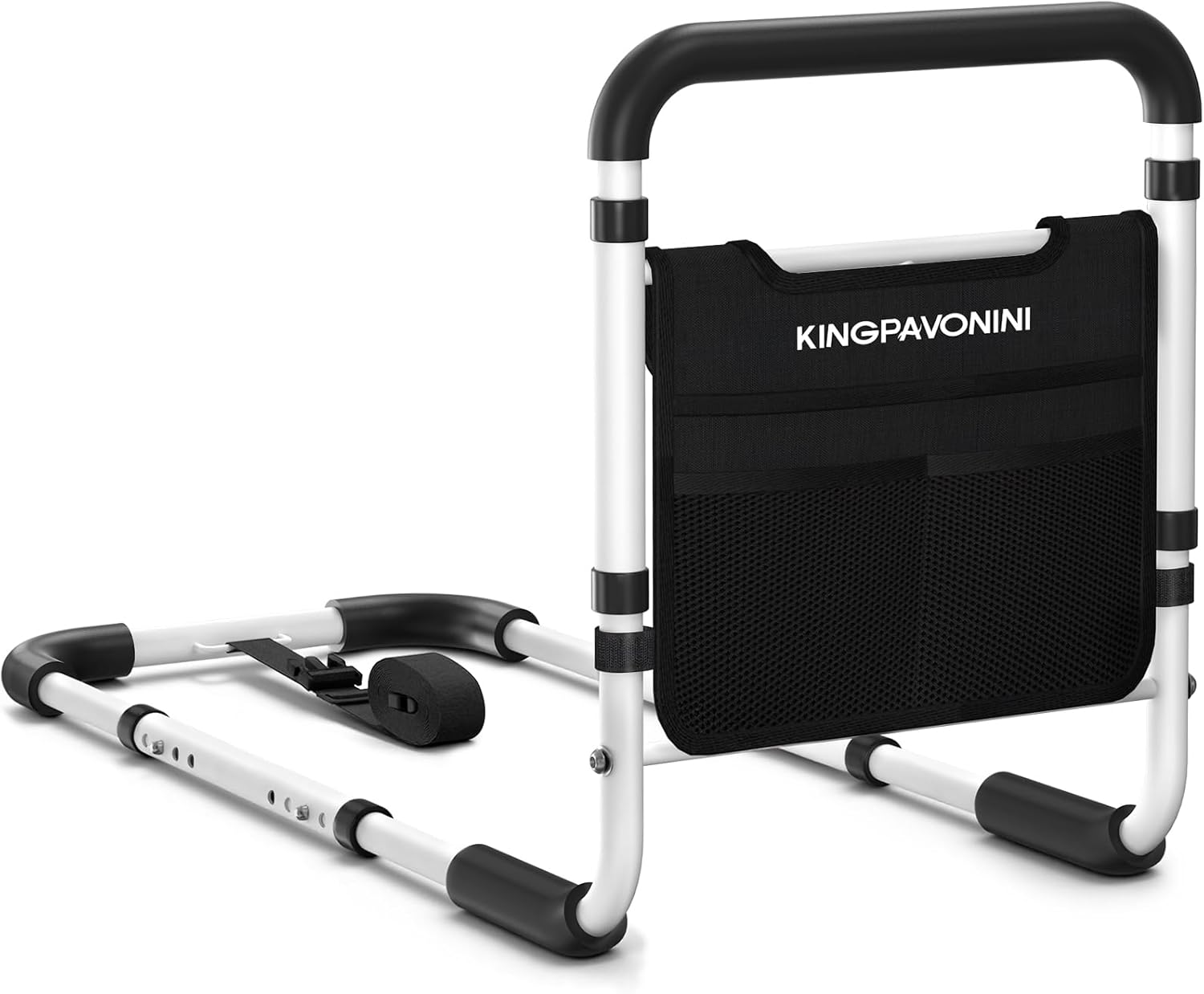
Bed Rail for Seniors
The best products for seniors living alone are the ones that prevent falls, support daily routines, and make it easy to get help in an emergency. Start with simple, reliable items like grab bars, night lights, medication organizers, and a medical alert system if needed.
If you live alone in later life, the best products are the ones that solve a real daily problem: preventing falls, making routines easier, and helping you get help quickly if something goes wrong. The best products for seniors living alone are usually simple, reliable, and easy to use every day.
This guide from SeniorsProTalk focuses on practical home safety and caregiving products that support independence without adding clutter or confusion. For some people, a few low-cost items make the biggest difference; for others, smart home tools or medical alert devices are worth the extra cost.
- Start with safety: Focus first on bathrooms, bedrooms, and nighttime walking paths.
- Keep it simple: Choose easy-to-use products that fit daily habits.
- Support routines: Medication reminders and adaptive tools can reduce stress.
- Use tech wisely: Smart devices help most when they solve a clear problem.
- Ask for help: Get professional advice if falls, memory issues, or balance problems are involved.
Best Products for Seniors Living Alone: What This Guide Will Help You Choose in 2026
Shopping for home safety products can feel overwhelming because there are so many options. The goal is not to buy everything at once, but to choose products that match your actual needs, your home layout, and your comfort level with technology.
Some seniors mainly need fall prevention. Others need help remembering medications, opening containers, reaching shelves, or feeling safer at night. If you are comparing living arrangements too, it may help to read about senior living vs independent living so you can think about how much support you want at home versus in a community setting.
Start with one room at a time. The bathroom, bedroom, and main walking paths are often the best places to improve safety first.
How to Match Products to Real-Life Needs for Independent Aging at Home
The best products for older adults are the ones that fit daily habits. A device that is hard to reach, hard to read, or hard to remember will not help much, even if it looks impressive online.
Mobility, balance, and fall prevention needs
If walking feels less steady than it used to, focus on products that reduce slipping and improve support. That can include grab bars, non-slip mats, sturdy shower seating, and brighter lighting in hallways and stairways.
Think about where you feel most unsteady: getting out of the tub, stepping from carpet to tile, walking to the bathroom at night, or carrying laundry and groceries. Those are the places where a small change can prevent a big problem.
Medication, memory, and daily routine support
Forgetting a pill, missing an appointment, or repeating the same task can happen to anyone, but it becomes more important when you live alone. Reminder devices, pill organizers, and automated dispensers can help keep the day on track.
If memory changes seem new or are getting worse, talk to your doctor or consult your pharmacist/healthcare provider before relying on a product alone. A device can support routine, but it should not replace medical advice.
Kitchen, bathroom, and bedroom safety priorities
Most home accidents happen in predictable places. The kitchen can bring cut risks and burns, the bathroom can bring slips, and the bedroom can be risky if you get up at night without enough light.
Before buying gadgets, walk through each room and ask: What is the most likely hazard here? That answer should guide your shopping list.
Top Safety Products That Help Prevent Falls and Emergencies
Safety products are usually the first items worth buying because they help reduce the chance of a serious injury. They also tend to be more useful than decorative or “nice to have” upgrades.
Grab bars, non-slip mats, and shower chairs
Bathroom safety products are often the most important for seniors living alone. Grab bars can provide support near the toilet and shower, while non-slip mats help reduce sliding on wet floors.
A shower chair or bath seat can make bathing less tiring and safer if standing for long periods is difficult. Make sure any product is installed correctly and is appropriate for your body size and bathroom setup. If you are unsure, ask a professional installer or occupational therapist.
Never rely on towel bars, sink fixtures, or loose suction products as your main support. They may not hold body weight safely.
Motion-sensor lights and night lights for safer movement
Good lighting is one of the simplest ways to lower fall risk. Motion-sensor lights can turn on automatically in hallways, bathrooms, closets, and entrances, which helps when your hands are full or when you wake up at night.
Night lights are also useful, especially along the path from the bedroom to the bathroom. Choose lights that are bright enough to guide you but not so bright that they cause glare.
Medical alert systems and emergency call devices
Medical alert systems can be helpful for seniors who live alone and want a faster way to call for help after a fall or sudden illness. Some are worn on the wrist or around the neck, while others work through a base unit or mobile connection.
These devices are not the same as a full emergency response plan, but they can be an important part of one. Coverage and cost vary, so check with the provider and review any insurance options carefully. If you have a history of falls, fainting, or dizziness, talk to your doctor before choosing a system.
Some emergency devices work better indoors, while others are designed for use outside the home. Make sure the system fits your real routine, not just your house.
Best Daily Living Products That Make Solo Living Easier
Independence is not only about safety. It is also about making everyday tasks easier so you can keep doing them comfortably and with less strain.
Easy-open kitchen tools and adaptive utensils
Easy-grip jar openers, electric can openers, lightweight cookware, and adaptive utensils can reduce hand strain. These products are especially helpful if you have arthritis, reduced grip strength, or pain in your hands.
Look for tools that are simple to clean and do not require much force. A good product should save energy, not create another chore.
Reacher grabbers, sock aids, and dressing aids
Reacher grabbers help you pick up items from the floor or high shelves without bending or stretching too far. Sock aids and dressing sticks can make getting dressed easier if bending is uncomfortable.
These tools can be especially useful after surgery, during arthritis flare-ups, or when balance is not as strong as it used to be. If you have shoulder, back, or hip pain, ask your healthcare provider whether a certain tool is safe for you.
Large-button phones, voice assistants, and reminder devices
Large-button phones can be easier to see and use than small touchscreens. Voice assistants can also help with phone calls, reminders, timers, and simple questions if you are comfortable speaking commands out loud.
Reminder devices may help with daily routines like eating meals, taking medicine, or turning off the stove. Keep in mind that technology is only helpful if it is set up in a way you can use confidently every day.
Many seniors do best with a few highly visible tools, not a house full of gadgets. Simplicity often improves follow-through.
Smart Home and Monitoring Products for Peace of Mind
Smart home tools can be useful, but they should solve a clear problem. The best smart products are the ones that add safety without making daily life more complicated.
Smart doorbells, cameras, and entry alerts
Smart doorbells and entry alerts can help you see who is at the door before opening it. This can be reassuring if you have hearing trouble, mobility limits, or concerns about unexpected visitors.
Cameras and alerts should be set up carefully so they respect privacy and are easy to manage. If you are not comfortable with apps or passwords, ask a trusted family member or caregiver to help with setup.
Leak detectors, smoke alarms, and carbon monoxide monitors
Leak detectors can warn you early about water problems under sinks, near washers, or by water heaters. Smoke alarms and carbon monoxide monitors are essential because they can alert you to danger even when you are sleeping.
Carbon monoxide is a gas you cannot see or smell, so a working monitor matters. Replace batteries and test alarms regularly, and follow the manufacturer’s instructions for placement. If you are unsure about home safety standards, contact your local fire department or a qualified professional.
Automated medication dispensers and digital check-in tools
Automated medication dispensers can help organize pills and provide reminders at the right time. Some also lock medication compartments so doses are taken in the correct order.
Digital check-in tools can let family members or caregivers know that you are okay. These can be helpful for peace of mind, but they work best when someone actually responds if there is a missed check-in. Always consult your pharmacist/healthcare provider if you are changing how you manage medications.
Cost, Value, and Comparison: Which Products Are Worth Buying First?
Not every helpful product costs the same. A smart approach is to spend first on items that prevent injury or support essential routines, then add convenience products later.
Budget-friendly essentials vs. higher-cost tech upgrades
Budget-friendly essentials usually include grab bars, non-slip mats, night lights, a simple pill organizer, and a reacher grabber. These items are often low cost and easy to understand.
Higher-cost tech upgrades may include medical alert systems, smart doorbells, automated dispensers, and camera-based monitoring. These can be worthwhile, but only if you will actually use them.
| Option | Best For | Note |
|---|---|---|
| Basic safety items | Immediate fall prevention | Usually the best first purchase |
| Reminder and routine tools | Medication and memory support | Helpful if used consistently |
| Smart monitoring devices | Peace of mind and remote support | May require setup and ongoing fees |
What to prioritize if you can only buy a few items
If your budget is limited, start with the bathroom, bedroom, and nighttime walking path. For many older adults, the first three purchases should be a non-slip bath mat, a motion light, and a medication organizer or alert tool.
If falls are a major concern, a medical alert device may move higher on the list. If memory or medication errors are the bigger issue, focus there first.
When insurance, senior programs, or caregiver support may help
Some products may be partially covered or supported through insurance, community programs, veterans’ benefits, or local aging services, but coverage varies a lot. Ask before you buy, because rules differ by plan and location.
A caregiver, family member, or case manager may also help with setup, training, or paperwork. If you are unsure where to start, your doctor’s office, pharmacist, or local aging agency may point you in the right direction.
Common Mistakes Seniors and Families Make When Shopping for Home Safety Products
It is easy to spend money on the wrong thing when you are worried about safety. A little planning can prevent wasted purchases and frustration.
Buying too many gadgets without solving the main risk
One common mistake is buying several devices before identifying the biggest hazard. For example, a person might buy a smart speaker and camera system while the real problem is a slippery bathroom floor.
Start with the risk that is most likely to cause harm. Then add tools only if they clearly improve that situation.
Choosing products that are hard to use or maintain
Some products look helpful but are too complicated for everyday use. If a device needs frequent charging, hard-to-read screens, or confusing setup, it may end up unused.
Choose products with large controls, clear instructions, and simple maintenance whenever possible. If you need help understanding a product, ask a pharmacist, caregiver, or trusted family member to review it with you.
Ignoring setup, placement, and routine follow-through
Even a good product can fail if it is installed in the wrong place. A grab bar that is too far from the tub, a light that points the wrong way, or an alarm with dead batteries will not protect you well.
Make installation and routine checks part of the purchase decision. If a product needs professional installation, factor that into the total cost.
When to Ask a Professional for Help Before Buying or Installing Products
Some situations are simple enough to handle on your own. Others are worth reviewing with a professional before you buy anything.
Signs a home safety assessment is needed
A home safety assessment may be a good idea if you have fallen recently, feel unsteady, use a walker or cane, or have trouble getting in and out of the shower. It can also help if your home has stairs, poor lighting, or cluttered walking paths.
An assessment can point out hazards you may not notice every day. It can also help you decide which products will make the biggest difference.
When to involve an occupational therapist, pharmacist, or caregiver
An occupational therapist can suggest practical tools for bathing, dressing, reaching, and moving around the home. A pharmacist can review medication routines and help you think through reminder systems or pill organizers.
Caregivers and family members can help with setup, testing, and follow-up. If you have arthritis, vision loss, hearing loss, or memory concerns, professional guidance can save time and prevent poor purchases.
If you are falling, fainting, getting confused, or having new trouble with balance, do not rely on home products alone. Talk to your doctor to rule out a medical cause before making major changes at home.
Warning signs that living alone may need extra support
If you are missing medications often, leaving the stove on, forgetting appointments, or struggling with bathing and dressing, those are signs to get more support. The right products can help, but they may not be enough by themselves.
In that case, talk with your doctor, family, or a local aging professional about whether more in-home help or a different living arrangement would be safer.
Final Recap: The Best Products for Seniors Living Alone to Stay Safe and Independent
The best products for seniors living alone are the ones that reduce your biggest daily risks and make routine tasks easier. For many people, that means starting with bathroom safety, lighting, medication support, and a reliable way to call for help.
Keep your shopping list simple, choose products you can use comfortably, and ask for help when a problem seems bigger than a product can solve. With the right mix of safety tools and practical support, living alone can stay both independent and manageable.
Frequently Asked Questions
The most important products usually address fall prevention, lighting, medication reminders, and emergency help. Bathroom safety items and a reliable alert device are often top priorities.
They can be worth it if you are at risk of falls, fainting, or other emergencies and want a faster way to get help. Coverage and cost vary, so compare options and talk to your doctor if you have health concerns.
Start with the biggest safety risks, usually the bathroom, bedroom, and nighttime walking path. Low-cost items like grab bars, non-slip mats, night lights, and a pill organizer often give strong value.
A good product should be simple to set up, easy to read, and comfortable to use every day. If it needs frequent charging, complex apps, or hard maintenance, it may not be the best fit.
Yes, smart doorbells, leak detectors, and reminder tools can improve safety and peace of mind. They work best when they solve a clear problem and are easy for the senior to manage.
Ask for help if there have been falls, new balance problems, memory changes, or trouble with daily tasks. An occupational therapist, pharmacist, caregiver, or doctor can help you choose the right products and check for medical causes.