
Senior Transfer Safety Tips for Safer Elder Care


Motion Sensor Night Lights
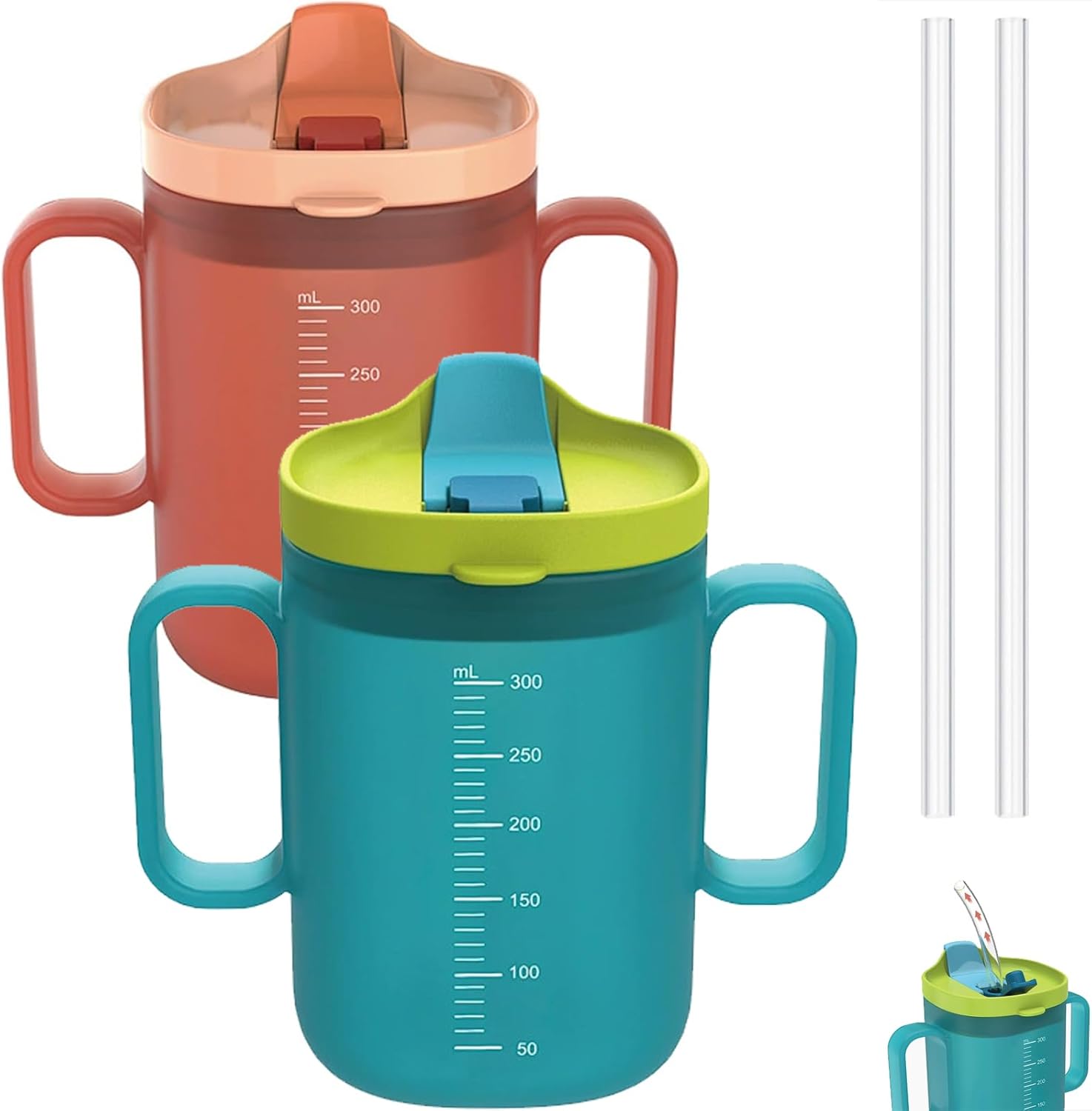
Spill-Proof Adult Cup
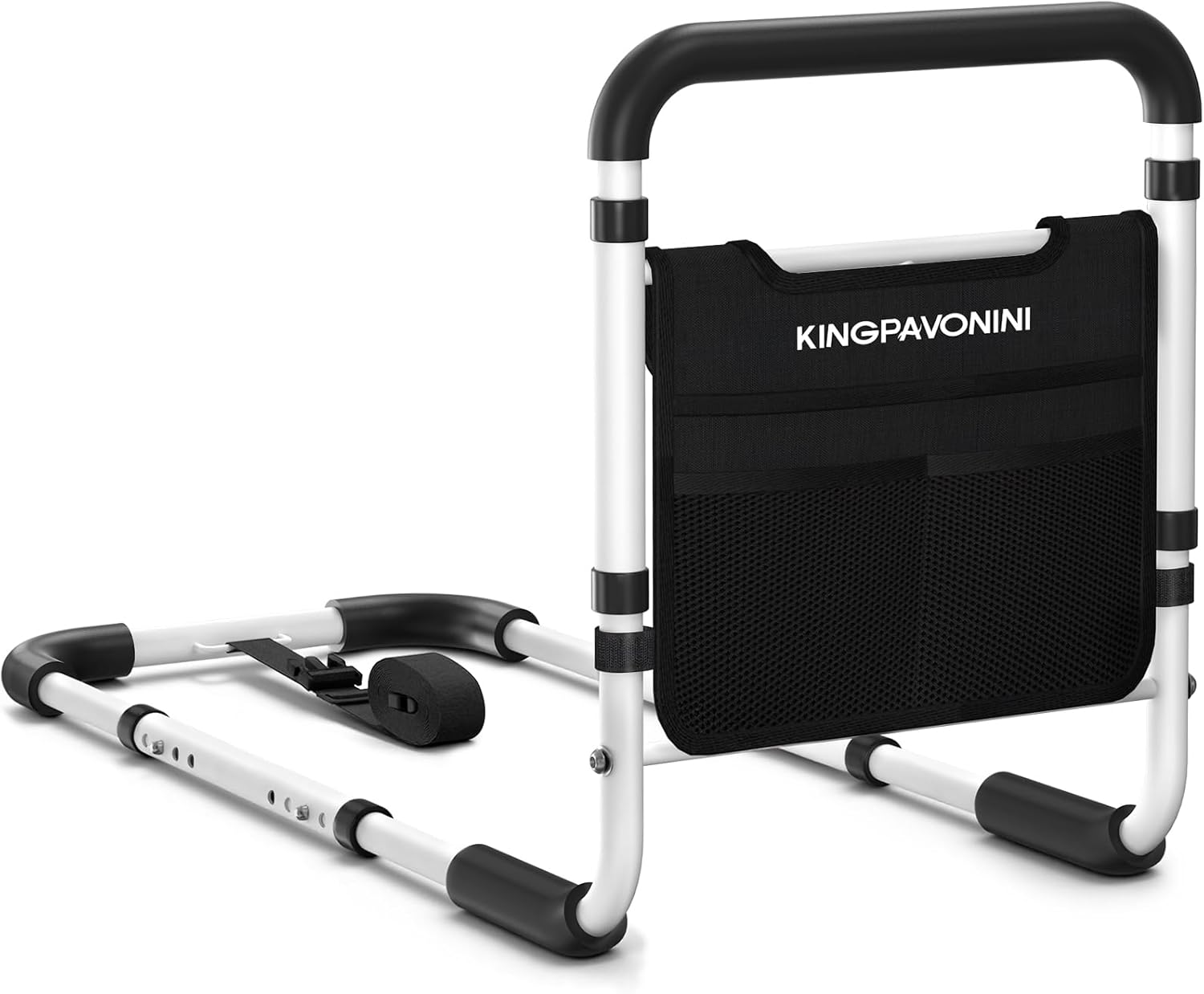
Bed Rail for Seniors
Safe senior transfers start with preparation, the right equipment, and calm, steady movement. If transfers are becoming harder or less safe, ask your doctor or a therapist for help before the next fall happens.
Safe transfers are one of the most important parts of elder care, whether you are helping a parent out of bed, guiding them to a chair, or supporting a bathroom trip. Good senior transfer safety tips can lower the risk of falls, protect the caregiver’s back, and help the senior feel calmer and more confident.
In 2026, safer transfer habits matter even more because many families are caring for loved ones at home for longer periods, often with changing mobility needs. The goal is not to “muscle through” a transfer, but to use the right support, the right timing, and the right technique.
- Plan first: Check the floor, footwear, brakes, and equipment before every transfer.
- Use the right help: Match the transfer method to the senior’s current strength and balance.
- Protect both people: Keep good posture and avoid twisting or lifting too much.
- Watch for changes: Pain, fatigue, confusion, or dizziness can make transfers unsafe.
- Get support early: A therapist or doctor can help when transfers start to feel risky.
Understanding Senior Transfer Safety Tips and Why They Matter in 2026
A safe transfer is any move from one surface to another that is done with enough support, planning, and control to reduce injury. That may sound simple, but even a short move can become risky if the senior is weak, dizzy, in pain, or unsure of what to do next.
These moments often happen many times a day. That is why small improvements in technique can make a big difference over time.
What “safe transfer” means in elder care settings
In elder care, a safe transfer means the senior is moved without sudden pulling, twisting, or rushing. The person helping should know how much weight the senior can bear, whether they can stand, and whether they need a belt, board, walker, or lift.
Safe transfer also means protecting dignity. Clear instructions, steady pacing, and simple communication can help the senior feel more secure and less embarrassed.
Common transfer situations at home and in care facilities
Transfers happen in many everyday situations: getting out of bed, moving to a wheelchair, sitting down in a recliner, standing from the toilet, stepping into a shower chair, or getting into a car. Each situation has different risks because the surfaces, height, and footing are not the same.
In facilities, transfers may happen more often and with more equipment. At home, families often have less space and fewer tools, so planning matters even more.
How transfer-related injuries affect seniors and caregivers
For seniors, a bad transfer can lead to bruises, sprains, fear of movement, or a serious fall. For caregivers, the most common problem is back, shoulder, or wrist strain from trying to catch or lift too much at once.
Sometimes the injury is not immediate. A senior may become more fearful after a near-fall, and a caregiver may start avoiding needed help because they are worried about hurting themselves. That is when a better plan is needed.
Assessing Mobility, Strength, and Fall Risk Before Any Transfer
Before helping someone move, take a quick look at how they are doing that day. A person who usually stands with light support may need much more help if they are tired, sick, or having a pain flare-up.
It is wise to reassess often, especially if the senior has a recent illness, medication change, or memory change. If you are unsure, consult your healthcare provider or physical therapist.
Signs a senior needs hands-on assistance vs. minimal support
Minimal support may be enough if the senior can follow directions, bear weight on both legs, and keep their balance during standing and turning. Hands-on assistance is usually needed if they sway, grab for furniture, cannot rise from a chair, or need repeated reminders.
If a person cannot safely shift their weight or seems unable to understand the steps, do not assume they can “push through.” That is a sign to slow down and reassess.
How to evaluate balance, pain, fatigue, and cognitive changes
Balance is not only about strength. Pain, stiff joints, swollen feet, dizziness, fatigue, and confusion can all change how safe a transfer will be.
Watch for new hesitation, shorter steps, freezing, or a sudden fear of standing. These may be clues that the person needs more support than usual. If symptoms are new or worsening, talk to your doctor.
When a quick transfer assessment should be updated
Update your transfer plan after any fall, near-fall, surgery, hospital stay, medication change, infection, or noticeable decline in walking. Even a small change in alertness can affect safety.
It is also smart to reassess after home changes, such as moving furniture, adding rugs, or bringing in new equipment. A transfer method that worked last month may not be the safest choice today.
If your loved one suddenly cannot stand, is falling often, or seems much weaker than usual, seek medical advice. Sudden changes can signal an illness, medication side effect, dehydration, or another issue that needs prompt attention.
Step-by-Step Senior Transfer Safety Tips for Beds, Chairs, and Toilets
The safest transfers usually start before the person moves. Set up the space, explain the plan, and make sure the senior knows what to do before you begin.
Use slow, clear steps. If the person is unsure, pause and restart rather than forcing the transfer.
Safe techniques for sit-to-stand transfers
For sit-to-stand transfers, place the senior’s feet flat on the floor and slightly back under the knees if possible. Encourage them to lean forward from the hips, push from the chair arms if they can, and stand on a count of three.
Stand close enough to assist, but not directly in front of their knees. That gives you space to support them if they wobble.
Lock wheels, clear clutter, and make sure shoes or non-slip socks are on.
Use simple directions like “nose over toes” and “stand on three.”
Support the movement with steady contact, not pulling on arms or shoulders.
Bed-to-wheelchair and wheelchair-to-bed transfer basics
For bed-to-wheelchair transfers, line up the chair close to the bed and lock the wheelchair brakes. Remove footrests, and make sure the chair is at the right angle so the senior does not have to twist far.
If the senior can pivot, help them stand, turn in small steps, and sit slowly. If they cannot bear weight well, a slide board or mechanical lift may be safer. When in doubt, ask a physical therapist to show you the right method.
Bathroom transfer safety: toilets, showers, and grab points
Bathroom transfers are especially risky because of wet floors, tight spaces, and awkward angles. Use grab bars or sturdy support points designed for safety, not towel racks or sink edges that may not hold weight.
A raised toilet seat, shower chair, or transfer bench can make a big difference. Keep towels, soap, and clothing within reach so the senior does not have to twist or reach while unsteady.
Practical examples of proper caregiver positioning and body mechanics
Keep your feet apart for balance, bend at the knees, and hold the person close to your body when possible. Avoid bending at the waist and avoid twisting while lifting.
If you need to turn, move your feet instead of twisting your back. Think “step and pivot” rather than “reach and pull.” This is one of the simplest ways to protect yourself during daily care.
Before every transfer, take five seconds to check the floor, the footwear, the brakes, and the person’s readiness. A short pause can prevent a long recovery.
Transfer Aids and Home Modifications That Reduce Injury Risk
Not every transfer should rely on strength alone. The right aid can reduce strain, improve confidence, and make daily care more predictable.
Choosing equipment depends on mobility level, home layout, and budget. Medicare or insurance coverage may vary, so check with your plan and supplier before buying.
Transfer belts, gait belts, and slide boards: when to use each
A transfer belt, often called a gait belt, can help a caregiver guide and steady a person who can stand with help. It gives you a safer handhold than gripping clothing or arms.
A slide board is often used when the person cannot stand well but can help with a seated transfer. It is not right for every person, especially if they have poor trunk control or cannot follow directions. A therapist should show you how to use it correctly.
Comparing walkers, lift chairs, raised toilet seats, and bed rails
Walkers help with walking support, but they are not a lifting device. Lift chairs can make standing easier for some people, while raised toilet seats reduce the distance needed to stand.
Bed rails may help with positioning or turning in bed, but they are not always safe for everyone. For more on that topic, see senior safety rails and how they may fit into a broader care plan.
| Option | Best For | Note |
|---|---|---|
| Transfer belt | Light to moderate standing help | Needs proper training |
| Slide board | Seated transfers with limited standing | Not for everyone |
| Raised toilet seat | Bathroom standing support | Simple, often helpful |
| Mechanical lift | High assist needs | Requires setup and training |
Low-cost safety upgrades versus higher-cost equipment options
Low-cost upgrades often include non-slip mats, better lighting, clutter removal, and rearranging furniture for easier access. These changes can be very effective and are worth doing first.
Higher-cost equipment, such as a lift chair or mechanical lift, may be worth considering if transfers are frequent or becoming unsafe. Cost and coverage vary widely, so ask about Medicare, supplemental insurance, rental options, and local medical supply programs.
How to choose the right aid based on mobility level and living space
A useful aid should match both the person’s ability and the room they live in. A large lift may be safe, but it is not helpful if it cannot fit around the bed or bathroom door.
If space is tight, an occupational therapist can suggest ways to improve the layout. If the senior’s strength is changing, ask a physical therapist or home care nurse to help choose equipment that fits the current need.
Common Transfer Mistakes Caregivers Make and How to Avoid Them
Even caring helpers make mistakes, especially when they are tired or trying to save time. The problem is that one rushed transfer can undo a lot of good work.
Knowing the common errors makes them easier to avoid.
Rushing the transfer or skipping preparation
Rushing is one of the biggest causes of transfer problems. If the chair is not locked, the path is not clear, or the senior is not ready, the transfer becomes much riskier.
Take time to prepare the space before you ask the person to stand. A calm setup is usually faster than cleaning up after a fall.
Using improper lifting posture or twisting the back
Many caregivers hurt themselves by bending too far, twisting while holding weight, or trying to lift instead of guide. Even if the senior is small, awkward posture can strain the back.
Use your legs, keep the person close, and turn with your feet. If a transfer feels too heavy or awkward, stop and get help.
Forcing a transfer when the senior is unsteady or resistant
Sometimes a senior resists because they are afraid, embarrassed, in pain, or confused. Forcing the move can lead to a struggle and increase the chance of injury.
Try to understand the reason for the resistance. If it is new or unusual, talk to your doctor or healthcare provider, because pain, infection, medication effects, or memory changes may be involved.
Ignoring footwear, clutter, and slippery flooring
Even the best transfer technique can fail on a slick floor or with poor footwear. Bare feet, socks without grip, loose rugs, and cluttered walkways all raise the fall risk.
Check these basics every day. Small environmental fixes often do more than people expect.
Do not try to catch a falling senior by pulling hard on the arms or twisting your body. That can injure both of you. If a fall seems likely, focus first on protecting the head and lowering the person safely if you can.
When to Get Professional Help or Medical Guidance
There comes a point when home techniques are no longer enough. That is not a failure; it is a sign that the care plan needs to change.
Getting help early can prevent injury and make daily care easier for everyone.
Warning signs that transfer support is becoming unsafe
If the senior is needing more help each week, cannot bear weight reliably, or becomes exhausted after short transfers, the current routine may no longer be safe. The same is true if the caregiver feels afraid, strained, or unable to control the move.
Frequent near-falls are an important warning sign, even if no one has been hurt yet.
When to consult a physical therapist, occupational therapist, or home care nurse
A physical therapist can help with strength, balance, and transfer technique. An occupational therapist can suggest safer ways to move in the bathroom, bedroom, and other tight spaces.
A home care nurse can help monitor changes in health and explain when a new transfer plan may be needed. If you are unsure who to call first, your doctor can point you in the right direction.
Many transfer injuries happen during routine tasks, not emergencies. That is why consistent habits matter so much in everyday elder care.
Situations that may require a mechanical lift or two-person assist
A mechanical lift may be needed when the senior cannot safely stand, cannot follow directions, or has very limited weight-bearing ability. In some cases, two trained helpers are safer than one.
Do not guess if the person is at that level. Ask for a professional assessment, because using the wrong method can hurt both the senior and the caregiver.
Red flags after a fall, near-fall, or sudden decline in mobility
Seek medical guidance if the senior has pain, swelling, new confusion, trouble walking, weakness on one side, or a change in alertness after a fall or near-fall. These are not things to watch casually.
Also get help if mobility drops suddenly without a clear reason. A new problem may be medical, not just physical.
Creating a Safer Daily Transfer Routine for Long-Term Elder Care
The best transfer safety plans are simple, repeatable, and shared by everyone involved. A routine reduces guesswork and helps the senior feel more secure.
Consistency matters, especially when multiple family members or paid aides are helping.
Building a consistent pre-transfer checklist for caregivers
Use the same quick checklist before each transfer: brakes locked, path clear, proper shoes on, equipment ready, and the senior alert enough to participate. This keeps the process steady and less stressful.
It can help to keep the checklist in the bedroom or bathroom where transfers happen most often.
- Are the brakes locked?
- Is the floor dry and clear?
- Does the senior have proper footwear?
- Is the right aid or support in place?
- Is the person ready and able to follow directions?
Communicating with the senior to reduce fear and resistance
Simple, respectful communication can make transfers much smoother. Explain what you are doing, why you are doing it, and what the person should do next.
Many older adults respond better when they are given time and choice. Even small phrases like “Let’s do this together” can reduce fear.
Training family caregivers and paid aides on the same method
If more than one person provides care, everyone should use the same transfer method whenever possible. Different techniques can confuse the senior and increase the chance of an accident.
When a new helper joins the routine, show them the setup, the equipment, and the safest way to assist. If needed, ask a professional to demonstrate the method first.
Final recap: the safest transfer habits to remember every day
Good transfer safety comes down to preparation, calm pacing, proper body mechanics, and the right equipment for the person’s current ability. It also means reassessing often, because mobility can change quickly in older adults.
If a transfer starts to feel unsafe, stop and get help. For lasting comfort and safety, the smartest step is often to consult your doctor, physical therapist, occupational therapist, or healthcare provider before the next fall happens.
- Plan each transfer before moving the senior.
- Use the right aid for the person’s current mobility.
- Watch for pain, dizziness, confusion, and fatigue.
- Ask for professional help when transfers become unsafe.
Frequently Asked Questions
Make sure the feet are flat, the chair is stable, and the path is clear. Encourage the senior to lean forward and stand on a count, while you guide rather than pull.
A transfer belt is helpful when the senior can bear some weight but still needs steady support. It should be used with proper training and not as a substitute for a lift when the person is too weak to stand safely.
If the senior cannot stand reliably, is very unsteady, or needs a lot of physical help, a two-person assist may be safer. A physical therapist, occupational therapist, or healthcare provider can help decide.
Bathroom transfers are often riskier because of wet floors, tight spaces, and awkward angles. Using grab bars, good lighting, and the right equipment can lower the risk.
Stop and check whether the senior has pain, weakness, dizziness, or confusion. If anything seems new or concerning, talk to your doctor or healthcare provider.
Coverage depends on the item, medical need, and the person’s plan. Check with Medicare, supplemental insurance, and the equipment supplier because out-of-pocket costs can vary.