
Senior Patio Homes Near Me


Portable Wheelchair

Weekly Pill Organizer

Sock Aid for Seniors
Senior patio homes near me offer a blend of independence and convenience, perfect for retirees seeking low-maintenance living without sacrificing comfort. These homes typically feature single-level layouts, private outdoor spaces, and community amenities tailored to active adults. Whether you’re downsizing or relocating, patio homes provide a secure, social, and stress-free lifestyle in a welcoming environment.
Key Takeaways
- Low-Maintenance Living: Patio homes are designed for easy upkeep, with minimal yard work and exterior maintenance handled by the community.
- Single-Level Accessibility: Most senior patio homes feature step-free entry, wide doorways, and open floor plans ideal for aging in place.
- Private Outdoor Spaces: Enjoy your own patio, courtyard, or small garden—perfect for relaxing, gardening, or entertaining guests.
- Community Amenities: Many developments include fitness centers, clubhouses, walking trails, and organized social activities.
- Proximity to Services: These homes are often located near healthcare, shopping, and dining, making daily life more convenient.
- Affordable Options Available: From modest ranch-style units to upscale models, there’s a range of price points to fit different budgets.
- Ideal for Downsizing: Patio homes offer just enough space to live comfortably without the burden of a large house.
📑 Table of Contents
- What Are Senior Patio Homes?
- Benefits of Living in Senior Patio Homes
- Features to Look for in Senior Patio Homes
- How to Find Senior Patio Homes Near Me
- Costs and Financing Options for Senior Patio Homes
- Top Senior Patio Home Communities Across the U.S.
- Making the Move: Tips for a Smooth Transition
- Conclusion
What Are Senior Patio Homes?
If you’re searching for “senior patio homes near me,” you’re likely looking for a lifestyle that balances independence with support, comfort with convenience. Senior patio homes are specially designed residences that cater to adults aged 55 and older, offering a unique blend of privacy and community. These homes are typically part of planned communities or active adult neighborhoods, where residents enjoy shared amenities and a social atmosphere—without the hassle of maintaining a large property.
Unlike traditional single-family homes, patio homes are often smaller in size but smartly laid out to maximize space and accessibility. They usually feature single-level living, eliminating the need for stairs, and include private outdoor areas like patios or courtyards. Think of them as cozy, modern cottages with a touch of elegance—perfect for someone who wants to downsize but not downgrade.
One of the biggest draws of senior patio homes is their low-maintenance design. Exterior upkeep, landscaping, and even snow removal are often managed by a homeowners’ association (HOA), freeing you from the chores that come with owning a larger home. This means more time to enjoy hobbies, travel, or spend time with family and friends.
Who Are Senior Patio Homes For?
Senior patio homes are ideal for retirees and empty nesters who want to simplify their lives. Whether you’re moving from a big family home, relocating closer to loved ones, or simply seeking a more manageable living situation, these homes offer a practical and appealing solution.
They’re also great for those who value safety and accessibility. Many patio homes are built with aging-in-place features such as lever-style door handles, walk-in showers, and grab bars—small details that make a big difference as mobility changes over time.
Additionally, if you enjoy being part of a community but still want your own space, patio homes strike the perfect balance. You can attend social events, join clubs, or simply wave to neighbors from your front porch—all while maintaining your privacy.
Benefits of Living in Senior Patio Homes
Visual guide about Senior Patio Homes Near Me
Image source: pegasusseniorliving.com
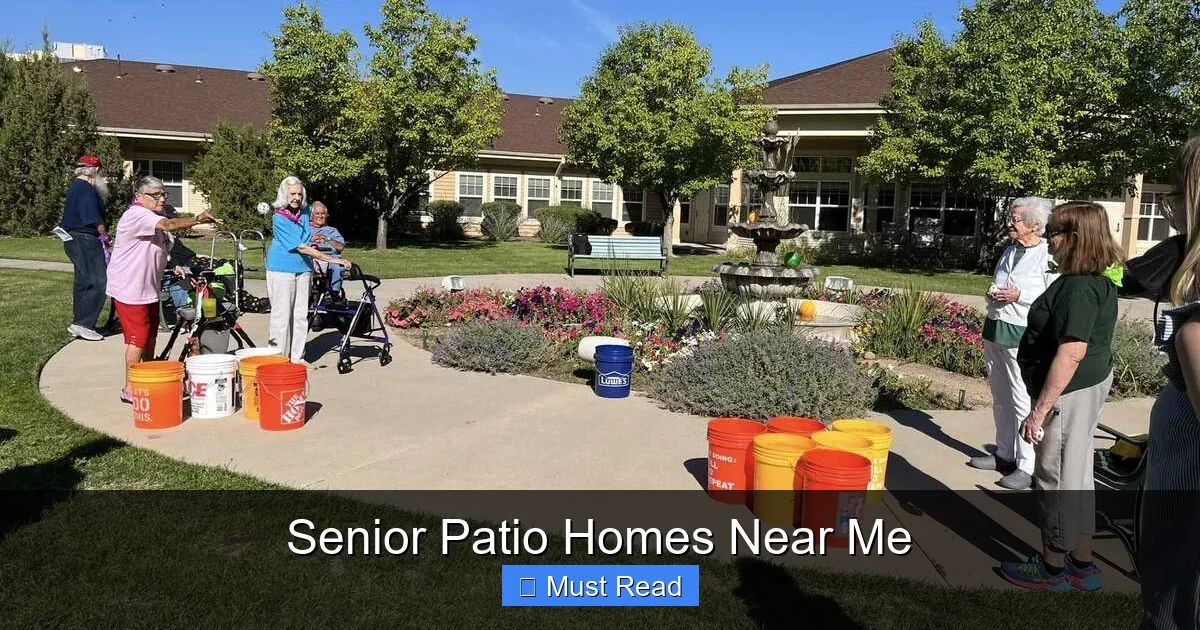
Choosing a senior patio home isn’t just about finding a place to live—it’s about embracing a lifestyle that supports your well-being, independence, and happiness. Let’s explore some of the key benefits that make these homes so popular among older adults.
1. Low Maintenance and Hassle-Free Living
One of the top reasons people choose senior patio homes is the reduced burden of home maintenance. Say goodbye to mowing the lawn, shoveling snow, or repainting the exterior. In most patio home communities, the HOA takes care of these tasks, allowing you to focus on what truly matters—your health, hobbies, and relationships.
This level of convenience is especially valuable as we age. Instead of spending weekends on yard work, you can use that time to garden in your private patio, take a walk around the neighborhood, or enjoy a cup of coffee on your covered porch.
2. Enhanced Safety and Accessibility
Safety is a top priority for many seniors, and patio homes are designed with this in mind. Most feature single-level floor plans, eliminating the risk of falling on stairs. Entryways are often wider to accommodate walkers or wheelchairs, and bathrooms may include roll-in showers or built-in seating.
Additionally, many communities are gated or have security features like surveillance cameras and on-site staff, providing peace of mind for residents and their families.
3. Private Outdoor Spaces
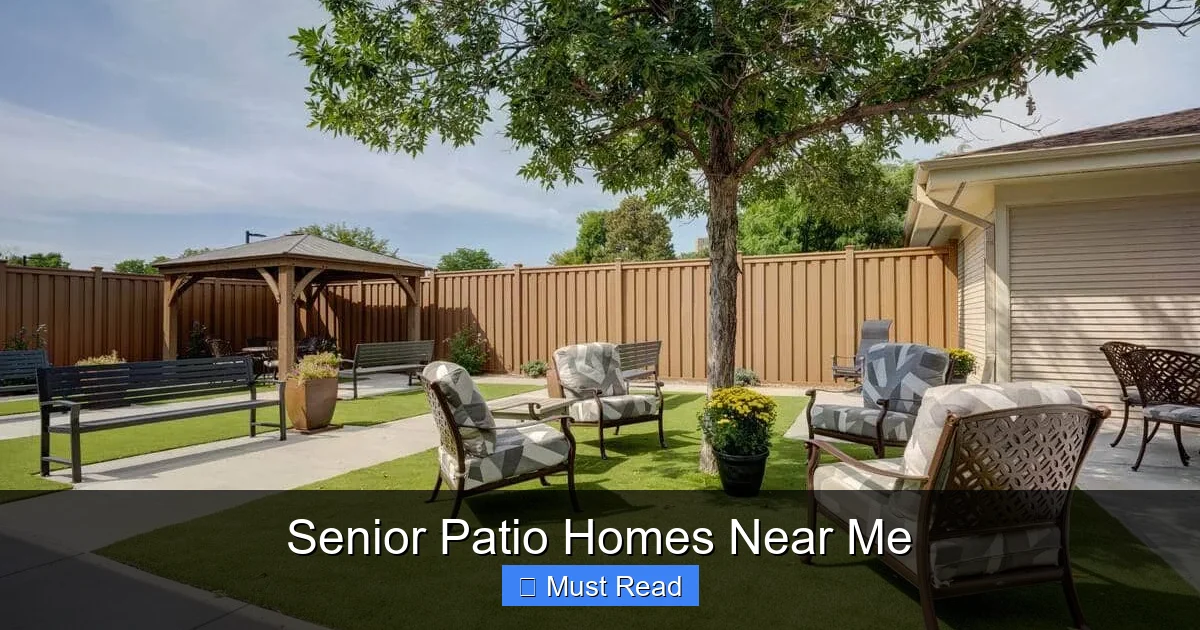
Just because you’re downsizing doesn’t mean you have to give up outdoor living. One of the standout features of senior patio homes is the private outdoor area—usually a patio, courtyard, or small garden. These spaces are perfect for growing herbs, enjoying morning coffee, or hosting intimate gatherings with friends.
Unlike apartment balconies, these patios often offer more privacy and space, making them feel like a true extension of your home. Some communities even allow residents to customize their outdoor areas with potted plants, outdoor furniture, or decorative lighting.
4. Community and Social Engagement
Loneliness and isolation can be real challenges for older adults, but senior patio home communities are designed to foster connection. Many offer clubhouses, fitness centers, swimming pools, and organized activities like book clubs, game nights, or group outings.
Living near people in a similar life stage makes it easier to form friendships and build a support network. Whether you’re playing pickleball, attending a cooking class, or simply chatting over the fence, these interactions can greatly enhance your quality of life.
5. Proximity to Essential Services
Senior patio home communities are often strategically located near healthcare facilities, grocery stores, pharmacies, and recreational centers. This proximity makes daily errands easier and reduces the need for long drives.
For example, a community might be just a 10-minute drive from a hospital or a 5-minute walk from a pharmacy. Some even offer shuttle services for residents, adding another layer of convenience.
Features to Look for in Senior Patio Homes
Visual guide about Senior Patio Homes Near Me
Image source: pegasusseniorliving.com
When searching for “senior patio homes near me,” it’s important to know what to look for. Not all patio homes are created equal, and the right features can make a big difference in your day-to-day comfort and safety.
Single-Level Floor Plans
The hallmark of a senior-friendly patio home is a single-level layout. This means all living spaces—bedrooms, kitchen, bathroom, and living room—are on one floor, eliminating the need to navigate stairs. This is especially important for those with mobility issues or balance concerns.
Look for open floor plans that allow for easy movement between rooms. Wide hallways and doorways (at least 36 inches) are also essential for wheelchair or walker access.
Accessible Bathrooms
Bathrooms in senior patio homes should be designed with safety in mind. Features to look for include:
– Walk-in or roll-in showers with built-in seating
– Grab bars near the toilet and shower
– Non-slip flooring
– Comfort-height toilets
Some homes even offer curbless showers, which make it easier to enter and exit without stepping over a high threshold.
Energy-Efficient and Smart Home Features
Modern senior patio homes often include energy-efficient appliances, LED lighting, and programmable thermostats. These features not only reduce utility bills but also contribute to a more comfortable living environment.
Smart home technology is also becoming more common. Think voice-activated lights, smart locks, and video doorbells—tools that make daily tasks easier and enhance security.
Private Outdoor Areas
As mentioned earlier, a private patio or courtyard is a must-have for many seniors. Look for homes with covered patios to protect from sun and rain, or ones with raised garden beds for easy gardening.
Some communities even offer shared green spaces or community gardens, giving you the option to grow vegetables or flowers without the upkeep of a large yard.
Garage and Storage Space
Even though you’re downsizing, you’ll still need storage for belongings, seasonal items, and possibly a vehicle. Most senior patio homes include a one- or two-car garage, along with closets and utility rooms.
If you enjoy hobbies like woodworking, crafting, or gardening, look for homes with extra storage or a dedicated hobby room.
How to Find Senior Patio Homes Near Me
Visual guide about Senior Patio Homes Near Me
Image source: availseniorliving.com
Now that you know what to look for, the next step is finding senior patio homes in your area. Here’s a practical guide to help you get started.
Use Online Real Estate Platforms
Start your search on popular real estate websites like Zillow, Realtor.com, or Redfin. Use filters to narrow down your results by:
– Age-restricted communities (55+)
– Single-family homes or townhomes
– Keywords like “patio home,” “low maintenance,” or “active adult”
– Location (city, zip code, or neighborhood)
Many sites also allow you to filter by accessibility features, such as single-level living or wheelchair access.
Work with a Local Real Estate Agent
A real estate agent who specializes in senior housing can be a valuable resource. They’ll have insider knowledge about upcoming listings, community reputations, and pricing trends.
When interviewing agents, ask about their experience with 55+ communities and whether they’ve helped other seniors find patio homes. A good agent will listen to your needs and guide you toward options that fit your lifestyle and budget.
Visit Communities in Person
Photos and descriptions can only tell you so much. To truly get a feel for a community, schedule visits. Walk around the neighborhood, talk to current residents, and tour model homes.
Pay attention to:
– Noise levels and traffic
– Cleanliness and upkeep of common areas
– Friendliness of staff and residents
– Availability of amenities
If possible, visit at different times of day to see how the community feels during peak and quiet hours.
Check HOA Rules and Fees
Most senior patio homes are part of a homeowners’ association, which manages shared amenities and enforces community rules. Before making an offer, review the HOA’s bylaws, fees, and restrictions.
Common rules might include:
– Pet policies
– Rental restrictions
– Exterior paint and landscaping guidelines
– Quiet hours
HOA fees typically cover landscaping, exterior maintenance, and access to amenities. Make sure the fees fit within your budget and that the services provided are worth the cost.
Consider Resale Value and Future Needs
Even if you plan to stay in your patio home for years, it’s smart to think about resale value. Look for communities in desirable locations with strong demand.
Also, consider how your needs might change over time. Will the home still work if you need a caregiver or medical equipment? Is there room for modifications if necessary?
Costs and Financing Options for Senior Patio Homes
Understanding the financial side of senior patio homes is crucial. While these homes can be more affordable than traditional houses, there are several costs to consider.
Purchase Price
The cost of senior patio homes varies widely depending on location, size, and amenities. In some areas, you might find homes starting around $200,000, while luxury models in high-demand markets can exceed $500,000.
On average, expect to pay between $250,000 and $400,000 for a well-appointed patio home in a desirable 55+ community.
HOA Fees
Monthly HOA fees typically range from $200 to $500, depending on the level of service. These fees cover:
– Landscaping and lawn care
– Exterior maintenance (roof, siding, painting)
– Snow removal
– Access to amenities (pool, gym, clubhouse)
– Security and management
Be sure to ask what’s included and whether fees are likely to increase over time.
Property Taxes and Insurance
Like any home, patio homes are subject to property taxes and homeowners’ insurance. Tax rates vary by location, so research local rates before buying.
Insurance costs may be lower than for larger homes, but make sure your policy covers both the structure and personal belongings.
Financing Options
Most seniors finance their patio home purchase with a traditional mortgage, but there are other options:
– **Reverse Mortgages:** Allow homeowners 62+ to convert home equity into cash while continuing to live in the home.
– **Home Equity Loans or Lines of Credit:** Use equity from your current home to fund the purchase.
– **Cash Purchase:** If you’re selling a larger home, you may be able to buy outright.
Work with a financial advisor or mortgage specialist to determine the best option for your situation.
Top Senior Patio Home Communities Across the U.S.
While “senior patio homes near me” will vary by location, several well-known communities offer excellent models of this lifestyle. Here are a few standout examples:
Sun City by Del Webb
With locations in Arizona, Florida, California, and beyond, Sun City is one of the most recognized active adult communities in the country. Many of their homes feature patio designs, private courtyards, and access to golf courses, fitness centers, and social clubs.
The Villages in Florida
This massive 55+ community offers a variety of patio home styles, from cozy cottages to spacious villas. Residents enjoy over 3,000 clubs, multiple town squares, and a car-free lifestyle with golf carts as the primary mode of transportation.
Trilogy by Shea Homes
Found in states like Arizona, California, and Texas, Trilogy communities emphasize wellness, technology, and social connection. Their patio homes often include smart features, energy-efficient designs, and resort-style amenities.
Del Webb Communities
Del Webb operates dozens of active adult communities nationwide, many offering single-story patio homes with open layouts and outdoor living spaces. Their focus on health and wellness includes fitness programs, walking trails, and nutrition workshops.
These communities serve as great examples of what’s possible—and can inspire your own search for the perfect senior patio home.
Making the Move: Tips for a Smooth Transition
Moving into a senior patio home is a big life change, but with the right preparation, it can be a positive and exciting experience.
Downsize with Purpose
Start decluttering early. Go room by room and ask yourself: Do I use this? Do I love this? Does it fit my new lifestyle?
Consider donating, selling, or gifting items you no longer need. Focus on keeping things that bring joy or serve a practical purpose.
Plan the Move
Hire a reputable moving company experienced in senior relocations. Some offer packing, unpacking, and even home setup services.
If possible, move during a time of year with mild weather and fewer crowds. Schedule the move on a weekday to avoid weekend surcharges.
Get Involved in the Community
Once you’ve moved in, take advantage of community events and activities. Introduce yourself to neighbors, join a club, or volunteer.
Building connections early can help you feel at home faster and reduce feelings of loneliness.
Personalize Your Space
Make your patio home feel like yours by adding personal touches—photos, artwork, comfortable furniture, and plants. Your private outdoor space is a great place to express your personality.
Conclusion
Senior patio homes near me offer a smart, stylish, and supportive way to enjoy retirement. With their low-maintenance design, accessible features, and vibrant communities, they provide the perfect balance of independence and connection.
Whether you’re looking to downsize, relocate, or simply simplify your life, these homes are worth considering. Take the time to research, visit communities, and talk to residents. The right patio home isn’t just a place to live—it’s a place to thrive.
Start your search today, and discover how senior patio homes can help you live your best chapter yet.
Frequently Asked Questions
What is a senior patio home?
A senior patio home is a single-level, low-maintenance residence designed for adults aged 55 and older. These homes typically feature private outdoor spaces like patios or courtyards and are part of active adult communities with shared amenities.
Are senior patio homes only for people over 65?
No, most senior patio homes are open to residents aged 55 and older. Some communities may have a minimum age of 50 or 62, so it’s best to check the specific rules of each development.
Do I have to join a homeowners’ association (HOA)?
Yes, most senior patio homes are part of an HOA that manages common areas, enforces rules, and collects monthly fees. The HOA typically handles landscaping, exterior maintenance, and amenity access.
Can I customize my patio home?
Yes, many communities allow residents to personalize their homes and outdoor spaces, though exterior changes may require HOA approval. Interior renovations are usually permitted as long as they don’t affect structural elements.
Are senior patio homes affordable?
Prices vary by location and features, but many senior patio homes are more affordable than traditional single-family homes. Financing options, including reverse mortgages, can make them accessible to a wide range of budgets.
What if my mobility needs change in the future?
Most senior patio homes are designed with aging in place in mind, featuring accessible layouts and the potential for modifications like grab bars or ramps. Some communities also offer support services or partnerships with home health providers.