
Senior Page in Yearbook Ideas


Glucose Monitor Kit

Portable Wheelchair

Weighted Blanket
Creating a standout senior page in yearbook is more than just photos—it’s about telling your unique story. From fun themes to heartfelt quotes, these ideas help seniors shine and leave a lasting impression on classmates and future generations.
Key Takeaways
- Personalized Themes: Choose a theme that reflects your personality, hobbies, or school spirit to make your senior page truly one-of-a-kind.
- Photo Variety: Include candid shots, action photos, and group pictures to show different sides of your high school journey.
- Meaningful Captions: Use humor, nostalgia, or inspirational quotes to add emotional depth to your layout.
- Creative Layouts: Experiment with asymmetrical designs, photo grids, or themed borders to grab attention.
- Include Milestones: Highlight achievements, favorite teachers, clubs, and memorable moments for a well-rounded narrative.
- Collaborate with Friends: Involve classmates in writing dedications or contributing small elements to build community.
- Proofread & Finalize: Double-check spelling, alignment, and image quality before submitting to ensure a polished final product.
📑 Table of Contents
- Introduction: Why Your Senior Yearbook Page Matters
- Choosing the Perfect Theme for Your Senior Page
- Gathering Photos That Tell Your Story
- Writing Captions That Connect and Convey
- Designing a Layout That Stands Out
- Adding Personal Touches That Matter
- Finalizing and Submitting Your Page
- Conclusion: Your Legacy Starts Here
Introduction: Why Your Senior Yearbook Page Matters
High school flies by faster than you think—trust me, I know. One minute you’re cramming for a math test, the next you’re flipping through pages of yearbooks, trying to find your face among smiling seniors. That’s where your senior page in yearbook comes in. It’s not just another square of paper with your name and a photo. It’s your legacy. It’s how future students will remember you. Whether you’re outgoing, artistic, academic, or somewhere in between, this page should reflect who you are—or at least, who you were during those four golden years.
The best senior pages do more than display images; they tell a story. They capture the laughter after a failed science experiment, the quiet focus before a big game, or the joy of finally solving that tricky algebra problem. And let’s be honest—your yearbook page might end up being the first thing someone looks for when they search your name online decades from now. So why settle for something generic? With a little creativity and effort, your senior page can become the most talked-about part of the whole book.
In this article, we’ll walk through everything you need to know about designing an unforgettable senior page in yearbook. From brainstorming themes to choosing the perfect photos and writing captions that hit hard, we’ve got you covered. Plus, we’ll share real examples and pro tips so you can start crafting a page that stands out—not just because it’s yours, but because it feels authentic, personal, and full of heart.
Choosing the Perfect Theme for Your Senior Page
One of the most exciting parts of creating your senior page in yearbook is picking a theme. A strong theme ties everything together—photos, text, colors, even fonts. It gives your page a sense of unity and makes it instantly recognizable. Think of it like dressing up for prom, but instead of a gown, you’re styling your memory lane.
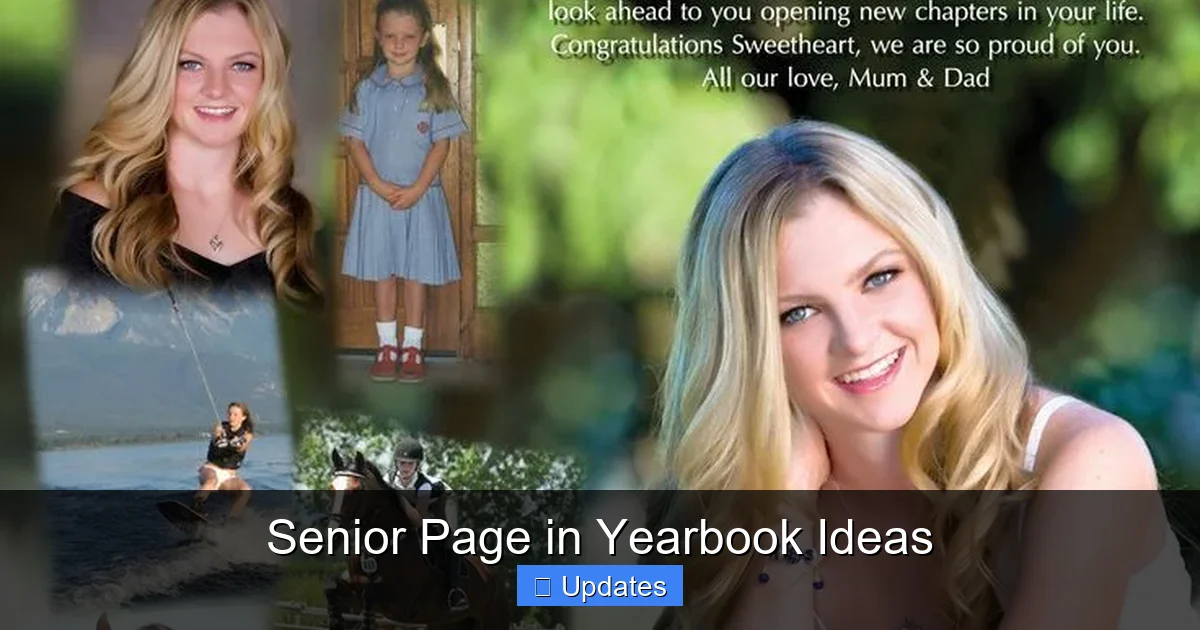
Visual guide about Senior Page in Yearbook Ideas
Image source: i.pinimg.com
Popular Theme Ideas
- Retro Vibes: Go back to the 80s, 90s, or early 2000s with neon colors, vintage clothing, and classic slang. Add a Polaroid-style border to mimic old-school snapshots.
- Sports Fanatic: If you played a sport, feature action shots, team uniforms, and stats. Include a mini “hall of fame” section with awards and memorable plays.
- Academic Achiever: Show off your classroom moments—laboratory experiments, library study sessions, or science fair projects. Use graphs, diagrams, or quote bubbles to highlight subjects you loved.
- Artistic Soul: Display your artwork, photography, or design projects. Use bold typography and colorful backgrounds to match your creative style.
- Traveler at Heart: Even if you didn’t go far, document local adventures—road trips, festivals, or hiking trails. Use map graphics and passport-style stamps as borders.
Don’t feel limited to just one idea! Many seniors blend two themes—like “Bookworm + Biker” or “Music Lover + Mathlete.” Mixing elements keeps things fresh and shows your multifaceted personality.
Tips for Picking Your Theme
- Start Early: Give yourself time to gather photos and materials. Rushing leads to stress and mistakes.
- Keep It Real: Choose something true to your interests. Forced themes come across as inauthentic.
- Ask for Input: Talk to friends, family, or teachers. Sometimes others see qualities in you that you overlook.
Gathering Photos That Tell Your Story
Photos are the heartbeat of any great senior page in yearbook. They don’t have to all be posed or perfect. In fact, some of the most powerful images are the unplanned ones—like catching a friend mid-laugh or freezing in front of the school mascot statue after a big win.

Visual guide about Senior Page in Yearbook Ideas
Image source: heritagechristiancollege.com
Types of Photos to Include
- Candid Moments: Capture genuine emotions—smiling, crying, cheering, studying. These tell the real story.
- Action Shots: Whether it’s kicking a soccer ball, playing guitar, or climbing a tree, motion adds energy.
- Group Memories: Feature your closest friends in various settings—classroom, cafeteria, locker hallway, graduation prep.
- Individual Portraits: At least one high-quality headshot is essential. Make sure the lighting is good and the background isn’t distracting.
- Symbolic Images: Include items that represent your journey—your favorite book, a musical instrument, a trophy, or a handwritten note from a teacher.
Pro Tips for Photo Selection
- Scan Old Pictures: Dig out old yearbook photos, event flyers, or phone albums. You’d be surprised what you’ve missed.
- Use Different Angles: Mix close-ups, wide shots, and overhead views to create visual interest.
- Edit Thoughtfully: Adjust brightness and contrast slightly, but avoid over-editing. Keep it natural.
Remember, quality matters more than quantity. A few strong, meaningful images beat a dozen blurry ones every time.
Writing Captions That Connect and Convey
Captions are where your voice shines. They’re not just labels—they’re storytelling tools. A well-written caption can turn a simple photo into a moment worth remembering. When crafting captions for your senior page in yearbook, aim for authenticity over perfection.
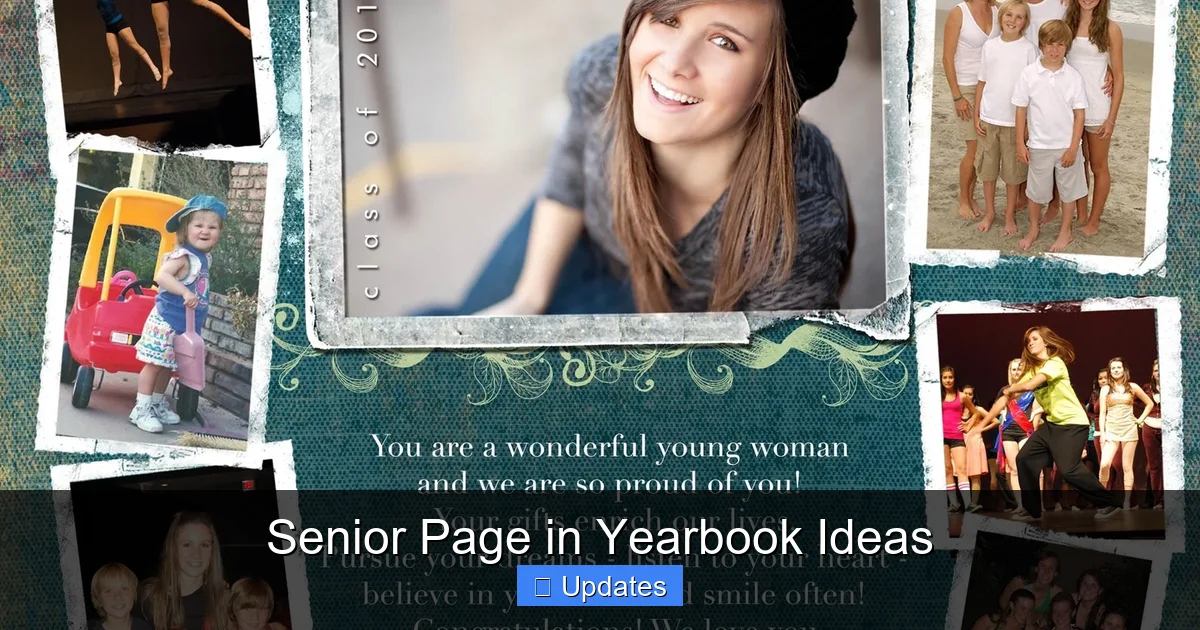
Visual guide about Senior Page in Yearbook Ideas
Image source: i.pinimg.com
Types of Captions to Try
- Humorous Quotes: “This is me pretending to understand calculus.” or “Me after realizing homework is due tomorrow.”
- Nostalgic Reflections: “First day of freshman year—so nervous, now I’m graduating!”
- Heartfelt Messages: “To Mrs. Johnson: Thank you for believing in me when I didn’t believe in myself.”
- Inside Jokes: “Us after surviving three hours of detention together.” Include a brief explanation if needed.
- Inspirational Lines: “Never stop dreaming, never stop growing.” Pair with a photo of you gazing into the distance.
How to Write Effective Captions
- Keep It Short: Aim for 1–2 sentences max. Long captions clutter the page.
- Be Specific: Instead of “Fun day at school,” try “Last-minute pizza run before finals—worth every calorie.”
- Add Emotion: Use words like “amazing,” “heartbreaking,” “unforgettable,” or “magical.”
- Proofread: Typos break immersion. Ask a friend to read them aloud.
Don’t forget to sign your name or initials at the end of each caption. It makes it feel more personal and complete.
Designing a Layout That Stands Out
A great senior page in yearbook isn’t just about content—it’s also about design. How your photos and text are arranged can make your page pop (or blend in). While yearbooks often have strict formatting rules, there’s usually room for creativity within those boundaries.
Layout Strategies
- Grid Layouts: Arrange photos in equal-sized squares (like Instagram). Great for showcasing many moments quickly.
- Freeform Collage: Overlap images slightly, use diagonal lines, or place photos inside shapes like hearts or stars. Adds dynamism.
- Text-Heavy Sections: Dedicate part of the page to quotes, achievements, or fun facts. Use different font sizes to guide the eye.
- Margins and White Space: Don’t cram everything in. Leave breathing room so the page doesn’t look chaotic.
- Color Coordination: Match your school colors or theme palette. Blue and gold? Red and black? Let those guide your choices.
Tools to Help You Design
- Canva: Free online tool with yearbook templates and easy drag-and-drop editing.
- Pixlr: Simple photo editor for adjusting images before uploading.
- Adobe Spark: Great for combining text and visuals with professional results.
- Google Docs: Surprisingly useful for mockups—insert tables to plan photo placement.
If your school uses a specific yearbook software (like Jostens or Herff Jones), check their guidelines early. Most allow custom layouts within set margins.
Adding Personal Touches That Matter
The secret sauce of an amazing senior page in yearbook? Personal touches. These are the small details that make your page uniquely yours. They show effort, thoughtfulness, and personality—things that generic pages lack.
Ideas for Personalization
- Doodles and Sketches: Draw a tiny version of your pet, favorite food, or hobby right beside a photo.
- Handwritten Notes: Include a scanned copy of a thank-you card, letter to your future self, or poem.
- Symbols and Icons: Use emojis sparingly, clip art, or custom icons to represent interests (🎸 for music, ⚽ for sports).
- Timeline Strip: Create a horizontal timeline with key events—freshman orientation, prom, senior trip, etc.
- Signature Wall: Reserve a small space for classmates to write short messages. Scan and include if allowed.
Balancing Creativity and Clarity
While personalization is awesome, too much can overwhelm the page. Stick to 2–3 major personal elements max. Prioritize readability and visual flow. Remember, the goal is to celebrate you—not confuse the reader!
Finalizing and Submitting Your Page
You’ve picked your theme, gathered photos, written captions, and designed your layout. Now comes the important part: making sure everything is perfect before handing it in. Rushing this step can lead to regrets later.
Pre-Submission Checklist
- Check Image Resolution: Ensure all photos are high enough quality (at least 300 DPI) to print clearly.
- Verify Text Spelling: Run a spellcheck and ask someone else to proofread.
- Align Elements Neatly: Photos should line up, text should be centered or justified properly.
- Confirm Deadlines: Know exactly when your submission is due. Late work often gets bumped to the back.
- Save Multiple Copies: Keep backups on USB, cloud storage, and email.
What to Do If Something Goes Wrong
If you realize a mistake after submission, contact your yearbook advisor immediately. Some schools allow minor edits before printing. Even then, changes may be limited—so always double-check!
Conclusion: Your Legacy Starts Here
Your senior page in yearbook is more than just a piece of paper—it’s a snapshot of who you were, how you grew, and the relationships you built. It’s a gift to your past self, your classmates, and anyone who stumbles upon it years from now. By putting thought, creativity, and care into your design, you’re not just filling space—you’re building a legacy.
Whether you chose a retro theme, highlighted your academic passions, or simply wanted to capture everyday joy, remember: there’s no wrong way to celebrate your journey. The most important thing is that your page feels real. It should make you smile when you look back, and maybe even bring a tear to your eye—because those four years? They were magic.
So take a deep breath, gather your favorite memories, and start creating. Your future self will thank you. And hey, if you ever need more inspiration, check out our related articles on senior ad ideas and yearbook dedication examples—they’re packed with clever tips and real-world samples!
Frequently Asked Questions
What should I include on my senior yearbook page?
Include a mix of photos (candid, action, group), personal quotes, achievements, and meaningful symbols. Add captions that reflect your personality and highlight key moments from your high school journey.
How do I choose a theme for my senior yearbook page?
Pick a theme that matches your interests—like sports, arts, academics, or travel. You can also combine two themes or go retro. Choose something authentic and give yourself time to gather materials.
Can I collaborate with friends on my yearbook page?
Yes! Many seniors include input from close friends, especially for captions, dedications, or small design elements. Just make sure the final version still represents you.
What if I don’t have enough photos?
Scan old pictures, ask classmates for copies, or use screenshots from videos. You can also draw sketches or use symbolic images to fill gaps without relying solely on photos.
When should I submit my senior yearbook page?Always meet the official deadline provided by your school’s yearbook team. Late submissions may not be included or could appear out of order. Start early to avoid last-minute stress.
Are there free tools to help design my senior page?
Yes! Canva, Pixlr, and Adobe Spark offer free templates and editing features perfect for yearbook layouts. Google Docs is also handy for planning photo placement.