
Senior Housing in Macomb County Mi


Non-Slip Slippers

Electric Kettle with Auto Shutoff

Slow Cooker Crock Pot
Senior housing in Macomb County, Michigan offers a wide range of options for older adults seeking safety, independence, and quality care. From affordable senior apartments to specialized assisted living facilities, the county provides diverse living solutions designed with seniors’ needs in mind. Whether you’re exploring low-income programs or luxury retirement communities, Macomb County has resources to help you find the right fit.
Finding the right place to live as you age is one of the most important decisions you’ll make. For many seniors in Macomb County, Michigan, this means exploring senior housing in Macomb County Mi that balances comfort, affordability, and access to care. Whether you’re looking for an independent apartment where you manage your own life or need help with daily tasks like bathing or medication, there are plenty of options tailored to meet different needs and budgets.
Macomb County, located just north of Detroit, is home to over 800,000 residents and ranks among Michigan’s largest counties. Its proximity to major urban centers, combined with suburban neighborhoods known for safety and accessibility, makes it an attractive area for aging adults. With a growing population of people over 65, local governments and nonprofit organizations have expanded senior-focused housing programs in recent years. This includes everything from federally funded low-income units to private assisted living communities offering concierge-level service.
As you begin your search, keep in mind that “senior housing” isn’t just one thing—it covers a spectrum of living arrangements. Some residents want complete independence with optional housekeeping and dining services; others require hands-on assistance due to mobility issues or cognitive decline. Understanding these distinctions early will help narrow down choices and ensure you find a place that feels like home.
Key Takeaways
- Macomb County offers various types of senior housing: including independent living, assisted living, memory care, and subsidized low-income housing.
- Affordability is accessible: Several programs like HUD Section 8 and LIHTC units help make senior housing more affordable for fixed-income residents.
- Location matters: Communities are spread across cities like Sterling Heights, Clinton Township, Warren, and Mount Clemens, each offering unique amenities and services.
- Support services are available: Many facilities provide meal delivery, transportation, medical monitoring, and social activities to enhance daily life.
- Application processes vary: Eligibility often depends on income, age, and sometimes health status—planning ahead can improve your chances of securing a spot.
- Family involvement is encouraged: Most communities welcome family input during move-in planning and ongoing care discussions.
- Resources exist to help navigate options: Local agencies like Macomb County Office of Seniors & Veterans Services offer guidance and referrals.
📑 Table of Contents
- Types of Senior Housing Available in Macomb County
- Top Cities for Senior Housing in Macomb County
- How to Qualify for Senior Housing in Macomb County
- Amenities and Services That Matter Most
- Practical Tips for Choosing the Right Community
- Financial Assistance and Grants
- Future Trends in Macomb County Senior Housing
- Conclusion: Your Journey Starts Now
Types of Senior Housing Available in Macomb County
When searching for senior housing in Macomb County Mi, it helps to understand the main categories available. Each type serves a slightly different lifestyle and level of care:
Independent Living Communities
These are ideal for active seniors who don’t yet need daily help but still want access to social events, fitness classes, and maintenance-free living. Residents typically live in private apartments and pay monthly fees that cover utilities, meals (often three per day), and recreational activities. Examples include Briarwood Village Retirement Community in Clinton Township and The Willows at Sterling Heights, which offers studio, one-bedroom, and two-bedroom units.
One advantage of independent living is that residents retain full control over their lives while enjoying convenience. If you prefer cooking your own meals occasionally, some communities allow limited kitchen use. Others provide kitchenettes so you can prepare light snacks without disturbing neighbors.
Assisted Living Facilities
If you need help with activities of daily living—such as dressing, bathing, taking medications, or managing chronic conditions—assisted living may be the best fit. These communities combine private or semi-private rooms with on-site staff available 24/7. Staff members assist with personal care tasks, coordinate medical appointments, and monitor health changes.
In Macomb County, facilities like Brookdale Clinton Township and Sunrise Senior Living in Rochester Hills (nearby but still within commuting distance) offer personalized care plans. Costs vary widely—from around $3,500 to $5,500 per month—depending on room size, staffing levels, and included services.
Memory Care Units
For those living with Alzheimer’s disease or other forms of dementia, dedicated memory care wings provide specialized programming, secure environments, and trained caregivers. These units are usually part of larger assisted living campuses but operate separately to reduce confusion and wandering risks.
Examples in the region include Atria Memory Care at Stony Creek and Regency Manor Special Care Unit. While more expensive than standard assisted living, memory care emphasizes safety, routine, and therapeutic engagement.
Subsidized and Low-Income Senior Housing
Not all senior housing requires high income. In fact, several affordable options exist through federal and state programs. These include:
– HUD-funded projects under Section 202 Supportive Housing for the Elderly
– Michigan State Housing Development Authority (MSHDA) programs
– Nonprofit developments managed by groups like Catholic Charities
You can learn more about low-income senior housing in Macomb County here. These units prioritize residents aged 62+ with incomes at or below 50% of area median income (typically under $45,000/year for individuals). Waitlists can be long, but applying early increases your odds.
Top Cities for Senior Housing in Macomb County
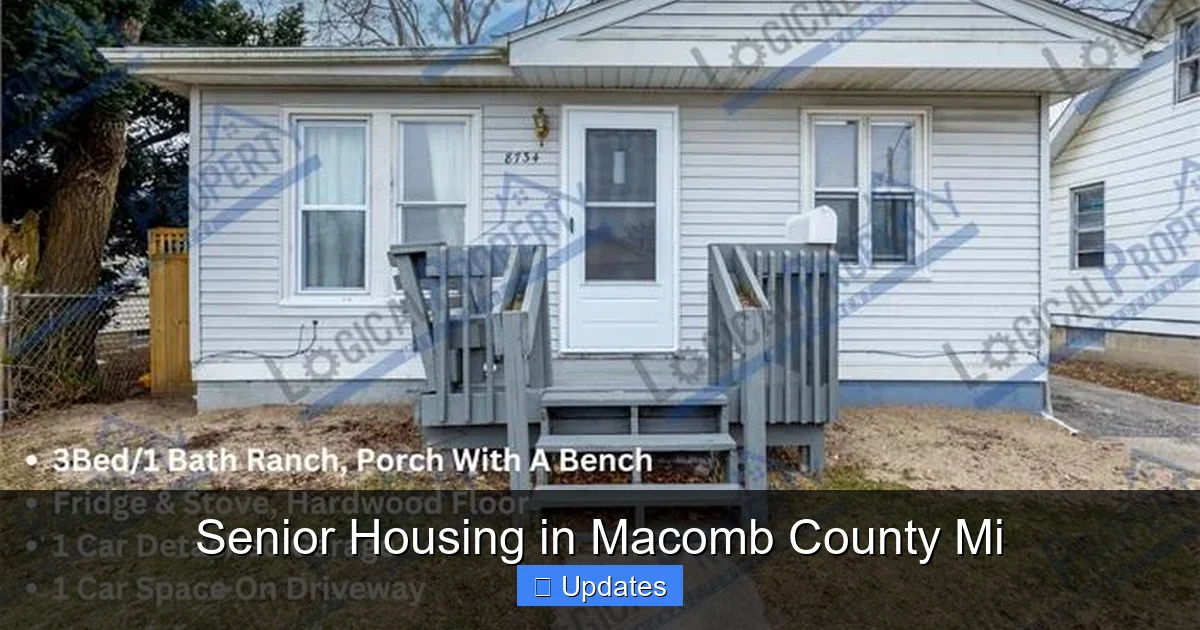
Visual guide about Senior Housing in Macomb County Mi
Image source: photouploader.affordablehousing.com
Macomb County spans 512 square miles and includes 32 municipalities. Not every city offers the same variety of senior housing, so location plays a big role in your decision.
Clinton Township
Often called the “Hub City,” Clinton Township boasts one of the highest concentrations of senior-friendly amenities. It hosts multiple independent and assisted living communities, plus easy access to shopping centers like Partridge Creek Mall and Henry Ford Macomb Hospital. The township also maintains senior centers offering nutrition programs, exercise classes, and volunteer opportunities.
If you’re considering senior apartments in Macomb County, Clinton Township frequently appears on top lists due to its walkability and healthcare infrastructure.
Sterling Heights
Known for excellent schools and low crime rates, Sterling Heights attracts families and retirees alike. Several senior housing complexes dot the landscape, including Arbor Pointe Senior Apartments (a HUD-subsidized building) and Cedarbrook Commons, which blends independent and assisted options.
The city’s public transit system connects seniors to essential services, and nearby Beaumont Hospital provides specialized geriatric care.
Warren
With a large Polish-American population and strong cultural institutions, Warren supports seniors through language-accessible resources and faith-based housing providers. St. Jude’s Senior Residence and Warren Woods Assisted Living are two well-regarded options.
Like other parts of Macomb County, Warren benefits from being close to Detroit’s medical network while maintaining a quieter, residential feel.
Mount Clemens
This historic waterfront city offers charm and community spirit. Though smaller than its neighbors, Mount Clemens has seen growth in senior housing thanks to revitalization efforts. Lake St. Clair Commons provides both rental and purchase options for older adults.
Its downtown area features cafes, parks, and annual festivals that encourage social interaction—key for mental wellness.
How to Qualify for Senior Housing in Macomb County
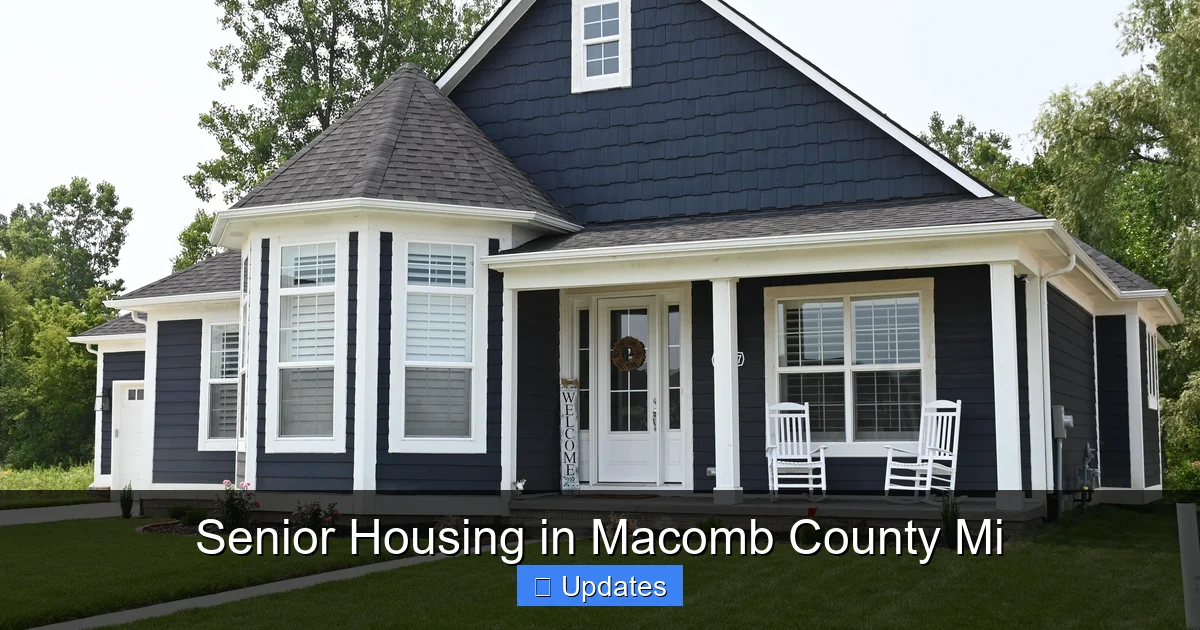
Visual guide about Senior Housing in Macomb County Mi
Image source: macombgov.org
Eligibility rules depend on the type of housing you choose. Here’s what to expect:
Age Requirements
Most communities require tenants or residents to be at least 62 years old. Some subsidized buildings accept younger disabled individuals if they qualify under fair housing laws.
Income Limits
For low-income housing, your gross monthly income must fall within set thresholds. For example, a single person might qualify with income under $3,750/month ($45,000 annually), while a couple could earn up to $55,000/year. Documentation like Social Security statements, pension checks, or bank records is usually required.
Background Checks
Even in affordable housing, landlords conduct credit and criminal background checks. A history of eviction or violent offenses may disqualify applicants. However, many communities consider rehabilitation efforts and individual circumstances.
Medical Needs (for Assisted Living)
Assisted living facilities assess each resident’s health status during intake. They’ll review whether you can safely perform certain tasks (like walking to the bathroom) and if your condition aligns with their care capabilities. Cognitive impairments are evaluated separately for memory care placement.
Planning ahead is wise—start gathering financial documents and medical records six months before moving.
Amenities and Services That Matter Most
Visual guide about Senior Housing in Macomb County Mi
Image source: macombgov.org
What makes senior housing in Macomb County Mi stand out isn’t just location—it’s the extras that improve quality of life. Look for these features when touring communities:
Transportation Options
Many seniors struggle with driving after vision declines or physical limitations. Good communities offer shuttle services to grocery stores, pharmacies, doctors’ offices, and even movie theaters. Public bus routes like SMART Line 10 connect key areas, but door-to-door transport reduces isolation.
On-Site Healthcare Coordination
Some facilities partner with local clinics to schedule flu shots, blood pressure checks, or physical therapy sessions. Others employ nurses or nurse practitioners who visit weekly.
Dining Flexibility
While communal meals build camaraderie, not everyone wants three meals a day at set times. Opt for places that let you eat à la carte, order takeout, or have room service-style delivery.
Recreation and Social Programming
Low-impact exercise classes (yoga, tai chi), bingo nights, book clubs, and trips to museums keep minds sharp and bodies active. Seasonal events like holiday parties or garden tours add joy.
Pet-Friendly Policies
Companion animals reduce stress and loneliness. Check if your potential home allows cats, small dogs, or emotional support pets—even in low-income units.
Practical Tips for Choosing the Right Community
Making the leap to senior housing is emotional. To ease the process:
– Visit multiple sites: Don’t rely on brochures. Spend time in common areas, kitchens, and laundry rooms.
– Talk to current residents: Ask about waitlists, staff responsiveness, and hidden costs.
– Review contracts carefully: Understand move-in fees, refund policies, and cancellation terms.
– Involve family members: Bring a trusted friend or relative to tours and meetings.
– Check online reviews: Sites like A Place for Mom or Yelp offer honest feedback (though take anecdotes with caution).
Also, contact the Macomb County Office of Seniors & Veterans Services—they host free workshops on housing rights, application steps, and available grants.
Financial Assistance and Grants
Cost shouldn’t be a barrier. Multiple resources can offset expenses:
– HUD Section 202 Rent Subsidies: Direct payment to landlords covering rent gaps.
– Property Tax Exemptions: Michigan offers exemptions for homeowners 62+ with limited income.
– Nonprofit Aid: Groups like Habitat for Humanity ReStore occasionally donate furniture or offer emergency funds.
– Utility Assistance Programs: Save money on heating bills via LIHEAP (Low Income Home Energy Assistance Program).
If you’re unsure about affordability, call 211—it’s a free helpline connecting Michiganders to local aid.
Future Trends in Macomb County Senior Housing
As baby boomers age, demand for innovative housing models grows. Expect to see more:
– Intergenerational housing: Shared spaces between seniors and young families.
– Technology integration: Smart home devices for safety (fall detection, voice-activated lighting).
– Green building practices: Solar panels, energy-efficient appliances, and accessible landscaping.
– Co-living concepts: Private bedrooms with shared kitchens and lounges.
Local developers are already experimenting with modular construction to lower costs and speed up development timelines.
Conclusion: Your Journey Starts Now
Navigating senior housing in Macomb County Mi doesn’t have to be overwhelming. With thoughtful research, support from local agencies, and patience during the application process, you can find a place that honors your independence while providing peace of mind.
Whether you dream of a bustling community with friends nearby or a quiet retreat near nature trails, Macomb County offers pathways to dignified aging. Remember: asking for help is a sign of strength—not weakness. Reach out to neighbors, join online forums, or attend a senior center event tonight. Small steps lead to big changes.
Your future self will thank you for starting today.
Frequently Asked Questions
What types of senior housing are available in Macomb County?
Macomb County offers independent living, assisted living, memory care, and subsidized low-income housing. Each type caters to different levels of need, from full autonomy to hands-on daily support.
How do I qualify for low-income senior housing in Macomb County?
Applicants must be at least 62 years old and have income at or below 50% of the area median income. Some units accept younger disabled individuals. Documentation like pay stubs, tax returns, and identification is required.
Are there waiting lists for affordable senior housing in Macomb County?
Yes, many subsidized units have long waitlists—sometimes over two years. Applying early and checking regularly increases your chance of securing a spot.
Can I bring my pet to senior housing in Macomb County?
Many communities allow pets, especially small dogs or cats. Policies vary by property, so ask during tours. Emotional support animals may also be permitted under fair housing guidelines.
What should I look for when visiting senior housing communities?
Pay attention to cleanliness, staff friendliness, meal quality, safety features, transportation options, and resident engagement activities. Talking to current residents provides valuable insight.
Is transportation provided for seniors in Macomb County housing?
Many communities offer scheduled shuttles to medical appointments, grocery stores, and social events. Public transit via SMART buses also serves key locations throughout the county.