
Senior Health Insurance Program Illinois


Smart Health Watch for Seniors

Lightweight Vacuum Cleaner

Upright Walker
The Senior Health Insurance Program Illinois is a state initiative designed to help adults aged 65+ and those with disabilities access affordable health coverage through Medicare options. Administered by the Illinois Department of Healthcare and Family Services (HFS), it offers guidance on Medicare Savings Programs, Supplemental Coverage, and Prescription Drug Plans. Whether you’re new to Medicare or looking to reduce out-of-pocket costs, this program connects seniors with free counseling, enrollment assistance, and financial support.
Key Takeaways
- Eligibility for Illinois Senior Health Insurance Program: Primarily serves low- and middle-income seniors (65+) and people under 65 with qualifying disabilities or conditions like ESRD.
- Program Benefits: Includes premium assistance, cost-sharing reductions, and help with Medicare Part D prescription drug plans.
- Application Process: Apply online via MyBenefits.il.gov, by phone at (800) 843-6154, or through local Aging and Disability Resource Centers (ADRCs).
- Free Enrollment Assistance: Certified counselors offer one-on-one help through SHIP (State Health Insurance Assistance Program) at no cost.
- Additional Resources: The program connects participants with community services such as transportation, home care, and nutrition programs.
- Renewal & Reassessment: Income and asset changes may affect continued eligibility; seniors must report updates to maintain benefits.
- No Cost to Seniors: All services—counseling, application help, and benefit reviews—are provided at no charge by state-certified professionals.
When you’re navigating life after 65, one of the biggest concerns is staying healthy without breaking the bank. In Illinois, there’s good news: the Senior Health Insurance Program Illinois exists to make sure older adults get the medical care they need at prices they can afford. This isn’t just another form to fill out—it’s a lifeline for thousands of seniors across the state who want clarity on Medicare, help lowering bills, and access to top-notch health resources.
The program is run by the Illinois Department of Healthcare and Family Services (HFS), which works closely with local agencies and nonprofit organizations to ensure no senior is left behind. From explaining your Medicare choices to helping you apply for savings programs, this initiative covers every angle. Think of it as having a personal health insurance advisor—free of charge—right in your community.
Key Takeaways
- Understanding senior health insurance program illinois: Provides essential knowledge
📑 Table of Contents
- What Is the Senior Health Insurance Program Illinois?
- Who Qualifies for the Illinois Senior Health Insurance Program?
- How Does the Application Process Work?
- Benefits You Can Access Through the Program
- Finding Local Help and Resources
- Common Mistakes to Avoid When Using the Program
- Real Stories: How the Program Made a Difference
- Staying Updated: Changes and Future Outlook
- Conclusion: Your Path to Smarter Health Choices Starts Here
What Is the Senior Health Insurance Program Illinois?
At its core, the Senior Health Insurance Program Illinois is a collection of state-sponsored services aimed at helping older adults understand and use their health insurance wisely. It’s especially valuable if you’re enrolled in Medicare but feel overwhelmed by terms like “Part B premium” or “deductible.” The program doesn’t replace your insurance—it supports you in using it better.
One key component is the State Health Insurance Assistance Program (SHIP), which provides free, unbiased counseling. Counselors are trained specifically on Medicare rules, so you don’t have to guess whether a plan fits your budget or needs. They also assist with applications for programs that pay your premiums, co-pays, or prescriptions.
Another important part is connecting seniors to Medicare Savings Programs (MSPs). These help cover costs for people who qualify based on income and assets. For example, if your monthly income is below a certain threshold (which varies by program), you might get help paying your Medicare Part A or Part B premiums. That means more money in your pocket for groceries, utilities, or even a nice outing with friends.
Who Qualifies for the Illinois Senior Health Insurance Program?
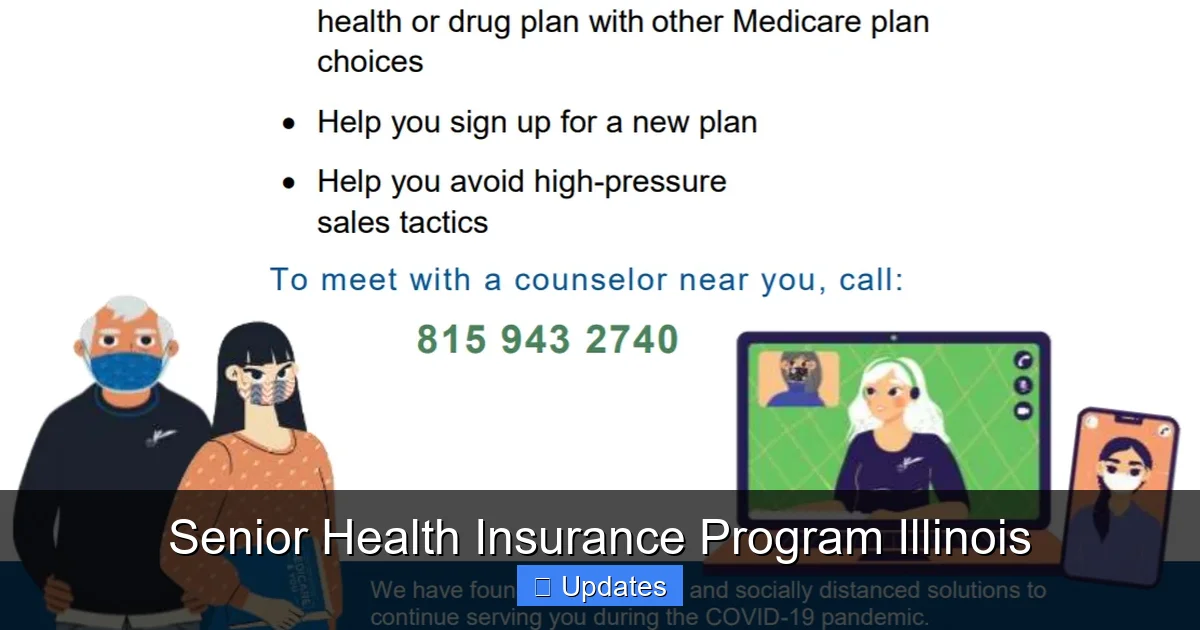
Visual guide about Senior Health Insurance Program Illinois
Image source: harvardseniorcenter.org
Not everyone automatically qualifies, but many do—especially if finances are tight. Eligibility depends mostly on age, income, and sometimes disability status. Here’s who typically qualifies:
Seniors aged 65 and older: If you’ve reached full retirement age, you’re eligible regardless of income—but receiving benefits still requires meeting income limits for specific programs.
People under 65 with disabilities: Individuals who receive Social Security Disability Insurance (SSDI) or Supplemental Security Income (SSI) may qualify, even if they haven’t turned 65 yet.
Individuals with End-Stage Renal Disease (ESRD): Those diagnosed with permanent kidney failure requiring dialysis or transplant can enroll once certain conditions are met.
To check your eligibility, HFS uses strict guidelines set by both the state and federal government. Income limits change each year, so it pays to apply early—and keep your information updated.
For instance, in 2024, the Qualified Medicare Beneficiary (QMB) program—which pays your Part A and Part B premiums plus most co-pays—is available to individuals earning up to $1,677 per month ($2,260 for couples). Even if you earn slightly more, other programs like Specified Low-Income Beneficiary (SLMB) or Qualifying Individual (QI) might still fit your situation.
How Does the Application Process Work?
Visual guide about Senior Health Insurance Program Illinois
Image source: newmedicare.com
Applying for assistance through the Senior Health Insurance Program Illinois doesn’t require visiting a government office or waiting weeks for an appointment. In fact, most people start online—it’s fast, secure, and confidential.
First, visit MyBenefits.il.gov. This portal lets you create an account, upload documents (like tax returns or bank statements), and submit your initial application. You’ll answer questions about income, household size, medical expenses, and current insurance coverage.
If you prefer speaking to someone directly, call (800) 843-6154. Trained staff will walk you through everything step-by-step. They can also mail forms to you or schedule a home visit if mobility is an issue.
Once submitted, your application goes into review. Most decisions happen within 30 days, though complex cases may take longer. If approved, you’ll receive a letter outlining what benefits you qualify for—and when they begin.
It’s also wise to connect with a SHIP counselor during this process. They can spot potential errors before submission and suggest additional programs you didn’t know about. Their advice often saves hundreds—or even thousands—of dollars annually.
Benefits You Can Access Through the Program
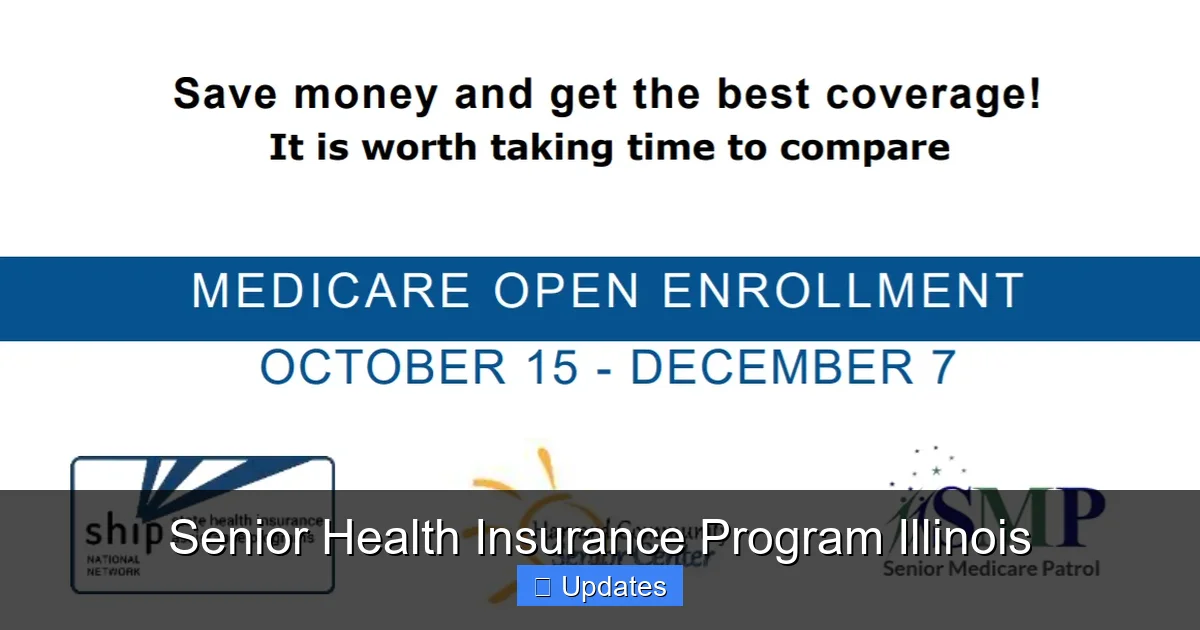
Visual guide about Senior Health Insurance Program Illinois
Image source: harvardseniorcenter.org
The real value of the Senior Health Insurance Program Illinois lies in the wide range of benefits it unlocks. Beyond just saving money on premiums, you gain peace of mind knowing you’re covered when health issues arise.
Premium Assistance Programs
These include QMB, SLMB, and QI, each with different income thresholds and coverage levels. For example, QMB recipients get full coverage of Medicare Parts A and B premiums, deductibles, coinsurance, and copayments. Meanwhile, SLMB only pays the Part B premium, leaving you responsible for other costs but still easing a major monthly expense.
Prescription Drug Help
Many participants qualify for Extra Help (also called Low-Income Subsidy or LIS) through Medicare Part D. This reduces or eliminates your share of prescription costs, including deductibles and monthly premiums for approved medications.
Medicare Plan Comparisons
Counselors help you compare Original Medicare (Parts A + B) versus private Medicare Advantage (Part C) plans. They look at network doctors, prescription coverage, travel benefits, and out-of-pocket maximums—all tailored to your lifestyle.
Appeals and Grievances Support
If a claim gets denied or a service isn’t covered as expected, SHIP counselors guide you through filing appeals. They know the paperwork and timelines, increasing your chances of success.
Community Referrals
Beyond insurance, the program links you to local resources like meal delivery (Meals on Wheels), transportation to medical appointments, home repair grants, and mental health services. These supports improve overall well-being and prevent unnecessary hospital visits.
Imagine needing knee surgery but lacking reliable transport afterward. Thanks to referrals from the program, you learn about volunteer driver networks in your area—saving time, money, and stress.
Finding Local Help and Resources
Illinois has over 100 Aging and Disability Resource Centers (ADRCs) spread across counties. Each center hosts weekly SHIP counseling sessions, application workshops, and benefit review clinics. No appointment? Walk-ins welcome!
For example, Cook County residents can visit the 92nd Street Y Senior Program in Chicago, which offers bilingual counselors and tech support for online applications. Meanwhile, rural areas like Whiteside County rely on mobile outreach teams that travel monthly to towns such as Sterling.
You can find your nearest ADRC using the HFS website or calling the hotline. Many centers also partner with pharmacies, churches, and senior centers to reach isolated populations.
Pro tip: Bring recent bills, insurance cards, and proof of income when you attend a session. Having these ready helps counselors give precise recommendations faster.
Common Mistakes to Avoid When Using the Program
Even with all this support, some seniors miss out on savings by making avoidable errors. Watch out for these pitfalls:
Not updating income changes: If you retire, sell property, or receive inheritance, notify HFS within 30 days. Failure to report could mean losing eligibility retroactively.
Skipping annual reviews: Life changes—so should your coverage. Revisit your plan yearly to see if new options better suit your health and budget.
Ignoring Part D enrollment deadlines: Late sign-ups trigger penalties unless you qualify for exemptions. Use SHIP to avoid fines.
Believing all drugs are covered: Formularies (drug lists) vary by plan. Confirm your meds are included before switching.
Overlooking Medicaid dual eligibility: If you’re on both Medicare and Medicaid, you might qualify for extra protections under the Senior Whole Health program—ask a counselor about it.
By staying informed and proactive, you maximize every dollar spent on health care.
Real Stories: How the Program Made a Difference
Meet Margaret, 72, from Springfield. After retiring, her fixed income couldn’t cover rising Medicare premiums. A neighbor told her about SHIP, and within weeks, she qualified for QMB. Suddenly, her $170/month Part B bill vanished—freeing up funds for hearing aids and physical therapy.
Then there’s James, 68, living alone in Rockford. He was drowning in diabetes medication costs until his ADRC counselor helped him enroll in Extra Help. His annual prescription tab dropped from $3,000 to under $100.
These aren’t isolated stories—they reflect thousands of similar experiences statewide. The Senior Health Insurance Program Illinois turns anxiety about health expenses into confidence and control.
Staying Updated: Changes and Future Outlook
Healthcare policy evolves constantly. Recent updates include expanded telehealth access post-pandemic and new outreach initiatives targeting Black and Latino communities historically underserved by public programs.
In 2024, Illinois launched a pilot program allowing online renewals for MSPs—cutting processing times by half. Expect more digital tools soon, like chatbots for quick eligibility checks.
Stay tuned to hfs.illinois.gov or subscribe to HFS newsletters. Share updates with friends—many seniors discover these programs too late.
Remember: ignorance isn’t bliss when it comes to health security. Knowledge truly is power.
Conclusion: Your Path to Smarter Health Choices Starts Here
Navigating health insurance as a senior doesn’t have to be confusing or costly. With the Senior Health Insurance Program Illinois, you gain trusted allies, personalized guidance, and real financial relief. Whether you need help choosing a Medicare Advantage plan, appealing a denied claim, or simply understanding your rights, help is always nearby—and always free.
Don’t wait until a medical emergency forces last-minute decisions. Take action today: call (800) 843-6154, visit MyBenefits.il.gov, or stop by your local ADRC. Your future self will thank you.
And remember—you’re not alone. Millions of Illinois seniors rely on this vital safety net every day. By engaging with the program, you join a community committed to healthier, happier aging.
Frequently Asked Questions
Am I automatically enrolled in the Senior Health Insurance Program Illinois?
No, enrollment is not automatic. You must apply through MyBenefits.il.gov, by phone, or in person at an Aging and Disability Resource Center. However, once approved, benefits begin quickly—often within 30 days.
Can I get dental, vision, and hearing coverage through this program?
The core program focuses on Medicare-related savings, but counselors refer you to supplemental plans that include dental, vision, and hearing. Some Medicaid-enrolled seniors also qualify for comprehensive benefits under programs like Senior Whole Health.
What if my income rises above the limit after approval?
You must report changes within 30 days. If your income exceeds limits, your benefits may end. But don’t panic—counselors can explore alternative plans or phase-out options to minimize disruption.
Is there a waiting list for SHIP counseling?
Unlikely. Most ADRC locations offer same-week appointments, and many accept walk-ins. Call ahead to confirm availability in your county.
Can family members apply on behalf of a senior?
Yes, if the senior lacks capacity or mobility. Authorized representatives can manage applications online or via phone, provided they have legal documentation (power of attorney, guardianship papers).
Does the program cover long-term care like nursing homes?
No, but counselors connect you to Illinois senior living communities and Medicaid Home and Community-Based Services (HCBS) waivers that fund in-home or assisted living support instead of institutional care.