
Senior Golf Shafts for Irons


Foot Massager Machine

Raised Toilet Seat

Big Button Mobile Phone
Senior golf shafts for irons are specially engineered to match the needs of older golfers with slower swing speeds. These lightweight, flexible shafts help increase clubhead speed, improve launch angle, and enhance overall performance—without sacrificing control or feel.
Golf is a game for a lifetime—and as we age, our bodies change, but our love for the game doesn’t have to fade. For senior golfers, maintaining performance on the course often comes down to one critical piece of equipment: the golf shaft. While many older players focus on clubheads or grips, the shaft plays a surprisingly powerful role in how far, how straight, and how comfortably you hit your irons. That’s where senior golf shafts for irons come in.
These specialized shafts are engineered with the unique physical needs of older golfers in mind. Whether you’re dealing with reduced swing speed, joint stiffness, or simply want to preserve energy over 18 holes, the right senior shaft can make a noticeable difference. Unlike standard stiff or regular flex shafts, senior shafts are designed to be lighter, more flexible, and easier to load—meaning they help you generate more clubhead speed without extra effort. The result? Longer, higher, and more consistent iron shots that keep you competitive and confident on the course.
But here’s the thing: not all senior shafts are created equal. With so many options on the market, it’s easy to feel overwhelmed. Some are ultra-light, others prioritize feel, and a few are built specifically for players with very slow swing speeds. The key is understanding what makes a senior shaft effective—and how to choose the one that matches your game. In this guide, we’ll walk you through everything you need to know about senior golf shafts for irons, from how they work to which ones are worth your investment.
Key Takeaways
- Lightweight construction: Senior shafts are typically made from graphite and weigh less than steel, reducing fatigue and improving swing speed.
- Increased flexibility: Designed with a softer flex (often labeled “A” or “Senior”), they help generate more power for golfers with reduced strength or flexibility.
- Higher launch angles: The design promotes a higher ball flight, helping seniors get the ball airborne more easily and achieve better carry distance.
- Improved feel and feedback: Modern senior shafts offer excellent vibration dampening and responsiveness, giving players confidence at impact.
- Custom fitting matters: Not all senior golfers need the same shaft—getting fitted ensures the right weight, flex, and torque for your unique swing.
- Popular brands to consider: Look for trusted names like Fujikura, Mitsubishi, Project X, and UST Mamiya, which offer dedicated senior flex options.
- Compatibility with modern irons: Most senior shafts fit standard iron heads, making upgrades easy and cost-effective.
📑 Table of Contents
Why Senior Golfers Need Specialized Shafts
As we age, our physical capabilities naturally decline. Muscle mass decreases, joints become less flexible, and reaction times slow down. These changes can directly impact your golf swing—especially when it comes to generating speed and maintaining consistency. A stiff or regular flex shaft, designed for younger or more athletic players, may no longer suit your swing dynamics. That’s why senior golf shafts exist: to bridge the gap between your current physical condition and your desire to play well.
One of the biggest challenges senior golfers face is reduced swing speed. Studies show that average swing speed tends to drop by about 1 mph per decade after age 50. While that might not sound like much, over time it can lead to significant distance loss—especially with irons, where precision and carry distance are crucial. A senior shaft helps counteract this by being more flexible and easier to accelerate. Think of it like a slingshot: the softer flex allows the shaft to bend more during the downswing, storing energy that’s released at impact. This “spring-like” effect can add precious yards without requiring you to swing harder.
Another factor is fatigue. Carrying a full set of clubs around 18 holes can be taxing, especially if those clubs are heavy. Traditional steel shafts, while durable and consistent, can weigh significantly more than their graphite counterparts. Senior shafts are almost always made from graphite, which is not only lighter but also absorbs more vibration. This reduces the shock transmitted to your hands, wrists, and elbows—common trouble spots for older golfers. Less vibration means less discomfort, which translates to better focus and more enjoyable rounds.
Let’s not forget about launch angle. Many seniors struggle to get the ball airborne, particularly with mid and long irons. This often results in low, running shots that fall short of the green. Senior shafts are designed to promote a higher launch, thanks to their softer tip sections and optimized bend profiles. When the shaft flexes more toward the end, it helps “kick” the ball upward at impact, creating a higher trajectory and more carry distance. For golfers who’ve lost some pop in their swing, this can be a game-changer.
Finally, there’s the psychological benefit. When you know your equipment is working with you—not against you—it boosts confidence. Hitting crisp, well-struck iron shots feels great, and that positive feedback loop can keep you engaged and motivated to improve. Senior shafts help make that possible by matching your gear to your current abilities, rather than forcing you to adapt to equipment that’s no longer suitable.
Understanding Shaft Flex and Weight for Seniors
Visual guide about Senior Golf Shafts for Irons
Image source: seniorgolfsource.com
When it comes to choosing the right senior golf shaft, two of the most important factors are flex and weight. These elements work together to influence everything from swing speed to ball flight, so getting them right is essential.
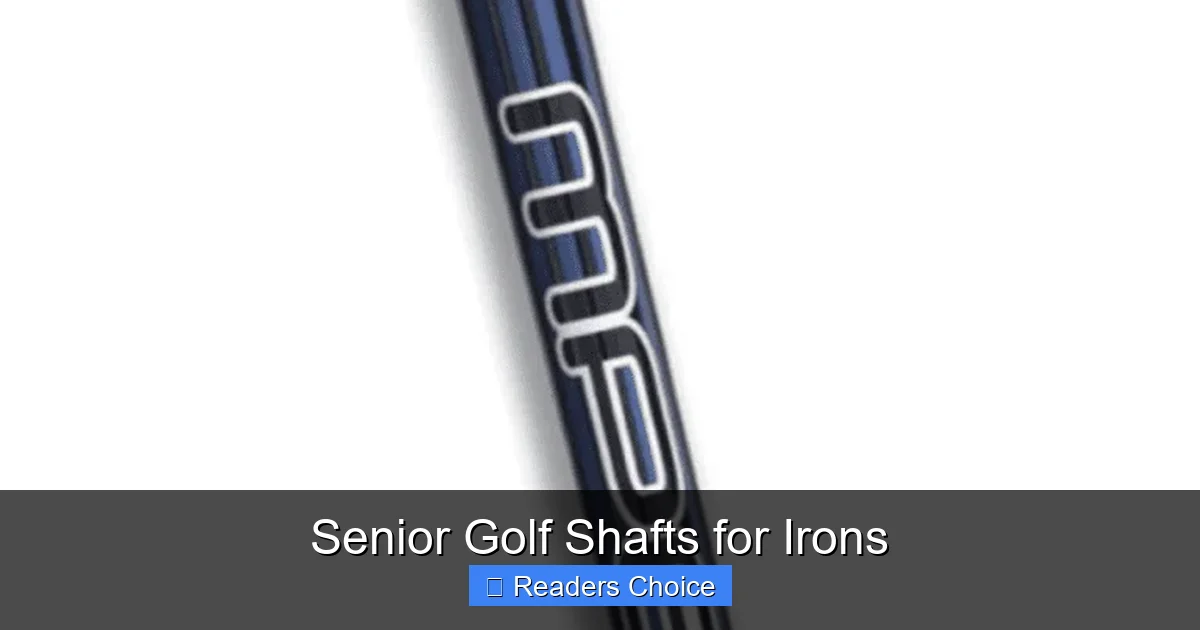
Let’s start with flex. Shaft flex refers to how much the shaft bends during the swing. It’s typically categorized as Ladies (L), Senior (A or S), Regular (R), Stiff (S), and Extra Stiff (X). For senior golfers, the “Senior” or “A-Flex” designation is usually the starting point. These shafts are softer than regular or stiff options, meaning they bend more easily. This increased flexibility helps slower swingers load the shaft properly and release that stored energy at impact.
But here’s a common misconception: softer always means better. While a senior flex is ideal for many older players, it’s not a one-size-fits-all solution. Some seniors still have relatively fast swing speeds or prefer a firmer feel. In those cases, a regular flex shaft might actually perform better. The key is matching the flex to your actual swing speed, not just your age. A good rule of thumb: if your driver swing speed is below 85 mph, a senior flex is likely a great fit. Between 85 and 95 mph, you might consider a regular flex. Above 95 mph, you may not need a senior shaft at all.
Weight is equally important. Senior shafts are generally lighter than their standard counterparts—often weighing between 40 and 60 grams for graphite models. Compare that to steel shafts, which typically range from 100 to 120 grams, and the difference is striking. Lighter shafts reduce overall club weight, making them easier to swing and less tiring over time. This is especially beneficial for seniors who play multiple rounds per week or walk the course.
However, lighter isn’t always better. Too little weight can lead to a lack of control, making it harder to square the clubface at impact. That’s why many modern senior shafts are engineered with a balance of lightness and stability. Look for models that use advanced materials like high-modulus graphite or carbon fiber composites. These materials allow manufacturers to reduce weight without sacrificing strength or feel.
Another aspect to consider is torque. Torque measures how much the shaft twists during the swing. Lower torque means less twisting, which can improve accuracy—especially for players who tend to slice or hook the ball. Senior shafts often have slightly higher torque than stiff shafts, but modern designs have minimized this difference. Many top-tier senior shafts now offer torque ratings under 3.5 degrees, providing a stable, predictable feel.
Graphite vs. Steel: Which Is Better for Seniors?
Visual guide about Senior Golf Shafts for Irons
Image source: fairwayjockey.com
One of the biggest decisions senior golfers face is whether to go with graphite or steel shafts. Both have their pros and cons, but for most older players, graphite is the clear winner—especially when it comes to irons.
Let’s break it down. Steel shafts are known for their consistency, durability, and affordability. They offer a firm, responsive feel that many players appreciate, particularly in the short irons where precision is key. However, steel is significantly heavier than graphite, which can be a drawback for seniors. The added weight increases fatigue and can slow down your swing, especially as the round progresses.
Graphite shafts, on the other hand, are lighter, more flexible, and better at absorbing vibration. These qualities make them ideal for senior golfers who need help with swing speed and comfort. The reduced weight allows for faster clubhead speeds, while the softer flex promotes a higher launch and more distance. Plus, the dampening effect of graphite reduces the jarring impact that can aggravate arthritis or joint pain.
That said, not all graphite shafts are created equal. Some are designed for maximum distance, while others prioritize control or feel. For seniors, the best graphite shafts strike a balance—light enough to swing easily, but stable enough to maintain accuracy. Look for models with a mid-to-high launch profile and a smooth, responsive feel.
There’s also the question of cost. Graphite shafts are generally more expensive than steel, both in terms of initial price and replacement cost. However, the performance benefits often justify the investment—especially if you’re serious about improving your game. Many golfers find that the added distance and comfort more than make up for the higher price tag.
One practical tip: if you’re unsure which material to choose, consider a mixed set. Some seniors use steel shafts in their wedges and short irons for better control, and graphite in their mid and long irons for added distance. This hybrid approach lets you enjoy the best of both worlds.
Top Senior Golf Shafts for Irons in 2024
Visual guide about Senior Golf Shafts for Irons
Image source: southamptongolfclub.com
With so many options on the market, it can be tough to know which senior golf shafts are worth your money. To help narrow it down, we’ve rounded up some of the best models available in 2024—each designed with senior players in mind.
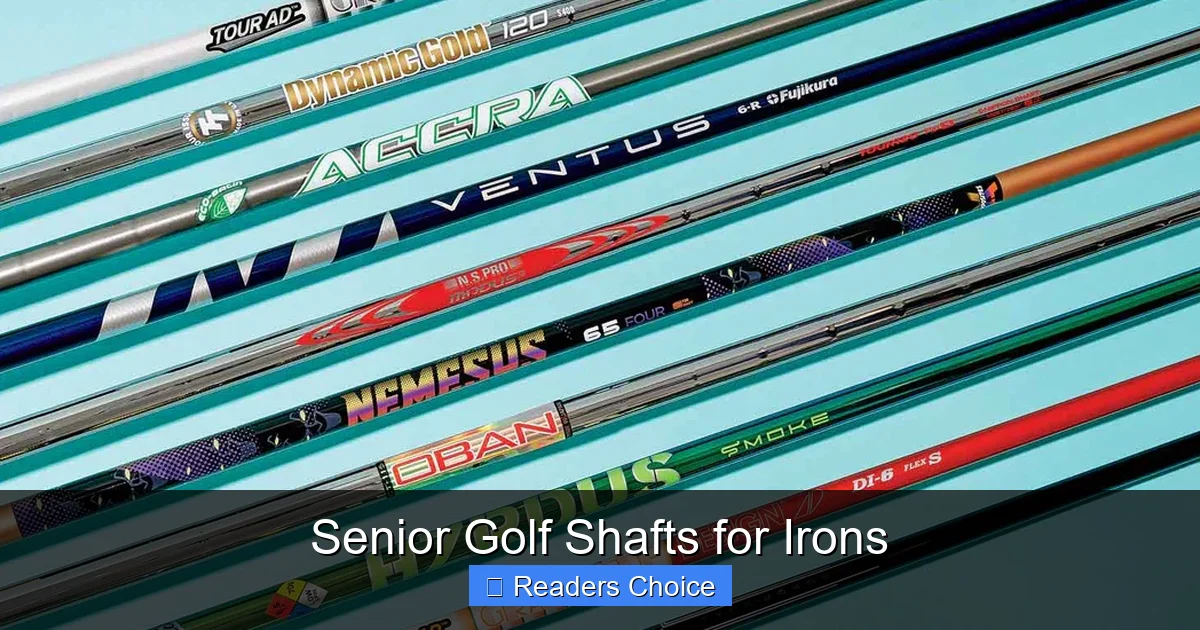
Fujikura Ventus Red Senior Flex
The Fujikura Ventus Red is a standout choice for seniors seeking a blend of speed, stability, and feel. This shaft features a unique bend profile that promotes a high launch with low spin—ideal for maximizing distance without sacrificing control. Weighing in at just 55 grams, it’s light enough to boost swing speed, yet stable enough to maintain accuracy. Many seniors report noticeable improvements in both carry distance and consistency after switching to the Ventus Red.
Mitsubishi Tensei AV Blue Senior
Known for its smooth feel and consistent performance, the Tensei AV Blue is another top pick. It uses a proprietary Aluminum Vapor (AV) coating that enhances durability while reducing weight. The shaft’s mid-launch design helps seniors get the ball up quickly, and its low torque ensures a stable delivery. At 58 grams, it’s slightly heavier than some ultra-light options, but that extra mass can improve timing and rhythm for players who struggle with quick transitions.
Project X HZRDUS Smoke Red RDX
While Project X is often associated with stiff shafts, their HZRDUS Smoke Red RDX offers a senior flex option that’s surprisingly effective. This shaft is built for players who want a firmer feel without sacrificing launch. It’s a great choice for seniors with slightly faster swing speeds who don’t want to go full regular flex. The RDX version features a reinforced tip section for added stability, making it a solid option for those who tend to hit off-center.
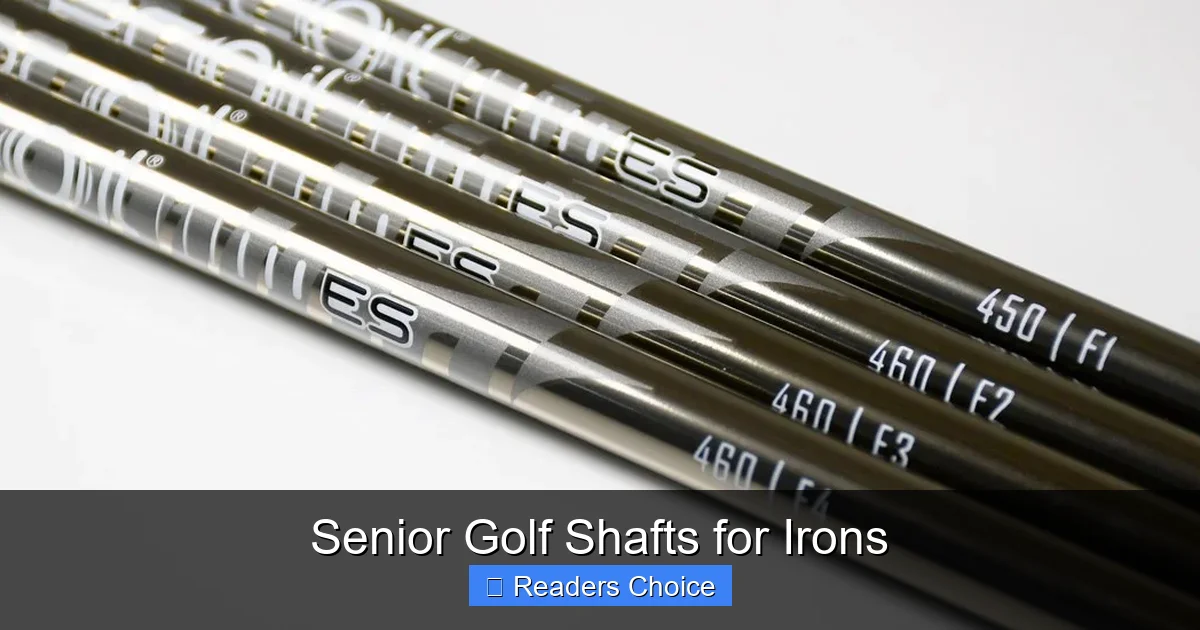
UST Mamiya Recoil 460 ES Senior
The Recoil series from UST Mamiya has long been a favorite among senior golfers, and the 460 ES is one of the best in the lineup. Weighing just 46 grams, it’s one of the lightest senior shafts available, making it perfect for players with very slow swing speeds. Despite its light weight, it offers excellent energy transfer and a soft, responsive feel. Many users praise its ability to add distance without requiring extra effort.
True Temper XP 95 Senior
For seniors who prefer a steel-like feel but want the benefits of graphite, the True Temper XP 95 is a great compromise. At 95 grams, it’s heavier than most graphite shafts, but still lighter than traditional steel. It offers a smooth, consistent flex and a mid-high launch, making it a versatile option for a wide range of players. It’s particularly popular among seniors who are transitioning from steel to graphite and want a familiar feel.
How to Choose the Right Senior Shaft for Your Game
Choosing the right senior golf shaft isn’t just about picking the lightest or softest option. It’s about finding the shaft that matches your unique swing characteristics, physical condition, and playing goals. Here’s a step-by-step guide to help you make the best choice.
First, get your swing speed measured. This is the most important factor in determining the right flex. Visit a local golf shop or use a launch monitor to find out how fast you’re swinging your driver. As mentioned earlier, if your speed is below 85 mph, a senior flex is likely ideal. Between 85 and 95 mph, consider a regular flex. Above 95 mph, you may not need a senior shaft at all.
Next, consider your typical ball flight. Do you struggle to get the ball airborne? A high-launch shaft with a soft tip section can help. Do you tend to hit the ball too high or spin it too much? Look for a shaft with a firmer tip and lower spin characteristics. Your launch monitor data can provide valuable insights here.
Don’t forget about feel. Some seniors prefer a soft, smooth sensation, while others like a firmer, more responsive feedback. Try demoing different shafts if possible. Many manufacturers offer demo programs or loaner sets that let you test shafts on the range or during a round.
Weight is another key consideration. If you walk the course or play multiple rounds in a week, a lighter shaft can reduce fatigue. But if you struggle with control, a slightly heavier shaft might improve your timing and consistency.
Finally, consider getting custom fit. A professional fitting session can analyze your swing dynamics and recommend the ideal shaft based on your release point, swing plane, and impact position. While it may cost $50 to $150, the investment can pay off in improved performance and enjoyment.
Installation and Maintenance Tips
Once you’ve chosen the right senior shaft, proper installation and maintenance are essential to get the most out of your investment.
Start with installation. Unless you’re experienced with club building, it’s best to have your shafts installed by a professional. Improper installation can lead to misaligned shafts, incorrect lie angles, or even damage to the clubhead. A certified club fitter or repair technician can ensure everything is set up correctly.
When it comes to maintenance, graphite shafts require a bit of care. Avoid leaving your clubs in extreme temperatures—like a hot car trunk—as heat can degrade the resin in graphite over time. Clean your shafts regularly with a soft cloth and mild soap to remove dirt and grime. Avoid using harsh chemicals or abrasive pads, which can scratch the surface.
Also, check your grips periodically. Worn grips can affect your hold and lead to inconsistent shots. Replace them every 40 to 50 rounds or whenever they feel slick or cracked.
Finally, store your clubs properly. Use a stand bag with individual slots or a golf cart with secure dividers to prevent shafts from knocking against each other. This helps preserve the integrity of the graphite and keeps your clubs in top condition.
Conclusion
Senior golf shafts for irons are more than just a marketing label—they’re a practical solution for older golfers who want to keep playing at their best. By offering lighter weight, increased flexibility, and higher launch, these shafts help compensate for the natural decline in swing speed and strength that comes with age. Whether you’re looking to add distance, reduce fatigue, or simply enjoy the game more, the right senior shaft can make a meaningful difference.
The key is to choose wisely. Don’t just pick the lightest or softest option—consider your swing speed, ball flight, and personal preferences. Take advantage of demo programs, get professionally fitted, and don’t be afraid to try different models until you find the one that feels right.
With the right senior shaft in your irons, you’ll not only play better—you’ll feel better on the course. And in the end, that’s what golf is all about: enjoying the game, staying active, and sharing great moments with friends. So go ahead, upgrade your shafts, and get back out there. Your best golf might still be ahead of you.
Frequently Asked Questions
What is a senior flex shaft?
A senior flex shaft is a type of golf shaft designed for players with slower swing speeds, typically those over 50. It’s softer and more flexible than regular or stiff shafts, helping generate more clubhead speed and higher ball flight.
Do senior shafts really add distance?
Yes, senior shafts can add distance by increasing swing speed and promoting a higher launch angle. The lighter weight and softer flex help golfers generate more power without extra effort.
Can I use senior shafts if I’m under 50?
Absolutely. Age doesn’t determine shaft suitability—swing speed does. If your swing speed is below 85 mph, a senior flex can benefit you regardless of age.
Are graphite senior shafts better than steel?
For most seniors, graphite is better because it’s lighter, more flexible, and absorbs vibration. Steel is heavier and firmer, which can be harder on joints and slower swings.
How do I know if I need a senior shaft?
If you’re losing distance, struggling to get the ball airborne, or feeling fatigued during rounds, a senior shaft may help. A launch monitor or professional fitting can confirm if it’s right for you.
Can I install senior shafts myself?
While possible, it’s recommended to have a professional install them. Proper alignment and torque are crucial for performance and safety, especially with graphite shafts.
