
Senior Dog Panting a Lot


Sock Aid for Seniors

Automatic Jar Opener

Handheld Shower Head
If your senior dog is panting a lot, it could be normal aging—or a sign of an underlying health issue. Understanding the difference is crucial for your dog’s comfort and well-being. This guide covers causes, symptoms, and practical steps to help your aging companion.
Key Takeaways
- Normal panting vs. excessive panting: Occasional panting is normal, but frequent, heavy, or unexplained panting in senior dogs may signal a problem.
- Common causes include pain, anxiety, heart disease, and respiratory issues: These conditions often become more prevalent as dogs age.
- Monitor for accompanying symptoms: Look for coughing, lethargy, blue gums, or changes in appetite or behavior.
- Veterinary evaluation is essential: A thorough check-up can identify or rule out serious conditions like Cushing’s disease or lung disease.
- Environmental and lifestyle factors matter: Overheating, stress, or lack of exercise can worsen panting in older dogs.
- Early intervention improves outcomes: Prompt care can slow disease progression and improve quality of life.
- Comfort and support are key: Adjusting your dog’s routine, environment, and care can reduce panting and boost well-being.
📑 Table of Contents
- Why Is My Senior Dog Panting So Much?
- Normal Panting vs. Excessive Panting in Senior Dogs
- Common Medical Causes of Excessive Panting in Senior Dogs
- Behavioral and Environmental Triggers
- When to See the Vet: Red Flags to Watch For
- How to Help Your Senior Dog at Home
- Diagnostic Tests and Treatment Options
- Conclusion
Why Is My Senior Dog Panting So Much?
As our beloved dogs grow older, their bodies change in many ways—just like ours do. One change that often worries pet parents is increased panting. While panting is a normal way for dogs to cool down, when a senior dog is panting a lot—especially at rest or during the night—it can be a red flag.
You might notice your older dog breathing heavily after a short walk, or even while lying down. Maybe they’re panting more during thunderstorms or when you’re not around. At first, it might seem like just part of getting older. But excessive panting in senior dogs isn’t always normal. It can be a sign that something deeper is going on.
Understanding why your senior dog is panting a lot is the first step toward helping them feel better. In this guide, we’ll explore the most common causes, when to be concerned, and what you can do to support your aging companion. Whether it’s a simple fix like adjusting the room temperature or a more serious medical condition, being informed means you can act quickly and with confidence.
Normal Panting vs. Excessive Panting in Senior Dogs
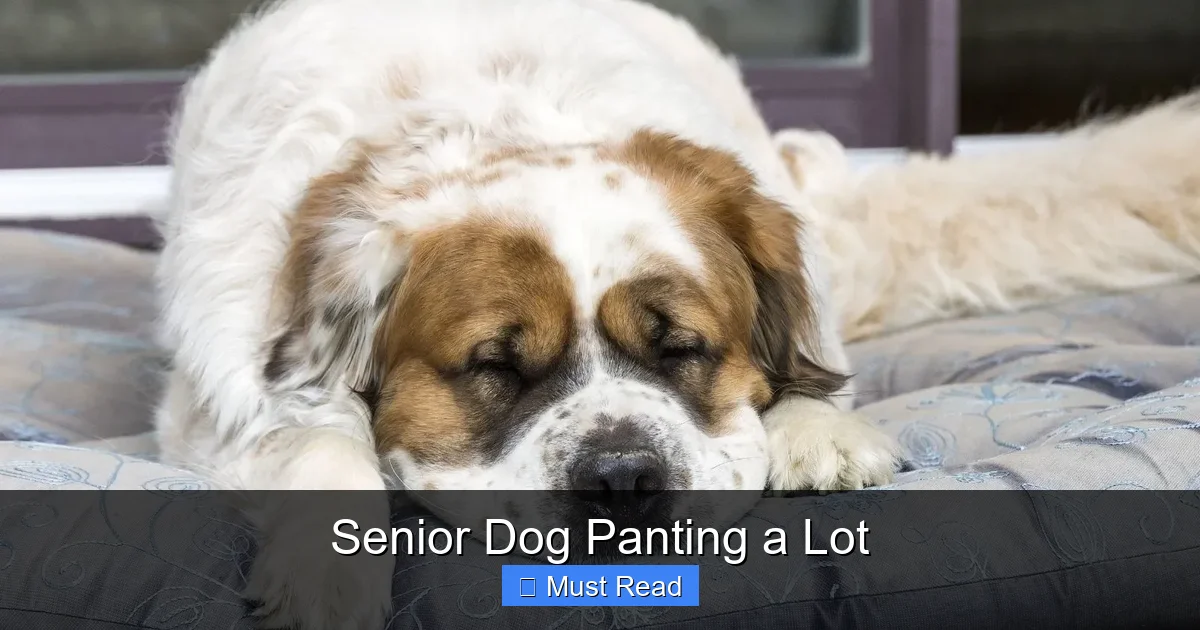
Visual guide about Senior Dog Panting a Lot
Image source: pupvine.com
Not all panting is cause for alarm. Dogs naturally pant to regulate their body temperature, especially after exercise, play, or exposure to heat. It’s their version of sweating. But when panting becomes frequent, intense, or happens without an obvious reason, it’s time to pay attention.
Normal panting typically occurs:
– After physical activity
– In warm weather or hot environments
– During moments of excitement or stress (like a car ride or vet visit)
This kind of panting is usually short-lived. Your dog will calm down once they’ve cooled off or relaxed.
Excessive panting, on the other hand, may happen:
– At rest or while sleeping
– In cool or air-conditioned rooms
– Without any physical exertion
– Accompanied by other symptoms like coughing, whining, or restlessness
For example, if your 12-year-old Labrador is panting heavily while lying on the couch in a cool room, that’s not normal. Or if your senior Chihuahua starts panting during the night and seems unable to settle, it’s worth investigating.
One helpful way to assess the situation is to track when and how often your dog pants. Keep a simple log for a few days: note the time, what your dog was doing, the room temperature, and whether they showed any other signs of discomfort. This information can be very useful when talking to your vet.
Another clue is the sound and pattern of the panting. Normal panting is usually quiet and rhythmic. Excessive panting may sound labored, shallow, or even noisy. If your dog’s chest is moving rapidly or they seem to be struggling to breathe, that’s a sign to act quickly.
Remember, senior dogs are more vulnerable to health issues, so even subtle changes in behavior—like increased panting—shouldn’t be ignored. What might seem minor could be an early warning sign of a treatable condition.
Common Medical Causes of Excessive Panting in Senior Dogs
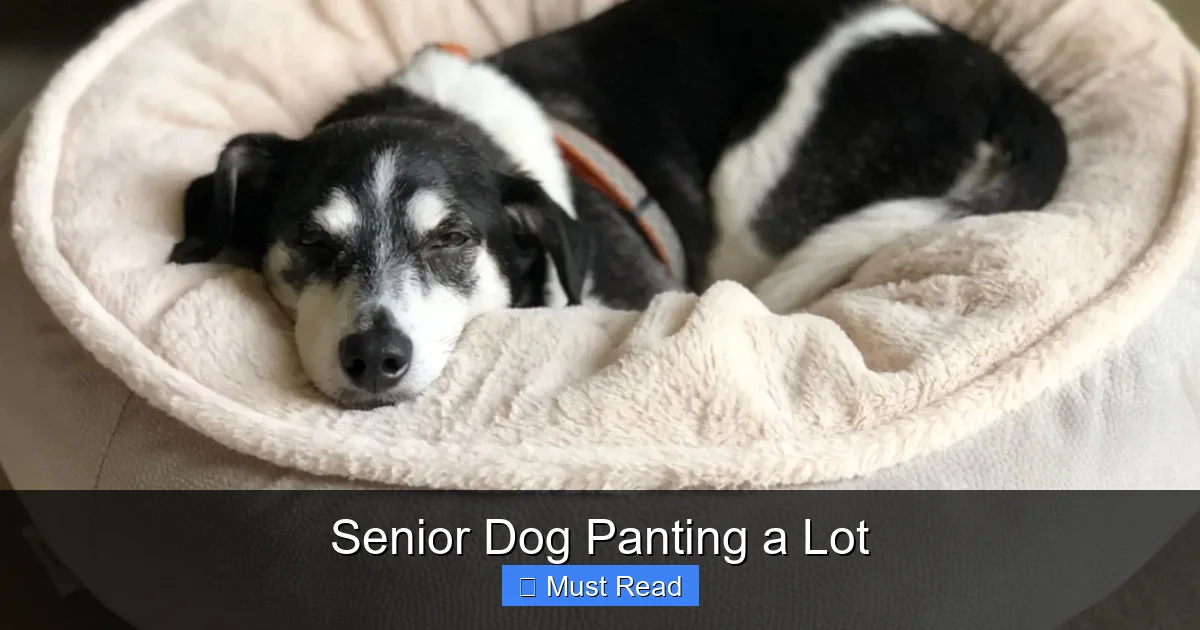
Visual guide about Senior Dog Panting a Lot
Image source: pupvine.com
When a senior dog is panting a lot, it’s often due to an underlying medical condition. As dogs age, their organs and systems become less efficient, making them more prone to diseases that can affect breathing and comfort. Let’s look at the most common culprits.
Pain or Discomfort
One of the most overlooked causes of excessive panting in older dogs is pain. Arthritis, hip dysplasia, dental disease, or injuries can all cause chronic discomfort. Dogs are experts at hiding pain, but panting can be a subtle way they signal distress.
For instance, a senior dog with arthritis might pant more after lying down for a long time, especially if they’re stiff or sore. They may also pant when getting up or trying to climb stairs. If your dog winces, limps, or avoids being touched in certain areas, pain could be the root cause.
Heart Disease
Heart disease is common in senior dogs, especially in breeds like Cavalier King Charles Spaniels, Dobermans, and small breeds prone to mitral valve disease. When the heart isn’t pumping efficiently, fluid can build up in the lungs, making it harder to breathe. This leads to increased panting, especially at night or when lying down.
You might also notice a cough, especially a dry, hacking cough that worsens at night. Your dog may seem more tired than usual or have trouble exercising. If the heart condition is severe, their gums might look pale or bluish.
Respiratory Conditions
Lung diseases such as pneumonia, bronchitis, or even cancer can cause heavy panting. These conditions reduce the lungs’ ability to oxygenate the blood, so your dog may pant to try to get more air.
Chronic bronchitis, for example, is common in older, small-breed dogs. It causes inflammation in the airways, leading to coughing and labored breathing. Dogs with this condition often have a “honking” cough and may pant more during excitement or stress.
Cushing’s Disease
Cushing’s disease (hyperadrenocorticism) occurs when the body produces too much cortisol. It’s more common in middle-aged to senior dogs and can cause a range of symptoms, including excessive panting, increased thirst and urination, a pot-bellied appearance, and thinning skin.
The panting in Cushing’s is often persistent and not linked to temperature or activity. It’s caused by hormonal imbalances that affect the dog’s metabolism and stress response.
Anemia
Anemia—low red blood cell count—can make it harder for the body to deliver oxygen to tissues. This forces the heart and lungs to work harder, leading to increased panting. Anemia in senior dogs can result from chronic disease, internal bleeding, or nutritional deficiencies.
Signs include pale gums, weakness, and rapid breathing. If your dog seems unusually tired or has dark, tarry stools (a sign of internal bleeding), seek veterinary care right away.
Obesity
While not a disease itself, obesity puts extra strain on a dog’s heart, lungs, and joints. Overweight senior dogs often pant more because their bodies have to work harder to move and breathe. Losing even a small amount of weight can significantly improve breathing and overall comfort.
Behavioral and Environmental Triggers

Visual guide about Senior Dog Panting a Lot
Image source: seniortailwaggers.com
Not all excessive panting is due to illness. Sometimes, the cause is behavioral or environmental. Senior dogs can become more sensitive to stress, noise, or changes in their routine as they age.
Anxiety and Stress
Older dogs may develop anxiety due to cognitive decline, hearing or vision loss, or changes in their environment. Separation anxiety, fear of loud noises (like fireworks or thunderstorms), or confusion from dementia can all trigger panting.
For example, a senior dog with canine cognitive dysfunction (similar to Alzheimer’s in humans) might pace, pant, and seem disoriented at night. They may not recognize familiar people or places, leading to distress and heavy breathing.
Heat and Overheating
Even in cooler weather, senior dogs can overheat more easily than younger dogs. Their ability to regulate body temperature declines with age. If your home is warm, or if your dog is lying in direct sunlight, they may start panting to cool down.
Signs of overheating include excessive panting, drooling, bright red gums, vomiting, or collapse. Never leave your senior dog in a parked car, even for a few minutes.
Lack of Exercise or Poor Air Circulation
A sedentary lifestyle can contribute to poor cardiovascular health and weight gain, both of which can increase panting. Similarly, stuffy rooms with poor airflow can make it harder for your dog to breathe comfortably.
Make sure your senior dog has access to cool, well-ventilated spaces. Use fans or air conditioning during hot weather, and avoid exercising them during the hottest parts of the day.
When to See the Vet: Red Flags to Watch For
While some panting is normal, certain signs mean it’s time to call your veterinarian—especially if your senior dog is panting a lot. Early diagnosis and treatment can make a big difference in your dog’s quality of life.
Accompanying Symptoms to Watch For
Pay attention to other changes in your dog’s behavior or physical condition. These red flags suggest a medical issue:
– Coughing, especially at night
– Lethargy or reluctance to move
– Blue or pale gums
– Rapid or irregular heartbeat
– Swollen abdomen
– Increased thirst or urination
– Vomiting or diarrhea
– Collapse or weakness
If your dog shows any of these signs along with excessive panting, seek veterinary care immediately.
Sudden Onset vs. Gradual Changes
Sudden, severe panting—especially if your dog seems panicked or in distress—is a medical emergency. This could indicate a heart attack, pulmonary embolism, or severe pain.
Gradual increases in panting over weeks or months may point to chronic conditions like heart disease or Cushing’s. Even if it seems slow, don’t wait. Schedule a vet visit to get a proper diagnosis.
Nighttime Panting
Panting at night can be especially concerning. It may be due to pain, anxiety, or fluid buildup in the lungs from heart disease. If your dog wakes up panting or seems restless during sleep, it’s worth investigating.
How to Help Your Senior Dog at Home
While medical treatment is often necessary, there are many ways you can support your senior dog at home to reduce panting and improve comfort.
Create a Calm, Cool Environment
Keep your home cool and well-ventilated. Use fans, air conditioning, or cooling mats during warm weather. Provide soft, supportive bedding in a quiet area where your dog can rest undisturbed.
Manage Pain and Mobility
If arthritis or joint pain is suspected, talk to your vet about pain management options. Supplements like glucosamine, omega-3 fatty acids, or prescription medications can help. Gentle exercise, such as short walks or swimming, can also keep joints mobile.
Reduce Stress and Anxiety
Use calming aids like pheromone diffusers (e.g., Adaptil), anxiety wraps, or natural supplements (with vet approval). Maintain a consistent daily routine to help your dog feel secure.
Monitor Weight and Diet
Keep your senior dog at a healthy weight. Feed a high-quality, age-appropriate diet and avoid overfeeding. Obesity worsens breathing and puts extra strain on the heart.
Regular Vet Check-Ups
Schedule wellness exams every 6 months for senior dogs. Blood work, chest X-rays, and heart screenings can catch problems early.
Diagnostic Tests and Treatment Options
If your vet suspects an underlying condition, they may recommend diagnostic tests to pinpoint the cause of your dog’s excessive panting.
Common Diagnostic Tools
– Blood tests (to check for anemia, infection, or hormonal imbalances)
– Urinalysis (to assess kidney function and detect Cushing’s)
– Chest X-rays (to evaluate heart size and lung health)
– Echocardiogram (ultrasound of the heart)
– Blood pressure monitoring
Treatment Plans
Treatment depends on the diagnosis. For heart disease, medications like ACE inhibitors or diuretics may be prescribed. Cushing’s disease can be managed with drugs like trilostane or mitotane. Pain is treated with anti-inflammatories or joint supplements.
In some cases, surgery or oxygen therapy may be needed. Always follow your vet’s recommendations and monitor your dog’s response to treatment.
Conclusion
If your senior dog is panting a lot, don’t ignore it. While some panting is normal, excessive or unexplained panting can signal pain, illness, or stress. By understanding the possible causes and knowing when to seek help, you can ensure your aging companion stays comfortable and healthy.
Stay observant, keep a close eye on changes, and work closely with your veterinarian. With the right care, many senior dogs continue to enjoy happy, active lives—even with age-related challenges. Your love and attention make all the difference.
Frequently Asked Questions
Is it normal for senior dogs to pant more?
Some increase in panting can be normal due to aging, but excessive or unexplained panting is not. It may indicate pain, illness, or stress and should be evaluated by a vet.
Can anxiety cause panting in older dogs?
Yes, anxiety—especially from cognitive decline, noise phobias, or separation—can lead to heavy panting in senior dogs. Calming techniques and vet support can help.
Should I be worried if my senior dog pants at night?
Nighttime panting can be a sign of pain, heart disease, or anxiety. If it’s frequent or severe, schedule a vet visit to rule out serious conditions.
How can I tell if my dog’s panting is due to heat?
If panting occurs in warm environments, after exercise, or when your dog is lying in the sun, it’s likely heat-related. Move them to a cool, shaded area and offer water.
Can obesity cause excessive panting in senior dogs?
Yes, extra weight puts strain on the heart and lungs, making breathing harder. Weight management can significantly reduce panting and improve mobility.
What should I do if my senior dog suddenly starts panting heavily?
Sudden, severe panting—especially with distress, pale gums, or collapse—is an emergency. Contact your vet or an emergency clinic immediately.