
Senior Dog Keeps Peeing in House


LED Clip Reading Light

Bedside Commode Chair

Orthopedic Sandals
Senior dogs often start peeing indoors due to medical conditions like UTIs, cognitive decline, or arthritis, not because they’re misbehaving. With patience, proper vet care, and lifestyle adjustments, most owners can successfully manage and even stop indoor accidents. This guide walks you through identifying the root cause and applying practical solutions tailored to your aging companion.
If your once-house-trained senior dog suddenly starts peeing inside, you’re probably feeling frustrated, worried, and maybe even guilty. You love your furry friend dearly, and seeing them struggle with something as basic as using the bathroom correctly is heartbreaking. But here’s the truth: most cases of senior dog peeing in the house aren’t about disobedience—they’re about health, comfort, or confusion. As dogs age, their bodies change just like ours do. Just as seniors among humans might develop incontinence or memory loss, our canine companions experience similar shifts.
Understanding why this happens is the first step toward helping your dog feel better and your home stay clean. In this article, we’ll explore everything from medical causes to environmental adjustments, giving you clear, compassionate guidance so you can support your aging pup through this challenging phase with confidence.
Key Takeaways
- Medical issues are often behind senior dog peeing indoors: Conditions like urinary tract infections (UTIs), kidney disease, diabetes, or cognitive dysfunction syndrome (doggy dementia) can trigger inappropriate urination.
- Behavioral changes may signal discomfort: Pain from arthritis or mobility issues can make it hard for older dogs to reach their usual potty spot on time.
- Frequent nighttime accidents are normal: Many senior dogs sleep through the night but wake up confused or disoriented—this is called nocturia and is common with age.
- Veterinary evaluation is essential: A thorough checkup including urinalysis and bloodwork helps rule out serious health problems before assuming it’s behavioral.
- Environmental management reduces stress: Using puppy pads, washable rugs, or outdoor enclosures near the house gives your dog safe options while you address underlying causes.
- Consistency and routine support recovery: Feeding, walking, and bathroom breaks on a predictable schedule help rebuild confidence and bladder control.
- Patience and compassion go a long way: Avoid punishment—your dog isn’t doing this on purpose. Positive reinforcement and empathy strengthen your bond during this transition.
📑 Table of Contents
Why Do Senior Dogs Pee in the House?
When a dog who used to be perfectly reliable begins having accidents indoors, it’s natural to assume it’s behavioral. But in many cases, especially with older dogs, the real reason lies deeper than training. Let’s break down the most common reasons your senior dog keeps peeing in the house.
Health Issues That Cause Indoor Accidents
One of the biggest culprits behind sudden or worsening bathroom habits in older dogs is illness. Several medical conditions directly affect bladder control:
– **Urinary Tract Infections (UTIs):** Bacteria in the urinary tract cause inflammation and urgency. Your dog may try to “hold it” but still leak small amounts.
– **Kidney Disease:** As kidneys weaken, they can’t concentrate urine properly, leading to increased frequency or leakage.
– **Diabetes Mellitus:** High blood sugar increases thirst and urination volume, making accidents more likely.
– **Bladder Stones or Tumors:** These physical obstructions disrupt normal bladder function.
– **Cushing’s Disease (Hyperadrenocorticism):** This hormonal disorder leads to excessive drinking and urinating.
Many of these conditions also come with other symptoms—frequent licking of genitals, straining to urinate, blood in urine, or weight loss—but not always. That’s why a vet visit is non-negotiable if accidents begin suddenly or worsen over time.
Cognitive Dysfunction Syndrome (CDS)
Just like humans, dogs can develop dementia as they age. Known as Cognitive Dysfunction Syndrome (CDS) in veterinary medicine, this condition affects memory, learning, and awareness. Affected dogs may:
– Forget where their litter box or yard entrance is
– Wander aimlessly without purpose
– Have trouble recognizing familiar people or places
– Show anxiety or confusion during routines
A dog with CDS might know they need to go outside but forget how to get back to the door—or worse, forget they already went minutes ago. They may also lose bladder control due to disorientation, especially at night when they’re less active.
According to the American College of Veterinary Behaviorists, CDS affects up to 68% of dogs over age 15. If your dog seems otherwise healthy but is leaking pee, CDS could be the hidden factor.
Pain and Mobility Problems
Arthritis, degenerative joint disease, or spinal issues become more common with age. When movement becomes painful, dogs often avoid going outside—even if they really need to. They might wait too long, rush indoors, or simply give up trying altogether.
For example, imagine your dog usually runs to the back door after dinner. Now, due to stiff hips, that short walk causes limping and distress. Instead of enduring the pain, they relieve themselves right inside the kitchen. It’s not defiance—it’s self-preservation.
Other signs of pain include:
– Reluctance to jump on furniture or stairs
– Whining when lying down or standing up
– Decreased activity or grooming
– Changes in appetite
Addressing pain through medications, supplements like glucosamine, or even physical therapy can dramatically improve bathroom behavior.
How to Diagnose the Real Cause
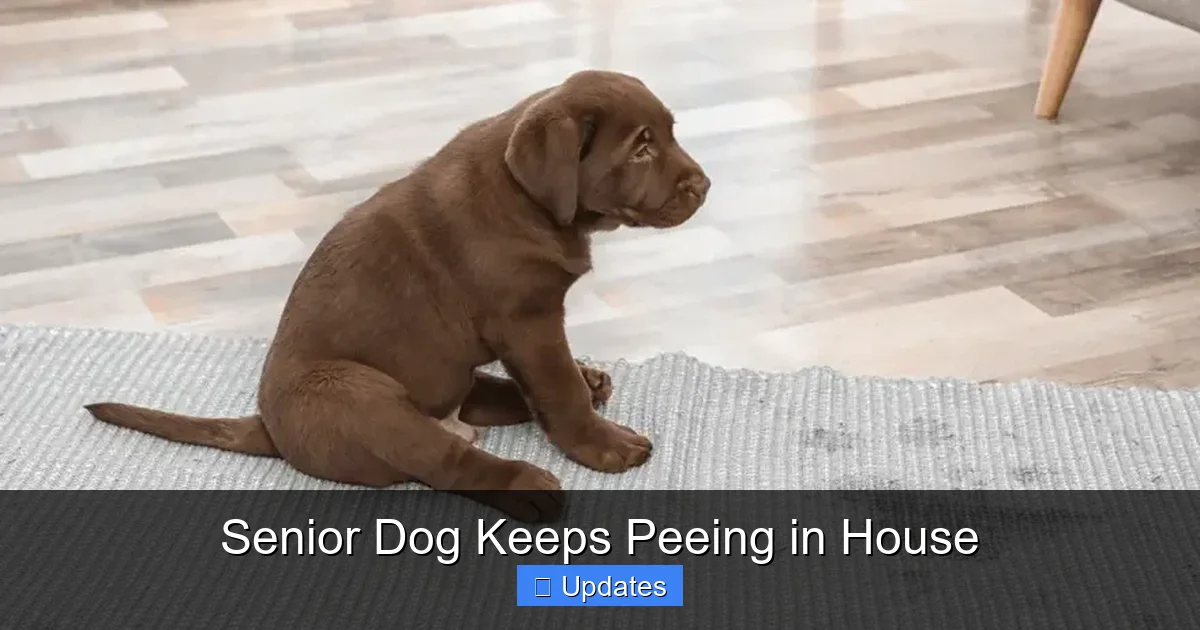
Visual guide about Senior Dog Keeps Peeing in House
Image source: worlddogfinder.com
Before jumping to behavioral solutions, rule out medical causes. Here’s what a typical vet workup looks like:
Step 1: Schedule a Comprehensive Exam
Your vet will perform a physical exam, checking joints, spine, abdomen, and neurological reflexes. They’ll look for signs of infection, swelling, or discomfort.
Step 2: Run Diagnostic Tests
Common tests include:
– **Urinalysis:** Checks for infection, crystals, glucose, protein, or blood.
– **Bloodwork (CBC & Chemistry Panel):** Evaluates kidney, liver, and endocrine function.
– **Imaging (X-rays or Ultrasound):** Rules out stones, tumors, or structural issues.
These tests cost money, but skipping them risks treating the wrong problem. For instance, using a bell-training system on a dog with a UTI won’t fix the infection and could delay real treatment.
Step 3: Consider Neurological Assessment
If CDS or neurological disorders are suspected, your vet may refer you to a neurologist or recommend advanced imaging like MRI.
Remember: diagnosing takes time. Don’t expect answers overnight. Be persistent and keep detailed notes on when accidents happen, how much liquid your dog drinks, and any new behaviors.
Effective Solutions for Senior Dog Indoor Peeing
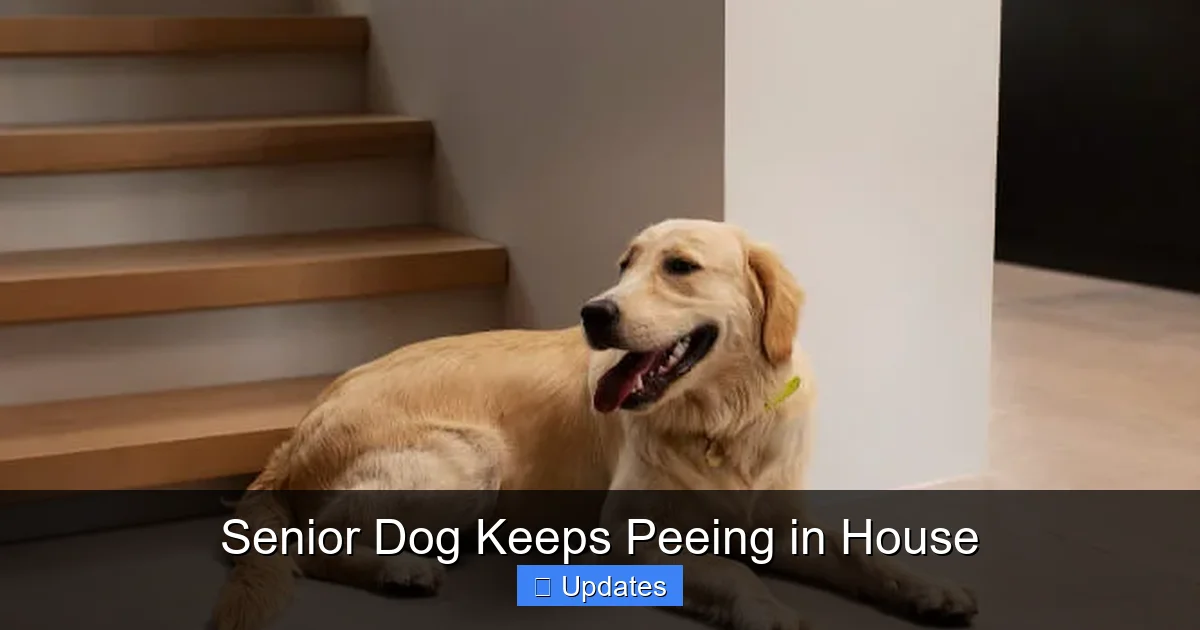
Visual guide about Senior Dog Keeps Peeing in House
Image source: sitmeanssit.com
Once you understand the root cause, solutions fall into two categories: medical treatment and environmental management. Let’s explore both.
Medical Treatments and Management
Depending on diagnosis, your vet may prescribe:
– Antibiotics for UTIs
– Anti-inflammatory drugs for pain
– Medications to reduce urine production (e.g., phenylpropanolamine)
– Hormone therapy for Cushing’s or hypothyroidism
Always follow dosage instructions exactly. Never stop medication abruptly without consulting your vet.
In addition, consider dietary changes. Prescription diets like Hill’s c/d or Royal Canin Urinary SO can help prevent UTIs and reduce crystal formation. Wet food increases hydration, which supports kidney health.
Behavioral and Environmental Adjustments
Even with perfect medical care, some senior dogs need extra support managing bathroom needs. Here’s how to create a safe, stress-free environment:
– **Set up an indoor potty area:** Use absorbent pads or washable rugs near the door. Place them where your dog naturally goes—often near a favorite sleeping spot.
– **Increase access to outdoors:** Keep the backyard gate open or install a pet door. For dogs with severe mobility issues, consider a dog wheelchair or ramp.
– **Use positive reinforcement:** Praise and treat every successful trip outside immediately. Avoid scolding, even if it’s an accident—it creates fear and worsens anxiety.
– **Stick to a strict schedule:** Feed meals at consistent times. Walk your dog every 4–6 hours, especially before bedtime and upon waking.
– **Limit water before bed:** While hydration is crucial, reducing evening water intake by 30–50% can minimize nighttime accidents. Try offering water only during the day and stopping an hour before bed.
Nighttime Strategies
Many owners ask: “Should I let my senior dog sleep through the night?” The answer depends. If your dog is healthy and mobile, encouraging nighttime sleep is fine. But if they’re prone to confusion or incontinence, consider:
– Placing a puppy pad or pee rug in their sleeping area
– Using washable, waterproof bedding
– Setting an alarm to gently wake your dog hourly to go outside (only for dogs with full cognitive function)
Note: Never force your dog awake aggressively. Gently pat their side or offer a verbal cue like “outside.”
Preventing Future Accidents
Visual guide about Senior Dog Keeps Peeing in House
Image source: images.petpress.net
Long-term prevention focuses on maintaining health and routine:
Regular Vet Checkups
Schedule biannual wellness exams starting at age 7. Early detection prevents small problems from becoming major ones.
Monitor Water Intake
Track how much your dog drinks daily. Sudden increases could signal diabetes or kidney disease.
Keep the Potty Area Clean
Wash pads and rugs with enzymatic cleaner to eliminate lingering scent marks that encourage repeat use.
Stay Calm and Patient
Stress makes everything harder for both you and your dog. Celebrate small victories—even one clean night is progress!
When to Seek Professional Help
While most cases respond well to home care, some require professional input:
– If accidents persist despite medical treatment
– If your dog shows signs of extreme pain or distress
– If you suspect cognitive decline affecting safety (e.g., wandering, aggression)
Consult a certified veterinary behaviorist or trainer experienced with geriatric pets. They can tailor strategies to your dog’s specific needs and teach you effective techniques.
Also, consider reaching out to local senior dog rescues or support groups. Organizations like Forever Dream Senior Dog Sanctuary offer resources and community for owners navigating similar challenges.
Conclusion: Compassion Is Key
Dealing with a senior dog who pees in the house is never easy. It tests our patience, finances, and emotional resilience. But remember: your dog didn’t choose this. They’re struggling with changes beyond their control—and they still trust you to help.
By combining medical care, environmental support, and unwavering kindness, you give your aging companion the dignity and comfort they deserve. With time, consistency, and love, many dogs regain confidence and significantly reduce indoor accidents.
You’re not alone in this journey. Reach out to vets, trainers, and fellow pet parents. Share your story—you’ll find understanding, advice, and hope everywhere.
And when things feel overwhelming, take a deep breath. Every small step forward matters. Your senior dog is lucky to have you fighting for them.
—
Frequently Asked Questions
Can senior dogs regain bladder control?
Yes, many senior dogs improve with proper treatment. Addressing underlying medical issues like UTIs or pain often resolves accidents. Behavioral routines and environmental aids also help restore confidence and control over time.
Should I punish my senior dog for peeing indoors?
No, never punish your dog for accidents. Punishment increases fear and anxiety, which can worsen the problem. Instead, focus on preventing accidents and rewarding success with praise and treats.
How often should a senior dog go outside?
Most senior dogs benefit from bathroom breaks every 4–6 hours, including once or twice at night. Adjust based on your dog’s individual needs—more frequent trips may be necessary if they have incontinence or mobility issues.
Is it normal for senior dogs to pee in their sleep?
Yes, this is common and usually due to incontinence or confusion. It’s not intentional and requires medical evaluation to determine the cause. Nighttime peeing in sleep is often linked to aging-related changes in bladder control.
What foods help prevent UTIs in senior dogs?
Prescription diets like Hill’s c/d or Royal Canin Urinary SO help reduce crystal formation and acidity in urine. Increasing water intake through wet food or flavored broths also supports urinary tract health.
Can cognitive dysfunction cause peeing accidents?
Absolutely. Cognitive Dysfunction Syndrome (CDS) affects memory and awareness, making it hard for dogs to recognize when they need to go or remember where the bathroom is. Managing CDS with medication, mental stimulation, and routine can reduce accidents.