
Senior Citizen Appreciation Day Ideas


CallToU Caregiver Pager with 2 Wireless Call Buttons for Elderly

Non Slip Bath Tub and Shower Mat 40 x 16 Inch Extra Large

HOMLAND Toilet Seat Riser for Seniors with Adjustable Height
Senior Citizen Appreciation Day is a special occasion to recognize the wisdom, contributions, and resilience of older adults in our communities. Whether you’re organizing an event or planning a personal gesture, this day offers countless opportunities to honor their legacy and strengthen intergenerational bonds. From fun group activities to quiet moments of recognition, your efforts can make a lasting impact.
Key Takeaways
- Community Events: Host appreciation gatherings at senior centers, parks, or local venues to bring people together for food, music, and storytelling.
- Personalized Gestures: Write heartfelt letters, create memory books, or organize surprise visits to show individual care and respect.
- Volunteer Opportunities: Engage youth groups or school students in service projects like yard work, grocery shopping, or reading aloud.
- Educational Exchanges: Facilitate intergenerational learning where seniors share life experiences while younger participants teach digital skills.
- Health and Wellness Focus: Offer free health screenings, fitness classes, or wellness workshops tailored to seniors’ needs.
- Recognition Programs: Award certificates, plaques, or “Senior of the Month” features to publicly acknowledge achievements and kindness.
- Virtual Celebrations: For those unable to attend in person, livestream events or video messages can still deliver joy and connection.
📑 Table of Contents
- Why Celebrating Senior Citizen Appreciation Day Matters
- Crafting Meaningful Community Gatherings
- Personalized Ways to Say “Thank You”
- Involving Youth: Bridging Generations Through Service
- Creative Activities That Bring Joy and Connection
- Honoring Contributions Through Recognition Programs
- Supporting Health and Wellness on Appreciation Day
- Virtual Celebrations: Connecting Across Distances
- Making Appreciation a Daily Practice
- Conclusion: Every Act of Kindness Counts
Why Celebrating Senior Citizen Appreciation Day Matters
Every year, millions of older adults contribute to society in countless ways—mentoring families, volunteering in schools, preserving cultural traditions, and supporting their communities through decades of experience. Yet many face loneliness, isolation, or lack of acknowledgment for their lifelong dedication. That’s why **Senior Citizen Appreciation Day** exists: not just as a calendar date, but as a powerful reminder that every generation deserves respect, recognition, and love.
This special day gives us all a chance to pause and say “thank you.” It’s more than sending a card or giving flowers—it’s about creating moments of genuine connection. When we celebrate our elders, we honor their journey, validate their presence, and inspire future generations to value wisdom over youth. In a fast-paced world, taking time to appreciate those who’ve paved the way feels not only right—but essential.
Whether you’re part of a family, neighborhood group, faith community, or workplace team, there are endless ways to make this day meaningful. The key is intentionality: focus on what brings joy, sparks conversation, and fosters mutual understanding. Below, you’ll find practical, heartwarming ideas designed to help you celebrate in authentic and impactful ways.
Crafting Meaningful Community Gatherings
Visual guide about Senior Citizen Appreciation Day Ideas
Image source: mahakaruna.org.my
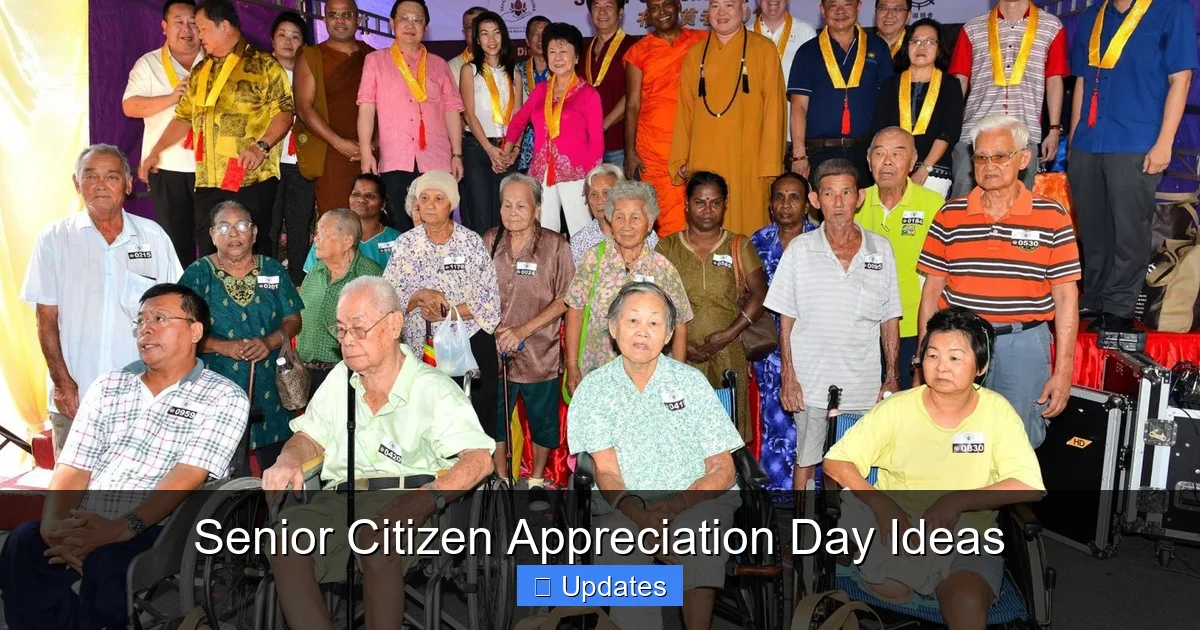
One of the most effective ways to observe Senior Citizen Appreciation Day is by organizing a community-wide event centered around shared joy and recognition. These gatherings don’t need to be grand or expensive—what matters most is the spirit of inclusion and celebration.
Host a Neighborhood Appreciation Lunch
Consider transforming your local park or community center into a festive space where seniors can enjoy a meal surrounded by neighbors, grandchildren, and friends. You could partner with a catering service or ask volunteers to cook simple dishes that reflect regional flavors or personal favorites of attendees.
To add warmth, set up photo stations with props that encourage reminiscing—think old-fashioned hats, vintage radios, or family photos from past decades. Include a short program featuring musical performances (perhaps a local choir singing classic songs), brief speeches from community leaders, or even a slideshow highlighting seniors’ life milestones.
For accessibility, ensure seating is available, pathways are clear, and audio systems are used so everyone can participate comfortably. This kind of event does double duty: it nourishes both body and soul while building bridges across age groups.
Organize Intergenerational Story Circles
Sometimes the simplest gestures carry the deepest meaning. Set up small group discussions where seniors share stories from their past—about career triumphs, wartime experiences, parenting challenges, or travel adventures—while younger participants listen intently and occasionally ask thoughtful questions. These story circles foster empathy and break down generational stereotypes.
You might even record these conversations (with permission) to create a local oral history archive. Many senior citizens cherish being heard; knowing their tales will outlive them brings profound satisfaction. Plus, teens and young adults gain invaluable perspective that textbooks rarely provide.
If meeting in person isn’t feasible, consider hosting virtual story sessions using Zoom or similar platforms. Encourage families to join together online, creating a safe space where voices from different eras connect across screens.
Personalized Ways to Say “Thank You”
Visual guide about Senior Citizen Appreciation Day Ideas
Image source: mahakaruna.org.my
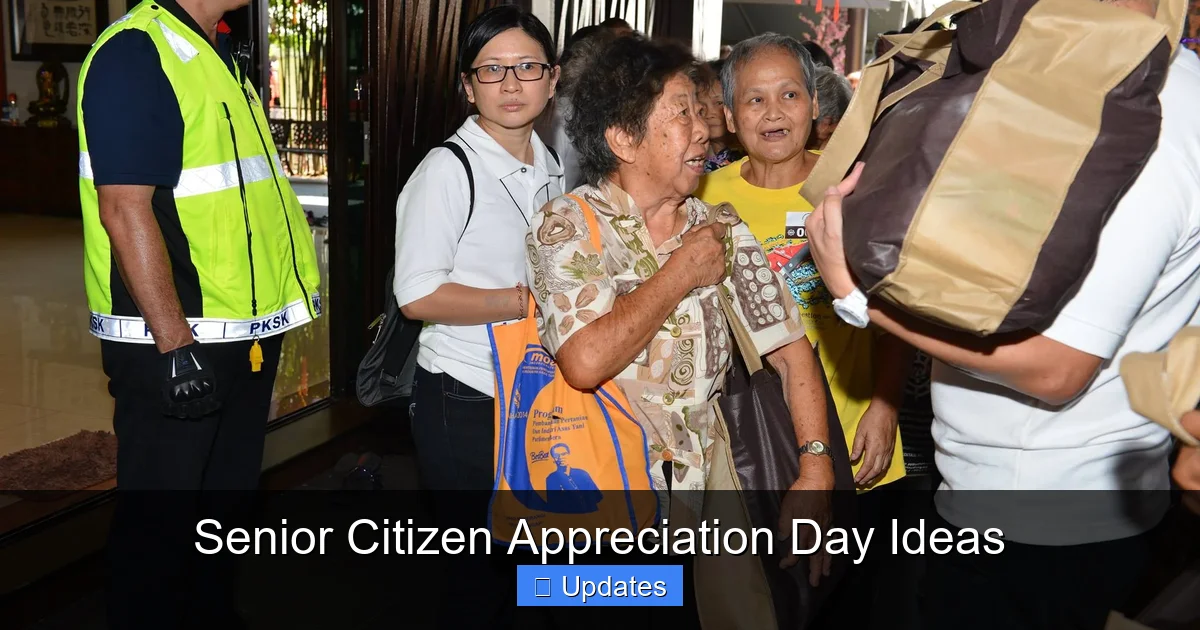
While large events are wonderful, sometimes the most memorable celebrations happen quietly—one-on-one or within close-knit families. Personalized gestures often leave a stronger impression because they reflect thoughtfulness and individual attention.
Create Memory Scrapbooks or Photo Albums
Nothing says “you matter” like preserving memories together. Invite family members or volunteers to collect old photographs, newspaper clippings, ticket stubs, or handwritten letters that represent significant moments in a senior’s life. Then assemble these into a beautifully bound scrapbook titled something like “Your Journey Through Time” or “Legacies We Cherish.”
Include blank pages where the senior can add new entries—maybe notes from grandchildren about favorite childhood memories or predictions for their future. This project becomes a living keepsake that grows with each anniversary of Senior Citizen Appreciation Day.
Alternatively, use digital tools to compile a slideshow or video montage. Modern seniors who enjoy technology will appreciate seeing their lives celebrated through high-quality visuals and background music they love.
Write Handwritten Letters of Gratitude
In an age of instant messaging and email, receiving a real, handwritten letter carries emotional weight. Encourage children, coworkers, or neighbors to write personal notes expressing specific reasons they’re grateful for the senior in their lives.
For example: “I’ll never forget how you taught me to ride a bike when I was seven,” or “Your patience during tough times helped me stay calm.” Even brief messages like “Thank you for always smiling” resonate deeply.
Collect these letters in a decorated envelope or display them prominently at a gathering. Reading them aloud creates touching moments and reminds everyone present why this day matters.
Involving Youth: Bridging Generations Through Service
Visual guide about Senior Citizen Appreciation Day Ideas
Image source: mahakaruna.org.my
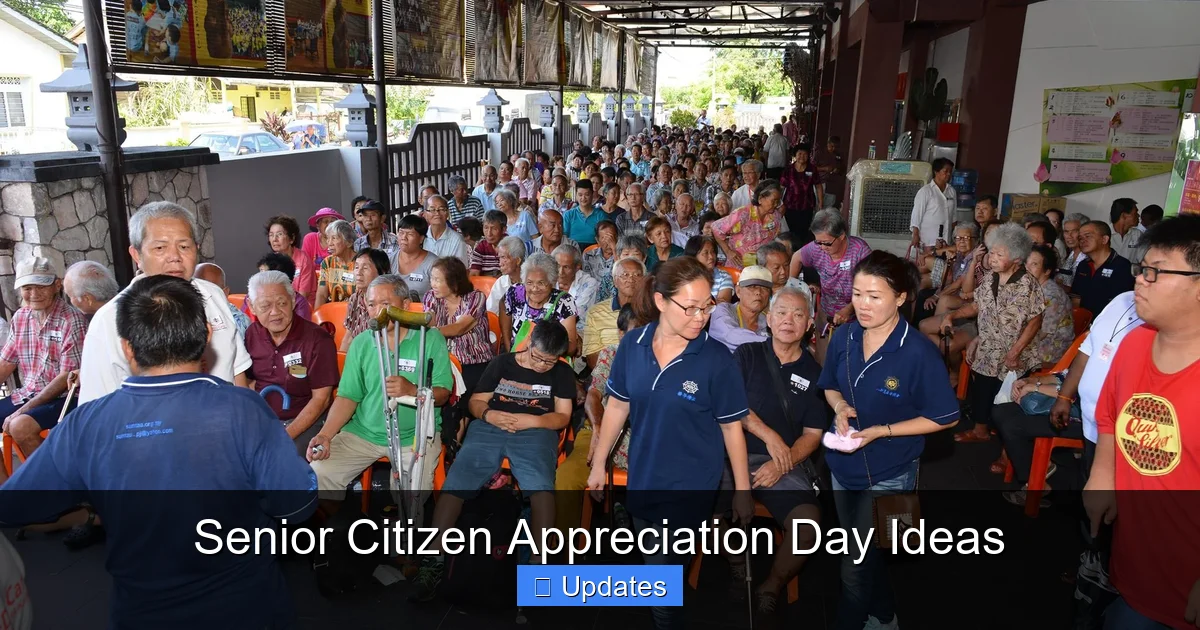
Children and teenagers often want to help but may not know where to start. Channeling their energy into meaningful service projects not only supports seniors but also teaches empathy, responsibility, and the value of giving back.
Coordinate Volunteer Days at Senior Facilities
Partner with nursing homes, assisted living centers, or independent living communities to organize volunteer days. Assign tasks based on ability and interest:
– Arts & Crafts: Help seniors create greeting cards, paint mini canvases, or knit scarves.
– Tech Support: Teach basic smartphone or tablet usage—making calls, sending texts, or browsing photos.
– Garden Work: Assist with planting flowers, watering potted plants, or tidying communal spaces.
– Pet Therapy: If allowed, bring certified therapy animals (or even well-behaved family pets) for joyful interactions.
Always check facility policies first and brief volunteers on proper etiquette—like asking before helping, speaking clearly, and respecting personal boundaries. These short but sweet visits often become highlights in residents’ calendars.
Start a Pen Pal Program
If physical visits aren’t possible, launch a pen pal initiative between local schools and senior centers. Students can write letters, draw pictures, or share school news. Seniors respond with reflections, recipes, or tips for staying healthy.
Over time, these correspondences evolve into deep friendships. Some programs even pair pen pals for monthly video chats. It’s amazing how much joy comes from simply knowing someone cares.
Creative Activities That Bring Joy and Connection
Beyond traditional service, interactive activities spark laughter, creativity, and shared purpose. Choose options that match seniors’ interests and physical abilities.
Host a Classic Movie Night
Pick beloved films from past decades—think *Casablanca*, *The Sound of Music*, or *Singin’ in the Rain*. Serve popcorn, offer comfortable seating, and dim the lights for ambiance. Afterward, invite viewers to discuss themes, actors, or memories tied to the movie.
Many seniors have never experienced modern streaming services, so this outing introduces them to contemporary comforts while celebrating cinematic history. You could also screen documentaries about aging, resilience, or community heroes.
Plan a Trivia Challenge with a Twist
Instead of generic trivia, design questions around topics seniors know best: local history, famous personalities from their era, music trends, or historical events. Divide teams into “youngsters vs. veterans” or mix ages for collaborative play.
Add fun prizes like gift baskets, coffee mugs, or framed photos. Laughter and friendly competition lighten hearts and remind everyone that learning never stops—no matter the age.
Organize a Mini Talent Show
Encourage seniors to perform—whether singing, playing an instrument, telling jokes, or demonstrating hobbies like knitting or woodworking. Let grandchildren or friends join in too!
Keep it low-pressure; participation should be voluntary and celebratory, not judged. Applaud every effort with cheers and applause. Afterwards, hand out participation certificates or homemade medals.
Honoring Contributions Through Recognition Programs
Public acknowledgment validates worth and boosts morale. Simple awards or displays can make seniors feel seen and valued in their community.
Establish a “Wall of Fame”
At your local senior center or library, create a bulletin board or digital display showcasing photos and bios of notable seniors—those who’ve volunteered for decades, overcome adversity, or contributed to civic causes. Rotate featured individuals monthly.
Include quotes like “She started a book club that’s been going for 25 years!” or “He mentors at-risk youth after retiring from teaching.” Seeing their name and story shared publicly reinforces dignity and pride.
Present Personalized Awards
Design handmade certificates recognizing qualities like “Kindest Heart,” “Wisdom Keeper,” or “Community Champion.” Involve kids in writing reasons why the senior earned each accolade.
Frame the certificates and present them during a small ceremony. Even if no one else attends, the senior will treasure the gesture. You might also award a symbolic item—a lanyard, keychain, or engraved watch—that serves as a daily reminder of their importance.
Supporting Health and Wellness on Appreciation Day
Health concerns often accompany aging, but proactive care can improve quality of life. On Senior Citizen Appreciation Day, prioritize physical and mental wellbeing through accessible resources.
Arrange Free Health Screenings
Contact local clinics, pharmacies, or mobile health units to offer blood pressure checks, glucose tests, or vision/hearing assessments at a central location. Provide printed summaries of results and referrals to specialists if needed.
Ensure staff explain procedures clearly and answer questions patiently. Follow up with seniors who request further assistance—this builds trust and shows genuine concern.
Offer Gentle Exercise Classes
Yoga, tai chi, chair aerobics, or stretching routines tailored to limited mobility keep bodies active and minds sharp. Hire instructors experienced with older adults or train volunteers yourself through online courses.
Make sessions social by ending with tea and conversation. Movement combats stiffness, improves balance, and releases endorphins—all while fostering camaraderie.
Mental Stimulation Workshops
Memory games, puzzle solving, or guided meditation sessions reduce cognitive decline risks. You could also host writing workshops where seniors journal their thoughts or compose poetry.
These activities stimulate neural pathways and delay onset of dementia symptoms. Plus, they give seniors a sense of purpose—knowing their mind remains strong and engaged.
Virtual Celebrations: Connecting Across Distances
Not everyone can attend in-person events due to health issues, remote locations, or transportation barriers. Fortunately, technology opens doors to inclusive virtual celebrations.
Livestreamed Concerts or Performances
Invite musicians, dancers, or theater groups to perform live online. Use platforms like Facebook Live, YouTube, or Zoom for broad reach. Allow viewers to comment or send virtual applause via emoji reactions.
Seniors watching from home feel included and entertained. Grandchildren can join parents’ phones or tablets to sing along or dance together.
Video Message Montages
Ask family members, friends, and community leaders to record short video clips wishing seniors happy appreciation day. Compile them into a heartwarming montage played at a gathering or mailed digitally.
Include messages from people who rarely get to visit—like distant relatives or former colleagues. Hearing familiar voices reassures seniors they remain connected despite distance.
Online Memory Sharing Sessions
Use screen-sharing tools to let seniors browse digital photo albums together in real time. Guide them through childhood pictures, vacations, or family milestones while chatting comfortably.
This format reduces anxiety about navigating tech alone and allows real-time interaction. Moderators can pause to explain details or answer questions.
Making Appreciation a Daily Practice
True honor doesn’t end on one day each year—it begins there and continues every day. Use Senior Citizen Appreciation Day as a springboard to build ongoing habits of respect and care.
Start Listening More Than Talking
When visiting or conversing, practice active listening. Put away phones, maintain eye contact, and ask open-ended questions. Avoid finishing their sentences or rushing to solutions. Sometimes, just being present means more than advice.
Learn Their Names and Stories
Take time to remember names and details about seniors’ lives—birthdays, grandchildren’s names, favorite foods, or career histories. Referencing these facts shows you value them beyond appearances.
Advocate for Accessibility and Inclusion
Speak up if you notice sidewalks lacking curb cuts, restaurants without high tables, or websites missing font-size options. Small changes remove barriers and affirm belonging.
Support Policies That Protect Elders
Vote for legislation ensuring fair housing, healthcare access, and anti-discrimination protections. Your voice amplifies collective care.
Conclusion: Every Act of Kindness Counts
Senior Citizen Appreciation Day isn’t about perfection—it’s about presence. Whether you host a bustling event, write a single letter, or simply sit beside an elder with quiet companionship, your effort speaks volumes. In honoring the past, we invest in the future.
Remember: appreciation isn’t transactional. It doesn’t require grand gestures or expensive gifts. Often, the smallest actions yield the biggest returns. A warm smile, a listening ear, or a shared laugh can heal wounds older than time.
So this year, choose one idea from this guide—or combine several—to create a celebration that reflects your values and community spirit. And then, keep extending that same kindness beyond October 1st. Because when we treat every senior like a treasure, we build a society where everyone thrives.
Let’s make Senior Citizen Appreciation Day not just a reminder—but a revolution of respect, one act at a time.
Frequently Asked Questions
What is Senior Citizen Appreciation Day?
Senior Citizen Appreciation Day is a yearly observance dedicated to recognizing and honoring the contributions, wisdom, and resilience of older adults in communities worldwide. It encourages individuals and organizations to express gratitude through meaningful activities and gestures.
When is Senior Citizen Appreciation Day celebrated?
The official date varies by country and organization, but many regions observe it annually in October, often aligning with National Senior Citizens Week or other recognition periods.
How can I involve my child in celebrating this day?
Children can participate by writing thank-you notes, drawing pictures for seniors, helping organize events, or assisting with volunteer tasks like delivering meals or reading aloud. Age-appropriate roles build empathy and responsibility.
Are virtual celebrations acceptable for Senior Citizen Appreciation Day?
Absolutely. Virtual events such as video calls, online talent shows, or shared digital photo albums allow seniors who cannot attend in person to still feel celebrated and connected.
Can businesses participate in Senior Citizen Appreciation Day?
Yes! Retailers, restaurants, and service providers often offer discounts, host appreciation events, or donate proceeds to senior-focused charities. Employees can also volunteer together to support local senior centers.
What if I don’t have access to many resources—can I still make a difference?
Definitely. Simple acts like calling an elderly neighbor, sharing a meal together, or spending time at a nursing home require minimal resources but deliver immense emotional value. Intent matters more than scale.