
Senior Check Benefits Check Enclosed


Folding Lightweight Walking Stick - Adjustable Aluminum Travel Cane

RMS 32 Inch Reacher Grabber, 2 Pack
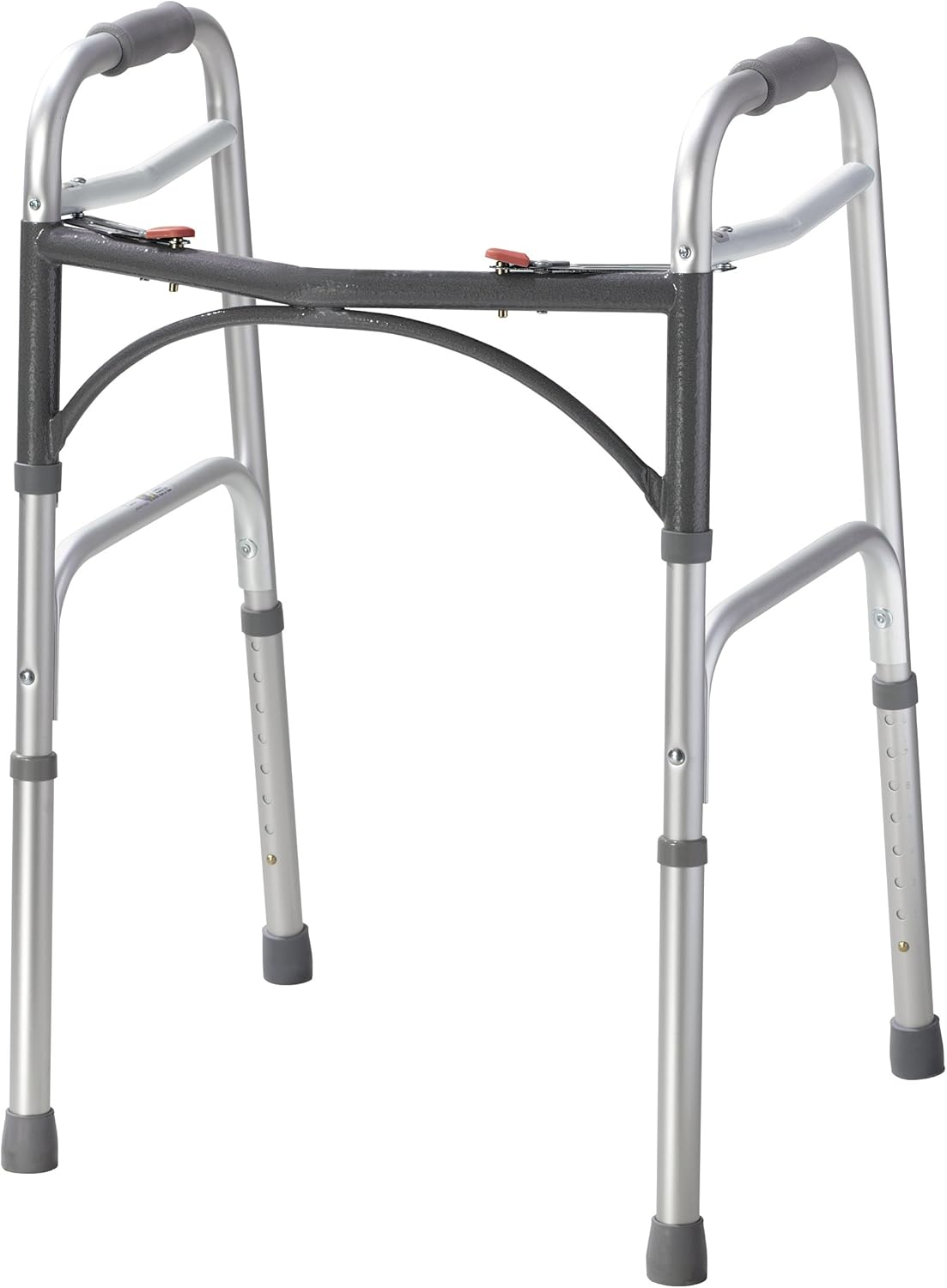
Drive Medical Folding Walker
Senior Check Benefits Check Enclosed is a phrase often used in mailings from companies or government programs offering financial assistance to older adults. These checks can help with rent, utilities, food, or medical costs—but not all are legitimate. It’s important to verify the source, read the fine print, and never pay upfront fees to receive such benefits. This article breaks down what these checks really are, how to tell if they’re real, and where to safely apply.
Have you ever opened a letter addressed to you that said “Senior Check Benefits Check Enclosed”? Maybe it was tucked between bills or slipped into your mailbox unannounced. You might have felt a flicker of hope—after all, who wouldn’t want extra cash in their pocket? But then reality set in: Is this for real? Or could it be one of those tricky scams targeting seniors?
Let’s clear things up. The phrase “Senior Check Benefits Check Enclosed” isn’t an official government term—it’s usually used by third parties trying to sell you something, or worse, steal from you. That said, there *are* legitimate ways older adults can receive financial assistance through government programs, nonprofits, and community initiatives. The key is knowing how to spot the difference between a helpful resource and a red-flag scam.
In this guide, we’ll walk you through everything you need to know about senior check benefits, why they matter, and how to stay safe while accessing them. Whether you’re helping a loved one or managing your own finances as you age, understanding these benefits can make a big difference in your daily life.
Key Takeaways
- What “Check Enclosed” Really Means: Many organizations send letters with “checks enclosed” to offer financial aid, but some are scams. Always verify the sender’s authenticity before taking action.
- Legitimate Sources Include Government Programs: Real senior benefits come from trusted sources like Medicaid, Supplemental Security Income (SSI), or state housing assistance—not random mailers.
- Beware of Upfront Fees: No reputable program will ask you to pay money to receive a benefit. Scammers often demand fees via gift cards or wire transfers.
- Verify Before Responding: Call the official number listed on your Social Security or Medicare website to confirm any unexpected offers.
- Report Suspicious Mailings: If something feels off, report it to the FTC or local consumer protection office to protect yourself and others.
- Real Benefits Can Improve Quality of Life: Legitimate senior checks can help cover essential expenses, improve health outcomes, and reduce financial stress.
📑 Table of Contents
What Does “Senior Check Benefits Check Enclosed” Actually Mean?
When you see a letter claiming to include a “check enclosed” for senior benefits, it’s likely referring to a payment offered by a program meant to support older adults. These aren’t always actual paper checks—sometimes they’re electronic deposits or prepaid cards. But regardless of format, the goal is usually the same: to provide financial relief for essentials like housing, healthcare, groceries, or transportation.
Now, here’s the catch: Not every organization sending out these letters is trustworthy. Some are legitimate nonprofits or government-approved agencies. Others? They’re fraudsters using fear tactics and false promises to steal your identity or money.
So how do you tell the difference?
First, consider the source. Official government programs—like Medicare, Medicaid, or Social Security—will **never** contact you out of the blue asking for personal information or upfront payments. If a letter arrives saying “Your Senior Check Benefits Check Enclosed” and urges you to call a toll-free number immediately, pause. That’s a major warning sign.
On the other hand, real benefits often come through well-known channels:
– State or county social service offices
– Area Agencies on Aging (AAA)
– Nonprofit organizations focused on senior welfare
– Direct applications via official websites
If you’re unsure whether a mailing is legit, don’t hesitate to reach out directly to the program listed on your state’s official website. Never rely solely on contact details provided in unsolicited mail.
The Rise of Senior Benefit Scams
Unfortunately, senior benefit scams are shockingly common. According to the Federal Trade Commission (FTC), older Americans lose billions each year to fraud. One frequent tactic involves fake letters claiming you’ve won a prize or qualify for unclaimed benefits—often with a “check already included.”
These scams prey on loneliness, confusion about benefits, and fear of losing support. They may use official-looking logos, urgent language, and even fake legal disclaimers to appear credible.
For example, you might get a letter stating, “Congratulations! You’ve been pre-approved for Senior Check Benefits. Your check is enclosed.” Sounds great—until you realize you never applied, and calling the number leads to high-pressure sales pitches or requests for credit card info.
That’s why verification is non-negotiable. Always cross-check any offer with trusted sources before sharing personal data.
Legitimate Ways Seniors Receive Financial Assistance
Despite the risks, there are plenty of real opportunities for seniors to receive financial help. Here are a few examples:
Medicare Savings Programs (MSP): These help cover premiums, deductibles, and copays for people with limited income. Eligibility varies by state, but most require proof of income and assets below certain thresholds.
Supplemental Nutrition Assistance Program (SNAP): Formerly known as food stamps, SNAP helps low-income seniors afford groceries. In many states, seniors over 60 can apply online or through local offices.
Low-Income Home Energy Assistance Program (LIHEAP): This federal program assists with winter heating bills or cooling costs during summer months. Funds are distributed through state agencies.
Veterans Aid and Attendance Benefits: Military veterans may qualify for additional monthly payments if they need help with daily activities due to disability or age.
Each of these programs has its own application process, documentation requirements, and eligibility rules. But none involve unsolicited mail promising instant cash “enclosed” in a check.
How to Verify a “Senior Check Benefits Check Enclosed” Offer
Visual guide about Senior Check Benefits Check Enclosed
Image source: seniorsprotalk.com
If someone sends you a letter with that phrase, follow these steps to protect yourself:
1. Don’t Call the Number Provided
Scammers design fake numbers to look real, but calling them risks exposing your info. Instead, search for the official phone number on your state’s Department of Health and Human Services website.
2. Check the Return Address
Legitimate organizations list their physical address clearly. If it’s a PO box, vague location, or overseas address, proceed with caution.
3. Look for Grammar and Spelling Errors
Professional agencies rarely send poorly written mail. Typos, awkward phrasing, or generic greetings (“Dear Customer” instead of your name) suggest a scam.
4. Research the Company Online
Search the company name plus “complaints” or “scam alert.” Sites like Better Business Bureau (BBB) or Consumer Affairs often flag fraudulent operators.
5. Trust Your Gut
If the letter pressures you to act fast or guarantees results, walk away. Real benefits take time—they don’t arrive overnight via surprise mail.
Remember: Legitimate benefits are free to apply for. Any request for payment before receiving funds is a red flag.
Practical Example: Spotting a Fake Letter
Imagine you receive this note:
> “Dear Valued Senior,
> We are pleased to inform you that you qualify for our exclusive Senior Check Benefits program. A check for $500 is enclosed. Please deposit it within 7 days to secure your eligibility.
> Sincerely,
> National Senior Relief Foundation
> [Logo resembling a government seal]”
This sounds convincing—but let’s break it down:
– No personalized details (e.g., your name or address)
– Urgency: “Deposit within 7 days”
– Unclear organization name (“National Senior Relief Foundation” doesn’t exist as a registered entity)
– No official return address
Compare that to a real notification from your local Area Agency on Aging:
– Clear agency name and physical address
– Instructions to visit their website or office
– Option to request more info without immediate action
The contrast shows how scammers manipulate emotions while genuine programs prioritize transparency.
Common Types of Senior Benefit Fraud
Visual guide about Senior Check Benefits Check Enclosed
Image source: seniorsprotalk.com
Understanding common fraud patterns helps you avoid traps. Here are the top scams involving “checks enclosed”:
Phishing Letters: Fake envelopes mimicking IRS, Social Security, or Medicare notices. They claim you owe back taxes or must validate your account—often demanding gift cards or bank details.
Advance Fee Schemes: Offers like “We’ll get you benefits—just pay a small processing fee.” Once paid, the scammer vanishes. Real benefits never require upfront costs.
Impersonation Scams: Callers posing as government workers say your benefit check is delayed unless you provide SSN or credit info. Again, officials won’t ask for sensitive data over the phone.
Romance Scams: Criminals build relationships online, then ask victims to send “benefit checks” to help “family members abroad.” These are emotionally devastating and financially ruinous.
To fight back, educate yourself and loved ones. Share this article with family members—especially those living alone or experiencing cognitive decline.
Protecting Yourself and Loved Ones
Start conversations early. Talk openly about scams without shame or blame. Encourage skepticism toward unsolicited offers, and emphasize verifying everything independently.
Set up trusted contacts: Designate a family member or friend to review suspicious mail together. Many seniors prefer having a second pair of eyes before making decisions.
Also, monitor accounts regularly. Report unauthorized charges to banks immediately. And keep software updated to block phishing emails.
Most importantly, remember: You deserve dignity and security in retirement. Don’t let fear silence your pursuit of real help.
Where to Safely Apply for Senior Benefits
Visual guide about Senior Check Benefits Check Enclosed
Image source: seniorsprotalk.com
Instead of reacting to random mail, take initiative. Here’s where to find legitimate assistance:
Your Local Area Agency on Aging (AAA): Every U.S. county has one. They offer free counseling, benefit screenings, and referrals. Visit eldercare.acl.gov to locate yours.
State Health Insurance Assistance Programs (SHIP): Free guidance on Medicare, Medicaid, and prescription drug plans. Call 1-800-MEDICARE or visit shiphelp.org.
BenefitsCheckUp.org: Run by Neediest Cases Fund, this site lists over 2,700 public and private programs for seniors. Enter your zip code to explore options.
Social Security Administration: Apply for SSI, retirement, or disability benefits at ssa.gov. No fees, no pressure.
These resources are vetted, nonprofit, and focused solely on helping you access real benefits—not selling you anything.
Tips for Successful Applications
– Gather documents early: Birth certificate, tax returns, bank statements, proof of residency.
– Be accurate: Mistakes delay processing. Double-check dates and names.
– Follow up: Ask when to expect a decision. Most agencies provide timelines.
– Keep copies: Store every form and confirmation email securely.
With patience and persistence, navigating benefits becomes manageable—and worth it.
What to Do If You’ve Been Scammed
Even cautious people can fall victim. If you suspect fraud:
Stop Communication Immediately
Block the caller/email sender and shred physical letters.
Report to Authorities
File a complaint with the FTC at reportfraud.ftc.gov. Also notify your local police and Postmaster General.
Contact Your Bank and Credit Bureaus
Alert them to potential identity theft. Consider freezing your credit temporarily.
Notify Relevant Agencies
If Medicare or Social Security was involved, call their fraud hotlines immediately.
Recovery takes time, but reporting helps prevent others from being targeted. Plus, many states offer restitution programs for scam victims.
Support Networks Matter
Don’t suffer in silence. Reach out to:
– Adult protective services (if vulnerable)
– Local senior centers
– Faith-based organizations
– Legal aid clinics (many offer free elder law help)
You’re not alone—and neither are they.
Final Thoughts: Stay Informed, Stay Safe
The phrase “Senior Check Benefits Check Enclosed” should spark curiosity—not panic. While scams exist, so do real opportunities to improve your quality of life. By staying informed, verifying sources, and leveraging trusted resources, you can confidently pursue legitimate benefits without fear.
Remember: Real help comes from transparency, not urgency. It respects your autonomy, not your desperation. And it never asks for money before delivering value.
Take charge today. Review your current benefits. Explore new options. And share this knowledge with someone who might need it. Because when it comes to protecting seniors—knowledge truly is power.
—
Frequently Asked Questions
Is “Senior Check Benefits Check Enclosed” a real government program?
No, it’s not an official government term. Some legitimate organizations use similar language, but most unsolicited mailings with this phrase are either misleading or outright scams. Always verify through official channels like your state’s Department of Aging.
Can I trust a letter that says my check is already enclosed?
Only if you initiated contact or recognize the sender. Even then, scrutinize details. Legitimate benefits don’t arrive unexpectedly in the mail. If in doubt, call the organization using a verified phone number—not the one on the letter.
What should I do if I receive a suspicious senior benefits letter?
Do not respond, open attachments, or call unknown numbers. Shred the letter, note the sender’s info, and report it to the FTC at reportfraud.ftc.gov. You can also share it with your local Area Agency on Aging for analysis.
Are there free resources to help me find senior benefits?
Yes! Visit BenefitsCheckUp.org, call 1-800-MEDICARE, or contact your local AAA. These services are confidential, free, and staffed by trained professionals who won’t pressure you into purchases.
Why do scammers target seniors with fake benefit checks?
Seniors are often more trusting, less familiar with digital scams, and may face financial strain. Scammers exploit these vulnerabilities by offering quick fixes—even though real benefits require proper application processes.
How can I protect myself from future benefit-related scams?
Educate yourself regularly, avoid sharing personal info over unsolicited calls, verify all offers independently, and involve trusted friends or family in financial decisions. Staying proactive reduces risk significantly.