
Senior Center Trips and Tours


Automatic Jar Opener

Mattress Topper Memory Foam

Weekly Pill Organizer
Senior center trips and tours offer older adults safe, affordable, and engaging ways to explore their communities and beyond. These outings foster social connection, promote physical activity, and provide access to cultural experiences often difficult to reach alone. Whether it’s a museum visit, nature hike, or day trip to a historic town, these programs make travel enjoyable and stress-free for seniors.
Key Takeaways
- Senior center trips enhance quality of life: Regular participation in group outings improves mental health, reduces isolation, and increases daily motivation.
- Accessibility is built-in: Most senior center tours are wheelchair-friendly, offer transportation, and include guides who understand mobility needs.
- Trips vary by location: Urban centers may offer city tours and museum visits, while rural centers focus on scenic drives and local history.
- Cost-effective options available: Many communities provide free or low-cost trips funded through grants, donations, or municipal support.
- Social benefits outweigh logistics: Even short outings can spark meaningful conversations and lifelong friendships among participants.
- Seasonal themes keep things fresh: Holiday markets, spring festivals, and autumn foliage trips ensure year-round engagement.
- Advance planning improves experience: Signing up early secures spots, especially for popular destinations or medical considerations.
📑 Table of Contents
- Why Senior Center Trips Matter More Than Ever
- Types of Senior Center Trips You Can Expect
- How to Find and Join Senior Center Trips
- Benefits Beyond the Destination
- Practical Tips for Making the Most of Your Trips
- Overcoming Common Concerns
- The Ripple Effect of Senior Travel
- Looking Ahead: The Future of Senior Center Trips
- Conclusion: Your Adventure Starts Today
Why Senior Center Trips Matter More Than Ever
In an age when many seniors live alone or far from family, the simple act of stepping outside your front door can feel monumental. That’s where senior center trips and tours come in—not just as activities, but as lifelines to joy, connection, and discovery. These organized outings are more than bus rides to a coffee shop; they’re carefully planned adventures designed with older adults in mind.
Whether you’re curious about art, love nature, or just want to meet new people, senior centers across the country offer everything from neighborhood walks to multi-day getaways. With drivers trained in senior safety, comfortable seating, and stops at accessible restrooms, these trips remove barriers that once kept us home. Plus, because they’re led by staff or volunteers who know how to handle medical needs or mobility challenges, you can relax and enjoy yourself without worry.
What makes these trips truly special isn’t just the destination—it’s the shared experience. Laughter over lunch, quiet reflection during a park stroll, or awe at a historic landmark becomes part of your personal story. And best of all? You don’t have to drive, plan, or pay much—sometimes nothing at all.
Types of Senior Center Trips You Can Expect
Not all senior centers organize the same kinds of outings. Depending on your region, funding, and community interests, you might find a wide variety of options. Here’s a look at what’s commonly offered:
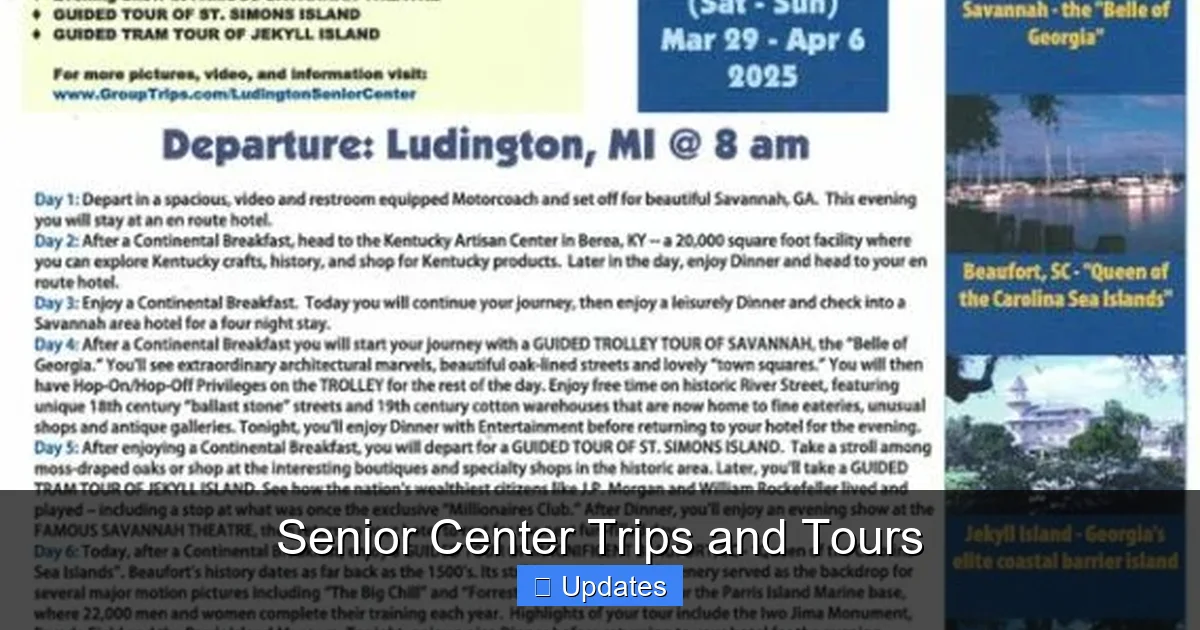
Visual guide about Senior Center Trips and Tours
Image source: uploads.weconnect.com
Local Day Trips
These are the bread-and-butter events of most senior centers—short excursions within driving distance. Think visits to farmers markets, botanical gardens, or downtown art walks. For example, the Free Senior Trips To Sight And Sound program provides regular access to Broadway-style performances and cultural venues at no cost to participants.
Many cities also partner with transit agencies to offer discounted or free bus passes specifically for seniors. In Baltimore, for instance, residents aged 60+ can ride public buses completely free—making spontaneous local explorations possible. The key benefit? No parking hassles, no navigation stress, and no need to rush.
Regional Adventures
Every so often, larger centers coordinate overnight trips to nearby towns or state parks. These might include stays at senior-friendly hotels, guided hikes, or even cooking classes featuring regional cuisine. A popular route in California includes a tour of Napa Valley vineyards with tastings adapted for dietary restrictions and pacing suited to slower mobility.
One such trip organized by the Tom Ison Senior And Veteran Center (you can read more about their services here) takes veterans and seniors to historical sites in the Pacific Northwest, combining education with camaraderie. Meals are provided, lodging is handicap-accessible, and schedules allow time for rest between activities.
Special Interest Excursions
Got a passion for birds? Photography? Local politics? Some centers create niche groups that venture out together regularly. Bird-watching trips to wetlands, digital camera workshops at libraries, or debates at town halls all count as “trips”—and they keep minds sharp while building community.
For those interested in architecture, many urban centers partner with preservation societies to tour landmark buildings. Imagine standing beneath a vaulted ceiling in a 19th-century courthouse or admiring stained glass in a cathedral—all without climbing stairs or waiting in long lines!
Holiday & Seasonal Outings
Winter brings tree lighting ceremonies, holiday bazaars, and gingerbread house contests. Spring kicks off with garden festivals and tulip displays. Summer offers beach days and outdoor concerts, while fall features harvest fairs and pumpkin patches. These themed trips give seniors something to look forward to all year round.
A great example is the annual Christmas market tour run by the East Central Dekalb Community And Senior Center, which includes hot cocoa stops and caroling breaks. Such events aren’t just festive—they’re social magnets that draw in newcomers eager to join the fun.
How to Find and Join Senior Center Trips
Getting started is easier than you think. Most centers publish calendars online or hand them out at weekly meetings. Don’t assume you have to be a member to join—many welcome drop-ins for specific trips. Here’s how to get connected:

Visual guide about Senior Center Trips and Tours
Image source: scvseniorcenter.org
Check Your Local Center’s Website
Sites like Coventry Resource And Senior Center list monthly schedules with details like departure times, costs, and required reservations. Look for icons indicating accessibility features—wheelchair ramps, audio descriptions, or sign language interpreters if needed.
Call Ahead to Confirm Details
Phone calls help clarify last-minute changes or health requirements. Ask: Do I need to bring my own medication? Is there a nurse on board? Can I bring a caregiver? Being prepared prevents surprises.
Arrive Early on Trip Day
Giving yourself extra time means less rushing, better boarding, and peace of mind. If you use oxygen tanks or walkers, tell the driver beforehand—they’ll save you a seat near the door.
Bring Comfort Items
A light jacket, water bottle, and small backpack with essentials (ID, cash, emergency contacts) go a long way. For longer trips, pack snacks approved by dietary guidelines—think fruit cups instead of sugary bars.
Ask Questions During Briefings
Leaders usually explain restroom locations, emergency procedures, and meal plans. Hearing this ahead of time helps anxious travelers feel secure.
Benefits Beyond the Destination
While seeing new places is fun, the real magic of senior center trips happens in the moments between arrivals. Sitting beside someone who speaks your language—literally or culturally—can turn a routine bus ride into a conversation starter. Sharing stories over lunch builds trust. Laughing at a funny tour guide creates memories that last decades.

Visual guide about Senior Center Trips and Tours
Image source: toursofdistinction.net
Physically, walking through museums or parks gently exercises joints and muscles. Mentally, learning about history or science keeps brains active. Emotionally, knowing you belong to a group makes loneliness fade. Studies show socially engaged seniors report higher satisfaction with life, even when facing chronic illness.
Plus, these trips often lead to deeper involvement—maybe volunteering as a docent, joining a planning committee, or mentoring younger attendees. Purpose fuels happiness.
Practical Tips for Making the Most of Your Trips
Want your first few outings to be smooth sailing? Follow these insider suggestions:
- Review the itinerary twice: Note pickup/drop-off times, meal inclusions, and activity durations. Adjust expectations accordingly.
- Dress in layers: Weather shifts happen. Cotton blends wick moisture better than synthetics during exertion.
- Use a buddy system: Pair up with another rider so you watch out for each other during transitions.
- Take photos responsibly: Capture memories, but avoid blocking pathways or disturbing others.
- Give feedback kindly: Suggest improvements gently—positive reinforcement encourages organizers to continue great work.
Remember: flexibility is your friend. If fatigue sets in mid-trip, signal the driver. Most leaders understand energy levels vary day to day. It’s okay to leave early—your well-being comes first.
Overcoming Common Concerns
Doubts about safety, cost, or ability are normal. Let’s address them head-on:
“I’m too slow-moving to keep up.”
False! Centers design trips with pace in mind. Stops happen every hour or so. Guides wait respectfully without pressure. Many routes include benches or shaded areas for breaks.
“It’s too expensive.”
Not necessarily. Programs like Italy Tours For Senior Citizens show international travel can be affordable through nonprofit partnerships. Locally, many trips cost under $10 or are fully subsidized.
“Nobody will talk to me.”
Start small. Smile. Ask about their favorite part of the trip so far. Curiosity opens doors. Within weeks, you’ll recognize faces everywhere.
“What if I get sick?”
First aid kits and emergency protocols are standard. Inform staff immediately if symptoms arise. They’ll contact next-of-kin if necessary—no shame in prioritizing health.
The Ripple Effect of Senior Travel
When one person joins a trip, they inspire others. Word spreads at breakfast tables, in church basements, and over garden fences. Soon, entire neighborhoods discover the joy of exploration. Local businesses see increased foot traffic; museums gain loyal supporters; economies benefit.
Communities that invest in senior programming often see lower healthcare costs down the line. Happier, connected elders require fewer hospitalizations and medication adjustments. It’s a win-win-win.
And culturally, senior voices add depth to public discourse. Their lived experiences enrich tours, lectures, and policy discussions alike. By staying active and mobile, they prove aging doesn’t mean withdrawal—it means contribution.
Looking Ahead: The Future of Senior Center Trips
Technology is changing how these trips operate. Virtual reality previews let riders “visit” destinations before leaving home. GPS trackers monitor vehicles in real time. Online forums connect participants across regions.
Yet human touch remains irreplaceable. Nothing beats the warmth of a handshake, the comfort of familiar voices, and the thrill of collective wonder under a sunset sky.
As populations grow older, demand for meaningful outings will only increase. Cities investing now in accessible infrastructure—ramps, elevators, audio guides—will reap rewards for generations.
If you’ve hesitated to try a senior center trip, consider this: your curiosity matters. Every question you ask, every smile you share, strengthens the fabric of intergenerational understanding. You’re not just going somewhere—you’re becoming part of something bigger.
Conclusion: Your Adventure Starts Today
Senior center trips and tours aren’t luxuries—they’re necessities for healthy, happy aging. They reconnect us to our communities, reignite our passions, and remind us that adventure isn’t limited by age or ability. With thoughtful planning, supportive staff, and open hearts, every outing becomes a celebration of life itself.
So next time you hear about a local event—whether it’s a pottery class at the Waldorf Senior And Recreational Center or a riverboat cruise along the Hudson—take a chance. Step onto that bus. Breathe deep. Look around. Chances are, someone else is wondering the same thing you are: “Will I fit in?” “Is this worth it?” “Can I really do this?”
The answer, like so many good things, is yes—yes you can. And yes, it truly is.
Frequently Asked Questions
Are senior center trips only for active seniors?
No—most centers accommodate varying mobility levels. Wheelchair-accessible vans, seated activities, and flexible schedules ensure inclusion. Always mention any limitations when signing up.
How much do senior center trips cost?
Rates vary widely. Some are free thanks to grants; others charge $5–$25 per person. Check with your local center for specifics. Financial aid may be available for low-income riders.
Can I bring a companion or caregiver?
Yes, many trips allow guests for an additional fee. This supports those who rely on assistance for transportation or supervision.
What should I wear on a senior center tour?
Comfortable, closed-toe shoes and weather-appropriate clothing are best. Avoid loose scarves or dangling jewelry around moving vehicles.
How far in advance should I register?
Typically 1–2 weeks before departure, though some popular trips fill months ahead. Early sign-up ensures your spot and helps organizers prepare appropriately.
Do senior center trips cover transportation costs?
Often yes—many centers contract dedicated shuttle services or use volunteer drivers. Public transit passes may also be included in the fare.