
Senior Allowance Card Real or Fake


Mattress Topper Memory Foam

Slow Cooker Crock Pot

Air Fryer for Easy Cooking
Senior allowance cards are often misrepresented or outright fake. While some government-backed programs offer financial assistance, many online claims about “free” senior cards are scams. This article reveals what’s real, how to verify legitimacy, and where to safely apply for senior benefits. Always research before sharing personal info.
Key Takeaways
- Not all senior allowance cards are genuine: Many online promotions claiming to offer free money or discounts for seniors are fraudulent schemes designed to steal personal information.
- Genuine programs exist through government agencies: Legitimate senior benefit programs like SNAP, Medicare, and local utility assistance are administered by official organizations and require verified documentation.
- Always verify sources before applying: Never provide Social Security numbers or bank details to unsolicited emails or phone calls offering “senior relief cards.”
- Scammers mimic official-looking websites: Fake sites copy real agency logos and language to appear trustworthy—always check URLs and contact the actual organization directly.
- Legitimate cards come with clear terms: Real senior benefit cards outline eligibility, usage rules, expiration dates, and customer support—scam offers rarely do.
- Local senior centers can help navigate benefits: Community programs often assist with applications and provide education on available resources without asking for upfront fees.
📑 Table of Contents
- The Truth About Senior Allowance Cards: Real or Fake?
- What Is a Senior Allowance Card?
- Are There Any Real Senior Allowance Programs?
- Red Flags of Fake Senior Allowance Offers
- How to Verify a Legitimate Senior Benefit Program
- Protecting Yourself From Scams
- Where Seniors Can Safely Access Benefits
- Real Stories: When Seniors Were Victimized
- Final Thoughts: Stay Informed, Stay Safe
The Truth About Senior Allowance Cards: Real or Fake?
If you’re a senior looking for ways to stretch your budget, you’ve probably seen ads, emails, or social media posts touting something called a “senior allowance card.” These promises often sound too good to be true—like free cash, discounted groceries, or instant discounts on utilities. But here’s the honest answer: many of these so-called “allowance cards” are either fake or misleading.
While it’s true that seniors may qualify for various financial assistance programs, the term “senior allowance card” isn’t officially recognized across government systems. Instead, different states and municipalities offer specific benefit cards tied to real programs. The confusion arises when scammers use emotional appeals and false urgency to sell nonexistent services. In this guide, we’ll separate fact from fiction, explain which programs are real, and show you how to protect yourself from fraud.
What Is a Senior Allowance Card?
A “senior allowance card” isn’t a standardized national program. However, some regions use reloadable debit-style cards to distribute benefits such as food aid, rental assistance, or medical subsidies. For example, the Supplemental Nutrition Assistance Program (SNAP) issues EBT cards that look like credit cards but are used primarily for purchasing groceries. Similarly, certain housing or energy assistance programs issue prepaid cards funded by government grants.
Visual guide about Senior Allowance Card Real or Fake
Image source: seniorstrong.org
How Do They Work?
These legitimate cards work like digital wallets. Funds are loaded onto the card by social service agencies, and recipients can use them at approved retailers—just like using cash. Transactions are tracked, and balances update in real time. Unlike gift cards or promotional offers, these are backed by public funds and require strict identity verification.
Common Myths About Senior Allowance Cards
One common myth is that seniors automatically receive a monthly stipend just for being over 65. In reality, most income-based benefits require application and proof of need. Another myth is that anyone can get a “free senior card” online without paperwork. That’s not only false—it’s often how identity thieves operate.
Are There Any Real Senior Allowance Programs?
Yes—but they go by different names depending on location and purpose. Let’s explore the most legitimate ones.
Visual guide about Senior Allowance Card Real or Fake
Image source: greatsenioryears.com
1. SNAP (Food Stamps)
The Supplemental Nutrition Assistance Program provides monthly benefits to low-income individuals, including seniors. Recipients receive an EBT card (Electronic Benefits Transfer), which functions like a debit card. You can use it at grocery stores, farmers markets, and even some online retailers. To qualify, your household income must fall below certain thresholds, which vary by state.
For instance, a single senior in Oregon earning less than $1,500 per month may qualify. The process involves submitting tax returns, proof of residence, and identification. There’s no fee to apply, and help is available through county offices or online portals.
2. LIHEAP (Low Income Home Energy Assistance Program)
This federal program helps seniors pay heating and cooling bills. Some states issue prepaid cards funded by LIHEAP to make payments directly to utility companies. These aren’t “allowance cards” in the sense of giving extra spending money—they’re strictly for energy costs.
In California, for example, eligible applicants receive a one-time annual credit loaded onto a card. You must reapply each year and meet income requirements. Again, no upfront payment is needed, and assistance is means-tested.
3. State-Specific Senior Discount Cards
Several states offer ID cards that grant discounts at pharmacies, museums, and transportation. While not monetary allowances, they provide real savings. In Texas, the Texas Aging & Disability Resource Center issues a card that unlocks discounts on prescription drugs and entertainment venues.
These cards require proof of age and residency but don’t involve large sums of money. They’re regulated and distributed through official channels, making them safe and reliable.
Red Flags of Fake Senior Allowance Offers
Now let’s talk about what to avoid. Scammers prey on vulnerable populations, especially seniors who may be isolated or unfamiliar with digital scams. Here are warning signs to watch for:
Visual guide about Senior Allowance Card Real or Fake
Image source: seniorstrong.org
- Too-good-to-be-true offers: If it sounds like free money for doing nothing, it’s likely a scam.
- Pressure to act fast: Urgent deadlines or threats of losing benefits are tactics used by fraudsters.
- Requests for personal information early: Legitimate programs won’t ask for your SSN or bank account details until after approval.
- Unsolicited calls or emails: Government agencies rarely contact you out of the blue about new benefits.
- Suspicious websites: Fake sites mimic real ones but have slight misspellings or odd domain names (e.g., “seniorbenefitz.org” instead of “seniorbenefits.gov”).
For example, a recent scam claimed seniors could get $500 monthly via a “COVID Relief Senior Card.” Recipients were asked to pay a $10 processing fee—only to never receive anything. This mirrors real cases reported by the FTC and AARP.
How to Verify a Legitimate Senior Benefit Program
When in doubt, verify directly. Here’s how:
- Check official government websites: Use .gov domains. Visit seniorcitizen.gov or your state’s Department of Human Services site.
- Call the agency directly: Don’t use phone numbers from email links. Look up the real number on the official site.
- Visit a local office: Many counties have walk-in centers where staff help with applications in person.
- Use trusted advocacy groups: Organizations like AARP or Area Agencies on Aging offer free guidance.
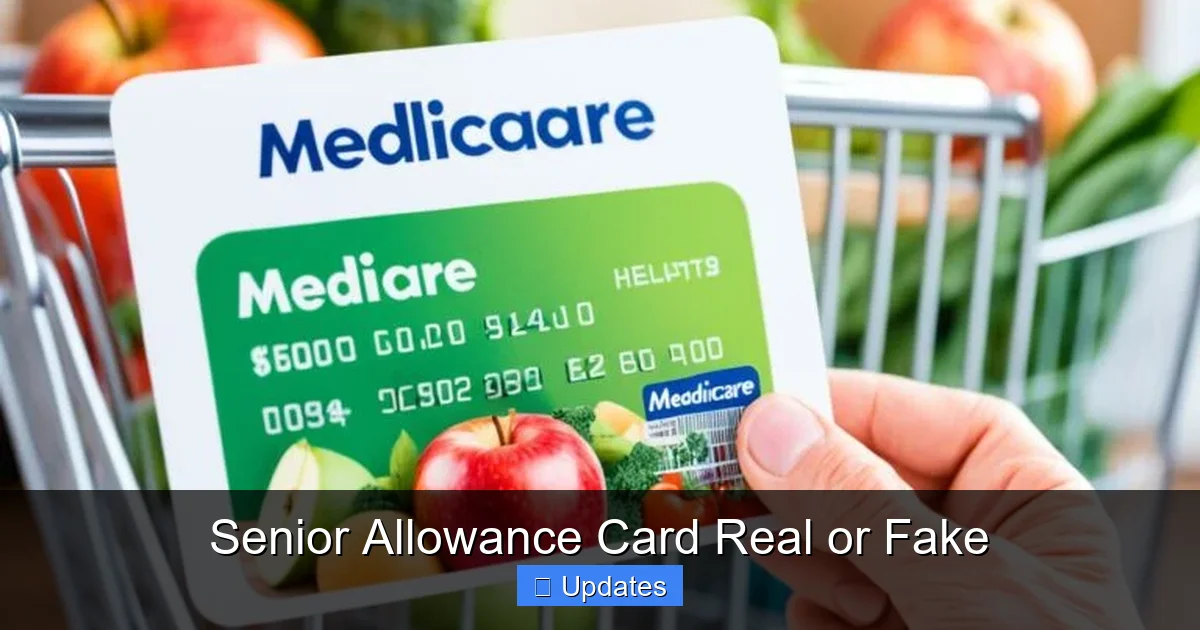
For instance, if someone offers a “Medicare Flex Card,” remember that Medicare doesn’t issue prepaid spending cards. Any product claiming otherwise is likely a commercial scheme, not a government benefit.
Protecting Yourself From Scams
Scammers evolve constantly. Here are practical tips to stay safe:
- Never share PINs or passwords: No legitimate program will ever ask for these over the phone.
- Beware of tech support scams: Calls claiming your computer has viruses to gain remote access are common ruses.
- Freeze your credit reports: This prevents identity theft if sensitive data is compromised.
- Educate yourself regularly: Subscribe to alerts from the FTC or your local police department.
Also, consider involving family members or trusted neighbors. Having someone review suspicious messages adds an extra layer of protection.
Where Seniors Can Safely Access Benefits
If you’re unsure where to start, here are reliable places to seek help:
- Area Agencies on Aging (AAA): Funded by the U.S. Administration on Aging, these agencies connect seniors with services including meal delivery, transportation, and benefit counseling. Find your local AAA at eldercare.acl.gov.
- Social Security Administration: Offers survivor benefits, retirement planning tools, and disability aid. Apply online at ssa.gov.
- State Medicaid offices: Provide health coverage for low-income seniors. Eligibility varies, but many states expanded options under the Affordable Care Act.
Additionally, many community centers host workshops on navigating benefits. Check with places like the Medford Senior Center or Gresham Senior Center for upcoming events.
Real Stories: When Seniors Were Victimized
Consider the case of Margaret, a 78-year-old widow in Ohio. She received an email saying she qualified for a “Senior Wellness Allowance Card” worth $300. After paying a “verification fee” of $25, she never heard back. Her bank account was drained, and her credit score dropped.
Another incident involved a Florida man who called dozens of seniors promising “free grocery cards.” He collected Social Security numbers and used them to file fraudulent tax returns. Both cases ended with victims facing months of recovery efforts.
These stories highlight why caution is essential. Even well-intentioned outreach can turn dangerous when combined with deception.
Final Thoughts: Stay Informed, Stay Safe
The bottom line? Most “senior allowance cards” advertised online are either exaggerated or entirely fake. While legitimate programs exist—SNAP, LIHEAP, state discount cards—they require proper application, documentation, and oversight. Never rush into sharing personal details or paying fees for supposed benefits.
Instead, lean on trusted resources: government websites, local senior centers, and nonprofit advocates. Knowledge is your best defense against scams. And remember, if it feels off, it probably is.
By staying informed and verifying everything, you can access real help without falling victim to fraud. Your safety and peace of mind matter more than any quick fix.
Frequently Asked Questions
Is there a real government senior allowance card?
Yes, but not under that exact name. Programs like SNAP issue EBT cards for food purchases, and some states use prepaid cards for energy or housing aid. These are real but require eligibility verification and application through official channels.
Can I get a free senior allowance card online?
No legitimate program gives away free allowance cards without proper screening. Be wary of offers requiring payment or personal information—these are likely scams aimed at stealing your identity or money.
How do I know if a senior benefit offer is legitimate?
Check if the source uses a .gov website, asks for minimal upfront fees, and directs you to call or visit an official office. Also, research the program name through trusted sources like the Social Security Administration or your state’s human services department.
What should I do if I think I’ve been scammed?
Contact your bank immediately to freeze accounts, report the incident to the FTC at ReportFraud.ftc.gov, and notify local law enforcement. You may also want to place a fraud alert on your credit report.
Do all seniors qualify for financial assistance?
No—most programs base eligibility on income, assets, and household size. Low-income seniors are prioritized, but even middle-income individuals may qualify for certain discounts or services depending on location.
Are senior discount cards the same as allowance cards?
Not exactly. Discount cards (like those for prescriptions or museum entry) save money but don’t provide cash allowances. They’re regulated and issued through official programs, unlike fake “allowance” offers that promise unearned funds.