
Security Guard Jobs for Senior Citizens


Goodbaby No-Touch Forehead Thermometer for Adults and Kids
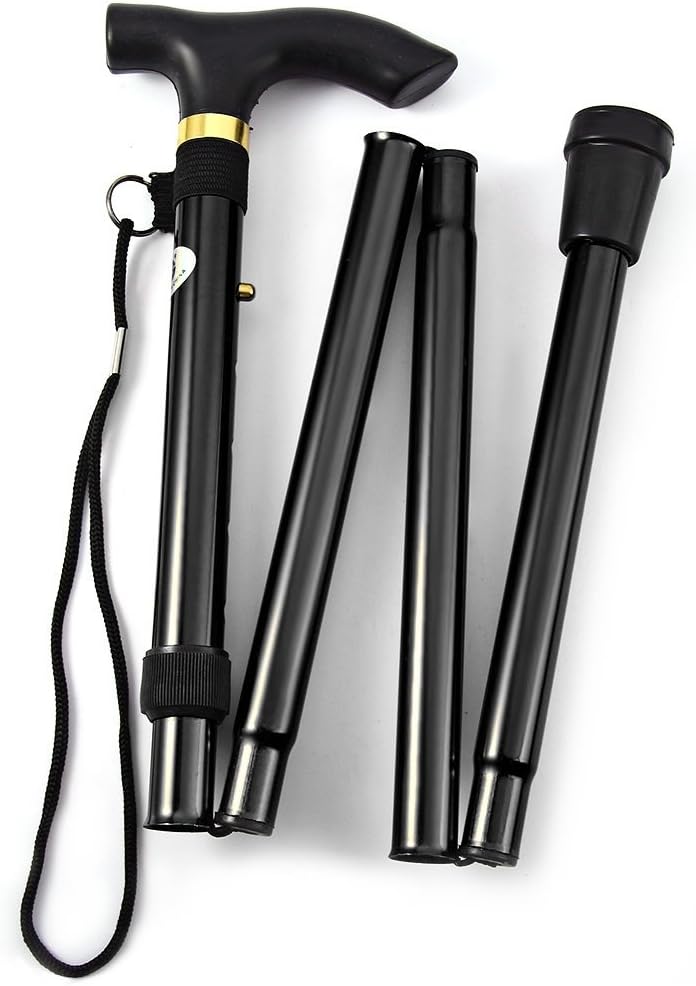
Folding Lightweight Walking Stick - Adjustable Aluminum Travel Cane

Drive Medical Shower Chair with Back
Security guard jobs for senior citizens are growing in popularity as a flexible, low-stress career option that combines safety, social engagement, and steady income. With age-inclusive hiring policies and adaptable shifts, these roles allow older adults to stay active, contribute meaningfully, and maintain independence. Whether guarding retail stores, office buildings, or event venues, seniors bring experience, reliability, and calm professionalism to every assignment.
Key Takeaways
- Flexible Scheduling: Many security guard positions offer part-time or overnight shifts, making them ideal for seniors who want to avoid long hours or early mornings.
- Minimal Physical Demand: Most modern security roles focus on observation, communication, and access control rather than intense physical labor.
- High Employer Demand: Businesses increasingly seek experienced, dependable employees like senior citizens who value consistency and professionalism.
- Training & Certification Available: State-approved training programs are often short (4–8 hours), affordable, and designed for working adults of all ages.
- Steady Income & Benefits: Even entry-level security jobs can provide reliable weekly pay, with opportunities for bonuses, health benefits, or retirement savings plans.
- Mental Stimulation & Purpose: These roles keep seniors mentally sharp, socially connected, and emotionally fulfilled through daily responsibilities and community interaction.
- Career Transition Friendly: Former teachers, nurses, managers, or military personnel often excel in security roles due to their leadership and situational awareness skills.
📑 Table of Contents
- Introduction: Why Security Guard Jobs Are Perfect for Seniors
- Why Employers Love Hiring Senior Security Guards
- Types of Security Jobs Ideal for Seniors
- How to Get Started: Training, Licensing, and Tips
- Real Stories: Seniors Thriving as Security Guards
- Benefits Beyond Paychecks
- Practical Tips for Success
- Conclusion: A Rewarding Second Act
Introduction: Why Security Guard Jobs Are Perfect for Seniors
Have you ever thought about how much your life experience could mean to a business or organization? If you’re a senior citizen—whether you’re 60, 70, or even 80—your wisdom, patience, and strong sense of responsibility are incredibly valuable. One surprising but highly rewarding path is becoming a security guard. Yes, that’s right! Security guard jobs for senior citizens are not only possible but increasingly common across the country. These roles offer more than just paychecks—they provide purpose, routine, and meaningful human connection.
Many seniors find themselves at a crossroads after retirement. The structure of a full-time job disappears, sometimes leaving a void. But staying active, engaged, and earning income doesn’t have to end when you retire. Security work offers a bridge between full-time employment and complete leisure. It keeps you moving, thinking, and interacting with others—all while respecting your energy levels and lifestyle needs. Plus, with today’s technology, many security tasks are less physically demanding than they used to be. You’ll still be on your feet, but mostly observing, communicating, and helping people feel safe.
Why Employers Love Hiring Senior Security Guards

Visual guide about Security Guard Jobs for Senior Citizens
Image source: img.freepik.com
Let’s face it—businesses love hiring experienced workers. And senior citizens bring something rare: reliability. Unlike younger employees who might jump ship for a better gig, many seniors take pride in their work and show up consistently. They understand punctuality, follow procedures, and handle stress calmly. In fact, studies show that older adults often perform better under pressure because they’ve lived through challenges before and know how to stay cool-headed.
Another reason employers favor senior security guards? Their communication skills. After decades of interacting with customers, patients, students, or colleagues, seniors are masters of clear, respectful dialogue. Whether you’re de-escalating a tense situation or guiding someone lost in a mall, your tone and empathy make all the difference. Also, let’s talk about tech adaptability. While some seniors may hesitate with smartphones or apps, most learn quickly when given patient support. Many security firms now use simple tablet-based reporting systems—perfect for those comfortable with basic digital tools.
Finally, there’s the matter of cost efficiency. Hiring experienced staff reduces training time and turnover expenses. A seasoned professional can hit the ground running, reducing risks for both the employer and clients. For companies managing large facilities—like hospitals, schools, or corporate campuses—having trustworthy faces on-site builds public confidence instantly.
Types of Security Jobs Ideal for Seniors

Visual guide about Security Guard Jobs for Senior Citizens
Image source: armourguard.co.nz
Not all security jobs are created equal—and thankfully, there are plenty of options tailored to seniors’ strengths and limitations. Let’s explore the best paths based on location, shift type, and required activity level.
Retail Store Security
Walking through a grocery store, pharmacy, or big-box retailer, you’ve probably seen a quiet, alert person watching from a corner booth or walking the aisles. That’s often a security guard doing rounds. These jobs are perfect for seniors because they involve light movement, regular restroom breaks, and predictable environments. You’ll deter shoplifters, assist customers, and report incidents using simple logbooks or mobile apps. Kroger, Walmart, and Target frequently hire part-time guards—some even offer discounts for senior employees (learn more about Kroger discounts for seniors if you’re interested in bundled benefits).
Office Building & Residential Watch
Ever admired a clean, well-lit apartment complex at night? Someone’s likely keeping watch. Property managers hire security personnel to monitor parking lots, enforce visitor policies, and respond to emergencies. This role suits seniors who prefer stationary work—perhaps sitting in a booth during daytime hours and doing light patrols at night. You’ll interact politely with residents, check IDs, and ensure no unauthorized vehicles enter. It’s peaceful, structured, and rarely chaotic.
Event Security
If you enjoy meeting new people and staying active without heavy lifting, event security might be your calling. Concerts, festivals, trade shows, and holiday markets all need reliable attendants to manage crowds, direct traffic, and watch for suspicious behavior. Shifts are usually 6–8 hours, and you’ll stand or walk slowly rather than run. Plus, you get to see interesting places and people—turning routine duty into social adventure.
Remote Monitoring Roles
For tech-savvy seniors who prefer desk work, remote monitoring centers offer an excellent alternative. You’d sit at a computer screen all day reviewing camera feeds from multiple locations, answering phones, and dispatching help when needed. Training takes just a few days, and many centers provide ergonomic chairs, large monitors, and adjustable lighting for comfort. This role is especially good if you live alone and want to avoid isolation.
How to Get Started: Training, Licensing, and Tips

Visual guide about Security Guard Jobs for Senior Citizens
Image source: jang.com.pk
Getting certified as a security guard isn’t rocket science—but it does require a few steps. Every state has its own rules, but most follow this general path:
First, complete a state-approved training course. These typically cover legal authority, emergency procedures, first aid basics, and conflict resolution. Classes last 4 to 16 hours and cost between $50 and $200. Some community colleges or private schools offer evening or weekend options—ideal for seniors balancing health appointments or family time.
Next, pass a background check. Employers care deeply about integrity, so minor offenses (like expired tags) won’t disqualify you, but serious crimes will. Be honest during screening; honesty builds trust faster than deception.
Then, apply for your license. Most states issue licenses valid for 1–3 years, renewable upon completion of refresher courses. Once licensed, you’re ready to hunt for jobs!
Here’s a pro tip: Dress professionally. Even if you’re guarding a casual venue, wearing neat khakis, a polo shirt, and polished shoes makes you look credible and serious. Confidence matters—even when you’re just standing still.
Networking helps too. Talk to local property managers, attend job fairs at senior centers, or join online groups like “Seniors Seeking Part-Time Work.” Word-of-mouth referrals land more jobs than resumes sometimes.
Real Stories: Seniors Thriving as Security Guards
Meet Margaret, 72, who retired from teaching after 35 years. She started guarding a library downtown to stay active. “People come in looking for books, help, or just a friendly face,” she says. “I’ve helped kids find homework resources, reunited lost seniors with families, and stopped a theft attempt last winter. It feels great to still serve my community.”
Then there’s Robert, 68, a former nurse who now works overnight shifts at a medical campus. “I love knowing I’m protecting doctors and patients,” he shares. “The quiet nights give me time to read or listen to audiobooks. My coworkers say I’m calm under pressure—something I learned treating emergencies.”
Even Dorothy, 79, found joy in mall security near her grandchildren’s school. “Kids wave at me every Friday,” she beams. “And I get free coffee and pastries from kiosks—plus I walk three miles daily. Best of all? I never feel lonely.”
These stories aren’t outliers—they’re proof that age brings unique advantages to security work.
Benefits Beyond Paychecks
Money matters, sure—but it’s not the whole picture. Security guard jobs for senior citizens deliver emotional and cognitive rewards too.
Social interaction combats loneliness, which research links to depression and heart disease. Every day on the job means chatting with coworkers, greeting visitors, or assisting confused shoppers. Those small talks add up—they build friendships and reduce isolation.
Mental stimulation keeps your brain agile. Learning new software, remembering building layouts, and solving minor problems exercises memory and focus. Studies show mentally active seniors have lower rates of dementia.
Sense of accomplishment boosts self-esteem. Knowing you’ve prevented crime, helped someone, or maintained order gives deep satisfaction. Many retirees miss that “mission” feeling—security work restores it gently.
Plus, flexible schedules mean you control your routine. Need a nap midday? Skip the midnight shift. Prefer mornings? Choose daytime gigs. This autonomy supports healthy aging.
Practical Tips for Success
Ready to dive in? Here’s how to shine as a senior security guard:
– **Stay Hydrated & Comfortable:** Wear moisture-wicking fabric and carry water. Use supportive shoes—blisters slow everything down.
– **Use Technology Wisely:** If assigned a radio or app, ask coworkers to walk you through setup once. Practice typing incident reports slowly but accurately.
– **Build Rapport:** Smile, introduce yourself, and remember regulars’ names. People respect kindness more than authority.
– **Know Your Limits:** If stairs tire you out, request ground-floor assignments. If loud noises bother you, ask about quieter zones.
– **Keep Learning:** Take free online courses on de-escalation or CPR refreshers. Employers appreciate initiative.
Remember: You don’t need to be the strongest, fastest, or youngest. You just need to be present, polite, and persistent.
Conclusion: A Rewarding Second Act
Security guard jobs for senior citizens aren’t stopgaps—they’re smart, sustainable careers built on dignity and contribution. As society ages, demand for compassionate, capable helpers grows. Whether you’re guarding a hospital, festival, or neighborhood park, your presence makes spaces safer and friendlier.
This isn’t about slowing down—it’s about evolving. It’s about turning decades of life lessons into everyday heroism. You’ve raised families, led teams, navigated crises. Now, you’re protecting others with grace and grit.
So if you’re retired, restless, or simply ready for a change, consider stepping into a uniform. You’ll earn money, stay sharp, and discover that giving back never gets old. The world needs your calm, your courage, and your quiet strength—right now more than ever.
Frequently Asked Questions
Are senior citizens allowed to become security guards?
Yes, absolutely! Most states allow individuals aged 18 and over to become security guards. There’s no upper age limit—employers value experience, reliability, and professionalism over youth. Many seniors thrive in these roles due to their calm demeanor and strong work ethic.
What qualifications do I need to become a security guard?
You generally need a high school diploma or GED, a clean criminal background check, and completion of a state-approved training course. Some employers prefer candidates with customer service or military experience, but most don’t require college degrees. Physical fitness isn’t usually mandatory unless working in high-risk areas.
Can seniors work overnight security shifts?
Definitely! Night shifts are common and often preferred by seniors who sleep well at night. Many facilities—like hospitals, warehouses, and office parks—need guards during off-hours. These roles typically involve sitting, monitoring cameras, and responding to emergencies, requiring minimal physical exertion.
Do I need special insurance or equipment as a senior security guard?
No special gear is required beyond standard uniforms and radios. However, inform your supervisor if you need accommodations like ergonomic chairs or voice-activated reporting tools. Most companies provide liability insurance and workers’ comp, just like any other job.
How much do senior security guards earn?
Average hourly wages range from $12 to $20 depending on location, facility type, and experience. Part-time roles may pay slightly less but offer flexibility. Overtime, hazard pay, and performance bonuses can increase earnings. In some cases, unionized positions offer health benefits too.
Where can I find security guard jobs near me?
Check local job boards, staffing agencies specializing in security placements, and company websites like Securitas, Allied Universal, or Pinkerton. Also visit senior centers, libraries, or community colleges—they often post openings. Online platforms like Indeed or Snagajob filter by “part-time” and “flexible schedule” tags.