
Rollator vs Cane for Seniors


Automatic Pill Dispenser

Jar Opener for Weak Hands

Heated Blanket
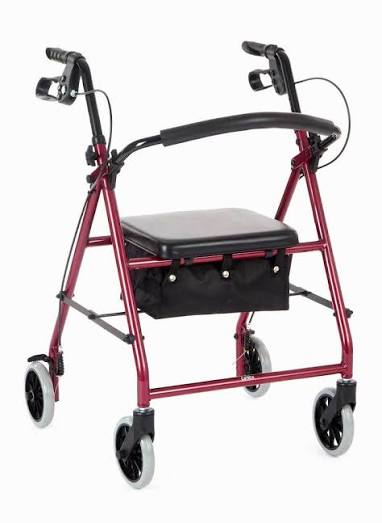
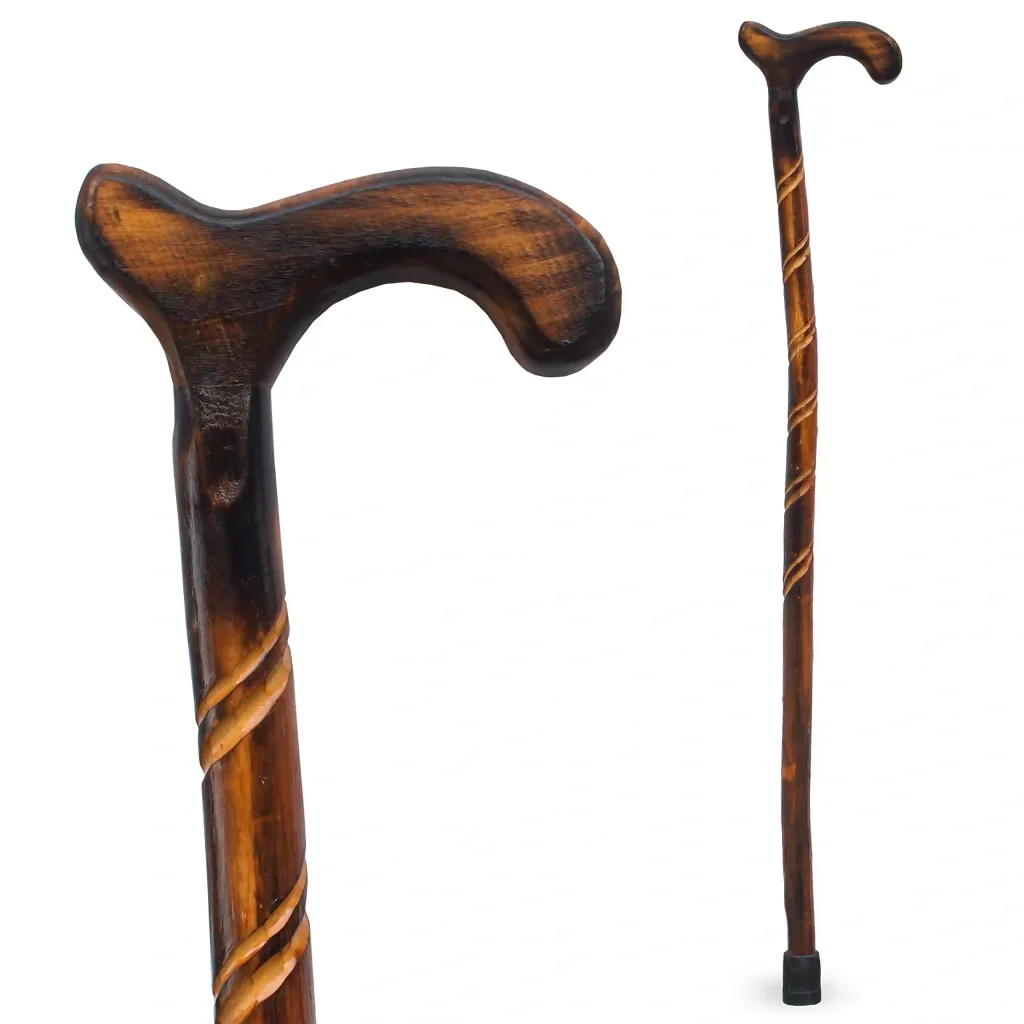
If you are comparing Rollator vs Cane, the main difference is the amount of support each walking aid provides. A cane is simple, light, and easy to carry. A rollator gives more support and usually adds wheels, hand brakes, a seat, and storage.
The right choice depends on how much help you need while walking. A cane may suit someone who needs a little extra balance. A rollator may be more useful when you want a wider support base, easier movement over longer distances, or a place to rest.
The better choice is the one that matches your walking ability, strength, balance, and daily routine.
Quick Comparison
There is no single winner for every senior. A cane is usually better for light support and portability, while a rollator is better when you need more stability and useful features.
A cane is also easier to take on stairs and store in a small space. A rollator can be more practical outdoors because its wheels make it easier to move without lifting the whole frame.
Rollator vs Cane At a Glance
Both can help with mobility, but they serve different needs.
| Feature | Rollator | Cane |
|---|---|---|
| Support | More support | Light support |
| Stability | Wide support base | Limited support base |
| Portability | Less portable | Very portable |
| Wheels | Usually 3 or 4 | No wheels |
| Brakes | Usually hand brakes | No brakes |
| Seat | Often included | No |
| Storage | Basket or pouch often available | Little or none |
| Stairs | More difficult | Easier |
| Outdoor use | Very useful | Useful |
| Space needed | More | Very little |
Rollator Review for Senior Mobility
A rollator is a wheeled walking aid designed for people who need more support than a simple cane can provide. Many rollators have three or four wheels, hand brakes, a seat, and storage.
Ease of Use
A rollator can make walking feel more natural because you usually push it forward rather than lifting it with every step. The wheels can be especially useful for longer walks.
The brakes also give the user more control when stopping or sitting. However, the user needs enough hand strength and coordination to operate the brakes safely.
The correct height matters. A poorly adjusted walking aid can make movement less comfortable and less safe.
Key Strengths
- Provides more support than a cane
- Wheels make movement easier
- Many models include hand brakes
- A seat can provide a place to rest
- Storage can carry small personal items
- Useful for outdoor walking
- Can reduce the need to lift a walking aid
Potential Drawbacks
- Heavier and larger than a cane
- Needs more storage space
- Can be harder to use in narrow rooms
- Requires brake operation
- Not ideal for every type of stair use
- Wheels need regular checking
Cane Review for Simple Daily Support
A cane is a much simpler mobility aid. It can improve balance and provide support after an injury or when someone has a mobility limitation.
Ease of Use
The biggest advantage of a cane is simplicity. There are no wheels, brakes, seats, or complicated parts to operate.
A properly fitted cane should allow a comfortable elbow bend. Mayo Clinic recommends checking that the top of the cane lines up around the wrist crease when the arm hangs naturally.
Grip design also matters. A larger or shaped grip may be more comfortable for someone who has trouble grasping with their fingers.
Key Strengths
- Lightweight
- Easy to carry
- Easy to store
- Simple design
- Works well in small spaces
- Easier to take on stairs
- Usually requires little maintenance
Potential Drawbacks
- Provides less support than a rollator
- Does not provide a seat
- Offers little storage
- Requires good enough balance to use safely
- May not provide enough support for someone who needs a wider base
Which Is Easier for Seniors to Use?
Ease of use depends on the person’s mobility needs.
A cane is simpler to operate. There are no brakes or wheels to manage. It is also easier to carry and store.
A rollator requires more space and some practice. However, its wheels can make longer walks easier because the user does not need to lift the entire device.
For someone who needs only light support, the cane may feel less cumbersome. For someone who needs more walking support, the rollator may be easier in daily use.
| Need | Rollator | Cane |
|---|---|---|
| Simple operation | Good | Excellent |
| More walking support | Excellent | Limited |
| Easy carrying | Limited | Excellent |
| Long walks | Excellent | Good |
| Small rooms | Fair | Excellent |
| Rest breaks | Excellent | No seat |
Performance Comparison
These products should not be judged like two versions of the same product. Their main difference is how much support they provide.
A rollator has multiple contact points and wheels. Many models also have brakes and a seat. This makes the design useful for people who want support during longer walks or need occasional rest.
A cane provides a much smaller support base. Its main advantage is simplicity. It can help with balance while keeping one hand relatively free.
Think of a cane as a light support tool and a rollator as a more complete mobility station.
For someone with significant balance problems, choosing between them should not be based only on convenience. A healthcare provider or physical therapist can help determine which mobility aid is appropriate and fit it correctly.
Comfort, Accessibility, and Senior-Friendly Design
Comfort starts with proper fit.
A cane that is too long or too short can change posture and make walking harder. A rollator that is not adjusted correctly can also place extra stress on the shoulders and back.
| Design Area | Rollator | Cane |
|---|---|---|
| Grip | Usually two grips | One grip |
| Support points | Multiple | One main support point |
| Seat | Often available | No |
| Storage | Often available | Minimal |
| Hand strength | Needed for brakes | Needed for grip |
| Storage space | More space needed | Very little |
A rollator may be more accessible for someone who needs frequent rest. A cane may be more comfortable for someone who wants a compact aid that can be carried easily.
Neither design is automatically better for every older adult.
Features Comparison
The most useful features depend on the user’s daily routine.
| Feature | Rollator | Cane |
|---|---|---|
| Wheels | Yes | No |
| Hand brakes | Usually | No |
| Seat | Often | No |
| Basket | Often | Rare |
| Folding | Common on many models | Usually very easy |
| Height adjustment | Common | Common |
| Replacement tips | Yes | Yes |
Rollator features can add convenience, but they also add weight and complexity. A cane has fewer features because its main purpose is simple support.
Price, Maintenance, and Long-Term Value
Price varies widely by design and brand, so a fixed price comparison would be misleading.
A basic cane generally has fewer parts and lower maintenance needs. The rubber tip should still be checked and replaced when worn.
A rollator has more components. Wheels, brakes, grips, and other parts should remain in good working order. Worn wheels, loose grips, or poorly adjusted brakes can create safety problems.
| Cost Factor | Rollator | Cane |
|---|---|---|
| Initial complexity | Higher | Lower |
| Replacement parts | More | Few |
| Maintenance | Moderate | Low |
| Storage | Requires more space | Very little |
| Long-term convenience | High for frequent users | High for simple support |
The better value depends on whether you will actually use the extra rollator features.
Who Should Choose a Rollator?
A rollator may be worth considering if:
- You want more support while walking.
- You walk longer distances.
- You like having a seat for rest breaks.
- You want to carry small items with you.
- You prefer rolling a mobility aid instead of lifting it.
- You need more stability than a cane provides.
- You regularly walk outdoors.
A rollator is not automatically safer simply because it is larger. Correct fit, proper use, and working brakes are important.
Who Should Choose a Cane?
A cane may be a better fit if:
- You need only light walking support.
- You want something lightweight.
- You have limited storage space.
- You often use stairs.
- You want a simple device.
- You need something easy to carry.
- You do not need a built-in seat or storage basket.
A cane should also be fitted correctly. The wrong height can affect posture and balance.
Rollator vs Cane — Final Verdict
There is no universal winner in the Rollator vs Cane comparison.
Best for more support: Rollator
Best for portability: Cane
Best for rest breaks: Rollator
Best for small spaces: Cane
Best for outdoor walking: Rollator
Best for simple operation: Cane
The key difference is support versus simplicity. A rollator offers more features and a larger support structure. A cane is smaller, lighter, and easier to carry.
Scoring Summary
Because a cane and rollator are designed for different levels of support, numerical scores can give a false sense of precision. A better summary is:
| Category | Rollator | Cane |
|---|---|---|
| Ease of carrying | Moderate | Excellent |
| Walking support | High | Moderate |
| Portability | Moderate | Excellent |
| Outdoor practicality | High | Good |
| Resting convenience | High | Low |
| Simplicity | Moderate | Excellent |
| Storage convenience | High | Low |
These are category-level comparisons, not clinical ratings.
How We Evaluate Products
This comparison focuses on practical factors that matter when choosing a mobility aid:
- Ease of use
- Support and stability
- Comfort
- Accessibility
- Portability
- Maintenance
- Storage
- Safety
- Everyday practicality
- Long-term value
No hands-on testing is claimed here. The comparison is based on product design and current guidance about mobility aids. MedlinePlus notes that some people need professional help selecting and fitting a cane or walker.
Senior-Specific Buying Considerations
Physical Effort
Think about how much lifting, pushing, gripping, or turning the device requires.
A cane is light but requires the user to move it with each step. A rollator rolls forward but requires control of its brakes.
Controls
A cane has very few controls.
A rollator may have hand brakes. Make sure the user can comfortably squeeze and release them.
Maintenance
Check cane tips regularly. For a rollator, check wheels, grips, brakes, and other moving parts.
Storage
A cane can fit beside a chair or in a small closet.
A rollator needs much more floor space, especially if it has a seat and basket.
Setup
Both should be adjusted to the user’s height. Proper fitting is important because an incorrectly fitted mobility aid may be uncomfortable or unsafe.
Safety
If someone has major balance problems, recent injuries, or repeated falls, it is better to ask a healthcare professional or physical therapist which type of mobility aid is appropriate.
Common Buying Mistakes
Avoid these common mistakes:
- Choosing based only on price.
- Buying a cane without checking the correct height.
- Choosing a rollator without checking brake operation.
- Ignoring the amount of storage space available.
- Buying more features than the user needs.
- Assuming a larger mobility aid is automatically safer.
- Forgetting to check rubber tips, wheels, and grips.
Safety
Safety is especially important with walking aids because incorrect use can increase the risk of falling.
Keep the cane tip or rollator wheels in good condition. Use the correct height. Keep floors clear of loose rugs, cords, and clutter. MedlinePlus and Mayo Clinic both recommend attention to the condition and fit of mobility aids.
Do not assume that a rollator or cane is appropriate for every person. If someone is unsure which aid to use, a healthcare provider or physical therapist can help with selection and fitting.
Conclusion
The Rollator vs Cane choice comes down to the level of support and convenience you need. A cane is compact, light, and simple. A rollator offers more support, wheels, brakes, and often a seat and storage.
For light support and easy portability, a cane can make more sense. For people who need more support or want to walk farther with a place to rest, a rollator may be more practical. The safest choice is the one that fits the user’s needs and is properly adjusted and used.