
Best Pureed Foods for Elderly Easy Nutritious Ideas


Kindle E-Reader

Weekly Pill Organizer
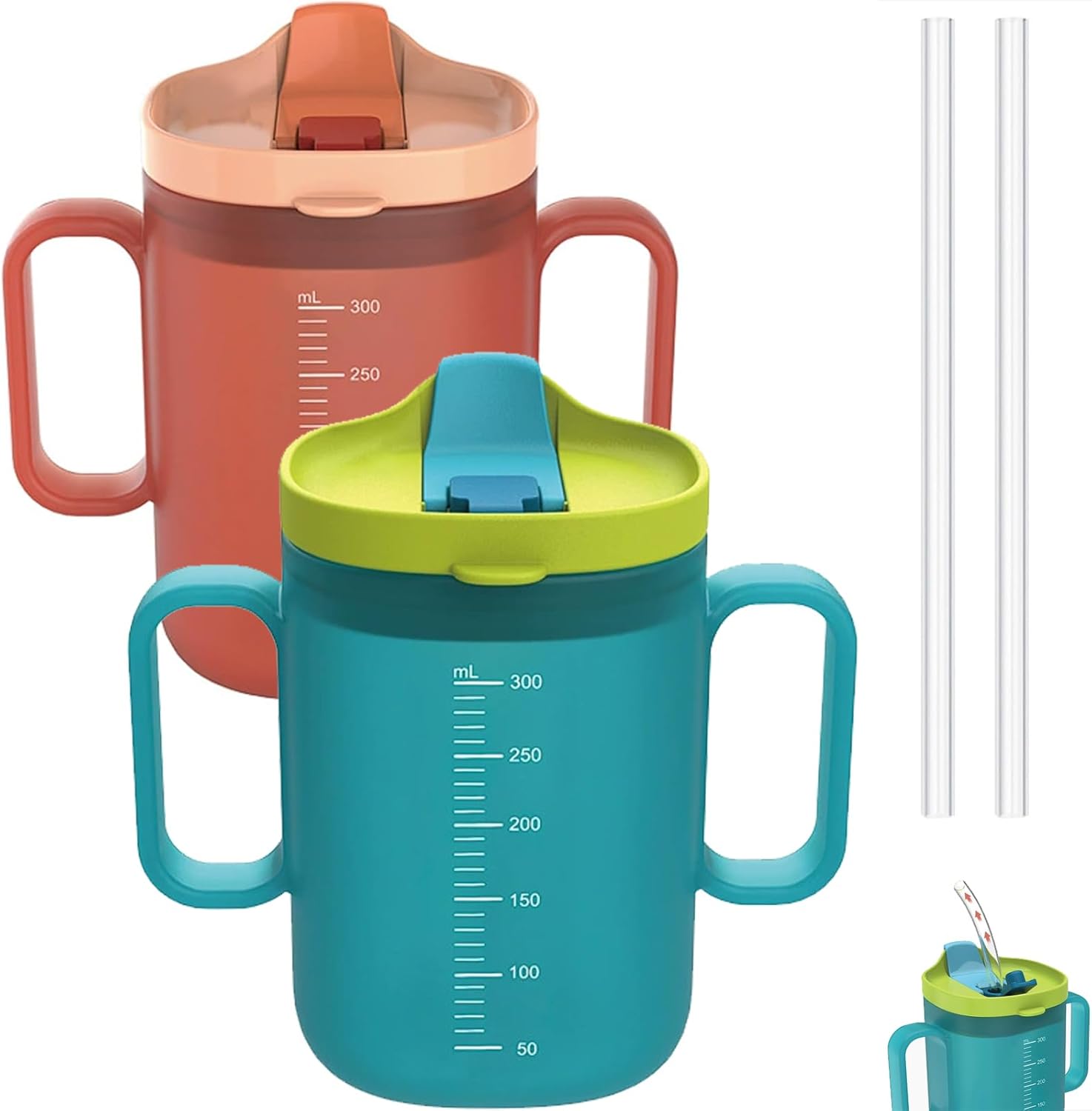
Spill-Proof Adult Cup
Pureed foods for elderly adults should be smooth, moist, and packed with enough protein, calories, and fluids to support daily health. The safest plan is to match texture to swallowing needs and talk to your doctor or healthcare provider if eating becomes difficult.
Pureed foods can make daily meals safer and more comfortable for older adults who have trouble chewing or swallowing. The goal is not just softness, but a meal that still tastes good, looks appealing, and provides enough protein, energy, and hydration.
- Safety first: Purees should be smooth, moist, and lump-free.
- Nutrition matters: Include protein, fluids, and healthy calories.
- Flavor helps: Herbs, broth, and healthy fats can improve taste.
- Watch for warning signs: Coughing, choking, or weight loss needs attention.
Best Pureed Foods for Elderly: What Makes a Meal Nutritious, Safe, and Easy to Eat
When families hear “pureed foods,” they sometimes picture bland baby food. In elder care, though, pureed meals can be carefully prepared to support independence, reduce mealtime stress, and help seniors keep eating well.
At SeniorsProTalk, we focus on practical caregiving choices that are realistic for home kitchens. The best pureed foods for elderly adults are smooth, moist, flavorful, and matched to the person’s needs, especially if appetite is small or swallowing is a concern.
Why pureed foods are often needed in elder care
As people age, chewing can become harder because of missing teeth, dry mouth, dentures that do not fit well, or jaw weakness. Some older adults also have stroke recovery, Parkinson’s disease, dementia, or other conditions that make swallowing less safe.
Pureed foods can lower the effort needed to eat and may reduce the risk of coughing during meals when they are prepared correctly. Still, a pureed diet is not automatically safe for everyone, so talk to your doctor or healthcare provider if swallowing has changed.
Balancing texture, flavor, and nutrition for older adults
A good pureed meal should be smooth enough to swallow comfortably, but not watery or unappetizing. It should also include enough protein, healthy fats, and calories to help maintain strength.
Flavor matters too. Seniors often eat less when food tastes flat or looks unappealing, so the right seasoning and presentation can make a real difference. A small amount of care in texture and taste can turn a difficult meal into one that feels more normal and satisfying.
How to Choose the Right Pureed Foods for Elderly Loved Ones in 2026
Choosing pureed foods is less about following a trend and more about matching the meal to the person. Needs can change with age, medication, illness, dental issues, and recovery after hospitalization, so what works for one senior may not work for another.
Signs a pureed diet may be appropriate
Common signs include frequent coughing while eating, food pocketing in the cheeks, trouble chewing meat or bread, long mealtimes, or refusing tougher foods. Weight loss and dehydration can also be clues that meals are becoming too hard to manage.
If you notice these changes, keep a simple log of what happens during meals. That record can help your doctor, dentist, or speech-language pathologist understand whether a texture change is needed.
Texture levels, swallowing comfort, and appetite considerations
Pureed foods should usually be smooth and even, without lumps, skins, seeds, or dry bits. The right texture depends on swallowing comfort, and some people may need thicker or more stable purees than others.
Appetite matters too. If a senior only wants a few bites, smaller portions served more often may work better than large plates. A warm, familiar food in a smooth texture is often easier to accept than something brand new.
When to follow a doctor’s or speech therapist’s recommendations
If a doctor, nurse, or speech-language pathologist gives texture instructions, follow them closely. These recommendations are often based on swallowing safety, not just preference.
Do not change a prescribed texture level on your own. If the food seems too thick, too thin, or hard to swallow, consult your healthcare provider before adjusting it.
Seek medical advice if eating causes coughing, choking, wet-sounding speech after meals, repeated chest infections, or unexplained weight loss.
Best Pureed Food Ideas for Breakfast, Lunch, Dinner, and Snacks
One of the biggest challenges with pureed meals is variety. Repeating the same textures every day can make seniors lose interest, so it helps to rotate foods across the day.
Protein-rich breakfast options: pureed eggs, oatmeal, yogurt blends
Breakfast can be a good time to add protein and energy early in the day. Pureed scrambled eggs, smooth oatmeal, cottage cheese blends, and yogurt mixed with soft fruit are often easier to manage than dry toast or flaky pastries.
For extra nutrition, blend oatmeal with milk, nut butter, or mashed banana until smooth. If dairy is tolerated, plain Greek yogurt can be a useful base because it is creamy and filling.
Lunch and dinner ideas: blended soups, chicken, fish, beans, vegetables
Blended soups are one of the easiest lunch and dinner choices. Vegetable soup, lentil soup, chicken soup, or split pea soup can be pureed until smooth and served warm with a controlled texture.
Chicken, fish, beans, and cooked vegetables can also be blended with broth or sauce. If the meal needs more flavor and moisture, a little gravy, olive oil, or unsalted broth can help without making the food too dry.
For caregivers looking for more meal-planning support, our guide to senior housing 55 and older may be helpful when thinking about daily support needs, including meal preparation.
Snack and dessert ideas: fruit purees, pudding, avocado blends, smoothies
Snacks can prevent long gaps between meals and may be easier for seniors who eat small amounts at a time. Applesauce, pear puree, pudding, custard, mashed avocado, and smooth smoothies are common options.
Fruit purees can be served plain or mixed with yogurt for more protein. Smoothies should be blended very well and checked for seeds, ice chunks, or stringy bits that could cause swallowing trouble.
How to Make Pureed Meals Taste Better Without Adding Too Much Salt or Sugar
Pureed food does not have to taste dull. With a few simple changes, caregivers can make meals more appealing while still keeping them suitable for older adults with health concerns.
Using herbs, spices, broth, and healthy fats for flavor
Fresh or dried herbs like parsley, basil, dill, and thyme can add flavor without much sodium. Mild spices such as cinnamon, ginger, or turmeric may also work well in the right foods.
Broth, olive oil, avocado, and unsalted butter can improve texture and taste, especially in vegetables, grains, and meats. If a senior has kidney, heart, or blood pressure concerns, talk to your doctor or pharmacist before increasing salt or changing fats.
Improving color, aroma, and presentation to increase appetite
People often eat with their eyes first. Even pureed meals can look more inviting when served in separate sections, topped with a garnish, or placed in a bowl rather than a plain plate.
Try to keep colors varied: orange carrots, green peas, pale potatoes, and soft fruit blends can look more appetizing than one beige mixture. A pleasant smell from warm food can also help trigger appetite.
Many seniors eat better when meals are served in smaller portions more often, instead of one large plate that feels overwhelming.
Adding calories and protein for frail or underweight seniors
If a senior is losing weight or seems weaker, pureed meals may need extra nutrition. Easy additions include powdered milk, yogurt, soft cheese, nut butter, mashed beans, eggs, and smooth lentils.
These changes can make a big difference, but they may not be right for every condition. If there is diabetes, kidney disease, or poor appetite from illness, ask a dietitian or healthcare provider for guidance.
Common Mistakes to Avoid When Preparing Pureed Foods for Elderly Adults
Even well-meaning caregivers can run into problems with pureed meals. A few small mistakes can make food less safe, less nourishing, or simply less pleasant to eat.
Meals that are too thin, too dry, or lumpy
Thin purees may slide too quickly and be hard to control in the mouth. Dry purees can stick to the tongue, while lumps can increase choking risk for someone with swallowing trouble.
The best texture is usually smooth, moist, and consistent. If you are unsure, a speech therapist can show you the right thickness for the person’s swallowing needs.
Ignoring hydration, fiber, and protein needs
Some caregivers focus so much on texture that they forget nutrition. A diet of only smooth starches can lead to low protein, constipation, and weakness over time.
Water-rich foods, pureed fruits, vegetables, beans, and protein sources should all have a place in the meal plan when possible. Hydration is especially important if the senior eats less food overall.
Serving foods that create choking or aspiration risks
Choking happens when food blocks the airway, while aspiration means food or liquid goes into the lungs. Both can be serious, especially for frail seniors.
Foods with skins, seeds, stringy fibers, mixed textures, or crumbs can be risky if they are not fully processed. If the person has a history of aspiration pneumonia or frequent coughing, follow professional swallowing advice closely.
Never assume a food is safe just because it is soft. Some soft foods still break apart in the mouth or become difficult to swallow without the right preparation.
Cost, Convenience, and Comparison: Homemade vs Store-Bought Pureed Foods
Families often ask whether homemade or ready-made pureed meals are better. The answer depends on time, budget, cooking ability, and how consistent the texture needs to be.
Budget-friendly homemade meal prep ideas
Homemade pureed foods can be more affordable, especially when you use leftovers from regular meals. Soups, cooked vegetables, beans, rice, pasta, eggs, and soft fruits can often be blended into several servings at once.
Batch cooking also saves time. You can freeze small portions in labeled containers, then thaw only what is needed for one meal or snack.
When ready-made pureed meals may save time and effort
Store-bought pureed meals can help when caregivers are tired, busy, or unsure about texture consistency. They may also be useful after surgery, during recovery, or when meal prep becomes too hard to manage at home.
Some ready-made options are designed for swallowing safety, but labels vary. Always read ingredients and texture details carefully, and check with your doctor if the senior has special dietary needs.
Comparing nutrition, texture consistency, and overall value
Homemade meals often give you more control over flavor and ingredients. Store-bought meals may offer convenience and more predictable texture, which can matter a lot for swallowing safety.
| Option | Best For | Note |
|---|---|---|
| Homemade purees | Budget control and flavor flexibility | Needs time, planning, and careful blending |
| Store-bought pureed meals | Convenience and consistency | Check sodium, sugar, and ingredient quality |
| Mixed approach | Busy caregivers who still want variety | Often the most practical daily choice |
Coverage for nutrition services, speech therapy, or meal products can depend on diagnosis, provider documentation, and insurance rules. If cost is a concern, ask your pharmacist, healthcare provider, or insurance company what may be covered.
When to Get Professional Help for Swallowing or Nutrition Concerns
Pureed food can help many seniors, but it is not a complete solution if there is an underlying swallowing or nutrition problem. Professional support can make meals safer and less stressful for the whole family.
Warning signs that need medical attention
Watch for coughing or choking during meals, trouble swallowing pills, food coming back up, drooling, wet or gurgly speech after eating, repeated lung infections, or ongoing weight loss.
These signs may mean the swallowing problem is getting worse. Do not wait too long to ask for help, especially if eating has become a daily struggle.
If a senior is eating much less than usual, losing weight, or avoiding meals because of fear of choking, schedule a medical review soon.
How dietitians and speech-language pathologists can help
A dietitian can help build a meal plan that includes enough protein, calories, fiber, and fluids. A speech-language pathologist can assess swallowing and suggest the safest texture level.
Together, they can help caregivers choose foods that are safer and still enjoyable. This can be especially useful when the senior has several health conditions at once.
Special considerations for dementia, stroke recovery, and chronic illness
People with dementia may forget to chew, hold food in the mouth, or become distracted during meals. Those recovering from a stroke may need a different texture on one side of the mouth or a very careful swallowing plan.
Chronic illnesses such as COPD, Parkinson’s disease, cancer, or advanced heart disease can also affect appetite, energy, and swallowing. Because needs vary so much, always consult your healthcare provider before making major diet changes.
Final Recap: The Best Pureed Foods for Elderly Care in a Balanced Daily Routine
The best pureed foods for elderly adults are the ones that are safe, smooth, tasty, and nourishing enough to support daily health. A balanced routine usually includes protein at breakfast, blended soups or soft meals at lunch and dinner, and easy snacks that add calories and fluids.
Key takeaways for safe, appealing, and nourishing meals
Focus on texture first, then flavor, then nutrition. Pureed meals should be moist, lump-free, and matched to the person’s swallowing needs, with enough protein and hydration to support strength.
Encouragement for caregivers to adjust meals based on individual needs
There is no single perfect puree for every older adult. The best approach is to watch how the person eats, adjust carefully, and seek professional guidance when symptoms change.
With patience and a few practical habits, pureed meals can remain dignified, comforting, and helpful in everyday caregiving.
Frequently Asked Questions
Soft proteins, cooked vegetables, fruits, yogurt, oatmeal, beans, eggs, and blended soups are common choices. The best foods are smooth, moist, and easy to swallow.
Use herbs, mild spices, broth, and healthy fats like olive oil or avocado. Good color and presentation can also make meals more appealing.
Not always. The texture must match the person’s swallowing needs, so talk to your doctor or speech therapist before changing food consistency.
Yes, if they are made with enough protein and calories. Smooth additions like yogurt, nut butter, beans, or powdered milk may help, but ask a healthcare provider if there are medical limits.
Both can work well. Homemade meals often cost less and offer more flavor control, while store-bought meals can save time and provide more consistent texture.
Call a doctor if the senior coughs during meals, loses weight, has wet-sounding speech after eating, or gets repeated chest infections. These can be signs that swallowing needs professional attention.