
Nutrition Tips for Elderly Caregivers to Boost Health


LED Clip Reading Light
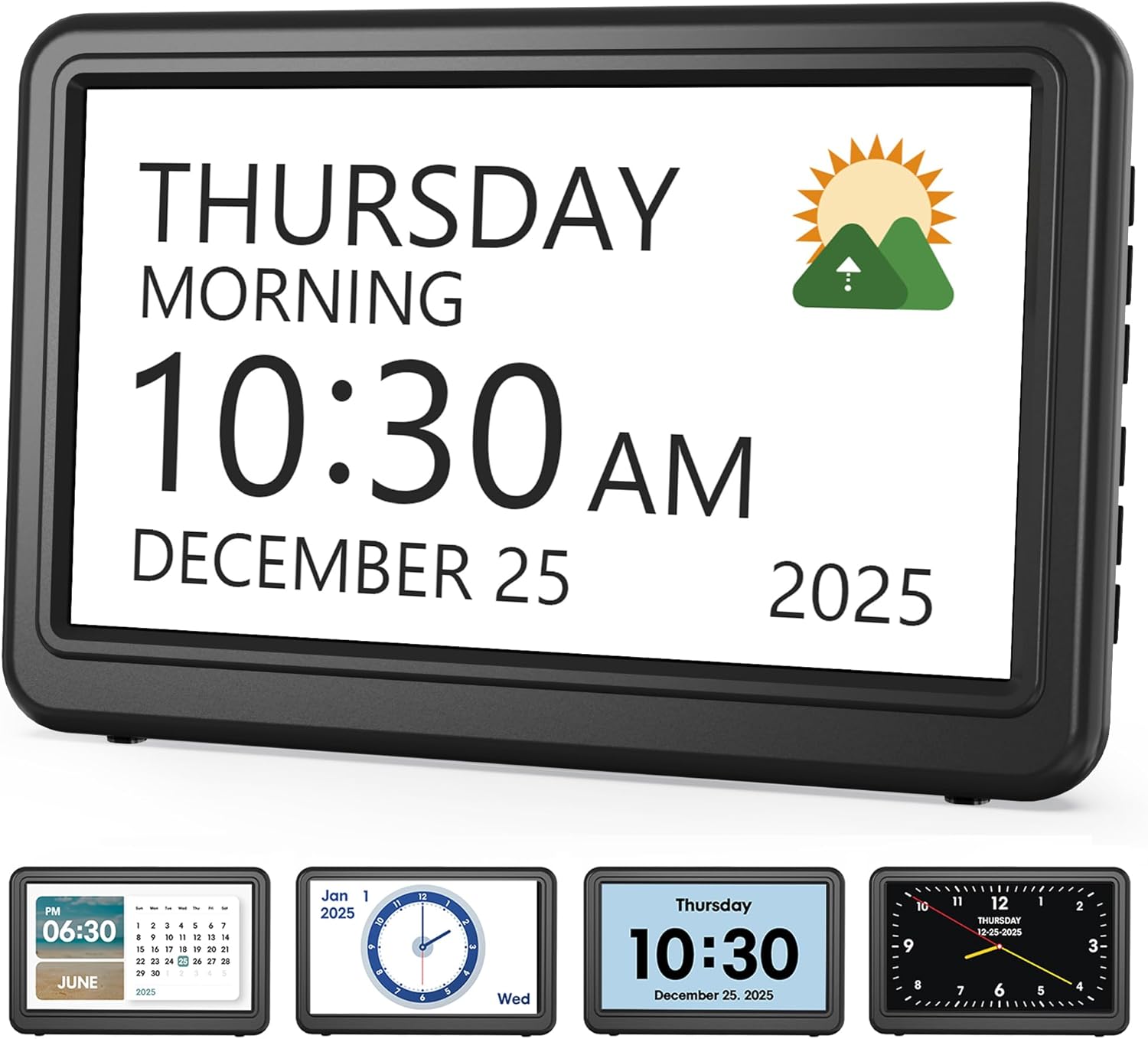
Medication Reminder Alarm

Compression Socks
Older caregivers can boost health by eating regular balanced meals, staying hydrated, and keeping easy snacks ready for busy days. Small, practical habits like batch cooking and choosing affordable nutrient-dense foods can reduce stress and support steady energy.
Caregiving can be deeply meaningful, but it also asks a lot from the body and mind. For many older adults who care for a spouse, sibling, friend, or neighbor, eating well is one of the simplest ways to protect energy, mood, and overall health.
This guide to nutrition tips for elderly caregivers focuses on practical choices that fit real life. You’ll find simple meal ideas, budget-friendly food swaps, and safety reminders that can help you stay strong while caring for someone else.
- Eat regularly: Don’t skip meals during caregiving tasks.
- Build balance: Include protein, fiber, and healthy fats.
- Plan simply: Use repeat meals and batch cooking.
- Shop smart: Frozen, canned, and store-brand foods can save money.
Why Nutrition Matters for Elderly Caregivers in 2026
In 2026, caregivers are often managing more at home than ever before. That may include meals, medications, appointments, transportation, cleaning, and emotional support, all while trying to keep their own health on track.
Good nutrition does not solve every caregiving challenge, but it can make the day feel more manageable. When you eat regularly and choose nourishing foods, you are more likely to have steady energy and a clearer head.
The physical and emotional demands of caregiving
Caregiving can involve lifting, standing, driving, and long stretches without a real break. Even light tasks can feel harder when you are tired, dehydrated, or skipping meals.
There is also the emotional strain. Worry, interrupted sleep, and constant attention to another person’s needs can leave little room for self-care. That is why simple, reliable eating habits matter so much.
How poor eating habits can affect energy, focus, and patience
When meals are missed or too light, blood sugar can dip and leave you feeling shaky, irritable, or foggy. Over time, that can affect patience, attention, and even balance.
Too much caffeine or too many processed snacks may give a short burst of energy, followed by a crash. A steadier pattern of protein, fiber, and fluids is usually easier on the body.
Core Nutrition Tips for Elderly Caregivers to Stay Energized
The best nutrition plan for a caregiver is usually the one you can repeat. You do not need perfect meals; you need dependable ones that fit your schedule, budget, and health needs.
Building balanced meals around protein, fiber, and healthy fats
Try to include a source of protein at each meal, such as eggs, yogurt, beans, fish, chicken, tofu, or cottage cheese. Protein helps support muscle strength and makes meals more satisfying.
Pair that with fiber-rich foods like oats, whole-grain bread, brown rice, fruit, vegetables, and beans. Fiber supports digestion and helps you feel full longer.
Healthy fats from foods such as nuts, seeds, avocado, olive oil, and fatty fish can also help meals feel more filling. If you have heart, kidney, or digestive concerns, talk to your doctor about what balance is best for you.
When you are too busy for a full meal, build a “mini-meal” with one protein food, one fruit or vegetable, and one whole-grain item.
Simple hydration habits for busy caregiving schedules
Many caregivers forget to drink enough water because the day is interrupted so often. Mild dehydration can make you feel tired, headachy, or less focused.
Keep water where you already spend time, such as beside the bed, in the kitchen, or near your chair. Sipping regularly is often easier than trying to catch up later.
If plain water is hard to drink, try broth, milk, herbal tea, or water with lemon or cucumber. If you have fluid limits because of a medical condition, consult your healthcare provider.
Best snack choices for quick, steady energy
Good snacks can prevent the “I forgot to eat” problem. The best choices combine protein or healthy fat with fiber, so energy lasts longer.
Examples include apple slices with peanut butter, yogurt with berries, cheese and whole-grain crackers, nuts, hummus with vegetables, or a hard-boiled egg with fruit. These are usually more filling than candy, chips, or pastries.
Small, regular meals are often easier to manage than three large meals when caregiving interrupts your day. Many older adults find this pattern gentler on appetite and energy.
Meal Planning Strategies That Save Time and Reduce Stress
Meal planning does not need to mean cooking all day on Sunday. It can be as simple as choosing a few repeatable meals and keeping the right foods on hand.
Weekly prep methods for caregivers with limited time
Start by planning just a few meals for the week instead of every single one. Pick options that share ingredients so shopping and prep stay simple.
Wash fruit, chop vegetables, cook a batch of grains, and prepare one or two proteins ahead of time. Even 20 to 30 minutes of prep can make the rest of the week easier.
Select two breakfasts, two lunches, and two dinners you know you can make quickly.
Wash produce, portion snacks, and cook one protein or grain for later use.
Store shelf-stable or frozen options for days when caregiving runs long.
Easy breakfast, lunch, and dinner templates
Templates reduce decision fatigue. Instead of planning from scratch, use a simple structure for each meal.
For breakfast, try oatmeal with nuts and fruit, eggs with toast and tomatoes, or yogurt with berries and granola. For lunch, think soup and sandwich, salad with beans or chicken, or leftovers with fruit.
For dinner, build a plate with a protein, a vegetable, and a starch such as potatoes, rice, or whole-grain pasta. If chewing is difficult, softer textures may work better.
Using leftovers and batch cooking without sacrificing nutrition
Batch cooking can save time, money, and energy. Make extra soup, chili, roasted vegetables, or cooked chicken, then freeze portions for later.
Leftovers are most useful when they are repurposed in different ways. For example, roasted chicken can become a sandwich, soup, or salad topping the next day.
If you are unsure how long food can safely stay in the refrigerator or freezer, check current food safety guidance or ask your healthcare provider if you have special dietary needs.
Budget-Friendly Food Choices and Cost Comparison Tips
Healthy eating does not have to be expensive. Many nutrient-dense foods are affordable, especially when you compare options carefully and shop with a plan.
Affordable nutrient-dense foods for older adults and caregivers
Some lower-cost staples offer excellent nutrition: oats, brown rice, beans, lentils, eggs, peanut butter, canned tuna, frozen vegetables, plain yogurt, and seasonal fruit. These foods can stretch into several meals.
Buying store brands can also help, especially for basics like oats, frozen produce, and canned beans. If you have trouble chewing or digesting certain foods, choose softer options that still fit your needs.
Comparing fresh, frozen, canned, and prepared options
Fresh foods are wonderful, but they are not always the best choice for every situation. Frozen and canned items can be just as useful, and they often reduce waste because they last longer.
| Option | Best For | Note |
|---|---|---|
| Fresh produce | Meals you will use soon | Great taste, but may spoil faster |
| Frozen produce | Convenience and lower waste | Often just as nutritious as fresh |
| Canned foods | Fast pantry meals | Choose low-sodium or no-salt-added when possible |
| Prepared foods | Very busy days | Check sodium, sugar, and portion size carefully |
How to stretch a grocery budget without relying on processed foods
Plan around sales, use coupons only for foods you already eat, and build meals from inexpensive staples. A pot of bean soup or vegetable chili can cost far less than repeated takeout.
When possible, compare the price per serving rather than the price on the shelf. That gives a better picture of value, especially for protein foods and packaged items.
If grocery costs are becoming difficult, ask about local senior meal programs, community food resources, or benefits counseling. Medicare usually does not pay for routine groceries, but coverage for nutrition counseling or related services may vary by plan and health condition.
Nutrition Mistakes Elderly Caregivers Commonly Make
Many caregivers know what to do, but daily pressure makes it hard to follow through. Recognizing common mistakes can help you make a few realistic changes.
Skipping meals during caregiving duties
It is easy to tell yourself you will eat “after this one task,” and then the day gets away from you. Skipping meals can lead to low energy, irritability, and overeating later.
Try to eat at set times when possible, even if the meal is small. A sandwich, soup, yogurt, or leftovers are better than waiting too long.
Relying too heavily on convenience foods and caffeine
Convenience foods have a place, especially on hard days. The problem comes when they become the default because they often lack fiber and may be high in sodium or added sugar.
Caffeine can help you feel more awake, but too much may worsen sleep, jitters, or stomach upset. If you are using caffeine to replace meals, it may be time to reset your routine.
Ignoring personal dietary needs while focusing on the care recipient
Caregivers often prepare meals for someone else and then eat whatever is left, or nothing at all. Over time, that can make it harder to manage your own diabetes, blood pressure, digestion, or weight.
Your needs matter too. If you have a special diet, talk to your doctor, dietitian, or pharmacist about how to fit it into caregiving life.
If you have diabetes, kidney disease, heart failure, or another condition that changes what you should eat or drink, do not copy a general caregiver meal plan without medical advice.
Special Dietary Needs and Safe Food Choices for Older Adults
Older adults often have more than one health concern at once. That makes food choices more personal, and sometimes more complicated.
Adjusting meals for diabetes, high blood pressure, and digestive concerns
For diabetes, regular meals with balanced carbohydrates, protein, and fiber can help keep blood sugar steadier. For high blood pressure, lower-sodium meals and less processed food may be helpful.
If digestion is a concern, simpler meals may be easier to tolerate. Some people do better with smaller portions, softer foods, or less greasy cooking methods.
Because needs vary, ask your doctor or dietitian before making major changes, especially if weight loss, low appetite, or medication changes are involved.
Texture changes, appetite loss, and swallowing considerations
Some older adults need softer foods because chewing is tiring or swallowing is difficult. Options like oatmeal, mashed vegetables, yogurt, scrambled eggs, soups, and tender fish may be easier to manage.
Appetite loss is also common. In those cases, smaller meals and nutrient-rich snacks can be more helpful than large plates of food.
If swallowing is painful, food “sticks,” coughing happens during meals, or weight is dropping without trying, seek medical advice promptly. These can be signs of a problem that needs evaluation.
Medication and food interactions caregivers should watch for
Some medicines can be affected by food, alcohol, or supplements. That is why it is wise to consult your pharmacist before adding herbal products, protein shakes, or major diet changes.
Timing can matter too. Certain medicines work better with food, while others should be taken on an empty stomach. The details depend on the specific medication, so always check with a healthcare provider.
When to Seek Help from a Doctor, Dietitian, or Care Team
Good caregiving includes knowing when support is needed. If food and energy are becoming hard to manage, professional help can make a real difference.
Warning signs of malnutrition, dehydration, or unintended weight loss
Watch for weakness, dizziness, confusion, dry mouth, poor appetite, loose clothing, skipped meals, or weight loss that was not planned. These may point to nutrition or hydration problems.
If the senior you care for is eating much less than usual, or if you are too exhausted to eat properly yourself, it is time to ask for help.
When caregiver fatigue may require professional support
If you feel burned out, overwhelmed, or constantly behind on meals, your own health may be slipping. Caregiver fatigue can build slowly, and poor nutrition often makes it worse.
Support may come from family, respite care, meal delivery, a social worker, or a community program. The right help can free up time to eat, rest, and recover.
How expert guidance can improve both caregiver and senior health
A registered dietitian, doctor, or pharmacist can help tailor meals to health conditions, medications, chewing issues, and budget limits. That advice is often more useful than following generic advice online.
If you use Medicare or private insurance, nutrition counseling coverage may depend on diagnosis, plan rules, and referral requirements. It is worth checking before you schedule care.
Final Recap: Practical Nutrition Habits That Support Caregivers Every Day
The best nutrition tips for elderly caregivers are usually the simplest ones: eat on a schedule, keep easy foods ready, drink fluids often, and avoid letting caregiving tasks push your meals aside.
Small changes can add up. A better snack, a batch-cooked soup, or a water bottle within reach may not look dramatic, but these habits can support steadier energy and a calmer day.
Key takeaways for maintaining health, energy, and consistency
Focus on balanced meals with protein, fiber, and healthy fats. Choose affordable staples, use frozen and canned foods wisely, and keep backup meals available for busy days.
Small changes that make nutrition sustainable long term
Start with one habit you can keep, such as eating breakfast, drinking water at set times, or preparing two extra servings at dinner. Sustainable nutrition is not about perfection; it is about making your daily routine easier to maintain.
If you are unsure what is best for your health or the person you care for, talk to your doctor, consult your pharmacist, or ask a dietitian for guidance.
Frequently Asked Questions
Aim for balanced meals with protein, fiber, and healthy fats. Simple options like eggs, yogurt, beans, fruit, and whole grains can help support steadier energy.
Use simple meal templates, batch cook when you can, and keep easy snacks on hand. Frozen vegetables, canned beans, and leftovers can make quick meals more realistic.
Good snacks combine protein or healthy fat with fiber. Examples include nuts, yogurt with fruit, cheese and whole-grain crackers, or apple slices with peanut butter.
Plan meals around low-cost staples like oats, beans, eggs, rice, and frozen vegetables. Comparing price per serving and using leftovers can also help stretch your budget.
Talk to your doctor if you notice weight loss, dehydration, weakness, or ongoing poor appetite. Also seek advice if a health condition or medication changes what you should eat.
Yes, softer foods and smaller meals may be easier to manage, but swallowing problems should be checked by a doctor. Coughing during meals or food sticking are warning signs.