
Plaza at Wildwood Senior Living


Anti-Slip Shower Stickers

Smart Doorbell Camera
Medical Alert System
Plaza at Wildwood Senior Living is a premier senior community designed to support every stage of aging with dignity and joy. It provides a full continuum of care—from independent living to assisted living and specialized memory care—all within a resort-style setting. Residents enjoy chef-prepared dining, engaging activities, and 24/7 staff support, creating a true “home away from home” where families find peace of mind.
Key Takeaways
- Understanding plaza at wildwood senior living: Provides essential knowledge
📑 Table of Contents
- Welcome to Your New Chapter: An Introduction to Plaza at Wildwood Senior Living
- The Plaza at Wildwood Difference: Philosophy, Location & First Impressions
- Understanding Your Care Options: From Independent Living to Specialized Memory Support
- Life Enrichment & Amenities: More Than Just a Place to Live
- A Day in the Life: The Real Rhythm of Community Living
- Financial Considerations: Understanding Costs and Value
- Making the Decision: Is Plaza at Wildwood Right For You?
Welcome to Your New Chapter: An Introduction to Plaza at Wildwood Senior Living
Let’s have a real talk about senior living. The words themselves can feel heavy, can’t they? They often come with a swirl of emotions—worry for a parent, guilt about “giving up,” or confusion over a mountain of options. But what if we reframed it? What if, instead of a last resort, we saw it as a next chapter? A chapter filled with freedom from home maintenance, new friendships, chefs who cook for you, and a team of caring professionals dedicated to your well-being. That’s the promise of a place like Plaza at Wildwood Senior Living. It’s not just a building; it’s a community built on the idea that aging should be about living fully, with the right support woven seamlessly into a vibrant, beautiful environment.
Imagine trading the loneliness of a big house for a bustling neighborhood where someone always says hello. Picture trading the stress of cooking every meal for a chef-prepared dinner with friends. This is the shift Plaza at Wildwood facilitates. It’s designed for seniors who are finding that the tasks of daily life—managing medications, keeping up with a yard, or simply navigating a two-story home—are becoming more challenging. It’s also for families who are gently suggesting, “Mom, Dad, let’s find a place where you can thrive and we can stop worrying.” Whether you’re exploring options for yourself or a loved one, understanding what this community offers is the first, most important step. In this guide, we’ll walk through everything—from the care levels to the daily rhythm of life—so you can see if this is the “next chapter” you’ve been looking for.
The Plaza at Wildwood Difference: Philosophy, Location & First Impressions
A Philosophy Rooted in Choice and Dignity
At its heart, Plaza at Wildwood operates on a simple but powerful philosophy: residents choose how they want to live. This isn’t a one-size-fits-all institution. From the moment you walk into the sun-dappled lobby, the goal is to make you feel you’ve arrived somewhere welcoming and personal. The leadership team emphasizes “person-centered care,” which means every routine, every activity, and every interaction is tailored to the individual. It’s the difference between a schedule that dictates your day and a routine that supports your preferences. This philosophy is evident in everything from the flexible dining hours to the way staff learn residents’ life stories and favorite coffee orders.
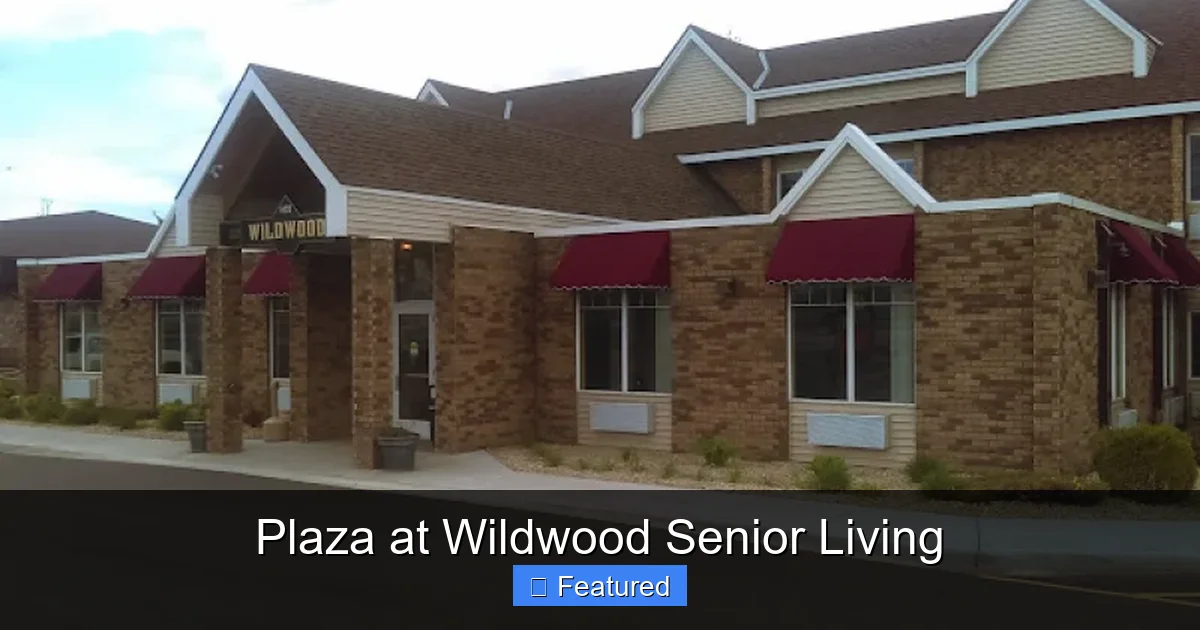
Visual guide about Plaza at Wildwood Senior Living
Image source: seniorliving.com
Many families note that the atmosphere feels more like an upscale apartment complex or a boutique hotel than a traditional “nursing home.” There’s a deliberate effort to eliminate institutional smells, sounds, and layouts. Instead, you’ll find warm lighting, home-like decor, and plenty of windows looking out onto beautifully landscaped grounds—often with a charming, wooded “wildwood” feel that provides a sense of peace and connection to nature. This environment is carefully curated to reduce stress and promote a sense of belonging, which is crucial for emotional well-being as we age.
Location, Location, Location: Convenience Meets Serenity
While specific addresses vary, Plaza at Wildwood communities are strategically placed. They typically offer the best of both worlds: a tranquil, park-like setting that feels removed from the hustle, yet with easy access to shopping, medical centers, pharmacies, and family homes. This balance is critical. Seniors want to feel they’re in a safe, quiet enclave, but they also need to be near the essentials—and their loved ones. Easy access to major highways or main roads means family visits are convenient, and running a quick errand to the grocery store or doctor’s appointment doesn’t require a major expedition.
When touring, pay attention to the immediate neighborhood. Is there a sidewalk for a safe walk? Are there benches under trees for a rest? Is there a nearby park or church? These small details contribute massively to a resident’s sense of integration with the broader community. The ideal location removes the isolation of a remote “senior compound” while preserving the calm needed for relaxation and recovery.
Your First Visit: What to Expect
So, you’ve called and scheduled a tour. What happens next? A good visit at Plaza at Wildwood is less of a sales pitch and more of a discovery. You should be greeted warmly by a resident ambassador or a lifestyle director, not just a salesperson. They’ll give you a genuine tour—showing you model apartments, the dining room in action, the activity room where a painting class might be underway, and the quiet corners where someone might be reading. Ask to see a resident’s room that isn’t a “model” to get a real feel for the space. Most importantly, the staff should spend more time listening to your specific concerns—about Mom’s arthritis, Dad’s love for crossword puzzles, or your worries about nighttime safety—than talking at you. The best communities use the first visit to start building a relationship and understanding your unique story. You should leave feeling informed, not pressured, with a clear picture of daily life.
Understanding Your Care Options: From Independent Living to Specialized Memory Support
One of the most significant advantages of a Life Plan Community like Plaza at Wildwood is the continuum of care. This is your safety net. Life changes. Health needs evolve. The last thing any family wants is to have to move a loved one again because their needs outgrew their current home. Here’s a clear breakdown of the levels typically offered, so you can see how they interconnect.
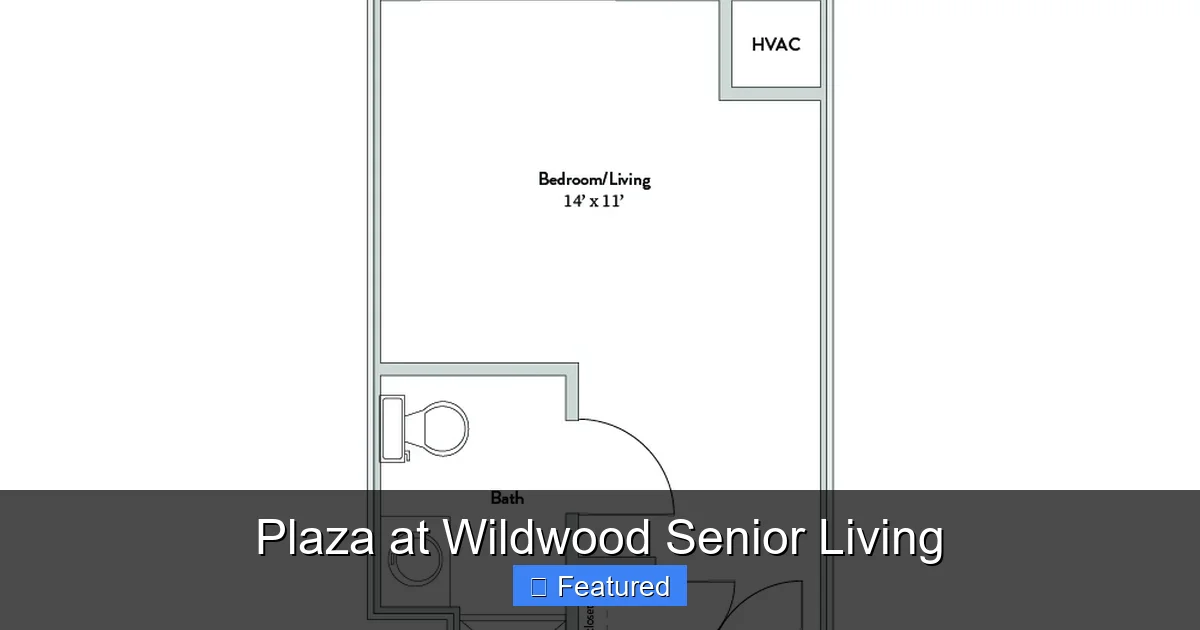
Visual guide about Plaza at Wildwood Senior Living
Image source: wildwoodseniorliving.com
Independent Living: The Freedom of Maintenance-Free Living
Think of this as “active adult” or “retirement” living. It’s for seniors who are fully capable of living on their own but are ready to downsize and trade the burdens of homeownership for a carefree lifestyle. The apartments or villas are stylish, modern, and often include features like no-step entries, full kitchens, and private balconies or patios. The magic here is in the included services: all exterior maintenance, landscaping, utilities, and housekeeping are handled. You pay one monthly fee and the headaches of a house vanish. This is where you find your tribe—joining book clubs, fitness classes, and social hours without having to drive anywhere. Many residents in this level are still driving and active, but they crave the social stimulation and convenience. It’s about enhancing an already good life, not about needing care.
Assisted Living: Support with Daily Routines, Preserving Independence
This is the level where “support” becomes the keyword. Assisted Living is for individuals who need help with one or more Activities of Daily Living (ADLs) like bathing, dressing, grooming, medication management, or mobility. The key is that they do not require 24/7 skilled nursing. At Plaza at Wildwood, this looks like a compassionate aide coming to your apartment at your preferred time to help with a shower or getting dressed. Medication technicians ensure pills are taken correctly. The goal is always to support the resident’s independence—helping them do what they can, and assisting only with what they cannot. The environment remains residential and social, not clinical. Residents in Assisted Living still eat in the main dining room, join activities, and have full access to the community. It’s a subtle shift from “I live here” to “I live here with a little help,” which makes all the difference in preserving dignity.
Memory Care: A Secure, Specialized Haven for Dementia & Alzheimer’s
For families navigating Alzheimer’s disease or other forms of dementia, this is often the most critical and emotional decision. Plaza at Wildwood’s Memory Care neighborhood (sometimes called a “ secured unit” or “neighborhood”) is a separate, dedicated wing or building designed from the ground up for cognitive impairment. The design is paramount: it’s secure to prevent wandering but doesn’t feel locked up. Hallways may be circular to reduce anxiety, color-coded for wayfinding, and filled with nostalgic memorabilia. Staff here are extensively trained in therapeutic communication, validation therapy, and managing behavioral symptoms. The programming is not just busy work; it’s purposeful, engaging, and designed to spark joy and reduce agitation—think music therapy, simple gardening, or sensory activities. The ratio of staff to residents is higher here than in other areas, ensuring constant, gentle supervision and engagement. This level provides families with the ultimate relief: knowing their loved one is in a place that understands their reality and keeps them safe, engaged, and comforted.
Life Enrichment & Amenities: More Than Just a Place to Live
What makes a senior community truly feel like home? It’s the rhythm of the day. It’s the things you look forward to. At Plaza at Wildwood, the amenities and activity program are not afterthoughts; they are central to the mission of fighting isolation and promoting vitality. This is where the “vibrant community” promise comes to life, day in and day out.
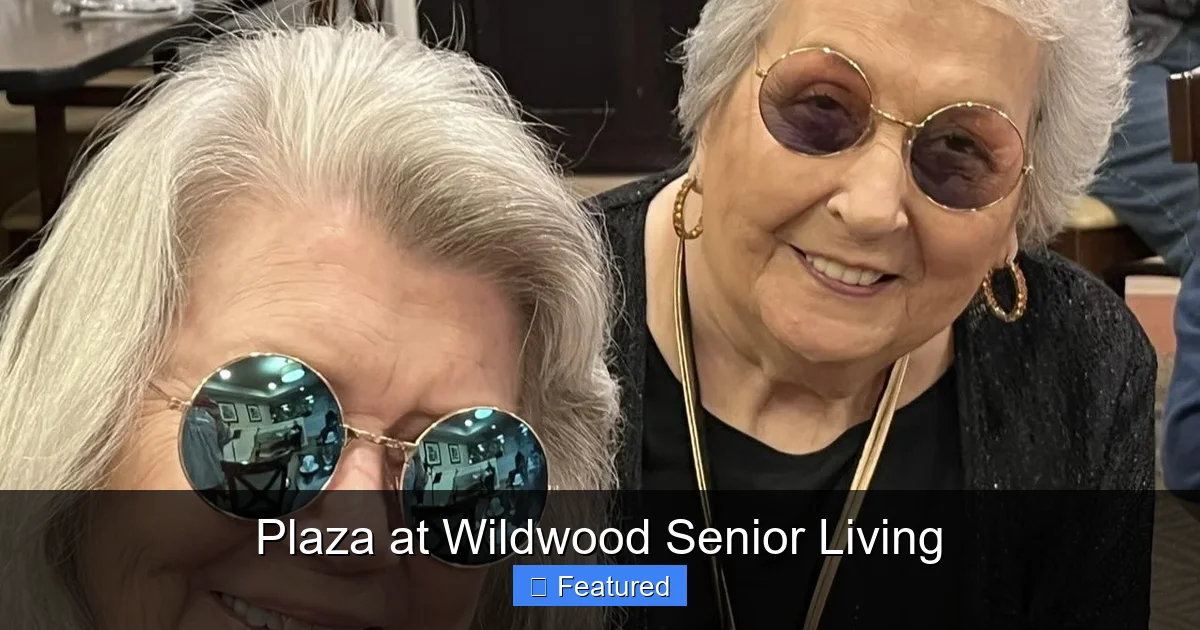
Visual guide about Plaza at Wildwood Senior Living
Image source: wildwoodseniorliving.com
Dining: A Social & Culinary Centerpiece
Forget the idea of institutional “ mush.” Dining here is an event. Meals are served restaurant-style in an elegant dining room with linen tablecloths and real china. Menus are created by chefs and change frequently, featuring fresh, seasonal ingredients. There are always multiple choices—a meat, a fish, a vegetarian entrée, a salad bar, and a “always available” option like a grilled cheese or burger for those with simpler tastes. Dietary needs are meticulously accommodated, from low-sodium and diabetic-friendly meals to pureed options. But the food is only half the story. The dining room is the social hub of the community. Residents gather for breakfast to discuss the news, for lunch with friends, and for dinner with family. This daily ritual is a powerful antidote to loneliness. Many families share that seeing their parent’s appetite and social engagement improve after moving in is one of the first and most heartwarming signs they made the right choice.
Fitness, Wellness & Recreation: Keeping Body and Mind Active
Staying active is non-negotiable for healthy aging. The community boasts a fitness center with senior-friendly equipment, often with a trainer or physical therapist available for consultations. Daily exercise classes range from gentle chair yoga and water aerobics (if there’s a pool) to more vigorous balance and strength sessions. Beyond physical fitness, the wellness program is holistic. It might include:
- Brain Health Workshops: Sessions on memory games, learning new skills, or technology basics.
- Spiritual Wellness: Interfaith services, meditation groups, or transportation to local places of worship.
- Creative Arts: Fully stocked art studios, pottery wheels, choir practice, and group outings to museums or theaters.
The activity calendar is packed and diverse—from current events discussions and book clubs to gardening in the raised beds, bocce ball on the green, and movie nights in the on-site theater. The key is choice. No one is forced to participate, but there is always something compelling happening that aligns with a resident’s interests.
Common Spaces & “Third Places”
Beyond the big venues, it’s the smaller “third places” that foster casual connection. A cozy library with a fireplace. A sunroom with comfortable chairs and a view. A beauty/barber salon where residents can get a trim without leaving campus. A putting green or shuffleboard court for a quick game. A secured courtyard with walking paths and gardens. These spaces invite spontaneous interaction—a chat over the newspaper, a shared puzzle, or just watching the birds. They transform the campus from a place you *live* to a place you *love*.
A Day in the Life: The Real Rhythm of Community Living
Theory is nice, but what does a typical day actually look like? Let’s follow “Margaret,” a fictional but representative resident in the Independent Living section, to paint a picture.
7:30 AM: Margaret wakes in her one-bedroom apartment, opens her balcony door to the morning birdsong, and enjoys her coffee in her pajamas. No rush. She knows breakfast is served until 9:30.
8:30 AM: She strolls to the dining room, greeting neighbors by name. Today, she chooses the omelet station, made to order with fresh veggies. She sits with her “breakfast club” and discusses the local news.
10:00 AM: A gentle reminder chime signals the start of the water aerobics class in the indoor pool. Margaret, a former swimmer, loves this. Afterward, she showers in her apartment (with a handy grab bar she requested) and gets ready for the day.
1:00 PM: Lunch is a social affair—she meets her daughter for the chef’s special (chicken piccata) in the private dining room. After, they walk the secured garden path, pointing out the new roses.
3:00 PM: Margaret attends the “Travelers Club” meeting, where a local historian gives a talk on Paris. She’s always wanted to visit.
6:00 PM: She enjoys a lighter dinner—soup and salad—with friends. They plan to play cards later in the game room.
8:30 PM: After a chapter of her book in the library, she heads back to her apartment, secure in the knowledge that if she needed help in the night, a simple button press brings staff immediately. She sleeps soundly in her quiet, comfortable home.
This rhythm is adaptable. For someone in Assisted Living, it might include a mid-morning visit from an aide to help with dressing. For a Memory Care resident, the schedule is more structured and simplified, with frequent redirection, sensory activities, and heightened supervision, all delivered with patience and warmth. The beauty is that the framework is there, but the day belongs to the resident.
Financial Considerations: Understanding Costs and Value
Decoding the Monthly Fee: What’s Included?
Let’s be transparent about money. The monthly fee at Plaza at Wildwood Senior Living is comprehensive, which is a major value driver. Unlike aging in place where you pay a mortgage, utilities, insurance, property tax, lawn care, and then add on home health aide costs, here it’s one predictable payment. This fee typically includes:
- apartment rental or ownership (if it’s a CCRC with an entrance fee)
- All utilities (electric, water, gas, trash, cable, internet)
- Three chef-prepared meals daily, plus snacks
- Weekly housekeeping and linen service
- All maintenance and repairs
- Access to all amenities (fitness center, pool, salon, transportation)
- Most social and recreational activities
- 24/7 staff presence and emergency response system
What is usually NOT included is:
- Personal care (assistance with bathing, dressing, medications) – this is an add-on fee based on a care assessment.
- Private-duty, one-on-one care beyond the community’s standard support.
- Beauty/barber salon services, guest meals, certain special events or trips.
- Medical supplies, prescriptions, or doctor visits.
When you get a quote, ask for a detailed, itemized list of what the base fee covers and what the potential additional costs are for the level of care you anticipate needing. This prevents “sticker shock” later.
Entrance Fee vs. Rental Model
Some Life Plan Communities (CCRCs) require a large, upfront entrance fee (often $200,000+) that partially guarantees your apartment for life and may have a partial refund component. Others operate on a pure monthly rental model with no large upfront cost, similar to an apartment lease. Plaza at Wildwood may offer one or both options depending on the specific community. The rental model is simpler and has lower financial risk upfront. The entrance fee model can be a financial tool for some, but it’s crucial to understand the contract terms, the refund policy (often declining over time), and the financial health of the operator. Always consult with a financial advisor or elder law attorney before signing any large contract. They can help you understand how a community’s fee structure compares to the cost of staying in your home with paid caregivers, a comparison many families need to make. Speaking of which, it’s worth exploring resources on Hearts at Home Senior Care to understand the full spectrum of in-home care costs and logistics.
Making the Decision: Is Plaza at Wildwood Right For You?
Choosing a senior living community is one of the biggest decisions a family makes. It’s emotional, logistical, and financial. Here’s a framework to help you decide if Plaza at Wildwood aligns with your needs.
Who Thrives Here?
This community is an excellent fit for:
- Active seniors wanting to downsize and simplify life without sacrificing social engagement or amenities.
- Couples where one partner needs a little help with daily tasks, allowing the “well” spouse to live without becoming a full-time caregiver.
- Families who want the security of a continuum of care on one campus, avoiding future disruptive moves.
- Individuals with early-stage dementia who would benefit from a secure, stimulating, and expertly managed Memory Care environment.
- Anyone who values a resort-style atmosphere with a strong emphasis on wellness, nutrition, and lifelong learning.
Key Questions to Ask on Your Tour
Go beyond the glossy brochure. Ask these pointed questions:
- For Care: “Can you walk me through a typical care plan for someone with Mom’s specific needs (e.g., arthritis, diabetes, early memory loss)?” “What is the staff-to-resident ratio during the day/night in each care level?”
- For Memory Care: “What specific training do your caregivers receive for dementia?” “Can I see the secured outdoor space?” “How do you handle behavioral challenges like sundowning?”
- For Community Life: “What’s the activity calendar like on a Tuesday? What’s the most popular event?” “Can I speak with a current resident and their family?” (A yes here is a great sign).
- For Finances: “What is the average additional monthly cost for Assisted Living care at a ‘medium’ level of need?” “What is your 5-year history of annual fee increases?” “Do you have a fully refundable entrance fee option?”
Also, trust your gut. Do the residents you see look happy and engaged? Do the staff seem genuinely caring and attentive, or rushed? Is the community clean and smelling pleasant? These intuitive checks are often the most telling.
The Family’s Role: Partnering with the Community
Your role doesn’t end at move-in. The best outcomes happen when families remain engaged partners. This means:
- Attending care plan meetings (usually quarterly) to review and adjust support.
- Joining your parent for meals and activities.
- Getting to know the key staff—the executive director, the care director, the lifestyle director.
- Communicating openly about any concerns—changes in health, mood, or behavior.
Think of the community as an extension of your family’s care team. They see your loved one daily and can offer insights you might miss. At What Age Are You Considered A Senior is a common question families grapple with, but the answer is less about a number and more about need and readiness. The transition often happens when managing a home becomes more burden than blessing, typically in one’s late 70s or 80s, but it varies widely. The beauty of a continuum of care community is it accommodates that journey over many years.
Frequently Asked Questions
What is the average cost of living at Plaza at Wildwood Senior Living?
Costs vary significantly by apartment size, care level needed, and geographic location. Base monthly fees for independent living typically range from $2,500 to $4,500+, while assisted living add-ons can range from $800 to $3,000+ monthly depending on care needs. Memory care is generally the highest level, often starting at $4,500-$6,000+ per month. The community provides a personalized quote after an assessment. Always ask for a detailed breakdown of what is included versus extra.
Can couples with different care levels live together?
Yes, this is one of the greatest benefits of a continuum of care community. A couple can live in the same apartment even if one partner needs independent living and the other needs assisted living or memory care. The community coordinates the different levels of support for each person under one roof, allowing the couple to stay together without one having to move to a different facility.
What happens if my loved one’s health declines significantly?
That is precisely why the continuum of care exists. If a resident in Independent Living begins to need help with ADLs, they can transition to the on-site Assisted Living level without moving to a new building or new community. Similarly, if a resident in Assisted Living develops dementia, they can transition to the secured Memory Care neighborhood. This seamless transition is designed to reduce stress for both the resident and the family during an already challenging time.
Are pets allowed at Plaza at Wildwood?
Pet policies vary by specific community. Many Plaza at Wildwood locations are pet-friendly, recognizing the immense emotional and social benefits of animal companionship. Restrictions may apply to size, type (typically dogs and cats), and number of pets. There may also be a pet deposit or monthly fee. Always confirm the current pet policy directly with the community during your inquiry.
How do you ensure residents with dementia are safe and engaged?
Safety is achieved through a combination of secure, thoughtfully designed physical spaces (controlled exits, alarmed doors, fenced gardens) and a high staff-to-resident ratio with specialized dementia training. Engagement is driven by a dedicated activity director who programs for cognitive ability—focusing on sensory stimulation, reminiscence therapy, music, and simple, purposeful tasks. The environment is designed to be calming and familiar, reducing agitation and confusion.
What is the best way to tour and evaluate the community?
Schedule a visit during a typical activity time (mid-morning or mid-afternoon) so you can see the community in action. Ask for a tour that includes a model apartment, the dining room during a meal, and the memory care neighborhood if relevant. Talk to current residents and families if possible. Observe the interaction between staff and residents—are they friendly and attentive? Take note of cleanliness, odors, and overall energy. Trust your impressions of the atmosphere as much as the facts presented.