
Patient Lift vs Wheelchair: Which Do You Need?


Lap Desk for Reading

Audiobook Player
Bed Rail for Seniors
Picking between a patient lift vs wheelchair is a common task for families setting up a safe home. Both tools help older adults with poor mobility. However, they serve very different daily needs. A wheelchair provides seated movement across rooms or outdoors. This keeps seniors active and engaged with their family.
A patient lift does the heavy work of safely moving someone from a bed to a chair. It does this with very little physical strain on the caregiver. Understanding how these two items work together can save you time, money, and serious physical pain.
A wheelchair is best for seniors who need a way to move around the home or travel outside. A patient lift is best when a senior cannot bear their own weight. This makes bed-to-chair transfers unsafe for the caregiver to do alone. Many families eventually need both tools. They use the lift to safely place the senior into the wheelchair. The most important difference is their main purpose. Wheelchairs offer daily mobility, while lifts offer safe transfers.
Patient Lift vs Wheelchair At A Glance
Here is a simple breakdown of how these two mobility aids compare. Look at the primary functions to see which one fits your needs.
| Feature | Patient Lift | Wheelchair |
| Primary Purpose | Transferring between spots | Moving across distances |
| Caregiver Effort | Low (does the lifting) | Varies (pushing vs motor) |
| Senior Role | Passive (rests in a sling) | Active or Passive |
Understanding Patient Lift Benefits
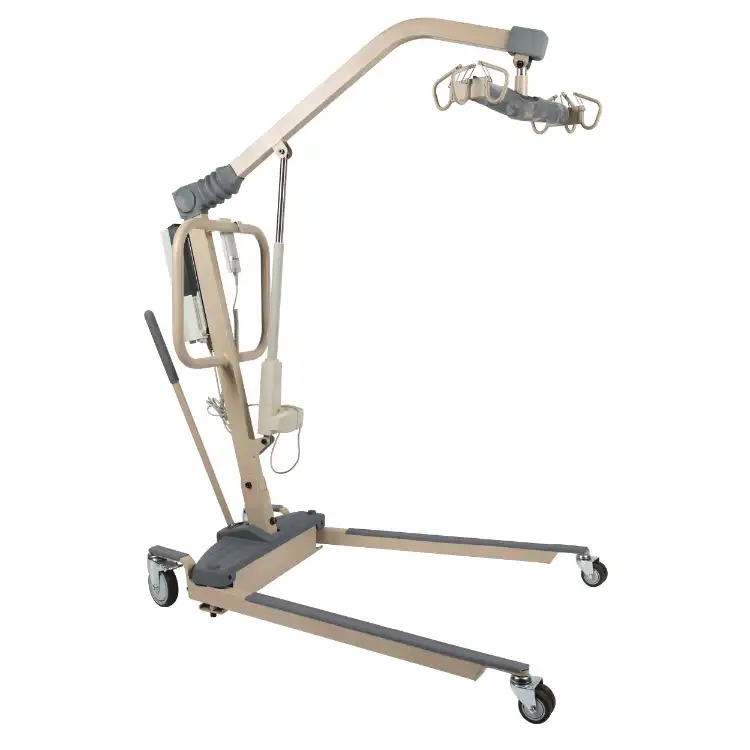
A patient lift is often called a Hoyer lift. It is designed to safely move a person from one resting spot to another. This tool prevents severe back injuries for caregivers. It also reduces fall risks for older adults. You can find them in manual hydraulic models or electric models.
Ease of Use
Operating a patient lift takes practice. Caregivers must learn to position the fabric sling correctly under the person. They must also learn to use the hydraulic pump or electric controls smoothly. Once mastered, it requires almost zero physical lifting from the caregiver. Pushing the machine across the floor does require some basic body strength.
Key Strengths
- Prevents serious caregiver back strain.
- Makes heavy transfers safe and secure.
- Reduces the risk of senior falls.
- Lifts seniors directly from the floor after a fall.
Potential Drawbacks
- Requires large floor space to maneuver.
- Takes time to set up the sling for each move.
- Can feel scary for the senior at first.
- Wide base may not fit under all beds.
Exploring Wheelchair Uses and Benefits
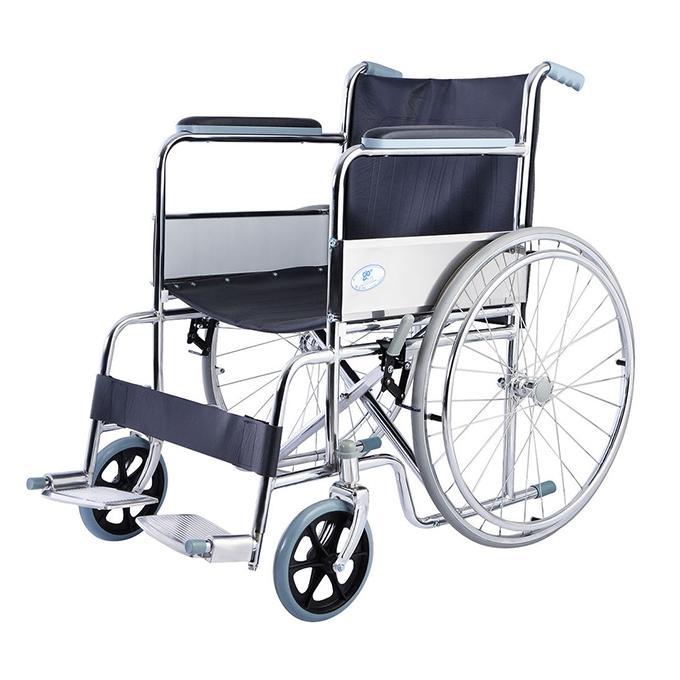
A wheelchair provides essential seated mobility. It allows older adults to join family meals easily. They can move between rooms and safely travel outside the home. Wheelchairs come in standard manual styles, lightweight transport styles, and heavy electric power models.
Ease of Use
Wheelchairs are very easy to understand. Manual chairs require upper body strength if the senior pushes the wheels themselves. Otherwise, they require easy steering for a caregiver. Electric models offer effortless movement with a simple joystick control. Folding a manual wheelchair for car travel takes just a few seconds.
Key Strengths
- Provides independence and freedom to move.
- Folds easily for car travel and storage.
- Fits through most standard home doorways.
- Allows for comfortable all-day sitting.
Potential Drawbacks
- Does not help a person stand up from a bed.
- Manual models can tire out caregivers on long ramps.
- Power models are heavy and hard to transport.
- Requires good sitting balance from the senior.
Which Is Easier for Seniors and Caregivers?
Usability depends largely on who is doing the work. A wheelchair is much easier for a senior to use alone. If they have good hand strength, they can steer themselves to the kitchen or outside. They control their own path. A patient lift is entirely operated by the caregiver. The senior simply rests in the sling while the machine does the lifting work.
“The right mobility tool protects the senior from sudden falls and protects the caregiver from permanent back injuries.”
For caregivers, the lift is a true lifesaver. It completely removes the physical strain of carrying a grown adult. However, pushing a manual wheelchair is generally easier than rolling a loaded patient lift across a thick carpet. Both tools require the caregiver to learn safe steering habits.
Daily Performance and Functionality
These devices perform entirely different jobs for home care. Here is how they handle common daily tasks.
| Task | Patient Lift | Wheelchair |
| Bed to Chair Move | Excellent | Poor (cannot lift) |
| Room to Room | Poor (not for travel) | Excellent |
| Outdoor Trips | Cannot do this | Excellent |
Comfort, Accessibility, and Senior-Friendly Design
Comfort is a top priority for older adults using mobility aids. Wheelchairs are built for long periods of sitting. High-quality models feature padded cushions, adjustable footrests, and ergonomic back support. A senior can comfortably spend hours in a well-fitted wheelchair. You can even add special pressure-relief cushions to protect fragile skin.
Patient lifts are not meant for resting. The sling wraps around the senior snugly for a brief transfer. This can feel slightly tight, but it ensures total safety. Accessibility for a lift means having clear floor space under beds and chairs. The wide legs must slide underneath the furniture to work properly. If your bed sits flat on the floor, a standard lift will not work.
Comparing Key Product Features
Let us look at the specific parts that make these tools work. Here is a direct comparison of their main features.
| Feature | Patient Lift | Wheelchair |
| Power Source | Manual pump or battery | Manual push or battery |
| Senior Support | Full body fabric sling | Cushioned seat and back |
| Storage Size | Bulky, hard to hide | Often folds completely flat |
Price, Maintenance, and Long-Term Value
Both tools represent a smart investment in home care safety. Manual wheelchairs are generally very cheap. They require almost no upkeep besides checking tire air and wheel brakes. Power wheelchairs cost much more. They also need regular battery charging and motor checks.
Manual patient lifts are priced reasonably for most families. Electric lifts are a much larger financial cost. Lift upkeep involves checking the hydraulic pump often. You must also wash the fabric slings regularly to stop skin problems. Both options offer huge long-term value. They prevent costly hospital visits caused by terrible falls or lifting injuries.
Who Should Choose a Patient Lift?
A lift is vital for homes with high transfer needs. It solves the hardest physical chores of caregiving.
- Choose a patient lift if the senior cannot stand on their own.
- Choose a patient lift if the caregiver has back pain or weak arms.
- Choose a patient lift if safe bed-to-bath transfers are a daily struggle.
- Choose a patient lift to prevent dangerous lifting accidents.
- Choose a patient lift if the senior frequently falls to the floor.
Who Should Choose a Wheelchair?
A wheelchair is the right choice for active daily living. It helps seniors stay connected to their home and friends.
- Choose a wheelchair if the senior wants to move around the house alone.
- Choose a wheelchair to make outdoor trips and doctor visits much easier.
- Choose a wheelchair if the senior can safely transfer into the seat themselves.
- Choose a wheelchair to replace walking long distances.
- Choose a wheelchair to enjoy family dinners at the table safely.
Patient Lift vs Wheelchair Final Verdict
These two items do not replace one another. They often work together as a home care team.
Best for safe transfers: Patient Lift
Best for daily mobility: Wheelchair
Best for caregiver safety: Patient Lift
Best for senior independence: Wheelchair
If your loved one can bear their own weight during a transfer, start with a wheelchair. If lifting them has become physically dangerous for you, a patient lift is the urgent priority. Get the tool that solves your hardest daily problem first.
Comparison Scoring Summary
Here is a quick rating of how each tool serves different home care needs. These scores reflect their main design goals.
| Category | Patient Lift | Wheelchair |
| Caregiver Safety | 10/10 | 6/10 |
| Senior Independence | 2/10 | 9/10 |
| Travel Friendly | 2/10 | 10/10 |
How We Evaluate Mobility Products
We review senior care items based on real home use. We focus on caregiver physical safety, senior comfort, daily reliability, and simple operation. Our goal is to help families build a safer home space. We want to help you avoid wasting money on the wrong tools. We look closely at how easy items are to clean and store.
Senior-Specific Buying Considerations
Keep these practical details in mind before making a new purchase. They will help you find the perfect fit.
Physical Effort
Will the caregiver have the strength to push a manual wheelchair up a ramp? Think about whether you need an electric power chair instead. Also, test if pumping a manual lift handle is too hard for the caregiver’s shoulders.
Home Space
Patient lifts have wide bases. Ensure your room doors are wide enough. Check that there is clear empty space under the senior’s bed. Wheelchairs also need space to turn around inside tight bathrooms.
Comfort Needs
If the senior will sit in a wheelchair all day, buy a great cushion. A special gel cushion protects their fragile skin from sores. Patient lift slings come in many sizes. Pick the right sling size to avoid pinching the senior’s legs.
Setup Complexity
Electric lifts require daily battery habits. Manual hydraulic lifts simply require an easy pumping motion. Manual wheelchairs unfold in one step. Power wheelchairs have parts that must connect properly before use.
Common Buying Mistakes to Avoid
Avoid these frequent errors when setting up a home care routine. Doing it right the first time saves money.
- Buying a wheelchair when a patient lift is actually needed for safe moves.
- Forgetting to measure door widths before bringing large tools home.
- Ignoring the caregiver’s weak back when picking manual tools over electric tools.
- Overlooking the importance of special wheelchair seat pads.
- Buying a lift without checking if the base slides underneath the user’s bed.
- Picking a lift sling that is too large or too small for the senior.
Essential Safety Guidelines
Using heavy mobility tools requires complete focus and proper steps. Always lock the wheel brakes on a wheelchair before the senior sits down or stands up. Keep floors clear of rugs that can tangle in the wheels.
When using a patient lift, double-check every loop on the fabric sling. Ensure they are strongly attached to the metal cradle before lifting. Never use a lift to push a senior from room to room. It is only meant for short moves between a bed and a nearby chair. Talk to a physical therapist if you need help learning these safe methods.
Conclusion
Choosing between a patient lift vs wheelchair is really about knowing your exact daily struggles. If the main goal is moving around the house or running errands, a wheelchair is the clear answer. It brings freedom and joy back into daily life.
If the daily struggle involves safely getting out of bed without hurting the senior or the caregiver, a lift is vital. It takes the danger out of heavy lifting. Many families find that they need both tools over time. Assess your loved one’s current leg strength and your own back health today. This simple step will help you decide which tool will make your home safer right now.