
Oral-B vs Philips Sonicare Electric Toothbrush for Seniors: 2026


Smart Health Watch for Seniors

Smart Doorbell Camera

Reacher Grabber Tool
Oral-B vs Philips Sonicare electric toothbrush for seniors is not a simple choice. Both brands offer electric toothbrushes with timers, pressure guidance, and different brushing modes. The right choice depends on how simple, gentle, and easy the brush feels to use.
For many seniors, the key difference is the brushing style. Oral-B uses round heads and oscillating-rotating action in its iO line. Sonicare uses sonic vibration and elongated brush heads. Both can be good options, but they suit different preferences.
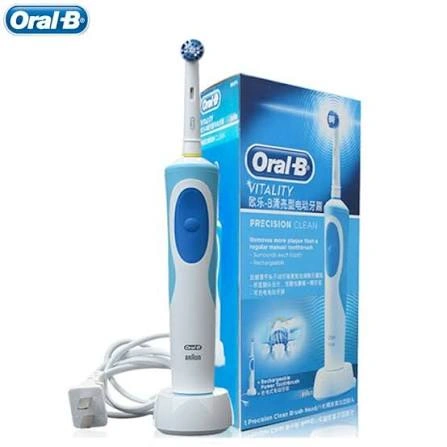
Quick Comparison
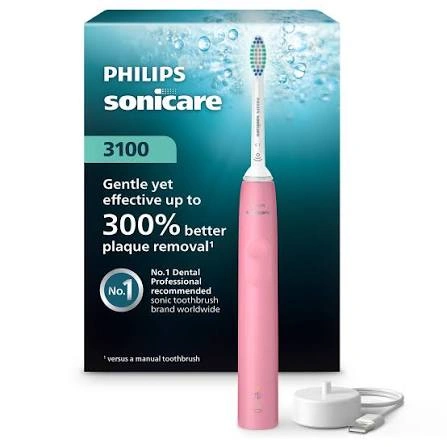
For most seniors, Philips Sonicare is the easier choice for simple daily brushing. Its slim handles and straightforward models can be a good fit for someone who wants fewer extras.
Oral-B is the better pick for seniors who want more brushing guidance. Many iO models offer visible pressure feedback, timers, and optional app features.
Oral-B vs Philips Sonicare At a Glance
The two brands use different brushing systems, but both offer senior-friendly features on selected models.
| Feature | Oral-B | Philips Sonicare |
|---|---|---|
| Brushing style | Oscillating-rotating | Sonic vibration |
| Pressure guidance | Available on many models | Available on many models |
| Timer | Available | Available |
| Handle design | Model dependent | Slim ergonomic options |
| Brush heads | Round on iO | Elongated |
| Smart features | More common on higher iO models | Available on selected models |
| Best for | Guided brushing | Simple, gentle routine |
Oral-B Electric Toothbrush Features for Seniors
Oral-B has a wide range of electric toothbrushes. The iO range is its more advanced line. It combines a round brush head with gentle micro-vibrations and oscillating-rotating action.
Ease of Use
Oral-B iO models can make brushing easier to follow. Selected models show pressure feedback and brushing information. Some also have an interactive display.
The round head can also help users work on one tooth area at a time. That may suit seniors who like a clear brushing routine.
Key Strengths
- Round brush head is easy to position.
- Pressure guidance is available on iO models.
- Built-in timers help with brushing time.
- Higher models offer more brushing guidance.
- Some models connect to an app.
- Several modes are available on selected models.
Oral-B’s iO Series 3, for example, has a visible pressure sensor, a two-minute timer, and three cleaning modes. Higher iO models add more features.
Potential Drawbacks
- Advanced iO models can have many features.
- Some seniors may not need app or smart functions.
- Replacement heads must be matched to the iO range.
- Higher-end models can cost much more than basic options.
Philips Sonicare Features for Senior Use
Philips Sonicare offers models from simple 3100 and 4100 Series brushes to advanced models with more sensors and smart functions. This gives seniors several levels of choice.
Ease of Use
Sonicare has slim ergonomic designs in its 4100 Series. Some models also provide a two-minute timer and 30-second pacing signals.
The 4100 Series offers two intensity settings and a 14-day battery claim from Philips.
Key Strengths
- Slim handle design.
- Sonic brushing action.
- Simple models are easy to operate.
- Timer helps keep brushing on track.
- Pressure sensors are available on selected models.
- Some models offer long battery life.
Potential Drawbacks
- Features vary a lot between models.
- Basic models may lack advanced guidance.
- Some users may prefer the smaller round Oral-B head.
- Higher-end Sonicare models can become expensive.
Which Is Easier for Seniors to Use?
Ease of use depends more on the model than the brand.
For a senior who wants simple controls and fewer distractions, a basic Sonicare model may be easier. The Sonicare 4100, for example, has a slim ergonomic design, timer functions, and two intensity settings.
For someone who wants more brushing feedback, Oral-B iO may have the advantage. Its pressure system can show whether the user is pressing too hard. Some models also provide extra brushing guidance.
The simplest toothbrush is often the better toothbrush when extra features will not be used.
Performance Comparison
Both brands offer effective electric brushing systems, but their brushing actions feel different.
Oral-B iO uses a round head with oscillating-rotating movement and gentle micro-vibrations. Philips Sonicare uses sonic vibration.
| Performance Area | Oral-B | Philips Sonicare |
|---|---|---|
| Brushing action | Oscillating-rotating | Sonic |
| Pressure help | Available on many models | Available on many models |
| Timers | Common | Common |
| Cleaning modes | Model dependent | Model dependent |
| Guided brushing | Strong on higher iO models | Available on advanced models |
There is no clear brand-wide winner because both ranges include basic and advanced brushes.
Comfort, Accessibility, and Senior-Friendly Design
Comfort can matter more than a long list of features.
Philips Sonicare offers slim ergonomic handles on several models. That may suit someone who prefers a lighter-feeling, narrow handle.
Oral-B’s round head may appeal to someone who finds it easier to guide a smaller head around individual teeth.
Seniors with limited hand strength or dexterity should pay close attention to the handle shape, button size, weight, and charging setup of the exact model.
Features Comparison
Do not assume every Oral-B or Sonicare model has the same features. The differences can be large within each brand.
| Feature | Oral-B | Philips Sonicare |
|---|---|---|
| Pressure feedback | Common on iO models | Available on selected models |
| Timer | Yes on many models | Yes on many models |
| App | Selected iO models | Selected models |
| Intensity control | Model dependent | Model dependent |
| Brush replacement reminder | Selected models | Selected models |
Oral-B iO models range from simpler brushes to models with displays, multiple modes, and app connectivity. Philips Sonicare also has models with pressure sensors, multiple modes, and app-based features.
Price, Maintenance, and Long-Term Value
Price varies widely within both brands. Oral-B’s current iO range spans several price levels, while Sonicare also offers basic and premium models.
For long-term value, look beyond the initial toothbrush price.
| Cost Factor | Oral-B | Philips Sonicare |
|---|---|---|
| Brush heads | Replace regularly | Replace regularly |
| Basic models | Lower-cost choices available | Lower-cost choices available |
| Premium models | Can be expensive | Can be expensive |
| Smart features | More on higher iO models | More on advanced models |
| Maintenance | Mainly brush-head care | Mainly brush-head care |
Oral-B recommends replacing iO brush heads every three months for best results. Exact replacement schedules should follow the instructions for the model being purchased.
Who Should Choose Oral-B?
Choose Oral-B if:
- You like a small round brush head.
- You want strong pressure feedback.
- You want more brushing guidance.
- You like multiple cleaning modes.
- You are interested in app-connected features.
- You prefer the brushing feel of oscillating-rotating technology.
Who Should Choose Philips Sonicare?
Choose Philips Sonicare if:
- You prefer a slim handle.
- You want a simple daily routine.
- You prefer sonic brushing.
- You want a long battery interval on suitable models.
- You prefer fewer smart features.
- You want a wide range of simple and advanced models.
Oral-B vs Philips Sonicare — Final Verdict
Best for most seniors: Philips Sonicare, especially a simple model with pressure control and a timer.
Best for guided brushing: Oral-B iO.
Best for a simple routine: Philips Sonicare.
Best for advanced feedback: Oral-B iO.
Best value: Depends on the exact model and replacement-head cost.
There is no universal winner. A senior who wants simple brushing may prefer Sonicare. Someone who wants more feedback and guidance may prefer Oral-B iO.
Scoring Summary
These scores are broad editorial comparisons, not laboratory test results. Individual models can change the result.
| Category | Oral-B | Philips Sonicare |
|---|---|---|
| Ease of Use | 9/10 | 9/10 |
| Senior-Friendly Design | 9/10 | 9/10 |
| Performance | 9/10 | 9/10 |
| Maintenance | 8/10 | 8/10 |
| Value | 8/10 | 9/10 |
How We Evaluate Products
This comparison focuses on features that can affect everyday senior use.
We consider:
- Ease of use
- Handle design
- Brushing controls
- Pressure guidance
- Comfort
- Cleaning routine
- Battery and charging
- Maintenance
- Useful features
- Long-term value
The comparison does not claim hands-on testing or laboratory testing. It uses current manufacturer information and practical senior-focused buying factors.
Senior-Specific Buying Considerations
A senior should check a few things before choosing.
Grip
Look for a handle that feels easy to hold. A slim handle is not automatically better for every user.
Controls
Large and simple controls can be useful if small buttons are difficult to press.
Pressure Control
A pressure sensor can help users avoid brushing too hard. Philips says selected Sonicare models can warn users and reduce vibration when too much pressure is detected.
Charging
Check how the toothbrush charges and where the charger will sit. A simple charging setup can make daily use easier.
Brush Heads
Check the price and availability of replacement heads before choosing the toothbrush.
Common Buying Mistakes
Avoid these mistakes:
- Choosing the most expensive model without needing its features.
- Ignoring the handle shape.
- Forgetting replacement-head costs.
- Assuming every model has a pressure sensor.
- Choosing by brand alone.
- Buying advanced app features that will never be used.
Safety
Electric toothbrushes are generally simple to operate, but users should still follow the product manual.
Do not press hard while brushing. Oral-B explains that electric toothbrush users mainly need to guide the brush rather than scrub. Its iO pressure sensor can provide feedback when pressure is too high.
Philips Sonicare also uses pressure feedback on selected models. The exact signal and operation vary by model.
If a senior has significant dental pain, gum problems, or another oral-health concern, choosing a toothbrush should be discussed with a dental professional.
Conclusion: Oral-B vs Philips Sonicare Electric Toothbrush for Seniors
Oral-B and Philips Sonicare both make good electric toothbrushes for seniors. The biggest difference is not simply the brand. It is the brushing system, handle design, controls, and features of the exact model.
Choose Philips Sonicare when simple operation, a slim handle, and sonic brushing are the priority. Choose Oral-B iO when pressure feedback, round brush heads, and guided brushing are more important. The best choice is the model that feels comfortable, is easy to control, and will be used consistently.
