
Optimized Senior Living Assisted Living and Memory Care Kettering


Robot Vacuum Cleaner

Orthopedic Pillow

Emergency SOS Phone
Choosing the right senior living is one of the most important and emotional decisions a family makes. In Kettering, optimized assisted living and memory care communities go beyond basic support to create vibrant, personalized environments. They focus on holistic wellness, safety, and preserving dignity, ensuring residents thrive, not just reside. This guide helps you navigate your options with confidence and clarity.
Standing at the crossroads of a loved one’s changing needs is a moment filled with love, worry, and a thousand questions. You’re not just looking for a place; you’re seeking a promise. A promise of safety, of joy, of dignity preserved. In Kettering, the landscape of senior living has evolved dramatically. Today’s “optimized” assisted living and memory care communities are designed from the ground up to be more than just caregivers—they are partners in creating a meaningful, engaged life for your family member. This journey is about finding that perfect alignment between your loved one’s story and a community’s ability to honor it.
Let’s walk through this together. We’ll cut through the jargon, focus on what truly matters, and give you the practical tools to evaluate options in Kettering with confidence. Whether you’re just starting your research or narrowing down finalists, this guide is your compass.
Key Takeaways
- Optimized care is personalized: It means a community assesses and adapts to your loved one’s unique history, preferences, and health needs, creating a true “home” rather than just a facility.
- Memory care is specialized: For Alzheimer’s or dementia, specialized programs use evidence-based techniques, secure environments, and highly trained staff to manage symptoms and reduce anxiety.
- Assisted living supports independence: It provides help with daily tasks like bathing, dressing, and medication, allowing seniors to maintain autonomy and enjoy social engagement without the burdens of homeownership.
- Location and community vibe matter: Kettering offers a blend of suburban comfort and accessibility. The right community will feel welcoming, with engaging activities and a staff that genuinely connects with residents.
- Financial planning is crucial: Costs vary widely. Understanding what’s included (rent, care, meals, activities) versus à la carte fees, and exploring long-term care insurance or veterans’ benefits, is essential for sustainability.
- Trust your instincts during visits: Observe resident interactions, staff engagement, the cleanliness, and the smell. Your gut feeling about the atmosphere is a powerful indicator of fit.
📑 Table of Contents
- Understanding the Spectrum: Assisted Living vs. Memory Care
- What Does “Optimized” Truly Mean in Kettering?
- The Kettering Advantage: What Sets the Region Apart
- Navigating Your Search: A Practical Checklist
- The Financial Puzzle: Costs, Contracts, and Value
- Making the Transition: From Decision to Move-In
- Conclusion: A New Chapter of Comfort and Joy
Understanding the Spectrum: Assisted Living vs. Memory Care
It’s easy to use these terms interchangeably, but they represent distinct levels of care and design philosophy. Knowing the difference is the first step in optimization.
Assisted Living: Support for an Independent Lifestyle
Think of assisted living as an “apartment hotel with services.” Residents typically have their own studio or one-bedroom apartment. The core offering is help with Activities of Daily Living (ADLs)—things like bathing, grooming, dressing, toileting, and medication management. The goal is to remove the physical struggles of daily life so the resident can focus on socializing, hobbies, and wellness. Meals are served restaurant-style in a communal dining room, and housekeeping and laundry are included. It’s ideal for someone who is generally stable but needs a reliable helping hand to maintain safety and quality of life, and who would benefit from built-in social opportunities to combat isolation.
When touring an assisted living community in Kettering, ask: “What is the ratio of staff to residents during the day and evening?” “Can you describe a typical day for a resident who needs minimal help versus one who needs help with all ADLs?” The best communities seamlessly integrate varying levels of need, preventing segregation and fostering a true community feel.
Memory Care: A Secure, Therapeutic Environment
Memory care is a specialized, secure environment within a larger assisted living facility or as a standalone community. It is explicitly designed for individuals with Alzheimer’s disease, dementia, or other forms of cognitive impairment. The design is paramount: hallways are often circular to prevent “eloping” behavior, color coding helps with wayfinding, and outdoor spaces are safely enclosed. Staff receive extensive, ongoing training in dementia care, focusing on validation therapy, redirection techniques, and understanding the “why” behind behaviors.
Programs are structured yet flexible, with sensory-based activities, music therapy, and reminiscence sessions tailored to different stages of the disease. The environment is calm, with minimized shadows and loud noises that can cause distress. If your loved one is experiencing significant memory loss, confusion, or behavioral changes like sundowning, a dedicated memory care neighborhood is non-negotiable for their safety and well-being. You can learn more about the specific needs of memory-impaired individuals through resources that detail memory loss senior care principles, which apply universally regardless of location.
What Does “Optimized” Truly Mean in Kettering?
The word “optimized” is the key differentiator. It moves beyond “adequate” to “thriving.” An optimized community in Kettering exhibits these core pillars:
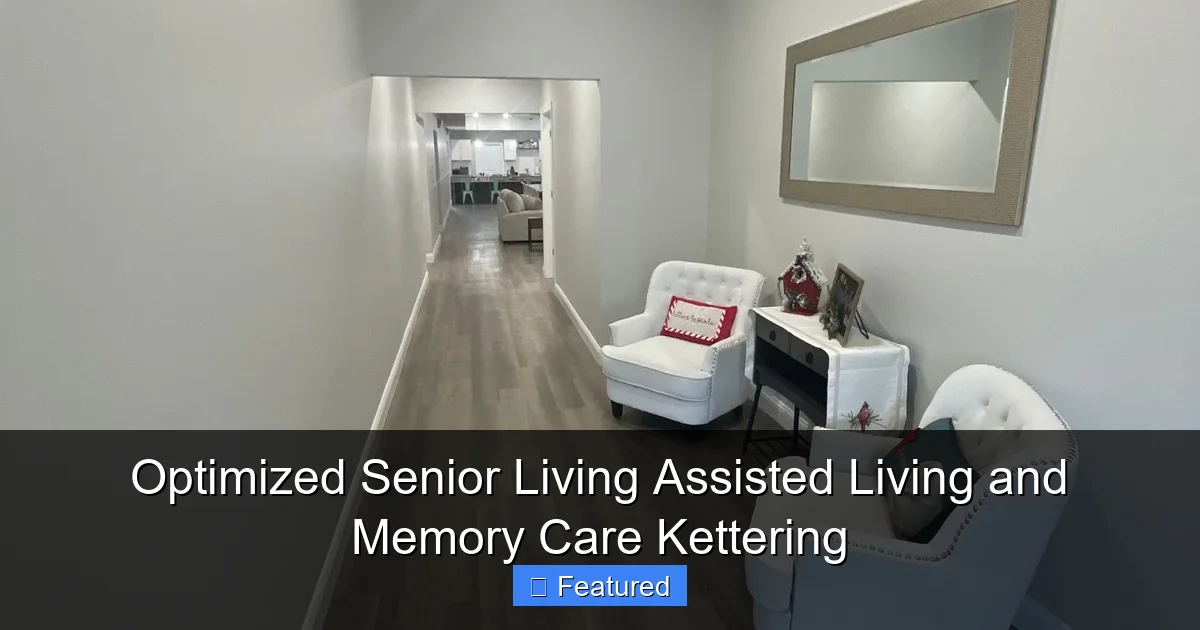
Visual guide about Optimized Senior Living Assisted Living and Memory Care Kettering
Image source: optimizedseniorliving.com
1. Person-Centered Care Planning
This is the heartbeat of optimization. It starts long before move-in day. A comprehensive assessment—covering medical history, cognitive function, physical abilities, life story, hobbies, favorite foods, and even dislikes—is conducted. This isn’t just paperwork; it’s the blueprint for their entire experience. A resident who was a master gardener might help tend raised beds in the courtyard. A former teacher might lead a weekly current events discussion. The care plan is a living document, reviewed and adjusted quarterly (or more often) with family input. It answers the critical question: “Who is this person, and how can we help them live their best life today?”
2. Holistic Wellness Programming
Optimized communities invest in a full-time, certified activities director or wellness coordinator. The calendar isn’t filled with bingo and birthday parties. It’s a curated mix of:
- Physical: Chair yoga, walking clubs, water aerobics (if a pool is available), tai chi.
- Cognitive: Brain games, trivia, music and art therapy, technology classes.
- Social: Small-group interest clubs (book, gardening, film), intergenerational programs with local schools, themed socials.
- Spiritual/Emotional: Chaplain services, meditation, quiet reflection spaces, counseling referrals.
- Purposeful: Volunteer opportunities, helping with simple kitchen tasks, mentoring newer residents.
The goal is to offer multiple entry points for engagement every single day, recognizing that one size does not fit all.
3. Environment and Design for Success
The built environment in an optimized Kettering community is a silent caregiver. Look for:
- Wayfinding Aids: Consistent color schemes, large clocks and calendars, clear signage with symbols.
- Safety Features: Non-slip flooring, ample handrails, emergency call systems in bedrooms and bathrooms, 24-hour monitored entrances.
- Homelike Atmosphere: Residential-style furniture, personal decor encouraged, warm lighting (no harsh fluorescents), quiet lounges with natural light.
- Outdoor Access: Secured, beautifully landscaped patios, gardens, or walking paths that are accessible for walkers and wheelchairs.
The Kettering Advantage: What Sets the Region Apart
Kettering, Ohio, offers a unique blend of characteristics that make it an excellent location for senior living. Its strong suburban feel provides a sense of peace and community, while its proximity to Dayton gives access to world-class medical facilities like Kettering Health Main Campus and the Dayton VA Medical Center. This is a critical consideration for families, ensuring that specialized medical care is just a short drive away.
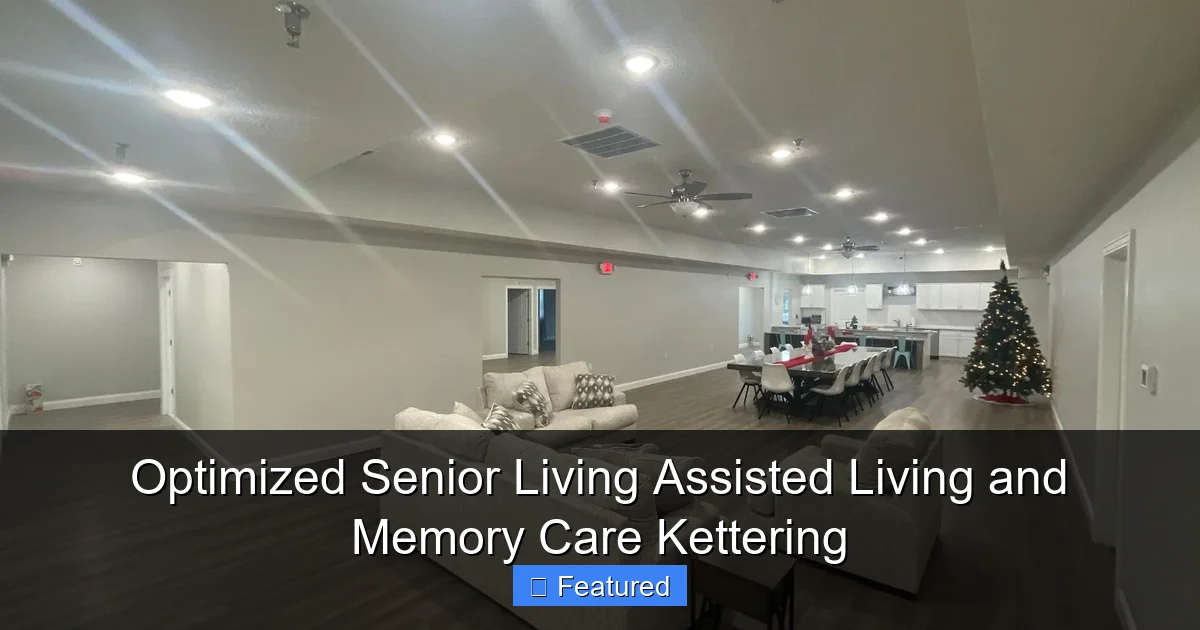
Visual guide about Optimized Senior Living Assisted Living and Memory Care Kettering
Image source: optimizedseniorliving.com
Many communities in the area leverage this location, offering regular transportation to medical appointments, shopping, and cultural attractions like the Dayton Art Institute or the National Museum of the U.S. Air Force. The climate is also a factor—four distinct seasons with generally mild winters compared to northern regions, allowing for year-round outdoor activities when weather permits. When you’re evaluating senior living in other areas like Houston, you’ll notice how local geography and resources shape the community’s offerings and accessibility.
Furthermore, Kettering has a deep-rooted sense of community. Optimized senior living communities here often partner with local schools, churches, and volunteer organizations, weaving residents into the fabric of the town rather than isolating them. This integration is a powerful antidote to the loneliness that can accompany aging.
Navigating Your Search: A Practical Checklist
Armed with your understanding of care types and optimization, it’s time for the field work. Schedule tours at 3-5 communities in Kettering. Go during an active time—mid-morning or after lunch—to see the real atmosphere.

Visual guide about Optimized Senior Living Assisted Living and Memory Care Kettering
Image source: optimizedseniorliving.com
During Your Tour, Observe and Ask:
- First Impressions: Does it smell clean (not like disinfectant or urine)? Is the lighting warm? Do you hear happy chatter or overhead paging?
- Resident Engagement: Are residents involved in activities or just staring at TVs? Do staff members know residents by name and engage with them personally?
- The Dining Experience: Ask to see a menu. Is it varied and nutritious? Can you observe a meal service? Is the food appetizing and well-presented? Can dietary restrictions be accommodated?
- Staffing: What are the staffing ratios? What is the turnover rate? (High turnover is a major red flag). Ask to meet the Executive Director and Memory Care Director. Their passion and experience set the tone.
- Safety & Security: Specifically ask about emergency protocols, fall prevention programs, and how they monitor residents with cognitive impairment who may wander.
- Family Involvement: How do they communicate with families? Is there a family council? What are the visiting policies?
Bring your loved one, if possible. Their reaction to the space and people is invaluable. After each tour, debrief together. What did you like? What felt off? Keep a comparison chart.
The Financial Puzzle: Costs, Contracts, and Value
This is often the most stressful part. In Kettering, the average cost for assisted living ranges from $4,500 to $6,500 per month, while memory care, due to the higher staff-to-resident ratio and specialized programming, typically adds a $1,000 to $3,000 premium. But a number alone is meaningless without context.
Decoding the Price Tag
Ask for a complete fee schedule. Understand what the base rate includes:
- Private apartment size and type
- Three meals per day and snacks
- Weekly housekeeping and linen service
- Utilities (often cable, internet, phone)
- Basic care (e.g., assistance with 1-2 ADLs)
- Scheduled transportation
- Most activities and wellness programs
Then, identify the à la carte fees. These can include:
- Additional care minutes beyond the base package
- Medication administration fees
- Specialized therapies (physical, occupational, speech)
- Beauty/barber services
- Guest meals
- Pet fees
An “all-inclusive” model can simplify budgeting but may include services you don’t need. A “fee-for-service” model can be cheaper initially but can skyrocket if care needs increase. For long-term planning, understand the community’s history of annual price increases (typically 3-5%).
Funding Your Care
Most families use a combination of sources:
- Private Pay: Savings, investments, selling a home.
- Long-Term Care Insurance: If your loved one has a policy, it can cover a significant portion. Read the policy carefully.
- Veterans Benefits: The VA’s Aid and Attendance benefit can provide a monthly stipend for eligible veterans and their surviving spouses to cover assisted living costs. This is a critical benefit many miss. You can explore general guidance on senior health resources to understand the support ecosystem.
- Medicaid: Very few assisted living communities accept Medicaid. Those that do often have limited “Medicaid beds.” Kettering does have some communities that participate in Medicaid waiver programs for those who qualify financially and medically. This is a last-resort option for most middle-class families.
Consult with a senior care financial advisor or an elder law attorney. They can help structure assets and navigate benefit applications in a way that protects your family’s financial future.
Making the Transition: From Decision to Move-In
You’ve chosen a community. Now comes the emotional and logistical process of downsizing and moving. This phase requires patience and empathy.
Downsizing with Dignity
This is not about purging; it’s about curating. Go through items room by room. Involve your loved one as much as possible. Use categories: “Take with you,” “Give to family,” “Donate/Sell,” “Perhaps later.” For the “take” pile, focus on what fits in their new space—favorite furniture pieces, cherished photos, a beloved armchair. Label boxes clearly with their name and contents. The new apartment should feel familiar and personal from day one. Many communities offer move-in coordination services—use them!
The First 30 Days
The first month is an adjustment period for everyone. Your role shifts from primary caregiver to advocate and cheerleader.
- Frequent Visits (at first): Be present, but don’t hover. Help them explore the dining room, introduce them to neighbors, attend an activity with them.
- Build Relationships with Staff: Learn the names of the key caregivers, the concierge, the activities director. A simple “How was her day?” builds rapport.
- Attend Family Meetings: These are your primary communication channel with the care team. Come prepared with questions and observations.
- Encourage, Don’t Push: It’s okay if they don’t love every activity immediately. Encourage trying one new thing per week.
- Take Care of Yourself: This transition is a release of a major responsibility. It’s normal to feel grief, guilt, or relief. Seek support. Consider connecting with other families in the community—they are your best allies.
Remember, the goal of optimized senior living is a partnership. You know your loved one’s story; the community provides the expertise and environment to continue that story with joy and security. In Kettering, you have excellent options that embody this philosophy. Your careful research, thoughtful questions, and trusting instincts will lead you to the place where your family member can truly flourish.
Conclusion: A New Chapter of Comfort and Joy
The search for optimized assisted living and memory care in Kettering is ultimately a search for peace of mind—for both you and your loved one. It’s about trading the constant worry of “what if?” for the calm assurance of “what is.” The right community becomes an extension of your family, providing professional, compassionate care that allows your loved one to reclaim their sense of self, connection, and purpose. It transforms the narrative of aging from one of loss to one of continued growth and meaningful moments. By focusing on person-centered care, holistic wellness, and transparent finances, you can make a decision that honors your loved one’s past and secures their future. Take a deep breath, use this guide as your roadmap, and step forward with confidence into this new chapter.
Frequently Asked Questions
How do I know if my loved one needs assisted living versus memory care?
Assisted living is for those who need help with physical tasks (bathing, dressing) but are cognitively intact and safe to roam. Memory care is essential for anyone with a diagnosed dementia or Alzheimer’s who exhibits memory loss, confusion, poor judgment, or behaviors like wandering. A doctor’s assessment is key, but if safety due to cognition is a daily concern, memory care is the safer, more appropriate choice.
What are the biggest hidden costs to watch for?
Beyond the base rate, watch for “level-of-care” fees that increase as needs grow, medication administration fees, costs for incontinence supplies, and charges for “extra” services like escorts to meals or special outings. Always get a full, itemized fee schedule and ask how often rates increase and by what percentage.
How can I be sure the staff is properly trained, especially for dementia care?
Ask directly: “What is the initial and ongoing training curriculum for direct care staff?” “Do you have a dedicated Memory Care Director with a certification like Certified Dementia Practitioner (CDP)?” “What is your staff turnover rate?” (A rate under 30% annually is good). Observe interactions during your tour—are staff patient, using redirection and validation, or are they rushed and task-oriented?
What is the best way to evaluate the quality of life for current residents?
Look for engagement. Are residents happily occupied in small groups or just sitting idle? Do staff know residents’ names and engage them in conversation? Ask to speak with a few families if possible. Their honest feedback about communication, responsiveness to concerns, and the overall atmosphere is the most valuable review you can get. You can also check state inspection reports, which are public records.
My parent refuses to move. What do I do?
This is incredibly common. Avoid arguing about “needing care.” Instead, frame it around their values: “Mom, you’ve always valued your independence and not being a burden. This community lets you have your own space and time, while taking care of the things you find difficult, like cooking and cleaning, so you can focus on your painting.” Use “I” statements: “I’m worried about you falling and not being able to get help.” Consider a short-term “respite stay” (a few weeks) as a trial, which is often less threatening than a permanent move.
Can we bring a pet?
Many assisted living and some memory care communities in Kettering are pet-friendly, recognizing the profound emotional and social benefits of animal companionship. Policies vary widely—some allow cats and small dogs, others have size/weight limits, and most require a pet deposit and proof of vaccinations. Always ask about the specific pet policy, including any breed restrictions and “pet care” support if the resident’s ability to care for the animal declines.
