
Ohio Senior Food Insecurity Study


Air Fryer for Easy Cooking

Bed Rail for Seniors

Upright Walker
The Ohio Senior Food Insecurity Study exposes a growing crisis: nearly 1 in 7 seniors in Ohio struggle to access enough nutritious food. This comprehensive report highlights the root causes, regional disparities, and urgent need for community-based solutions to support aging residents.
Key Takeaways
- 1 in 7 Ohio seniors faces food insecurity: Over 200,000 older adults in Ohio experience limited or uncertain access to adequate food, according to the latest data.
- Rural areas are hit hardest: Seniors in rural counties report higher rates of food insecurity due to limited transportation, fewer grocery stores, and reduced access to social services.
- Chronic health conditions worsen the problem: Seniors with diabetes, heart disease, or mobility issues often face dietary restrictions that make accessing appropriate food even more difficult.
- SNAP participation is low among eligible seniors: Despite being eligible, only about 40% of Ohio seniors who qualify for SNAP benefits actually enroll, often due to stigma or lack of awareness.
- Community programs make a real difference: Meals on Wheels, food pantries, and senior centers significantly reduce food insecurity when accessible and well-funded.
- Technology gaps hinder outreach: Many seniors lack internet access or digital literacy, making it harder to apply for benefits or find local resources online.
- Policy changes are urgently needed: Expanding outreach, simplifying enrollment, and increasing funding for senior nutrition programs could dramatically improve outcomes.
📑 Table of Contents
Understanding the Ohio Senior Food Insecurity Study
Food insecurity isn’t just a problem for children or working families—it’s a silent crisis affecting older adults across Ohio. The Ohio Senior Food Insecurity Study, conducted in partnership with state health departments, nonprofit organizations, and academic researchers, shines a much-needed light on how hunger impacts seniors aged 60 and older. This groundbreaking research reveals that nearly 15% of Ohio’s senior population—over 200,000 individuals—struggle to put enough food on the table each month.
What makes this study so important is its depth. It doesn’t just count empty refrigerators; it digs into the why. Researchers surveyed thousands of seniors across urban, suburban, and rural communities, analyzed federal and state data, and interviewed caregivers, social workers, and nutrition experts. The result? A comprehensive picture of a problem that’s often hidden behind closed doors. Many seniors don’t talk about their struggles with food, ashamed or afraid of being seen as needy. But the numbers don’t lie—and they’re alarming.
Why This Study Matters
For years, food insecurity among seniors was overlooked. Policymakers and the public often assumed that retirement benefits, Medicare, and Social Security would protect older adults from hunger. But the reality is far more complex. Fixed incomes, rising healthcare costs, and shrinking social networks leave many seniors vulnerable. The Ohio Senior Food Insecurity Study challenges outdated assumptions and calls for action.
This research also comes at a critical time. With the aging population growing—Ohio is home to over 1.5 million residents aged 60 and older—the demand for senior nutrition services is expected to rise. Without intervention, the problem will only get worse. The study serves as both a warning and a roadmap, offering data-driven insights to help communities, nonprofits, and government agencies respond effectively.
The Scope of the Problem: Who Is Affected?
Visual guide about Ohio Senior Food Insecurity Study
Image source: ci4.googleusercontent.com
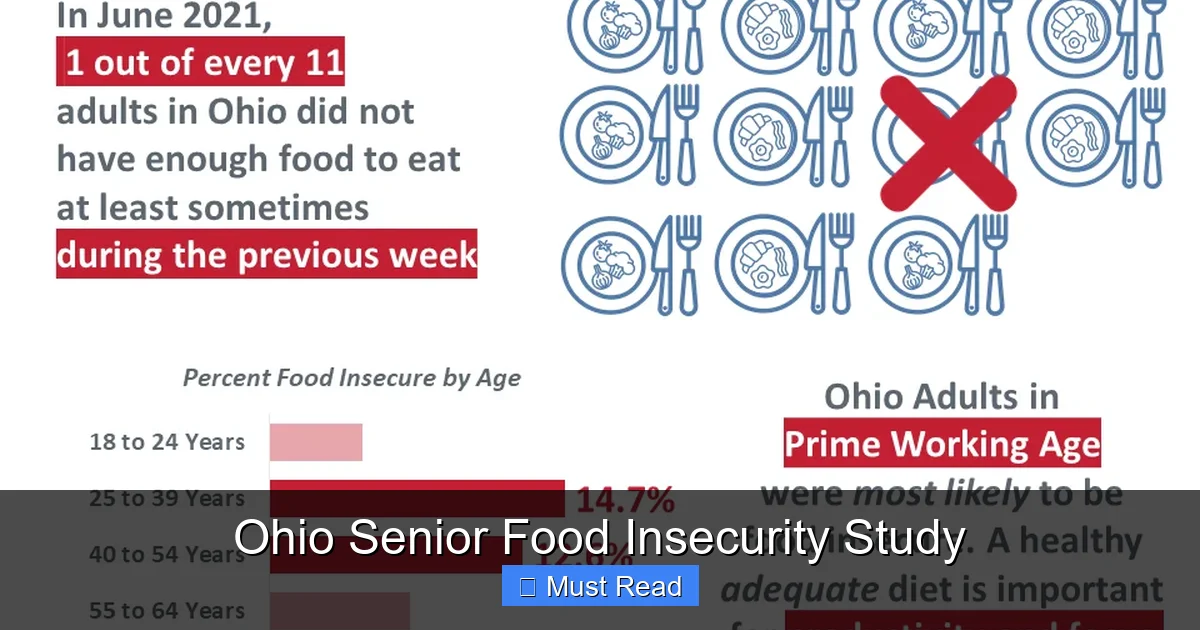
When we think of hunger, we often picture children or homeless individuals. But seniors? It’s not the first image that comes to mind. Yet the Ohio Senior Food Insecurity Study shows that older adults are disproportionately at risk—especially those facing economic, social, or health challenges.
One of the most striking findings is the geographic divide. While food insecurity exists in every county, rural areas bear the heaviest burden. In Appalachian regions like Athens, Gallia, and Pike counties, over 20% of seniors report food insecurity. In contrast, wealthier suburban areas like Delaware and Warren counties see rates closer to 8%. This gap isn’t accidental—it’s tied to infrastructure, income levels, and access to services.
Demographics at Risk
Certain groups are more vulnerable than others. Low-income seniors, especially those living on fixed incomes from Social Security alone, are at the highest risk. Women are slightly more likely to experience food insecurity than men, often due to longer life expectancy and lower lifetime earnings. Racial and ethnic minorities also face higher rates, with Black and Hispanic seniors in Ohio reporting food insecurity at nearly double the rate of their white counterparts.
Another overlooked group is seniors who live alone. Isolation can lead to poor nutrition—without someone to remind them to eat or help with shopping, many skip meals or rely on processed, shelf-stable foods that lack nutrients. The study found that seniors living alone were 30% more likely to be food insecure than those living with family or in assisted living facilities.
Health and Hunger: A Dangerous Cycle
Here’s a troubling truth: food insecurity doesn’t just result from poor health—it can also cause it. Seniors with chronic conditions like diabetes, hypertension, or kidney disease often need specialized diets. But when money is tight, fresh produce, lean proteins, and low-sodium foods become luxuries. Instead, many turn to cheaper, high-calorie, low-nutrient options like canned soups, pasta, and frozen meals.
This creates a dangerous cycle. Poor nutrition worsens health conditions, leading to more doctor visits, hospitalizations, and medication costs—which in turn leaves even less money for food. The Ohio Senior Food Insecurity Study found that food-insecure seniors are 50% more likely to be hospitalized and have higher rates of depression and cognitive decline.
Consider the story of Martha, a 72-year-old widow from Zanesville. After her husband passed away, her income dropped to just $1,200 a month from Social Security. With rent, utilities, and medication costs eating up most of her budget, she often skipped meals or ate only toast and tea. “I didn’t want to burden my kids,” she said. “But I was getting weaker. I’d forget things. My doctor said my blood pressure was out of control.” It wasn’t until a neighbor connected her with a local food pantry that she began receiving weekly groceries and meal deliveries.
Barriers to Access: Why Aren’t Seniors Getting Help?
Visual guide about Ohio Senior Food Insecurity Study
Image source: images.axios.com
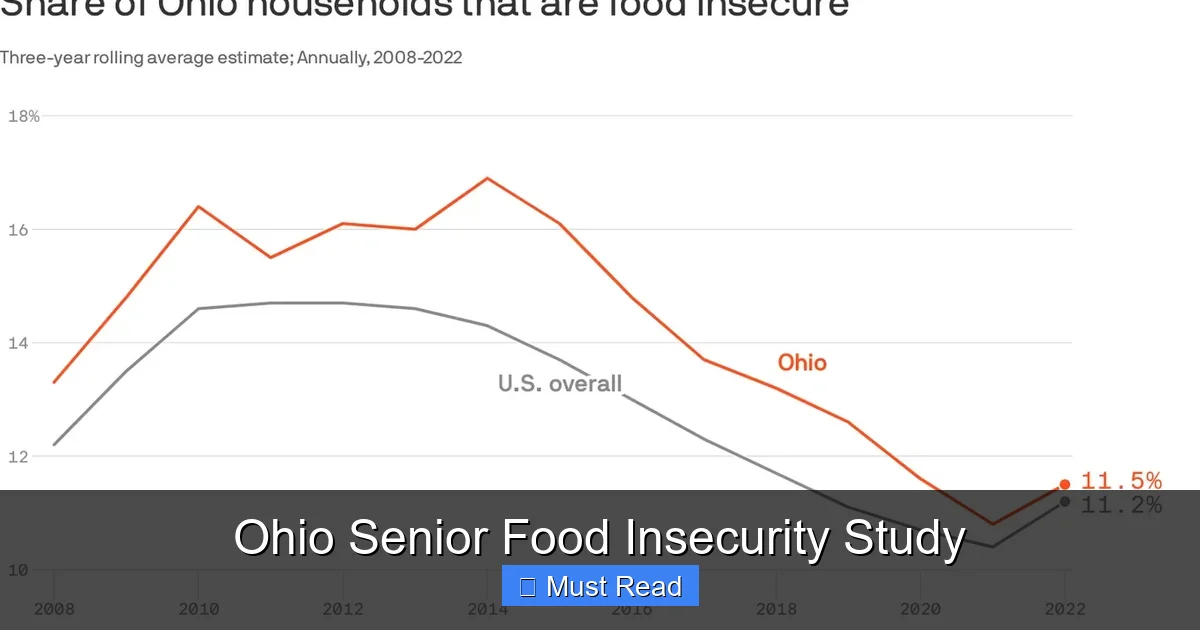
Even when help is available, many seniors don’t access it. The Ohio Senior Food Insecurity Study identified several key barriers—some practical, some emotional—that prevent older adults from getting the food they need.
One of the biggest obstacles is transportation. In rural areas, grocery stores may be 20 or 30 miles away. Public transit is often limited or nonexistent. For seniors with mobility issues or no driver’s license, getting to a store is a major challenge. Even food pantries and senior centers can be hard to reach without a car.
The SNAP Gap: Millions Left on the Table
The Supplemental Nutrition Assistance Program (SNAP), formerly known as food stamps, is one of the most effective tools against hunger. Yet in Ohio, only about 40% of eligible seniors actually receive SNAP benefits. That means thousands of older adults who qualify aren’t getting help—often because they don’t know they’re eligible, don’t understand the application process, or feel ashamed to apply.
The application itself can be intimidating. It requires documentation, income verification, and sometimes an in-person interview. For seniors with limited tech skills or no internet access, applying online is nearly impossible. And the stigma? It’s real. Many older adults grew up in a time when asking for help was seen as a failure. “I worked my whole life,” one respondent said. “I don’t want handouts.”
But SNAP isn’t a handout—it’s a lifeline. The average senior receives about $120 per month in benefits, which can make a huge difference. That’s enough to buy fresh fruits, vegetables, dairy, and proteins for an entire month. And it’s not just about food: every dollar in SNAP benefits generates about $1.50 in economic activity, supporting local farmers and grocery stores.
Digital Divide and Outreach Challenges
In today’s world, much of social service information is online. But many seniors aren’t connected. The study found that nearly 30% of Ohio seniors don’t have home internet access. Among those over 75, the number jumps to 45%. Without internet, it’s hard to find food pantries, apply for benefits, or schedule deliveries.
Even when seniors do have access, they may not know how to use it. Digital literacy is a growing issue. Simple tasks like filling out an online form or uploading a document can be overwhelming. And with scams targeting older adults on the rise, many are wary of sharing personal information online.
This digital gap means that outreach efforts often miss their mark. Flyers in libraries or announcements on local radio may not reach those who need them most. The study recommends a multi-channel approach—combining phone calls, mailed materials, and in-person assistance—to ensure no senior is left behind.
Community Solutions That Work
Visual guide about Ohio Senior Food Insecurity Study
Image source: media.tegna-media.com
Despite the challenges, there’s hope. The Ohio Senior Food Insecurity Study highlights several community-based programs that are making a real difference. These initiatives prove that with the right support, we can reduce hunger among older adults.
One of the most successful models is Meals on Wheels. This national program delivers nutritious meals directly to seniors’ homes, often with a friendly visit from a volunteer. In Ohio, over 50 local agencies provide Meals on Wheels services, reaching more than 30,000 seniors each year. The study found that participants reported better nutrition, improved health, and reduced feelings of isolation.
Food Pantries and Senior-Specific Programs
Food pantries are another critical resource. But not all pantries are created equal. The study found that seniors prefer pantries that offer age-appropriate foods—like low-sodium soups, soft fruits, and easy-to-open packaging. Some pantries now have “senior hours” or home delivery options to make access easier.
One standout example is the Senior Groceries Program in Cincinnati, run by the Freestore Foodbank. Seniors receive a monthly box of shelf-stable groceries, including items like oatmeal, canned vegetables, and peanut butter. The program also offers nutrition education and help with SNAP applications. Since launching, it’s served over 5,000 seniors and reduced food insecurity by 25% in participating neighborhoods.
Senior Centers as Hubs of Support
Senior centers do more than offer bingo and crafts—they’re vital community hubs. Many provide hot lunches, nutrition counseling, and help with benefits enrollment. The Ohio Senior Food Insecurity Study found that seniors who regularly attend center programs are less likely to be food insecure.
Take the Lakewood Senior Center, for example. Every weekday, they serve a hot lunch to over 100 seniors. But they also offer grocery shopping trips, cooking classes, and even a small on-site food pantry. “It’s not just about the food,” said director Maria Lopez. “It’s about dignity. We want seniors to feel valued and supported.”
The Role of Policy and Advocacy
While community programs are essential, lasting change requires policy action. The Ohio Senior Food Insecurity Study calls for state and federal leaders to prioritize senior nutrition in budgeting and legislation.
One key recommendation is to simplify the SNAP application process for seniors. This could include automatic enrollment for those receiving Supplemental Security Income (SSI), phone-based applications, and outreach by trusted community organizations. States like Michigan and Illinois have already implemented similar reforms with great success.
Increasing Funding for Senior Nutrition Programs
Federal funding for senior nutrition comes primarily through the Older Americans Act, which supports Meals on Wheels and senior centers. But funding hasn’t kept pace with inflation or demand. The study urges Congress to increase funding by at least 20% to meet current needs.
At the state level, Ohio could expand its Senior Farmers’ Market Nutrition Program, which provides vouchers for fresh produce. Currently, only a few counties participate. Scaling it statewide would give thousands of seniors access to healthy, locally grown food.
Addressing Transportation and Housing
Policy solutions must go beyond food. The study emphasizes the need for affordable housing, reliable transportation, and healthcare access. Seniors who spend more than 30% of their income on rent are far more likely to be food insecure. Expanding subsidized housing and paratransit services could free up money for food and reduce isolation.
Advocacy groups like the Ohio Association of Area Agencies on Aging are already pushing for these changes. They’re working with lawmakers to pass bills that increase senior benefits, improve outreach, and protect against elder abuse. Public support is growing—especially as more families see the impact of hunger on their loved ones.
What You Can Do to Help
You don’t have to be a policymaker or nonprofit director to make a difference. The Ohio Senior Food Insecurity Study reminds us that small actions can have a big impact.
Start by learning the signs of food insecurity. Is an older neighbor skipping meals? Do they seem weaker or more confused than usual? Are they avoiding social events where food is served? These could be red flags.
Volunteer and Donate
Volunteer with local Meals on Wheels, food pantries, or senior centers. Even a few hours a week can help deliver meals, pack boxes, or assist with applications. Monetary donations are also crucial—many programs operate on tight budgets.
If you’re able, consider donating non-perishable, senior-friendly foods: low-sodium soups, whole grain cereals, canned fish, and soft fruits like peaches and pears. Avoid sugary or high-sodium items.
Spread the Word
Talk to friends, family, and community groups about senior hunger. Share information on social media, write to local newspapers, or host a fundraiser. The more people know, the more pressure there will be for change.
And if you have an older loved one, check in regularly. Offer to go grocery shopping together, help them apply for SNAP, or simply share a meal. Sometimes, the best support is just being there.
Conclusion: A Call to Action
The Ohio Senior Food Insecurity Study is more than a report—it’s a wake-up call. Hunger among older adults is not inevitable. It’s a solvable problem, but only if we act together.
We know what works: accessible food programs, simplified benefits, community support, and compassionate outreach. We have the tools. What we need now is the will.
Every senior deserves to age with dignity, health, and enough food to eat. By supporting policies, volunteering, and spreading awareness, we can ensure that no older Ohioan has to choose between medicine and meals. The time to act is now.
Frequently Asked Questions
What is the Ohio Senior Food Insecurity Study?
The Ohio Senior Food Insecurity Study is a comprehensive research project that examines how many older adults in Ohio struggle to access enough nutritious food. It combines surveys, government data, and expert interviews to understand the causes and impacts of hunger among seniors.
How many seniors in Ohio are food insecure?
According to the study, nearly 1 in 7 seniors in Ohio—over 200,000 people—are food insecure, meaning they lack reliable access to enough affordable, nutritious food.
Why are rural seniors more at risk?
Rural seniors face higher rates of food insecurity due to limited transportation, fewer grocery stores, and reduced access to social services and healthcare, making it harder to obtain and prepare healthy meals.
Are seniors eligible for SNAP benefits?
Yes, many low-income seniors qualify for SNAP benefits, but only about 40% of eligible Ohio seniors actually enroll, often due to stigma, lack of awareness, or difficulty with the application process.
What programs help seniors get food?
Programs like Meals on Wheels, food pantries, senior centers, and the Senior Farmers’ Market Nutrition Program provide meals, groceries, and support to help seniors access food and improve their nutrition.
How can I help reduce senior food insecurity?
You can volunteer with local food programs, donate senior-friendly groceries, help seniors apply for SNAP, or advocate for policy changes that support older adults in your community.