
My Senior Dog Is Drinking a Lot of Water


Non Slip Bath Tub and Shower Mat 40 x 16 Inch Extra Large

Folding Lightweight Walking Stick - Adjustable Aluminum Travel Cane
RMS Deluxe Sock Aid with Foam Handles
Is your older dog suddenly gulping water constantly? This change in behavior could signal an underlying health issue common in senior dogs. While increased thirst might seem harmless, it can be a red flag for conditions like diabetes, kidney disease, or Cushing’s syndrome. Understanding the root cause is key to helping your furry friend stay comfortable and healthy. This guide walks you through possible reasons, what to watch for, and actionable steps to take if your senior dog’s water intake has spiked.
Your senior dog has always been the calm, steady presence in your home—the one who naps by your feet and greets you at the door with a soft wag. But lately, something feels different. You’ve noticed your dog is drinking far more water than usual. Not just a little extra during a hot day or after a long walk—this is constant, relentless thirst that seems to never go away. At first, you assumed it was normal for older dogs, but now you’re worried. Could this be something serious? Is your loyal companion signaling that something isn’t right?
When we think about our senior dogs showing signs of illness, we often focus on limping, coughing, or losing interest in play. Yet, one of the earliest and most noticeable changes can be their drinking habits. My senior dog is drinking a lot of water isn’t just a quirky quirk—it can be a vital clue pointing toward a deeper health issue. In fact, veterinarians refer to excessive thirst as “polydipsia,” and while it might sound minor, it’s often the body’s way of saying, “Something needs attention.”
Understanding why your senior dog is drinking so much water means looking beyond the surface. It involves recognizing patterns, knowing what’s normal versus alarming, and knowing when to reach out to your vet. As dogs age, their bodies undergo natural changes—just like humans do. Their kidneys become less efficient, their metabolism slows, and chronic conditions like arthritis or cognitive decline may develop. All of these factors can influence how much water they need—or crave.
But here’s the good news: many of the conditions behind excessive drinking are treatable, especially when caught early. With timely veterinary care, lifestyle adjustments, and loving support, your senior dog can still enjoy comfort and dignity in their golden years. Let’s explore what might be going on and how you can respond with confidence.
Key Takeaways
- Polydipsia is more than just thirst: Excessive drinking (polydipsia) in senior dogs often indicates an underlying medical condition rather than simple dehydration or hot weather.
- Common culprits include diabetes and kidney disease: These age-related illnesses are among the most frequent causes of increased water consumption in older dogs.
- Monitor both water intake and urination: A spike in drinking that’s accompanied by frequent urination may point to metabolic disorders like diabetes mellitus.
- Veterinary evaluation is crucial: Any sudden or significant increase in water intake warrants a vet visit for blood work, urinalysis, and diagnostics.
- Lifestyle changes alone won’t fix medical issues: Adjusting diet or limiting water access without addressing the root cause can delay proper treatment.
- Early detection improves outcomes: Catching diseases early through routine checkups can extend your senior dog’s quality of life significantly.
- Track changes in behavior and appetite: Combine water intake monitoring with notes on eating habits and bathroom routines for better insight.
📑 Table of Contents
What Does “Normal” Water Intake Look Like?
Before jumping to conclusions, it helps to understand what typical hydration looks like for senior dogs. On average, a healthy adult dog consumes about 1 ounce (30 milliliters) of water per pound of body weight each day. So a 40-pound dog should drink roughly 40 ounces daily. However, this number varies based on size, activity level, diet (especially if they eat dry kibble vs. wet food), climate, and overall health.
For senior dogs, especially those with joint pain or reduced mobility, water intake might naturally decrease because they move less and don’t generate as much internal heat. But if your dog is suddenly guzzling gallons instead of cups, that’s a shift worth noting. Also remember that senior dogs may have diminished senses—they might not realize they’re thirsty until they’re already dehydrated. That’s why consistent access to fresh water matters more than ever.
Keep in mind that some breeds are predisposed to certain conditions that affect hydration. For example, larger breeds like Golden Retrievers or Labradors are more prone to hip dysplasia and related inflammation, which can indirectly increase thirst. Smaller breeds such as Shih Tzus or Maltese may be at higher risk for dental problems that make drinking painful, leading them to avoid water unless desperate. Always consider breed-specific tendencies when evaluating symptoms.
Common Causes Behind Excessive Thirst in Senior Dogs
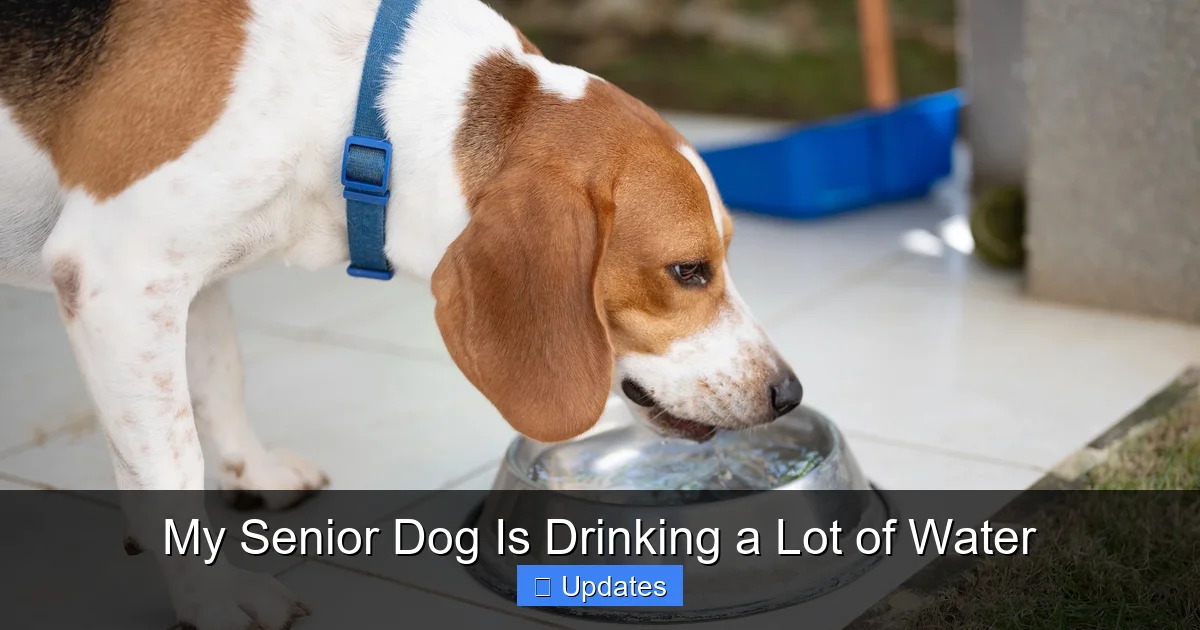
Visual guide about My Senior Dog Is Drinking a Lot of Water
Image source: thefarmersdog.com
When your senior dog starts drinking excessively, it’s rarely random. There’s usually a physiological reason driving the behavior. Here are the most frequent culprits veterinarians encounter:
Diabetes Mellitus
One of the top explanations for my senior dog is drinking a lot of water is diabetes. When a dog’s pancreas doesn’t produce enough insulin or their cells stop responding to it, glucose builds up in the bloodstream instead of being used for energy. The body tries to flush out the excess sugar through urine, pulling large amounts of water along with it—leading to intense thirst and frequent urination. Other signs include increased hunger, weight loss despite a good appetite, and lethargy.
Kidney Disease
As dogs age, their kidneys gradually lose function. Chronic kidney disease (CKD) is extremely common in senior pets. When kidneys can’t filter waste effectively, toxins accumulate in the blood, prompting the body to produce more urine to try to eliminate them. This results in constant thirst and urination. CKD also causes nausea, bad breath (uremic halitosis), and decreased appetite. Blood tests can confirm kidney values like BUN and creatinine.
Cushing’s Syndrome (Hyperadrenocorticism)
This endocrine disorder occurs when the adrenal glands produce too much cortisol. Cushing’s mimics diabetes symptoms: excessive drinking, frequent urination, a pot-bellied appearance, hair loss, and skin thinning. Unlike diabetes, however, dogs with Cushing’s often gain weight and show increased hunger. Diagnosis typically involves specific blood tests like the ACTH stimulation test or low-dose dexamethasone suppression test.
Urinary Tract Infections (UTIs) or Bladder Issues
If your dog is drinking more because their bladder hurts when they pee, they may gulp water quickly to ease discomfort. UTIs are especially common in older female dogs due to shorter urethras. Signs include straining to urinate, bloody urine, accidents indoors, and licking the genital area excessively. Your vet can run a urinalysis to detect bacteria or crystals.
Medication Side Effects
Some medications—particularly steroids like prednisone—can trigger polydipsia as a side effect. If your dog started a new prescription recently, ask your vet whether increased thirst is listed as a possibility. Never stop or adjust meds without professional guidance.
Heatstroke or Fever
Even brief exposure to high temperatures or an infection causing fever can temporarily boost water intake. Monitor your dog closely during warm weather and ensure they rest in cool areas. If fever persists over 103°F (39.4°C), seek immediate care.
How to Monitor and Track Changes
Visual guide about My Senior Dog Is Drinking a Lot of Water
Image source: thefarmersdog.com
Tracking your senior dog’s water consumption doesn’t require fancy gadgets—just observation and consistency. Start by measuring how much water they drink daily. Use a clean measuring cup or marked container to log intake each morning and evening. Note any spikes, especially around meal times (some dogs associate feeding with water).
Also pay attention to where they drink. Do they lap frantically from the bowl, or sip slowly? Is the water level dropping faster than before? Record bathroom breaks too—how often do they go outside? How much urine comes out? Sudden increases in both drinking and urination strongly suggest metabolic issues like diabetes or kidney disease.
Another helpful tip: place a small amount of food coloring in their water bowl. If you notice colored urine within hours, it confirms they’re drinking—and possibly excreting large volumes. Just be sure the dye is non-toxic (food-grade only). Avoid this method if your dog has liver disease, though.
Finally, keep a simple journal. Write down dates, behaviors, appetite changes, coat condition, energy levels, and vet visits. Over time, patterns will emerge that help your veterinarian pinpoint the issue. Many pet parents find apps useful for logging symptoms, but even a notebook works wonders.
When Should You Call the Vet?
Visual guide about My Senior Dog Is Drinking a Lot of Water
Image source: thatfluffingdog.com
Knowing when my senior dog is drinking a lot of water crosses the line into concern requires clear red flags. Don’t wait if you observe any of the following:
– Drinking more than double their usual amount
– Urinating frequently or in large quantities (soaking entire bedding)
– Acting weak, dizzy, or unusually tired
– Losing weight rapidly despite normal eating
– Vomiting, diarrhea, or refusing food
– Confusion, disorientation, or circling (signs of neurological issues)
Even if your dog seems otherwise fine, schedule a wellness exam every six months once they hit senior status (typically 7+ years for medium dogs, 5+ for large breeds). Routine bloodwork and urinalysis can catch subtle changes before symptoms worsen.
Remember, early intervention dramatically improves prognosis for treatable conditions. A simple urine test might reveal glucose or protein—two early indicators of diabetes or kidney dysfunction. Delaying care risks irreversible damage.
Practical Tips for Managing Increased Thirst
While waiting for your vet appointment or managing ongoing conditions, there are steps you can take to support your senior dog’s comfort:
Provide Multiple Fresh Water Sources
Place several clean bowls around the house—especially near resting spots, food, and favorite lounging areas. Some dogs prefer running water, so consider a pet fountain. Change water twice daily to prevent algae growth and keep it appealing.
Limited Nighttime Access
To reduce nighttime urination, restrict water starting a few hours before bedtime. However, never withhold water entirely—always leave a small amount available overnight in case they get thirsty during sleep. Consult your vet about timing; rules vary by condition.
Wet Food Increases Hydration
Switching to high-moisture diets (canned or fresh) adds fluid without encouraging excessive drinking. Wet food also supports kidney health by reducing strain on aging organs. Aim for 60–70% moisture content if possible.
Monitor Electrolytes and Nutrition
Senior-specific formulas often contain balanced electrolytes, lower phosphorus (for kidney support), and added fiber. Work with your vet to choose appropriate nutrition based on your dog’s lab results and diagnosis.
Create a Cool, Quiet Environment
Overheating raises thirst. Ensure your dog has shaded, ventilated spaces year-round. Use cooling mats or fans during summer. Stress also increases cortisol, potentially worsening Cushing’s symptoms.
Gentle Exercise and Mental Stimulation
Light walks and puzzle toys maintain circulation and mental sharpness without taxing joints. Movement helps regulate metabolism and may reduce compulsive drinking associated with anxiety or boredom.
Quality of Life Considerations
At some point, you may wonder: Is it fair to keep pushing treatments if my senior dog is suffering? Quality of life assessments are deeply personal but essential conversations. Factors include pain levels, mobility, appetite, bathroom habits, and joy in daily routines. Tools like the HHHHH mnemonic (Happy, Harmonious, Healthy, Hopeful, Helpful) can guide discussions with your vet.
If your dog’s excessive drinking stems from an incurable condition like end-stage kidney failure, palliative care becomes the priority. This focuses on comfort—pain management, appetite stimulants, and emotional support—rather than curative measures. Open communication with your veterinarian ensures decisions align with your dog’s well-being.
Many families find peace in knowing they gave their senior dog every chance to thrive. Even when disease progresses, love, patience, and dignity remain constants. Saying goodbye with kindness honors the bond you share.
Prevention and Long-Term Wellness
While you can’t always prevent age-related diseases, proactive care reduces risk and delays onset. Annual or biannual vet exams starting at senior age allow early detection. Vaccinations, parasite prevention, dental cleanings, and weight management all contribute to longevity.
Consider holistic approaches under veterinary supervision: acupuncture for pain, omega-3 supplements for joint health, or CBD oil (with approval) for anxiety. Never self-prescribe herbs or over-the-counter meds—interactions with existing conditions are risky.
Lastly, trust your instincts. You know your dog best. If something feels off—even if tests come back normal—don’t dismiss it. Advocate for thorough investigations. Your attentiveness is one of the greatest gifts you can give your senior companion.
In closing, noticing that my senior dog is drinking a lot of water is your body’s way of asking for help. With compassion, information, and timely action, you can navigate this challenging phase together. Whether the cause is treatable or managed, your love makes all the difference.
Frequently Asked Questions
Why is my senior dog drinking a lot of water but acting normal?
This could indicate early-stage kidney disease or diabetes, where symptoms develop gradually. Blood and urine tests are needed to confirm. Monitoring other signs like appetite and urination frequency helps track progress.
Can stress cause excessive drinking in senior dogs?
Yes, anxiety or environmental changes can increase thirst temporarily. However, persistent polydipsia usually points to medical issues rather than behavioral causes alone.
Should I limit my senior dog’s water intake?
Only under veterinary guidance. Restricting water risks dehydration and kidney damage. Instead, monitor intake and consult your vet before making changes.
How much water is too much for a senior dog?
If your dog drinks more than double their usual amount—or shows frequent urination, lethargy, or weight loss—it’s time for a vet visit. Normal range is ~1 oz per pound daily.
Are certain breeds more prone to excessive thirst?
Not directly, but breeds prone to diabetes (e.g., Poodles, Schnauzers) or kidney disease (e.g., Cocker Spaniels) may be at higher risk. Genetics play a role alongside age.
What tests diagnose the cause of increased thirst?
Bloodwork (glucose, BUN, creatinine), urinalysis (specific gravity, glucose, protein), and sometimes imaging (ultrasound) help identify diabetes, kidney disease, Cushing’s, or UTIs.