
Fall Proofing Home for Elderly Tips to Stay Safe


Book Holder Stand

Electric Kettle with Auto Shutoff
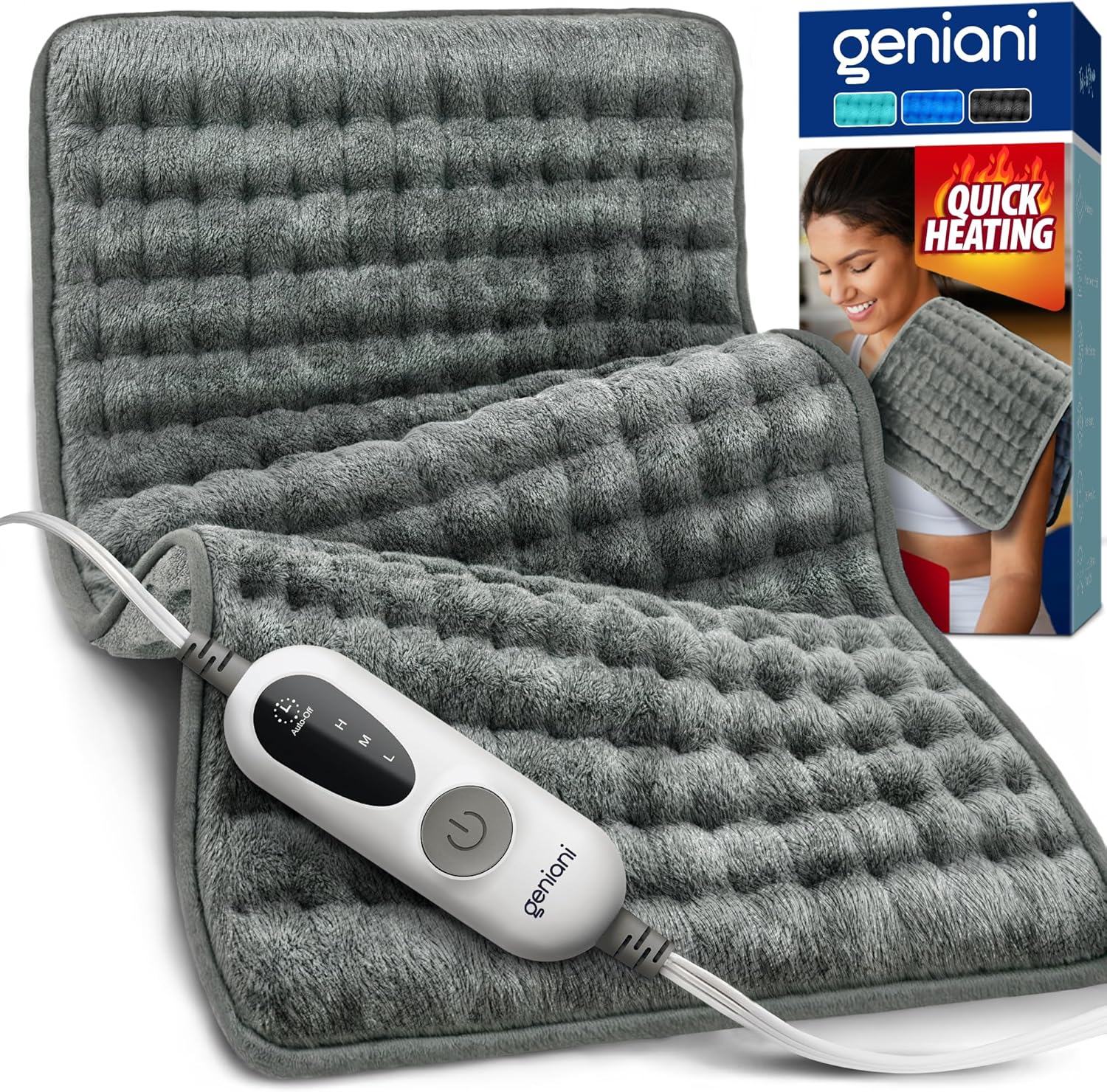
Electric Heating Pad
Fall proofing a home for an older adult starts with simple changes like better lighting, clear walkways, and secure bathroom supports. The safest plan is to fix the biggest hazards first and update the home again as mobility changes.
Fall proofing home for elderly loved ones is one of the most practical ways to protect independence at home. Small changes can reduce the chance of a serious fall, make daily routines easier, and give families more peace of mind.
- Start with high-risk rooms: Focus first on bathrooms, stairs, bedrooms, and entryways.
- Use secure supports: Choose sturdy grab bars and handrails instead of unstable accessories.
- Reduce everyday hazards: Remove clutter, secure cords, and improve lighting.
- Watch for warning signs: Falls, dizziness, and near-falls mean it may be time for professional help.
- Recheck often: Update safety measures as health and mobility needs change.
Why Fall Proofing Home for Elderly Matters in 2026
As more older adults choose to age in place, home safety matters more than ever. A fall can lead to pain, fear of moving around, hospital visits, and a longer recovery than many families expect.
Even a minor fall can change how confident a person feels when walking, bathing, or getting out of bed. That loss of confidence can lead to less activity, weaker muscles, and more caregiving needs over time.
How falls impact independence, recovery, and caregiving needs
For many seniors, the biggest concern is not only the injury itself, but what happens afterward. A fall may make it harder to dress, cook, shower, or use the stairs safely.
Recovery can also be slower if a person already has balance problems, arthritis, vision changes, or side effects from medication. If that sounds familiar, talk to your doctor or healthcare provider about whether a medical review is needed.
What readers want: practical ways to make a home safer without major renovation
Most families do not want a full remodel. They want realistic changes that are affordable, easy to understand, and effective right away.
The good news is that many safety improvements do not require construction. Better lighting, clearer walkways, and a few sturdy safety devices can make a meaningful difference.
Start With a Room-by-Room Fall Risk Check
A careful walk-through of the home is a smart first step. Look at the places where a senior stands up, turns, carries items, or moves in low light.
If possible, do the check during the day and again at night. Some hazards are easy to miss until the home is dark or the person is tired.
Entryways, stairs, hallways, and lighting hazards
Entryways should be clear, well lit, and easy to navigate. Watch for loose mats, uneven steps, clutter near the door, and poor lighting at thresholds.
Stairs deserve extra attention. Handrails should feel solid, and light switches should be easy to reach before the first step. Hallways should stay open so walkers, canes, and even carrying a laundry basket do not become a problem.
Bathroom dangers: slippery floors, tubs, and toilet transfers
The bathroom is one of the highest-risk rooms in many homes. Wet floors, low toilets, and stepping in and out of a tub can all make balance more difficult.
Pay close attention to where a person turns, sits, and stands. If a shower chair, raised toilet seat, or grab bar is needed, make sure it is installed securely and used correctly. If you are unsure which products are appropriate, consult your healthcare provider or occupational therapist.
Kitchen and bedroom risks that are often overlooked
In the kitchen, spills, low cabinets, and reaching for heavy items can create trouble. Frequently used dishes and food should be stored where they can be reached without climbing or bending too far.
In the bedroom, the path from the bed to the bathroom should be clear. Nightstands, cords, oxygen tubing, and loose slippers can all become trip hazards in the dark.
High-Impact Fall Proofing Changes That Make the Biggest Difference
Some updates offer a lot of safety value for relatively little effort. These are often the best places to start because they reduce common risks without changing the whole home.
Improving lighting, removing trip hazards, and securing cords
Good lighting helps older adults judge steps, edges, and obstacles more accurately. Use brighter bulbs where needed, and add night lights in hallways, bathrooms, and near the bed.
Remove clutter from floors, secure loose cords along walls, and keep pathways wide enough for steady walking. If a person uses a walker or cane, the route should be clear enough to turn comfortably without squeezing through tight spaces.
Try the “same path every night” rule. Keep the route from the bed to the bathroom free of furniture, shoes, and cords so it feels familiar in the dark.
Installing grab bars, handrails, and non-slip surfaces
Grab bars can help with balance near the toilet, tub, and shower, but they must be installed into a wall that can support the load. Towel bars and suction devices are not always reliable substitutes.
Handrails on both sides of stairs can add stability. Non-slip mats and textured surfaces can also help, especially in rooms where water is common.
Never assume a bath mat, shower stool, or suction grab bar will hold weight safely. If a device shifts, slips, or feels loose, stop using it and replace it with a more secure option.
Choosing safer footwear, furniture height, and bed setup
Well-fitting shoes with non-slip soles are safer than loose slippers or socks on smooth floors. Seniors should avoid footwear that catches on carpet edges or slides off easily.
Furniture height matters too. Chairs and beds that are too low can make standing up harder, while very high surfaces can make sitting down unsafe. A bed that is too low or too soft may also increase the risk of stumbling when getting up.
Many falls happen during ordinary routines, not during unusual activities. Standing up, turning, and walking to the bathroom are common moments when extra support helps.
Practical Fall Prevention Tips for Everyday Routines
Fall proofing is not only about the home itself. Daily habits matter too, especially when a person is tired, rushed, or dealing with medication side effects.
These small routine changes can help reduce risk without making life feel overly restricted.
How to reduce risk during nighttime bathroom trips
Nighttime is a common time for falls because vision is reduced and the body may be stiff after resting. Keep a clear path to the bathroom, use a night light, and make sure the floor is dry.
Some families place a sturdy chair or stable support near the bed for balance before standing. If getting up at night is frequent, talk to your doctor about whether a medical issue, fluid timing, or medication could be contributing.
Safe movement habits for getting up, sitting down, and turning
Older adults should take their time when rising from a chair or bed. Standing too quickly can cause lightheadedness, especially after sitting for a long time.
Encourage a simple pattern: sit first, plant both feet, pause, then stand. When turning, take small steps instead of twisting suddenly. This can be especially helpful for people with joint pain or balance concerns.
If a senior feels dizzy, weak, or unsteady often, do not assume it is “just aging.” A medication review, vision check, or medical visit may uncover a treatable cause.
Medication, vision, and hydration factors that affect balance
Some medicines can cause drowsiness, slower reaction time, or dizziness. That does not mean they should be stopped on your own, but it does mean a pharmacist or healthcare provider should review them if falls are a concern.
Vision changes and dehydration can also affect balance. Make sure glasses are up to date, and encourage regular fluids unless a doctor has given a reason to limit them.
If falls are happening more than once, or if there is new dizziness, confusion, leg weakness, or fainting, contact a healthcare professional promptly. These can be signs that the issue is not just the home environment.
Common Mistakes Families Make When Fall Proofing a Home
Well-meaning families sometimes focus on the wrong fixes. A home can look safer on the surface while still having hidden risks in daily use.
Relying on rugs, cluttered pathways, or “just being careful”
Area rugs may look nice, but they can slide or curl at the edges. Cluttered hallways, pet toys, and cords can also create trip hazards, even for someone who is usually steady on their feet.
“Just be careful” is not a real safety plan. A person can be careful and still fall if the lighting is poor or the floor is slippery.
Using the wrong bathroom accessories or unstable step stools
Bathroom accessories should be sturdy and appropriate for the person’s needs. A lightweight stool, a wobbling shower seat, or a poorly placed grab aid can increase risk instead of reducing it.
Step stools are another common problem. If a senior must reach high shelves, it is usually safer to reorganize storage than to rely on climbing.
Ignoring early signs that a senior needs more support
Families sometimes wait until a fall happens before making changes. Early warning signs include holding onto walls, shuffling, avoiding stairs, or feeling afraid to walk in the dark.
These signs may mean the home needs more support, or that the person needs a mobility aid, physical therapy, or a care plan update. Consult a healthcare provider if these changes appear.
When to Call a Professional for Home Safety Help
DIY changes are a great start, but some situations call for expert input. That is especially true when the senior has complex health needs or the home has multiple hazards.
Warning signs that a simple DIY approach is no longer enough
If the person has already fallen, feels unsteady most days, or needs help getting in and out of the bath, the home may need more than small fixes. Repeated near-falls are also a sign to get help sooner rather than later.
Homes with stairs, narrow bathrooms, or very limited space can be harder to adapt safely. In those cases, a professional can help prioritize the changes that matter most.
Who to contact: occupational therapists, home safety assessors, and contractors
An occupational therapist can suggest practical changes based on how the person moves and what tasks are difficult. A home safety assessor can identify hazards room by room.
For installation work, use a qualified contractor for grab bars, railings, ramps, and other structural changes. If costs are a concern, ask whether any items may be covered by Medicare, supplemental insurance, or a local program; coverage varies by plan and location.
Red flags that may require mobility aids or a care plan update
If walking has become slower, the person is using furniture for support, or getting up from a chair is difficult, a mobility aid may be worth discussing. A cane, walker, or other device should be chosen with professional guidance so it fits the person correctly.
Care plans may also need updating if the senior now needs help bathing, dressing, or moving safely at night. When in doubt, talk to your doctor or healthcare provider before making major changes.
Cost Comparison: Budget-Friendly Updates vs. Full Home Modifications
Cost is a major concern for many families. The right approach often depends on current risk, the home layout, and how long the person plans to stay there.
Some improvements are inexpensive and can be done quickly. Others cost more but may be worthwhile for long-term aging in place.
Low-cost fixes seniors and caregivers can do right away
Simple updates include clearing walkways, improving lamp placement, adding night lights, and removing loose rugs. These changes are often the fastest way to reduce risk.
Rearranging furniture, securing cords, and storing frequently used items at easy reach also cost little or nothing. These are good first steps for most homes.
Mid-range upgrades that offer strong safety value
Mid-range improvements often include grab bars, better shower equipment, railings, and safer flooring in key areas. These upgrades can offer strong value because they address high-risk activities like bathing and stair use.
For many families, this is the point where a professional opinion helps. A small investment in the right product can be more useful than buying several items that do not fit the person’s needs.
| Option | Best For | Note |
|---|---|---|
| Low-cost fixes | Immediate risk reduction | Good first step for most homes |
| Mid-range upgrades | Bath and stair safety | Often worth professional installation |
| Full modifications | Long-term aging in place | Best when mobility needs are changing |
Higher-cost modifications for aging in place long term
More extensive changes may include walk-in showers, ramps, wider doorways, or bathroom redesigns. These can make a home easier to use as mobility changes over time.
Because these projects can be expensive, it helps to compare options carefully and ask about insurance or Medicare coverage where relevant. Coverage rules vary, and some items may still be out-of-pocket.
Final Recap: The Smartest Fall Proofing Priorities for Elderly Safety
The best fall proofing home for elderly safety starts with the basics: clear paths, strong lighting, secure bathroom supports, and steady footwear. These changes address the most common hazards without requiring a major renovation.
As needs change, the home should change too. If balance, vision, strength, or memory becomes less reliable, it is wise to reassess the space and talk to your doctor, pharmacist, or healthcare provider about the next steps.
Top takeaways for reducing fall risk quickly and effectively
Start with the rooms and routines that matter most: stairs, bathrooms, bedrooms, and nighttime walking. Focus on changes that improve stability, visibility, and support.
Do not wait for a fall to take action. A careful home check, a few practical updates, and the right professional advice can make a home much safer.
How to keep the home safer as mobility needs change over time
Safety is not a one-time project. Review the home regularly, especially after illness, a new medication, a surgery, or any change in walking ability.
When the current setup no longer feels easy or secure, it is time to adjust the environment and the care plan. That is often the best way to support independence for as long as possible.
Frequently Asked Questions
Start with a room-by-room safety check. Focus on lighting, clutter, stairs, bathrooms, and any place where the person stands, turns, or walks in the dark.
The bathroom is often the highest priority because wet floors, tubs, and toilet transfers can be risky. Bedrooms and stairways are also important because many falls happen at night or when getting up.
Yes, secure grab bars are usually safer because they are designed to support body weight. Towel bars and suction devices may not hold reliably, so professional installation is often best.
Use night lights, keep the path clear, and make sure the floor is dry. A stable bed-to-bathroom route and easy-to-reach items can also reduce risk.
Get professional help if there have been falls, repeated near-falls, dizziness, or trouble with stairs and bathing. An occupational therapist or home safety assessor can suggest safer changes.
Coverage varies by plan and by the item or service. Some equipment or evaluations may be covered, but many home changes are out-of-pocket, so it is best to check with Medicare, your insurer, or a healthcare provider.