
Low Income Senior Apartments in Natomas


Slow Cooker Crock Pot

Electric Food Chopper

Fall Detection Smart Watch
Finding affordable, safe, and community-oriented housing is a top concern for seniors on fixed incomes in Natomas. This guide navigates the landscape of income-qualified senior apartments, detailing eligibility, key properties, the application process, and crucial financial assistance programs. You’ll learn practical steps to secure a home that fits your budget and lifestyle, connecting you with local resources and support systems designed for the 55+ community in this Sacramento neighborhood.
Welcome to Natomas, a vibrant and conveniently located community in the northern part of Sacramento. With its tree-lined streets, access to major highways, and a mix of residential and commercial areas, it’s a desirable place to call home. For seniors living on a fixed income, however, finding an apartment that is both comfortable and truly affordable can feel like a daunting challenge. The good news is that Natomas and the greater Sacramento region offer a selection of income-qualified senior housing options designed to provide security, community, and peace of mind. This guide is your friendly, comprehensive roadmap to navigating the world of low income senior apartments in Natomas. We’ll break down the jargon, outline the steps, and highlight specific resources so you can approach your housing search with confidence and clarity.
Key Takeaways
- Eligibility is primarily based on income: Most programs require household income to be at or below 50-60% of the Area Median Income (AMI) for Sacramento County, with specific limits varying by property and unit size.
- Housing options include subsidized & affordable units: You’ll find properties with project-based Section 8 subsidies, Low-Income Housing Tax Credit (LIHTC) units, and municipally funded apartments, each with distinct application portals and waitlists.
- The application process is detailed and requires documentation: Be prepared to provide proof of age, income (Social Security, pension, etc.), assets, identification, and rental history. Patience is key due to long waiting lists.
- Costs extend beyond rent: Understand what utilities, parking, and amenities are included. Many apartments charge a flat monthly rate, but some may have additional fees for specific services.
- Community features enhance quality of life: Look for apartments offering social activities, transportation assistance, security, and proximity to essential services like clinics and grocery stores in Natomas.
- Local and state resources are vital allies: Organizations like the Sacramento Housing and Redevelopment Agency (SHRA) and senior advocacy groups provide guidance, application assistance, and information on emergency support.
- Start your search early and be persistent: Waitlists can be several years long. Apply to multiple properties, keep your information updated with housing authorities, and regularly check for openings.
📑 Table of Contents
- Understanding the Need: Why Affordable Senior Housing Matters in Natomas
- Exploring Your Housing Options in Natomas
- Navigating the Application Process: A Step-by-Step Guide
- Costs, Fees, and Financial Assistance: What to Expect
- Community Life, Amenities, and What to Look For
- Practical Tips and Your Next Steps: Starting the Search Today
- Conclusion: A Stable Future Awaits
Understanding the Need: Why Affordable Senior Housing Matters in Natomas
As we age, our housing needs often change. We might seek smaller, more manageable living spaces, fewer stairs, and communities where neighbors know each other. For many seniors, a significant portion of monthly income comes from Social Security or a fixed pension. In a market where average rents can consume a large percentage of that income, the pressure is real. Affordable senior apartments bridge this gap by capping rent at a percentage of income, ensuring that seniors can afford not just a roof, but also food, healthcare, and other essentials.
Natomas, with its relative affordability compared to downtown Sacramento and its ample amenities, has become a focal point for such housing. These apartments are more than just units; they are communities built around the needs of adults aged 55 and older. They often feature design elements like grab bars, single-floor layouts, and well-lit common areas that promote independence and safety. The social aspect cannot be overstated—combating isolation is a critical benefit, with planned activities and shared spaces fostering connections that improve mental and emotional well-being.
The Financial Reality for Seniors in California
California’s cost of living is a well-known factor. For a senior relying solely on Social Security, which averages about $1,800/month nationally, finding an apartment under $800/month is a significant hurdle. Low-income senior housing programs are specifically designed to address this. Rent is typically set at 30% of the tenant’s adjusted gross income. This means if your monthly income is $1,200, your rent would be approximately $360, leaving funds for other necessities. This model provides a stable, predictable housing cost that is sustainable on a limited income.
Exploring Your Housing Options in Natomas
Not all affordable senior apartments are created equal. Understanding the different types of funding and management will help you target your search more effectively. In Natomas, you’ll primarily encounter three models:

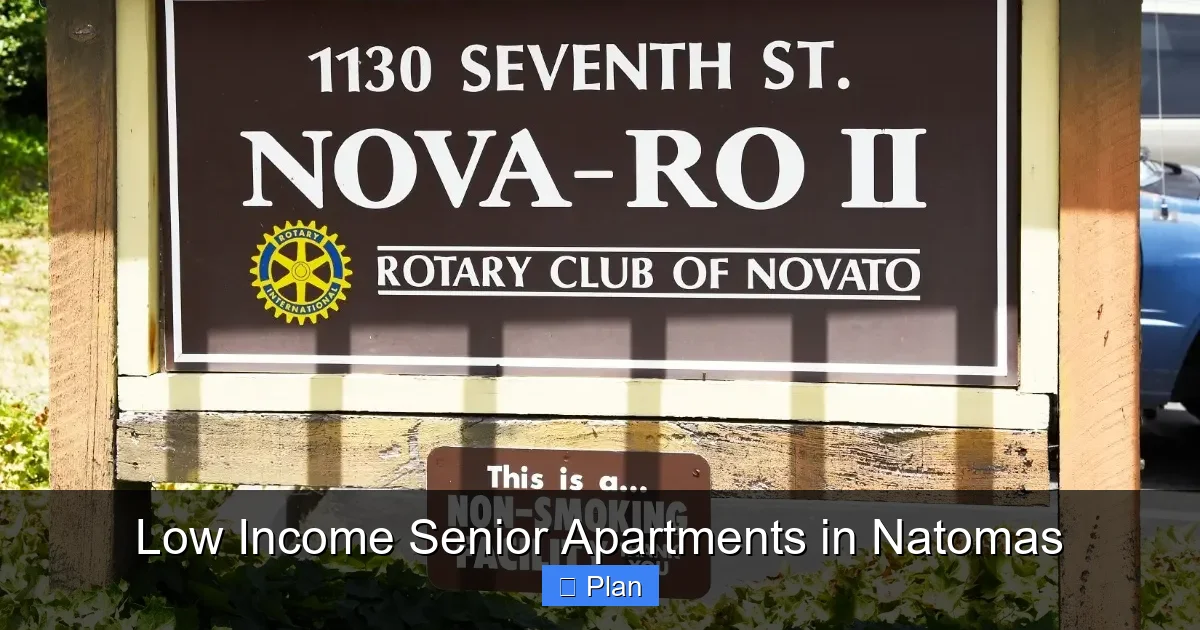
Visual guide about Low Income Senior Apartments in Natomas
Image source: lowincomehousing.us
- Project-Based Section 8 Housing: The federal government provides subsidies directly to the property owner, who in turn rents units to income-qualified seniors at reduced rates. You apply directly with the apartment management. These are often the most sought-after due to the deep subsidy.
- Low-Income Housing Tax Credit (LIHTC) Properties: These are developed using federal tax credits. They have income restrictions similar to Section 8 but may have slightly higher rents. A percentage of units in these newer properties are set aside for seniors.
- Public Housing & Housing Choice Vouchers: Managed by local housing authorities like the Sacramento Housing and Redevelopment Agency (SHRA). Public housing are apartments owned and managed by the agency. The Housing Choice Voucher program (Section 8 waitlist) allows you to find your own apartment in the private market, with the voucher paying the difference between the rent and your income portion. It is crucial to understand that the waiting list for new Housing Choice Vouchers in Sacramento County is famously long, often closed for years at a time. However, applying for project-based units in specific senior buildings is a separate and often more viable path.
When you see a property advertised as “income-restricted” or “affordable housing for seniors,” it is likely operating under one of these models. Always ask the leasing office which program they participate in for clarity.
Notable Income-Qualified Senior Communities in and Near Natomas
While specific availability changes constantly, here are examples of the *types* of properties and organizations you should research in the Natomas area. This is not an exhaustive list, and you must contact each property directly for current waitlist status and eligibility.
- Natomas Senior Apartments: Properties specifically designed for seniors within the Natomas community boundaries. These can range from large complexes to smaller, boutique-style buildings.
- Sacramento Housing and Redevelopment Agency (SHRA) Senior Properties: SHRA manages several senior-focused public housing communities across Sacramento, some of which are located in or adjacent to the Natomas area. Their website is the official source for applications and waitlist information.
- Non-Profit Developed Communities: Organizations like Mercy Housing, Volunteers of America, and local community development corporations often develop and manage affordable senior housing. Searching for “affordable senior housing Sacramento” and filtering for Natomas can uncover these gems.
Pro Tip: Use online aggregators like Affordable Housing Online and filter by “Sacramento, CA” and “Senior/55+ Community.” Always verify the information by calling the property directly, as third-party sites can be outdated.
Navigating the Application Process: A Step-by-Step Guide
The application for low-income senior housing is thorough. Think of it as a financial and personal dossier that proves your eligibility. Rushing or submitting incomplete documents is the fastest way to get disqualified or removed from a waitlist. Here is a breakdown of what to expect and how to prepare.
Visual guide about Low Income Senior Apartments in Natomas
Image source: patch.com
Gathering Your Essential Documentation
Before you even pick up the phone or download an application, start a folder—physical or digital—with the following documents for all household members (including a live-in aide if applicable):
- Proof of Age: Driver’s license, state ID, or passport. You must be 55+ or 62+, depending on the property’s age restriction.
- Proof of Income: This is the most critical part. Gather recent award letters from Social Security, SSI, pensions, annuities, and bank statements showing interest. If you work part-time, provide recent pay stubs (usually 30 days).
- Proof of Assets: Bank statements (checking and savings), statements from stocks/bonds, and information on any other assets. Some programs have asset limits.
- Tax Returns: Typically, the most recent two years of federal tax returns.
- Rental History: Contact information for your current and previous landlords for the last 2-3 years.
- Identification: Social Security cards for all household members.
Having these organized and ready to copy or upload will make the application process infinitely smoother. For a deep dive into the specific qualifications and documentation, the article How to Qualify for Low Income Senior Housing is an excellent companion resource.
Submitting Applications and Managing Waitlists
Once you have identified 5-10 properties that seem like a good fit (location, amenities, pet policies), it’s time to apply. Apply to as many as possible. Do not put all your hopes on a single waitlist. Here’s the typical timeline:
- Application Submission: Complete the form in full, attach all copies of your documents, and pay any application fee (usually $25-$50, non-refundable).
- Review & Verification: The management or housing authority will verify your income, citizenship, and background. This can take 4-8 weeks.
- Waitlist Placement: If eligible, you are placed on a waitlist and given a ranking number or date. This is the hardest part—waiting. Wait times vary wildly. In high-demand areas like Sacramento, it can be 1 to 5+ years.
- Check-In Requirements: Many waitlists require you to “check in” every 6-12 months by mail or online to confirm you still need housing. Failing to check-in usually means automatic removal from the list. Mark your calendar!
- Unit Offer: When a unit becomes available, you will be contacted. You must respond quickly, often within 48-72 hours, and complete a full lease agreement and move-in inspection.
Patience and organization are your greatest allies during this period. Keep a spreadsheet tracking where you applied, your application date, waitlist number, contact person, and next check-in date.
Costs, Fees, and Financial Assistance: What to Expect
The term “low income” means your rent is calculated based on your income, but it’s not always free. Understanding the full financial picture is essential for budgeting.
Visual guide about Low Income Senior Apartments in Natomas
Image source: lowincomefamilies.com
Calculating Your Rent
The standard formula for most federally subsidized programs is: **Total Monthly Rent = 30% of your monthly adjusted gross income.** “Adjusted gross income” means your total income minus certain deductions (like a $480 deduction for an elderly household, and possibly medical expenses over 3% of income for disabled tenants). The property manager will calculate this for you. For example:
- Monthly Income (Social Security + Pension): $1,500
- Standard Elderly Deduction: -$480
- Adjusted Income: $1,020
- Your Monthly Rent (30%): ~$306
This rent typically includes water, sewer, and trash. You will almost always be responsible for electricity, gas, cable/internet, and phone. Some buildings may have a small monthly fee for amenities like a clubhouse or parking.
Additional Fees to Budget For
- Application Fee: Paid once per application.
- Security Deposit: Usually equal to one month’s rent (your calculated portion). This is refundable upon move-out, minus any damages.
- Move-In/Move-Out Fees: Some properties charge a fee for key turnover or administrative processing.
- Parking: Assigned parking may be included, or there may be an additional monthly fee for a dedicated spot or garage.
When you are offered a unit, you will receive a detailed breakdown of all costs before you sign the lease. Read it carefully!
Beyond Rent: Supplemental Support Programs
If your income is extremely low, you may qualify for additional assistance that can help with utilities, food, or medical costs, stretching your housing budget further. Programs like the Low-Income Home Energy Assistance Program (LIHEAP) can help pay gas and electric bills. CalFresh (California’s SNAP program) provides food benefits. Medi-Cal covers healthcare costs. Applying for these can significantly reduce your overall financial stress. You can learn more about comprehensive support options in the article Help for Low Income Seniors, which covers a wide range of assistance available in California and beyond.
Community Life, Amenities, and What to Look For
An apartment is just a space; a community is a home. When evaluating low-income senior apartments in Natomas, consider the lifestyle and support systems they offer.
Essential Amenities for Comfort & Accessibility
Look for features that support aging in place safely:
- Accessibility: No-step entries, wide doorways, grab bars in bathrooms, emergency call systems in units.
- Security: Controlled access entry, security patrols, intercom systems, and well-lit grounds and parking areas.
- Maintenance: A responsive maintenance team is crucial. Ask about typical response times for repairs.
- Laundry: On-site laundry facilities (common in affordable housing) or, ideally, in-unit washer/dryer hookups.
Social & Wellness Programs: The Heart of Senior Living
The best senior apartments foster community. Ask the leasing agent about:
- Social Calendar: Are there regular activities? Holiday parties, game nights, exercise classes, educational workshops, or group outings?
- Common Areas: Is there a clubhouse or community room? A library? A garden or patio? Shared spaces encourage interaction.
- Transportation: Do they offer a scheduled shuttle service to grocery stores, medical appointments, or the nearby Natomas Town Center? This is a huge benefit for non-drivers.
- Service Connections: Do they have partnerships with local agencies for health screenings, meal delivery programs (like Meals on Wheels), or senior advocacy?
A vibrant community program can dramatically improve quality of life, providing purpose, routine, and friendship.
Practical Tips and Your Next Steps: Starting the Search Today
Knowledge is power, but action is everything. Here is your actionable plan to begin the search for low-income senior apartments in Natomas.
1. Get Your Finances and Documents in Order
Before you call anyone, get your paperwork together as described earlier. Contact the Social Security Administration to get a benefits verification letter if you don’t have your latest award notice. This document is gold for proving income.
2. Cast a Wide Net in Natomas and Adjacent Areas
While Natomas is your target, expand your search to immediately neighboring areas like North Sacramento, Del Paso Heights, and even parts of Yolo County if transportation is feasible. More geographic options mean more potential waitlists moving simultaneously. Use the search terms “senior apartments 55+ Sacramento,” “affordable housing for seniors Sacramento County,” and “income-restricted housing Natomas.”
3. Make Contact and Ask the Right Questions
When you call a property, have your list of questions ready. Beyond rent and wait time, ask:
- “What is the exact income limit for a one-bedroom for one person?” (Get the specific dollar amount).
- “What is your pet policy? Are there deposits or monthly pet rents?”
- “What utilities are included in the rent?”
- “Do you have a resident services coordinator or social worker on-site?”
- “What is the crime like in this area? Is there security patrol?”
- “What is the average wait time for a one-bedroom unit right now?”
Take notes during every call. This helps you compare properties later.
4. Apply Strategically and Stay Organized
Apply to your top 5-7 choices first. Use a spreadsheet as your command center. Track everything. Set calendar reminders for check-in dates. If your phone number or address changes, you are responsible for updating every single housing provider and the SHRA. Failure to do so can mean losing your spot.
5. Leverage Local Senior Resources
You do not have to do this alone. In Sacramento County, the Area Agency on Aging (AAA) (often part of the local county government) is a wealth of information. They can provide counseling on housing options, help with applications, and connect you to other senior services. The Sacramento Housing and Redevelopment Agency (SHRA) is the gateway for public housing and voucher information. Their website and physical offices are key resources. Don’t hesitate to reach out for guidance—that’s what they are there for.
Conclusion: A Stable Future Awaits
The journey to securing a low-income senior apartment in Natomas is a marathon, not a sprint. It requires patience, meticulous organization, and a proactive attitude. But the destination—a secure, affordable, and community-oriented home—is worth the effort. By understanding the programs, preparing your documents, applying broadly, and utilizing local support systems, you can navigate this complex system successfully. Remember, you are not just applying for an apartment; you are investing in your well-being, your independence, and your social connectedness in your golden years. Start gathering your paperwork today, make those calls, and take that first confident step toward finding your comfortable, affordable home in Natomas.
Frequently Asked Questions
What are the income limits to qualify for low-income senior housing in Natomas?
Income limits are set annually by HUD based on the Area Median Income (AMI) for Sacramento County. For most subsidized senior units, you must have an income at or below 50-60% of the AMI. For a one-person household in 2024, this is approximately $36,000 to $43,000 annually, but the exact figure changes. Always confirm the current limit with the specific apartment property.
How long is the waiting list for these apartments?
Wait times vary significantly by property and unit size. In high-demand areas like Natomas, it is common to wait 1 to 5 years or even longer. Some properties may have a shorter wait if they have a newly opened building or if a larger number of units recently became available. Applying to multiple properties increases your chances of a shorter wait for at least one.
Can I have a pet in low-income senior housing?
Pet policies vary by property. Many allow small dogs and cats, often with restrictions on size and breed. There is usually a non-refundable pet deposit and possibly a small monthly pet rent. Some communities are “pet-friendly” and welcome them, while others may have “no pet” policies. Always ask about the specific policy before applying if you have an animal.
Is transportation provided?
Some, but not all, low-income senior apartments offer transportation services. This can range from a scheduled weekly shuttle to a local grocery store or shopping center to more flexible, appointment-based rides to medical facilities. It’s a valuable amenity to ask about during your inquiry, as Natomas is a car-centric area, and not all seniors drive.
Are medical services available on-site?
Full medical clinics are rare in standard affordable senior apartments. However, many properties host visiting nurses, health screening events, or have strong partnerships with local clinics and home health agencies. They may also have information about in-home care services. For regular medical care, you will likely need to travel to nearby doctors’ offices or clinics.
What documents do I need to start an application?
You will need: a government-issued photo ID (driver’s license, state ID), proof of age (like a birth certificate), Social Security cards for all household members, recent proof of all income sources (Social Security award letter, pension statements, pay stubs), recent bank statements, and the last two years of federal tax returns. Having these ready will speed up the process immensely.