
Low Income Senior Housing Northern Ky


Reacher Grabber Tool

Raised Toilet Seat

Robot Vacuum Cleaner
Low income senior housing in Northern KY offers safe, affordable living for older adults with limited budgets. From government-subsidized apartments to nonprofit communities, there are practical solutions that prioritize comfort, accessibility, and community.
Finding a safe, comfortable, and affordable place to live is one of the biggest concerns for older adults living on a fixed income—especially in today’s rising cost of living. For seniors in Northern Kentucky, the good news is that there are real solutions. Low income senior housing in Northern KY is not only available, but it’s designed with the unique needs of older adults in mind. Whether you’re 62 or 92, whether you’re living alone or with a spouse, there are housing options that can help stretch your dollars while keeping you close to family, healthcare, and community.
But let’s be honest—navigating the world of affordable housing can feel overwhelming. You might be asking: Where do I start? How do I qualify? What’s the difference between a subsidized apartment and a senior living community? And how long will I have to wait? These are all valid questions, and the answers matter. The goal of this guide is to cut through the confusion and give you clear, actionable information about low income senior housing in Northern KY. We’ll walk you through the types of housing available, how to apply, what to expect, and where to get help along the way.
You don’t have to do this alone. Northern Kentucky has a network of organizations, housing authorities, and community programs dedicated to helping seniors find stable, dignified housing. From Covington to Florence, and from Newport to Independence, there are communities built specifically for older adults who need a little extra support. And the best part? Many of these places offer more than just a roof over your head—they offer a sense of belonging, safety, and peace of mind.
Key Takeaways
- Multiple housing options exist: Northern KY has a range of low income senior housing, including HUD-subsidized apartments, nonprofit-run communities, and state-assisted residences.
- Income limits apply: Eligibility is based on household income, typically set at or below 50–80% of the area median income (AMI) for the region.
- Location matters: Cities like Covington, Newport, Florence, and Independence offer accessible, well-connected senior housing near healthcare and transit.
- Apply early and often: Waitlists can be long—sometimes over a year—so it’s smart to apply as soon as you qualify.
- Support services are available: Many communities provide on-site assistance like meal programs, transportation, and wellness activities.
- Know your rights: Seniors are protected under fair housing laws, and landlords cannot discriminate based on age or income source.
- Help is out there: Local agencies like the Northern Kentucky Area Development District (NKADD) and Housing Authority of Covington can guide you through the process.
📑 Table of Contents
- Understanding Low Income Senior Housing in Northern KY
- Types of Affordable Senior Housing Available
- Eligibility and Income Requirements
- How to Apply for Low Income Senior Housing
- Top Senior Housing Communities in Northern KY
- Support Services and Community Resources
- Tips for a Smooth Transition
- Conclusion
Understanding Low Income Senior Housing in Northern KY
So, what exactly is low income senior housing? At its core, it’s housing designed for older adults—typically 55 or 62 and older—who earn below a certain income threshold. These homes are often subsidized by government programs or operated by nonprofit organizations to keep rents affordable. Unlike market-rate apartments, where rent is set by demand, low income senior housing uses income-based calculations to determine what you pay each month.
In Northern KY, most of these programs fall under the umbrella of federal or state assistance. The U.S. Department of Housing and Urban Development (HUD) plays a major role, funding Section 202 Supportive Housing for the Elderly and other initiatives. Additionally, the Kentucky Housing Corporation (KHC) administers state-level programs that support affordable housing for seniors. These programs work with local housing authorities and private developers to create and maintain safe, accessible housing.
One of the most common types of low income senior housing is the HUD-subsidized apartment. These are typically garden-style complexes or mid-rise buildings located in residential neighborhoods. Rent is usually set at 30% of your adjusted monthly income, which means if you receive Social Security or a pension, your rent will be calculated based on that amount. For example, if your monthly income is $1,200, your rent might be around $360—leaving you with more money for food, medicine, and other essentials.
Another option is nonprofit-run senior communities. These are often built with grants and donations and may offer additional services like meals, transportation, or social activities. Some are faith-based, run by churches or religious organizations, while others are secular and community-focused. These communities often have a strong sense of camaraderie and support, which can be especially valuable for seniors who live alone.
It’s also important to understand that “low income” doesn’t mean “low quality.” Many of these housing options are well-maintained, modern, and located in safe neighborhoods. They often feature amenities like elevators, grab bars, emergency call systems, and community rooms. Some even have on-site staff or partnerships with local agencies to help residents access healthcare, food assistance, or legal aid.
Types of Affordable Senior Housing Available
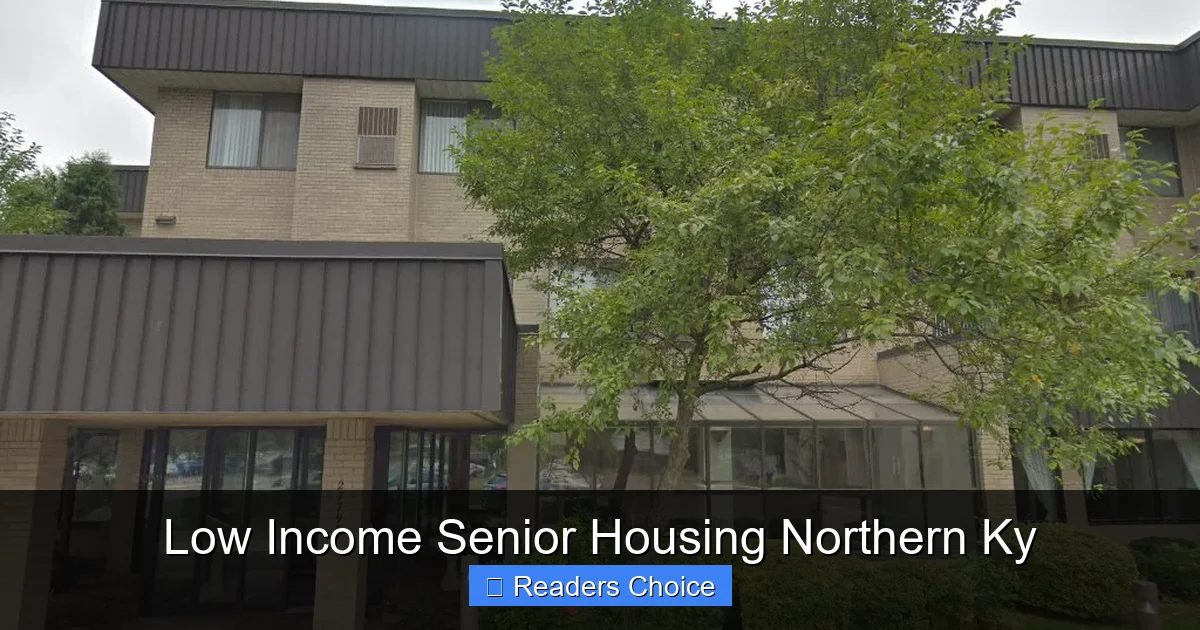
Visual guide about Low Income Senior Housing Northern Ky
Image source: cdn.uslowcosthousing.com
When it comes to low income senior housing in Northern KY, you have several options to choose from. Each type serves a slightly different need, so it’s helpful to understand the differences before you start applying.
HUD-Subsidized Senior Apartments
These are perhaps the most well-known type of affordable senior housing. Funded by the U.S. Department of Housing and Urban Development, these apartments are managed by local housing authorities or private owners who receive federal subsidies in exchange for keeping rents low. To qualify, you must be at least 62 years old (or 55 in some cases) and meet income requirements.
In Northern KY, examples include the Housing Authority of Covington’s senior properties, such as the Covington Towers and the Riverside Senior Apartments. These buildings are typically located near public transit, grocery stores, and medical facilities. Rent is based on 30% of your adjusted income, and utilities are often included or subsidized. Many of these complexes also offer community rooms, laundry facilities, and organized activities.
Section 202 Supportive Housing
This is a specific HUD program designed for very low-income seniors. Section 202 properties are developed and operated by nonprofit organizations and include supportive services like meal delivery, transportation, and health screenings. These communities are ideal for seniors who may need a little extra help but want to remain independent.
One example in the region is the St. Vincent de Paul Senior Housing in Covington, which offers 60 units for seniors 62 and older. Residents pay 30% of their income for rent and have access to on-site case management and wellness programs. These types of communities often have long waitlists, so applying early is key.
Public Housing for Seniors
Public housing isn’t just for families—many developments are designated for seniors. These are owned and managed by local housing authorities, such as the Housing Authority of Newport or the Kenton County Housing Authority. Units are typically one-bedroom apartments in secure buildings with on-site maintenance.
Public housing for seniors often includes accessibility features like step-free entrances, wide doorways, and emergency pull cords. Rent is income-based, and applications are accepted year-round, though waitlists can be lengthy. These properties are usually located in urban or suburban areas with access to public services.
Nonprofit and Faith-Based Senior Communities
Several nonprofit organizations in Northern KY operate senior housing with a mission to serve the community. These may be funded through donations, grants, or partnerships with local governments. Examples include Catholic Charities’ senior housing in Covington and the United Way-supported senior residences in Florence.
These communities often go beyond basic housing by offering social programs, volunteer opportunities, and spiritual support. Some even provide meals or housekeeping services for an additional fee. Because they’re mission-driven, they may prioritize seniors with the greatest need or those facing housing instability.
Kentucky Housing Corporation (KHC) Assisted Properties
The KHC administers several programs that support affordable housing for seniors, including the HOME Investment Partnerships Program and the Low-Income Housing Tax Credit (LIHTC). These funds help developers build and maintain affordable apartments across the state, including in Northern KY.
Many of these properties are mixed-income, meaning they serve both low-income and moderate-income seniors. However, a portion of the units are reserved for those with the lowest incomes. These buildings often look like market-rate apartments but offer significantly lower rents. Examples include the Heritage Senior Apartments in Florence and the Maplewood Senior Living in Independence.
Eligibility and Income Requirements
Visual guide about Low Income Senior Housing Northern Ky
Image source: seniorsite.org
One of the first things you’ll need to understand when applying for low income senior housing in Northern KY is whether you qualify. Eligibility is primarily based on two factors: age and income.
Age Requirements
Most senior housing programs require residents to be at least 62 years old. Some communities accept applicants as young as 55, especially if they are part of a mixed-age development or a nonprofit with flexible guidelines. It’s important to check the specific age requirement for each property, as they can vary.
Income Limits
Income is the biggest determining factor. Each program uses the Area Median Income (AMI) for Northern KY to set limits. As of 2024, the AMI for a one-person household in the Cincinnati metropolitan area (which includes Northern KY) is around $70,000. Low income is typically defined as 50% or less of AMI, while very low income is 30% or less.
For example:
– 50% of AMI for one person: ~$35,000/year
– 30% of AMI for one person: ~$21,000/year
Your total household income—including Social Security, pensions, retirement accounts, and any part-time work—will be counted. However, certain deductions may apply, such as medical expenses over a certain threshold or dependent care costs.
To give you a real-world example, let’s say you’re a 68-year-old widow living on Social Security and a small pension. Your total monthly income is $1,800. That’s $21,600 per year, which falls below the 50% AMI threshold. You would likely qualify for most low income senior housing programs in the region.
Asset Limits
Some programs also consider your assets, such as savings accounts, stocks, or real estate (other than your primary home). However, many HUD and KHC programs do not have strict asset limits, focusing instead on income. That said, if you have significant savings, it could affect your eligibility for certain subsidies.
Citizenship and Residency
You must be a U.S. citizen or eligible non-citizen to qualify for federal housing programs. You’ll need to provide documentation such as a Social Security card, birth certificate, or immigration papers. Residency in Kentucky is usually required, and some programs may prioritize applicants who live or work in the county where the housing is located.
Background Checks
Most housing providers conduct background checks to ensure resident safety. This includes criminal history and rental history. A past eviction or criminal record doesn’t automatically disqualify you, but it may require additional review. Honesty during the application process is crucial.
How to Apply for Low Income Senior Housing
Visual guide about Low Income Senior Housing Northern Ky
Image source: cdn.uslowcosthousing.com
Applying for low income senior housing in Northern KY can feel daunting, but breaking it down into steps makes it manageable. Here’s a practical guide to help you get started.
Step 1: Gather Your Documents
Before you apply, collect the following:
– Proof of age (birth certificate, driver’s license)
– Proof of income (Social Security award letter, pension statements, bank statements)
– Proof of identity (Social Security card, passport)
– Proof of residency (utility bill, lease agreement)
– Medical expense records (if claiming deductions)
– List of assets (bank accounts, investments, property)
Having these ready will speed up the process and reduce stress.
Step 2: Find Available Properties
Start by researching housing options in your area. Use resources like:
– The HUD Resource Locator (hud.gov)
– Kentucky Housing Corporation’s property search (kyhousing.org)
– Local housing authority websites (e.g., Housing Authority of Covington)
– Senior centers and Area Agencies on Aging
You can also call 211, Kentucky’s free helpline, to speak with a specialist who can guide you to available housing.
Step 3: Submit Applications
Each property has its own application process. Some allow online submissions, while others require paper forms or in-person visits. Be sure to:
– Apply to multiple properties to increase your chances
– Follow instructions carefully—missing information can delay processing
– Keep copies of everything you submit
Many properties have waitlists, so apply as soon as you’re eligible—even if you don’t need housing right away.
Step 4: Wait and Follow Up
After submitting your application, you’ll be placed on a waitlist. Wait times vary—some are a few months, others over a year. Stay in touch with the housing provider. Call every few months to confirm your application is active and to update any changes in your situation.
Step 5: Attend an Interview or Inspection
If you reach the top of the list, you may be asked to attend an interview or home inspection. This is standard and helps the provider verify your eligibility and assess your needs.
Step 6: Sign the Lease
Once approved, you’ll sign a lease agreement. Read it carefully. Most senior housing leases are month-to-month or annual, with rent recalculated annually based on income. Ask questions if anything is unclear.
Top Senior Housing Communities in Northern KY
Northern KY is home to several excellent low income senior housing communities. Here are a few standout options:
Covington Towers – Covington, KY
Managed by the Housing Authority of Covington, this 100-unit high-rise offers one-bedroom apartments for seniors 62 and older. Rent is 30% of income, and utilities are included. The building features a community room, laundry facilities, and 24-hour security. Located near downtown Covington, it’s close to medical centers, grocery stores, and public transit.
Riverside Senior Apartments – Covington, KY
Also run by the Housing Authority of Covington, Riverside offers 80 affordable units with scenic views of the Ohio River. Amenities include a library, exercise room, and organized social events. The property is wheelchair accessible and pet-friendly (with restrictions).
Heritage Senior Apartments – Florence, KY
A KHC-assisted property, Heritage offers 72 one- and two-bedroom units for seniors 55 and older. Rent is based on income, and the community includes a clubhouse, computer lab, and on-site manager. Located near I-75, it’s convenient for shopping and healthcare.
Maplewood Senior Living – Independence, KY
This nonprofit community provides 60 affordable units with supportive services. Residents pay 30% of income for rent and have access to meal programs, transportation, and wellness activities. The property is surrounded by green space and offers a peaceful, rural setting.
St. Vincent de Paul Senior Housing – Covington, KY
A Catholic Charities project, this 60-unit complex serves very low-income seniors. In addition to affordable rent, residents receive case management and access to food pantries. The building is modern, secure, and located in a quiet neighborhood.
Support Services and Community Resources
Living in low income senior housing isn’t just about having a place to live—it’s about thriving. Many communities in Northern KY offer support services to help seniors stay healthy, connected, and independent.
On-Site Services
Some properties have staff or partnerships that provide:
– Meal delivery or community dining
– Transportation to medical appointments
– Health screenings and wellness programs
– Social activities and educational workshops
For example, the Northern Kentucky Area Development District (NKADD) offers the Senior Community Service Employment Program (SCSEP), which helps low-income seniors find part-time work and gain job skills.
Local Agencies and Nonprofits
Organizations like the NKADD, Catholic Charities, and the United Way of Northern Kentucky provide a range of services, including:
– Housing counseling and application assistance
– Food and nutrition programs (like Meals on Wheels)
– Legal aid and benefits enrollment help
– Mental health and counseling services
Healthcare Access
Many senior housing communities are located near hospitals and clinics. St. Elizabeth Healthcare has multiple locations in Northern KY, and many accept Medicare and Medicaid. Some housing providers even partner with local health systems to offer on-site flu shots or blood pressure checks.
Transportation Options
Public transit is available through TANK (Transit Authority of Northern Kentucky), which offers reduced fares for seniors. Some housing communities also provide shuttle services to shopping centers, pharmacies, and medical offices.
Tips for a Smooth Transition
Moving into a new home—even an affordable one—can be stressful. Here are some tips to make the transition easier:
– Visit the property before applying. Get a feel for the neighborhood, noise level, and amenities.
– Talk to current residents. They can give you honest feedback about management, maintenance, and community life.
– Downsize thoughtfully. Many senior apartments are smaller, so consider what you truly need.
– Stay connected. Bring photos, favorite books, or a small plant to make your new space feel like home.
– Get involved. Join activities, attend meetings, and build relationships with neighbors.
– Know your rights. You have the right to a safe, habitable home and fair treatment under the law.
Conclusion
Finding low income senior housing in Northern KY is not only possible—it’s within reach for many older adults. With a range of subsidized apartments, nonprofit communities, and supportive services, there are options that prioritize affordability, safety, and quality of life. The key is to start early, stay informed, and reach out for help when you need it.
Whether you’re in Covington, Newport, Florence, or beyond, there’s a community ready to welcome you. Don’t let fear or confusion hold you back. Take the first step today—call a housing authority, visit a senior center, or explore online resources. Your next chapter can be one of comfort, dignity, and connection.
Frequently Asked Questions
How do I qualify for low income senior housing in Northern KY?
To qualify, you typically need to be at least 62 years old and have an income at or below 50–80% of the area median income. You’ll also need to provide proof of identity, income, and residency.
How long is the waitlist for senior housing?
Waitlists vary by property but can range from a few months to over a year. It’s best to apply to multiple locations and follow up regularly to stay active on the list.
Can I have a pet in low income senior housing?
Many communities allow pets, especially cats and small dogs, but there are usually restrictions on breed, size, and number. Check with the specific property for their pet policy.
What if my income changes after I move in?
Your rent is recalculated annually based on your current income. If your income decreases, your rent may go down. Report any changes to your housing provider promptly.
Are utilities included in the rent?
In many HUD-subsidized and nonprofit senior housing communities, utilities like heat, water, and electricity are included or heavily subsidized. Always confirm what’s covered before signing a lease.
Where can I get help applying for senior housing?
Contact the Northern Kentucky Area Development District (NKADD), your local housing authority, or call 211 for free assistance with applications and referrals.