
Low Income Senior Housing Kansas City


HOMLAND Toilet Seat Riser for Seniors with Adjustable Height

RMS 32 Inch Reacher Grabber, 2 Pack

Moen 18 Inch Shower Grab Bar
Finding low income senior housing in Kansas City doesn’t have to be overwhelming. With the right resources and support, older adults can access safe, comfortable homes that fit their budget. This guide walks you through programs, eligibility, and real-life tips to help seniors live with dignity and care in the heart of Missouri.
Key Takeaways
- Kansas City offers multiple low-income housing programs designed specifically for seniors, including Section 202 Supportive Housing and HUD-VASH vouchers.
- Eligibility is based on income and age, typically requiring applicants to be 62 or older and meet federal poverty guidelines.
- Waiting lists are common, so applying early and checking regularly is essential for securing a spot.
- Support services are often included, such as meal delivery, transportation, and health monitoring.
- Local nonprofits and city agencies provide guidance and can help navigate the application process.
- Rent is subsidized based on income, meaning tenants usually pay only 30% of their monthly income toward housing costs.
- Kansas City has both public and private options, increasing the chances of finding a match for your needs and preferences.
📑 Table of Contents
- Finding Comfort and Security: A Guide to Low Income Senior Housing in Kansas City
- What Is Low Income Senior Housing?
- Types of Low Income Senior Housing in Kansas City
- Who Qualifies for Low Income Senior Housing?
- How to Apply for Low Income Senior Housing in Kansas City
- Amenities and Services in Low Income Senior Housing
- Cost Breakdown: What Seniors Actually Pay
- Tips for Maximizing Your Chances of Getting Approved
- Resources and Support in Kansas City
- Final Thoughts: Your Home Awaits
Finding Comfort and Security: A Guide to Low Income Senior Housing in Kansas City
When it comes to aging gracefully, having a safe and affordable place to call home is one of the most important foundations. For many seniors in Kansas City, the rising cost of living makes independent living a challenge—especially when medical expenses, fixed incomes, and inflation begin to pile up. That’s where low income senior housing in Kansas City comes in. These specialized communities offer more than just a roof over your head; they provide peace of mind, social connection, and often even meals, transportation, and health support—all at a price that won’t break the bank.
Whether you’re a Kansas City native looking to downsize or a newcomer seeking a welcoming community, understanding your options is the first step toward finding a home that fits your lifestyle and budget. The good news? There are several government-backed programs, nonprofit initiatives, and local partnerships dedicated to helping seniors stay in their homes or move into supportive environments without sacrificing quality or comfort.
In this article, we’ll walk you through everything you need to know about accessing low income senior housing in Kansas City—from eligibility requirements to application tips, from available amenities to how to avoid scams. By the end, you’ll feel confident knowing exactly where to start your search and how to make the best possible choice for your future.
What Is Low Income Senior Housing?
Low income senior housing refers to affordable residential options specifically designed for adults aged 62 and older who earn below a certain threshold—usually defined by the U.S. Department of Housing and Urban Development (HUD). These homes are not just cheaper than market-rate apartments; they’re also equipped with features that support aging in place, such as wheelchair accessibility, emergency call systems, and proximity to healthcare.
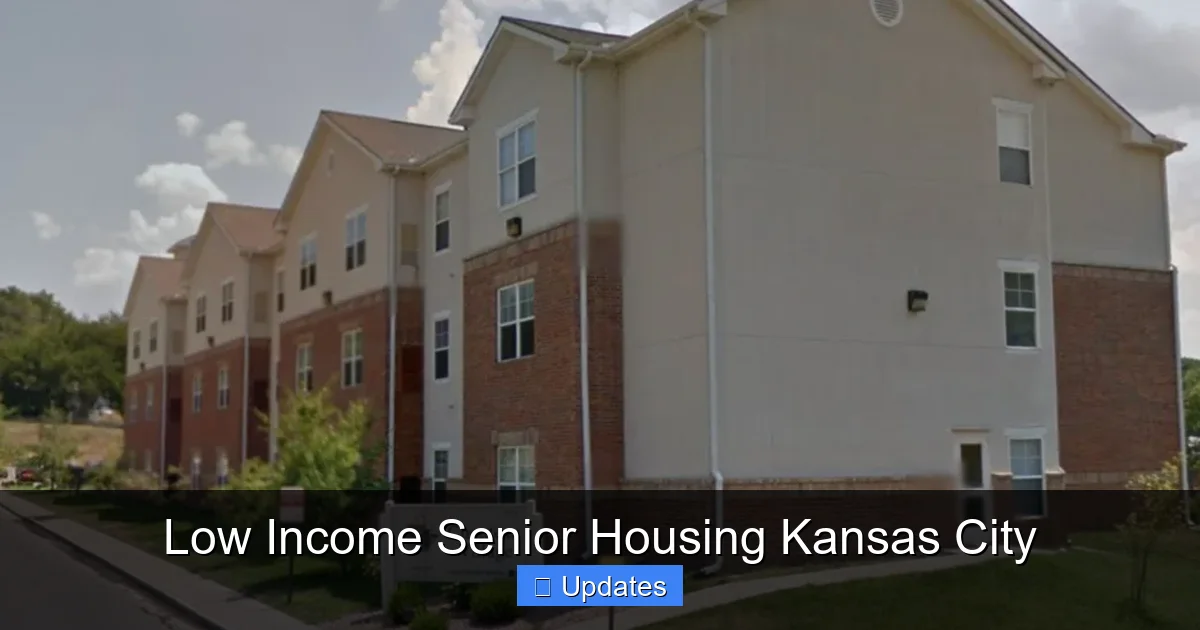
Visual guide about Low Income Senior Housing Kansas City
Image source: publichousing.com
Unlike nursing homes or assisted living facilities, most low income senior housing communities operate like apartments or small complexes. Residents maintain their independence while having access to optional support services. Rent is heavily subsidized, often covering 70–90% of the total cost, so seniors typically pay only 30% of their monthly income toward rent—no matter what the market rate is.
How Does It Work?
The process usually begins with an application submitted to a housing authority or nonprofit organization. Once approved, applicants may be placed on a waiting list, which can range from a few months to several years depending on demand and funding availability. When a unit opens up, the agency assigns it based on priority level, income, and household size.
Some programs also require a background check, proof of residency, and verification of income. But don’t worry—the goal isn’t to disqualify people; it’s to ensure limited resources go to those who truly need them most.
Types of Low Income Senior Housing in Kansas City
Kansas City offers a mix of public, private, and nonprofit-operated housing options tailored to different needs and budgets. Here are the main types you should know about:
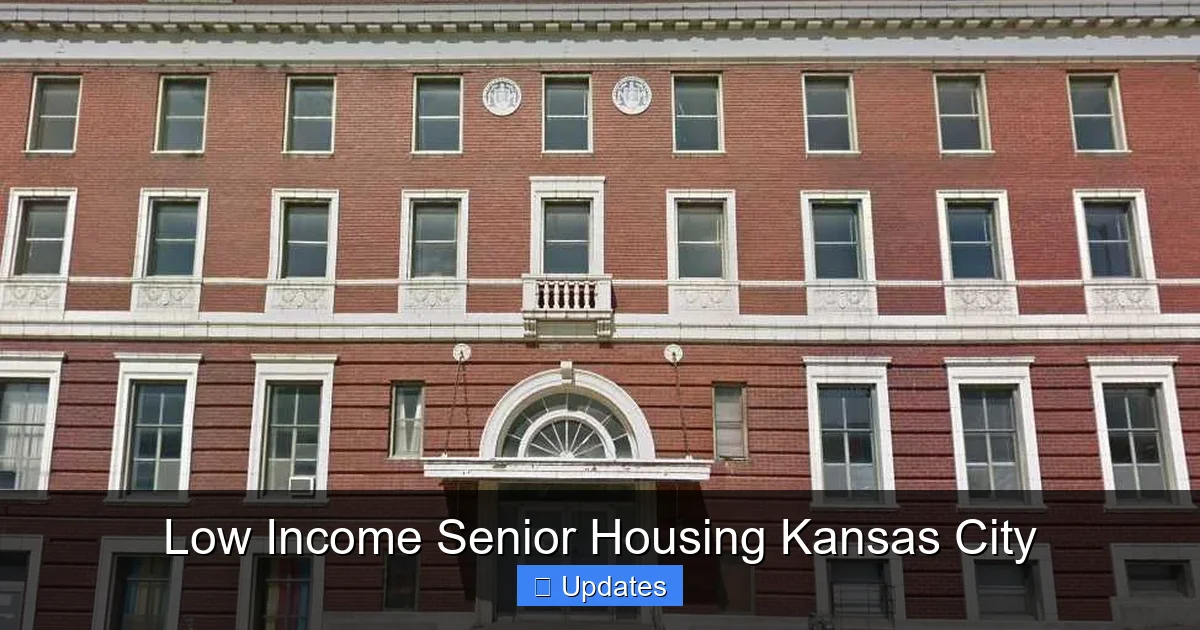
Visual guide about Low Income Senior Housing Kansas City
Image source: lowincomehousing.us
1. HUD-Section 202 Supportive Housing
This federally funded program provides rental assistance to very-low-income seniors. Properties are managed by nonprofit developers and include supportive services like case management, wellness checks, and referrals to community resources. Many units are located near hospitals, pharmacies, and grocery stores—making daily life easier for seniors.
In Kansas City, organizations like Havenwood Communities and Crossroads Housing Corporation manage several Section 202 properties. These communities often feature community rooms, gardens, and organized social activities, helping residents stay connected and engaged.
2. Public Housing Authority (PHA) Programs
The Kansas City Housing Authority (KCHA) runs several low-rent senior housing developments throughout the city. While these aren’t always labeled as “senior-only,” many have age restrictions (typically 62+) and prioritize elderly residents. Examples include Brooklyn Manor and Lincoln Park Apartments.
One benefit of KCHA housing is that applications are centralized, so you only need to apply once to be considered for multiple properties. However, wait times can be long—sometimes over two years.
3. Nonprofit and Faith-Based Housing
Many religious and charitable groups run affordable housing for seniors. For example, Catholic Charities of Northeast Kansas City offers subsidized apartments with access to counseling, meal programs, and volunteer companionship. Similarly, Jewish Vocational Service provides housing assistance and social services to Jewish seniors in the area.
These programs often come with additional benefits, like free Wi-Fi, transportation to worship services, or holiday celebrations—helping build a strong sense of belonging.
4. Veterans Affairs Supportive Housing (VASH)
If you’re a veteran, you may qualify for HUD-VASH vouchers, which pair rental assistance with case management and clinical services. Administered by the VA in partnership with local Public Housing Authorities, these vouchers help veterans find and maintain stable housing.
In Kansas City, the VA works closely with KCHA to place eligible veterans into supportive housing units. The application process includes proof of military service and a letter of recommendation from a VA provider.
5. Congregate Housing
Congregate housing combines shared living spaces with individual private rooms. Meals are served in a central dining room, and staff are on-site to assist with daily tasks if needed. This model is ideal for seniors who want companionship but still value privacy.
While congregate housing tends to cost slightly more than traditional apartments, many low-income versions still fall well below market rates due to subsidies. Some even offer sliding-scale fees based on income.
Who Qualifies for Low Income Senior Housing?
Eligibility rules vary slightly by program, but most follow similar guidelines set by HUD. To qualify for low income senior housing in Kansas City, you generally need to meet these criteria:
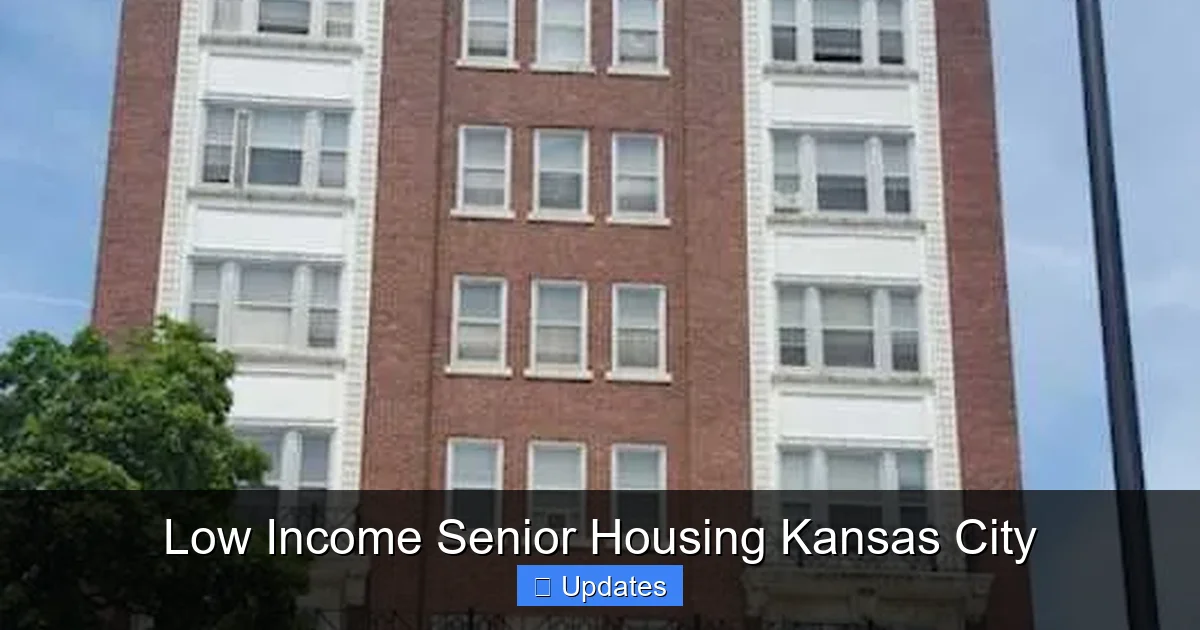
Visual guide about Low Income Senior Housing Kansas City
Image source: lowincomehousing.us
- Age: At least 62 years old (some programs accept younger seniors with disabilities).
- Income: Your annual household income must be below 50% of the area median income (AMI) for Jackson County. As of 2024, that’s roughly $38,000 for a single person and $54,000 for a couple.
- Citizenship/Residency: You must be a U.S. citizen or have eligible immigration status.
- Background Check: No history of violent crimes or drug-related offenses (though minor infractions may be waived).
It’s important to note that having a disability doesn’t automatically disqualify you—many programs welcome applicants with mobility issues or cognitive impairments, especially if they require accessible units.
Special Considerations for Disabled Seniors
If you use a wheelchair, rely on oxygen, or have dementia, let the housing agency know during your application. They can flag your file as “priority” and reserve accessible units for you. Also, ask about waivers for income limits if your pension or SSDI payments fluctuate seasonally.
How to Apply for Low Income Senior Housing in Kansas City
The application process can seem daunting, but breaking it into steps makes it manageable. Here’s how to get started:
Step 1: Gather Required Documents
Before applying, collect these items:
– Proof of age (birth certificate or passport)
– Social Security cards for all household members
– Most recent tax returns or benefit statements (Social Security, SSI, pension, etc.)
– Rental history (if applicable)
– Photo ID
– Proof of Kansas City residency (utility bill, lease agreement)
Having documents ready upfront speeds up the process and reduces delays.
Step 2: Choose the Right Application Channel
You’ll likely apply through one of these three routes:
– Kansas City Housing Authority (KCHA): Use their online portal or visit a KCHA office.
– Nonprofit Developers: Contact Havenwood, Crossroads Housing, or Catholic Charities directly.
– VA for VASH Vouchers: Reach out to the Kansas City VA Medical Center.
Each has its own form and timeline, so pick the one(s) that best match your situation.
Step 3: Submit and Wait
Once submitted, your application enters a queue. Some programs use a lottery system; others rank applicants by urgency (e.g., homelessness, medical need). Be patient—but proactive! Call every few months to confirm your status and update contact info if needed.
Pro Tip: Set Up Alerts
Ask the housing agency to add you to a notification list. When a unit becomes available, they’ll call or email you immediately. Missing that call could mean losing your chance.
Amenities and Services in Low Income Senior Housing
One of the biggest advantages of low income senior housing isn’t just affordability—it’s the extras that make life easier. While basic rent covers utilities and maintenance, many communities go beyond the essentials.
Common Amenities Include:
- On-Site Staff: Nurses, aides, or social workers available during business hours.
- Meals: Breakfast and dinner served daily in a communal dining room.
- Transportation: Scheduled shuttles to doctor appointments, grocery stores, or senior centers.
- Housekeeping & Laundry:: Weekly cleaning and laundry service included at no extra charge.
- Recreation Rooms:: Bingo nights, movie screenings, exercise classes, and hobby groups.
- Emergency Response Systems:: Pendants or buttons that connect residents to staff 24/7.
These services reduce stress and isolation, allowing seniors to focus on enjoying their golden years rather than managing logistics.
Example: Brookside Gardens
Located in the Brookside neighborhood, Brookside Gardens is a Section 202 property offering studio and one-bedroom units. Residents enjoy free Wi-Fi, a fitness center, and monthly outings to the Nelson-Atkins Museum. The site also partners with Truman Medical Center for health fairs.
As one resident put it: “I used to drive everywhere, but now I take the shuttle to the pharmacy and join friends for coffee. It feels like a real community.”
Cost Breakdown: What Seniors Actually Pay
Let’s talk money. One of the biggest misconceptions about low income senior housing is that it’s “cheap but poor quality.” In reality, most residents pay far less than they would for a comparable apartment—and still enjoy modern amenities.
Typical Monthly Costs:
| Property Type | Average Rent* | Average Utilities Included? | Services Provided |
|---|---|---|---|
| Market-Rate Apartment | $1,200–$1,600 | No | None |
| Low-Income Senior Housing | $150–$400 | Yes (electric, water, trash) | Meal plan, transportation, housekeeping |
*Rent is calculated as 30% of gross monthly income. For someone making $2,000/month, rent might be $600—but thanks to subsidies, they only pay $150 out of pocket.
This model ensures fairness: those earning more contribute proportionally more, while low-income seniors keep more cash in their pockets for food, medicine, and fun.
Tips for Maximizing Your Chances of Getting Approved
Even with perfect qualifications, competition is fierce. Here’s how to stand out:
- Apply Early and Often: Don’t wait until you’re desperate. Submit applications to multiple programs simultaneously.
- Update Your Info Regularly: If your income drops or your health declines, notify the agency—you might jump to the top of the list.
- Volunteer Locally: Many nonprofits prefer applicants who show civic engagement. Joining a senior center board or helping at a food pantry can boost your profile.
- Bring References:: Letters from doctors, clergy, or neighbors attesting to your reliability and character can make a difference.
- Stay Positive and Persistent: Rejection isn’t failure—it’s redirection. Keep trying!
Resources and Support in Kansas City
You don’t have to do this alone. Several organizations in Kansas City specialize in helping seniors navigate housing, benefits, and aging in place.
Top Resources:
- Senior Resource Center of Greater Kansas City: Offers free legal aid, case management, and housing referrals. Call (816) 756-0300.
- Metropolitan Organization for Senior Citizens (MOSC): Provides advocacy, transportation, and nutrition programs. Visit mosc.org.
- KC Area Agency on Aging: Coordinates services through the Mid-America Regional Council (MARC). Their website has a searchable database of affordable housing.
- United Way 211: Dial 211 from any phone to speak with a live operator who can connect you to local resources.
These groups often host workshops on topics like “How to Apply for Housing” or “Understanding Your Rights as a Tenant”—free and open to the public.
Final Thoughts: Your Home Awaits
Finding low income senior housing in Kansas City may take time and effort, but it’s absolutely worth it. Every senior deserves a safe, dignified place to live—one that respects their independence while offering support when needed. Thanks to generous federal funding, local partnerships, and caring community organizations, affordable housing is within reach.
Remember: the journey starts with a single step. Whether you’re filling out an online form, calling 211, or attending a senior center meeting, you’re already moving forward. And when you finally sign a lease and unpack your favorite chair, surrounded by neighbors who share your values and stories, you’ll realize—this was just the beginning of a new chapter.
Take control today. Explore your options, ask questions, and lean on trusted advisors. Because your home shouldn’t depend on luck or timing—it should depend on opportunity.
Frequently Asked Questions
How much does low income senior housing cost in Kansas City?
Rent typically ranges from $150 to $400 per month, calculated as 30% of your monthly income. Utilities, meals, and some services are often included at no extra charge.
Do I need to be disabled to qualify?
No. Most programs require only that you be 62 or older and meet income guidelines. Disability status can help prioritize your application but isn’t mandatory.
Are there any low income senior housing options in Kansas City with no waiting list?
Very few programs guarantee immediate placement. However, some nonprofit properties occasionally have openings due to relocations or deaths. Always ask about current vacancies when contacting agencies.
Can my family member live with me?
Yes, if they’re part of your household and listed on the application. Age and income rules apply to all occupants.
Is there transportation provided?
Many low income senior housing communities offer scheduled shuttles to medical appointments, grocery stores, and senior centers. Confirm availability when touring properties.
What should I bring to a housing tour?
Bring photo ID, proof of income, a list of references, and a notebook to jot down questions. Also, wear clean shoes—first impressions matter!